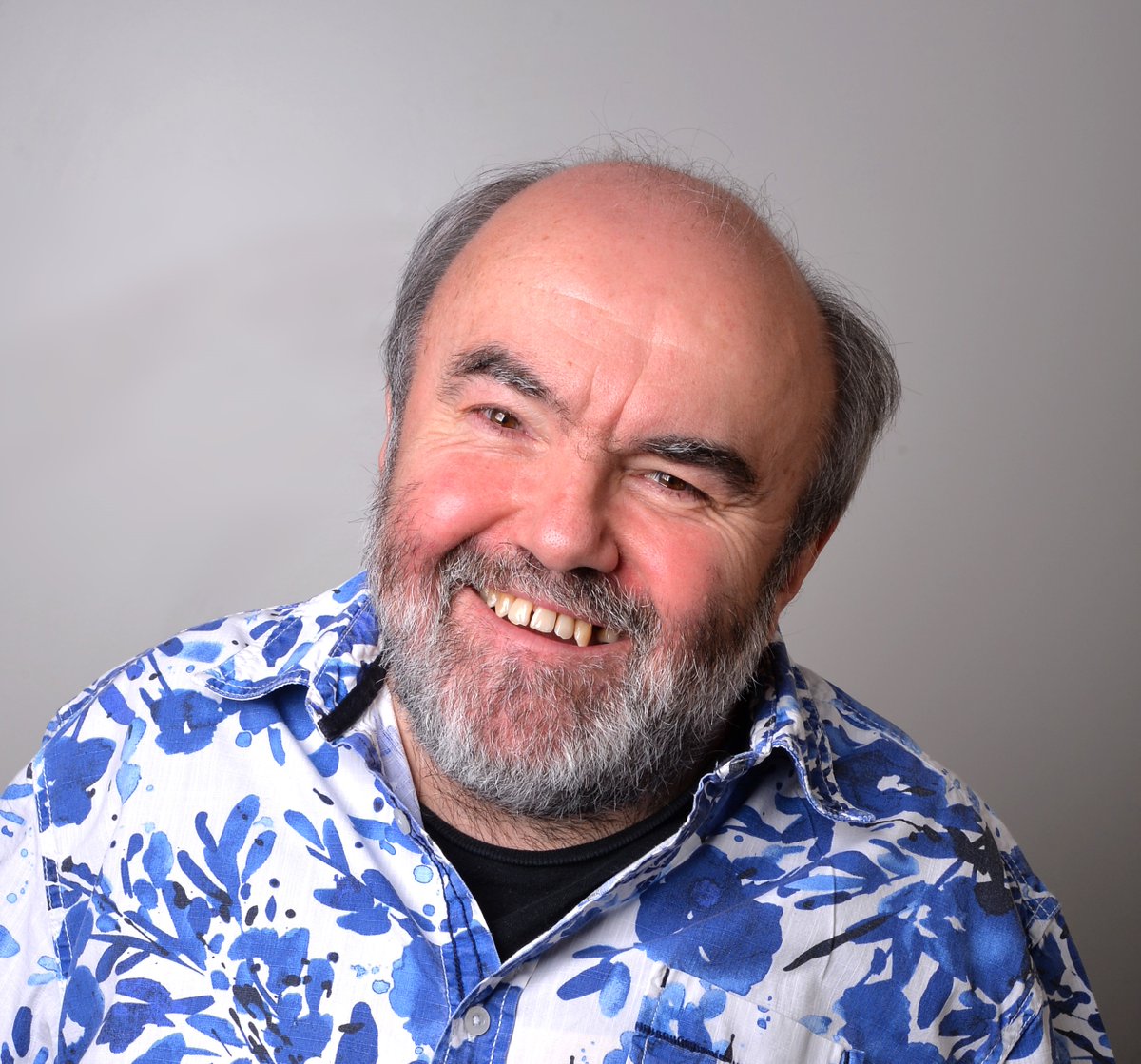
As of 2026, Andy Hamilton’s net worth is estimated to be between £7 million and £10 million ($9 million to $13 million USD). This wealth is the result of a prolific four-decade career as a writer, director, performer, and producer, bolstered by long-running royalties from iconic series like Outnumbered and Drop the Dead Donkey.
Andy Hamilton is a rare "quadruple threat" in the British entertainment landscape. Unlike many performers who rely solely on appearance fees, Hamilton’s financial foundation is built on the far more lucrative bedrock of intellectual property (IP) creation. By writing and co-creating some of the most successful British sitcoms of the last forty years, he has ensured a steady stream of residual income that continues to appreciate in value in the era of global streaming platforms. To understand his net worth in 2026, one must look beyond the television screen and into the mechanics of the British media industry, syndication, and the enduring popularity of his creative catalog.
The Pillars of Andy Hamilton’s Financial Success
Hamilton’s wealth is not derived from a single "blockbuster" moment but rather a consistent accumulation of high-level professional credits. His financial portfolio can be categorized into four primary streams: writing and script development, television and radio performance, directing for film and TV, and literary publishing.
1. Scriptwriting and Showrunning
The most significant contributor to Hamilton’s net worth is his role as a creator and writer. In the UK television industry, creators often retain a portion of the rights or receive substantial "created by" royalties whenever a show is sold to international markets or streaming services like Netflix, BritBox, or Disney+.
Hamilton’s partnership with Guy Jenkin has been particularly fruitful. Together, they created Drop the Dead Donkey (1990–1998), a satirical masterpiece that won numerous BAFTAs and International Emmys. Following that, they created Outnumbered (2007–2014, with subsequent specials), which became a staple of BBC programming. The "semi-improvised" nature of Outnumbered made it a unique asset; its relatable family dynamics have allowed it to remain in constant rotation on digital channels and streaming services for nearly two decades. By 2026, the cumulative residuals from these two shows alone likely account for a significant percentage of his annual passive income.
2. Television and Panel Show Appearances
While writing provides the background "rent," Hamilton’s frequent appearances on television provide the "cash flow." He is a familiar face on high-rating BBC panel shows such as Have I Got News for You and QI.
In the UK, a guest appearance on a major panel show can command fees ranging from £5,000 to £15,000 per episode for established veterans. Given that Hamilton has appeared on dozens of episodes over the years, these fees contribute to a healthy annual turnover. Furthermore, his distinct voice—both literally and figuratively—has led to various voiceover roles and narrations, which are notoriously well-paid relative to the time commitment required.
3. The Radio 4 Factor: Longevity in Audio
Hamilton is a titan of BBC Radio 4. His series Old Harry's Game, in which he plays Satan, ran for seven series and numerous specials between 1995 and 2012. While radio pay scales are generally lower than television, the longevity and "evergreen" status of Old Harry’s Game mean that it is frequently rebroadcast on BBC Radio 4 Extra.
Under standard BBC contracts, performers and writers receive "repeat fees" for these broadcasts. While these checks might be smaller than those from a primetime TV show, the sheer volume of Hamilton’s radio work—including The News Quiz and various one-off plays—creates a reliable financial safety net that most freelancers lack.
Estimated Wealth Breakdown (2026 Projections)
The following table outlines the estimated distribution of Andy Hamilton's wealth based on industry standard earnings for a creator of his stature.
| Asset/Income Category | Estimated Value (2026) | Primary Source |
|---|---|---|
| Intellectual Property | £4,000,000 – £5,500,000 | Rights for Outnumbered, Drop the Dead Donkey, and Bedtime. |
| Real Estate Holdings | £2,000,000 – £3,000,000 | Primary residence in London and potential secondary properties. |
| Directing & Performance Fees | £500,000 – £1,000,000 | Accumulated fees from film directing (What We Did on Our Holiday) and TV. |
| Literary & Radio Royalties | £500,000 – £750,000 | Book sales (The Star Witness) and BBC Radio syndication. |
| Total Estimated Net Worth | £7M – £10M | Aggregated personal and corporate assets. |
The Impact of Directing and Film Success
Hamilton’s financial reach expanded significantly when he moved into feature film directing. Along with Guy Jenkin, he wrote and directed the 2014 hit What We Did on Our Holiday, starring Rosamund Pike and David Tennant. The film was a commercial success, grossing over $14 million at the global box office against a modest budget.
Directing a successful feature film provides a different tier of compensation. Beyond the initial director’s fee, there are "points" or a percentage of the net profits (though these are notoriously difficult to collect in the film industry). However, the prestige of a successful film increases a creator's "quote"—the minimum fee they can demand for future projects. By 2026, Hamilton’s reputation as a director who can deliver both critical acclaim and commercial viability remains a high-value asset.
Intellectual Property and the Streaming Revolution
One of the most complex aspects of calculating a creator’s net worth in 2026 is the shift from traditional broadcast to Video on Demand (VOD). In the early 2000s, comedians made a significant portion of their income from DVD sales. As that market collapsed, it was replaced by streaming licensing deals.
For a creator like Hamilton, the value of a "box set" of Outnumbered is immense. When a platform like Netflix or Disney+ licenses a series for a multi-year period, the creators often receive a lump sum or a structured payout. Because Hamilton’s work is considered "comfort viewing"—shows that audiences watch repeatedly—his catalog remains in high demand for platforms looking to reduce subscriber churn. This "long tail" of earnings is what separates a moderately successful actor from a wealthy creator-owner.
Real Estate and Private Assets
Hamilton has lived in London for much of his adult life, a city where property values have seen exponential growth over the last three decades. While he maintains a relatively low-profile lifestyle compared to "A-list" Hollywood celebrities, a typical townhouse in the desirable areas of London favored by media professionals (such as Wimbledon or North London) is currently valued between £2 million and £4 million.
While specific details of his private investment portfolio are not public, it is standard practice for high-earning UK creatives to utilize personal service companies (PSCs) to manage their earnings. These companies allow for tax-efficient management of income and the reinvestment of profits into diverse assets, further insulating their net worth from the fluctuations of the entertainment industry.
Literary Ventures: A New Revenue Stream
In recent years, Hamilton has turned his attention to the literary world. His novels, such as The Star Witness (2016) and Long Hand (2020), have been well-received. While the publishing industry rarely offers the same immediate financial windfall as a television series, books serve a dual purpose:
- Direct Sales: Royalty checks from physical, digital, and audiobook sales.
- Optioning Rights: The potential for a book to be adapted into a TV series or movie.
As a writer-director, Hamilton is in a unique position where he can write a book and then "option" it to himself or a production company to develop into a screenplay, effectively being paid at multiple stages of the creative process.
Frequently Asked Questions
How does Andy Hamilton’s net worth compare to other British comedians?
While Hamilton may not be as wealthy as "stadium comedians" like Michael McIntyre or Peter Kay—who can earn tens of millions from a single tour—his net worth is higher than most purely performative comedians. This is because he owns the intellectual property of his shows. In the entertainment industry, the person who writes the script generally has a longer and more stable financial peak than the person who simply reads the lines.
Did Andy Hamilton earn a lot from Hat Trick Productions?
While Hamilton was a key figure in the early success of Hat Trick Productions (writing for Chelmsford 123 and Drop the Dead Donkey), he was not one of the original founders (Jimmy Mulville, Denise O'Donoghue, and Rory McGrath). Therefore, while he earned significant fees as a writer and performer, he did not benefit from the massive windfall when the company was eventually restructured or sold in the same way the founders did.
Is he still earning money from Outnumbered?
Yes. Outnumbered remains one of the BBC’s most successful comedy exports. It is regularly licensed to international broadcasters and is a staple on UK streaming services. Under Equity and Writers' Guild agreements, Hamilton receives residuals (royalties) for these broadcasts and streams.
What is the most profitable part of his career?
The combination of writing and co-creating Outnumbered is likely his most profitable venture. The show’s massive success led to multiple series, Christmas specials, and international format sales (where other countries buy the rights to make their own version), all of which generate income for the original creators.
Conclusion: The Legacy of a Master Craftsman
Andy Hamilton’s estimated net worth of £7 million to £10 million in 2026 is a testament to the power of creative ownership. By consistently producing work that resonates with the public’s sense of humor and family life, he has built a financial legacy that is not dependent on the "next big gig."
For aspiring creators, Hamilton’s career serves as a blueprint: focus on creating original IP, diversify across different mediums (TV, radio, film, and books), and maintain a consistent presence in the public eye. His wealth is a direct reflection of his contribution to the British cultural canon—a career built on wit, observation, and the enduring value of a well-written joke.