Traveling from Boston, Massachusetts, to Virginia via Amtrak offers a scenic and efficient alternative to flying or driving, connecting the historic hubs of the Northeast Corridor. Whether you are heading to Alexandria, Richmond, or Newport News, the journey involves a seamless transition through major metropolitan centers, primarily utilizing the Northeast Regional service. This guide covers the essential logistical steps, station considerations, ticketing nuances, and passenger expectations for your rail journey in 2026.
Understanding Your Route Options
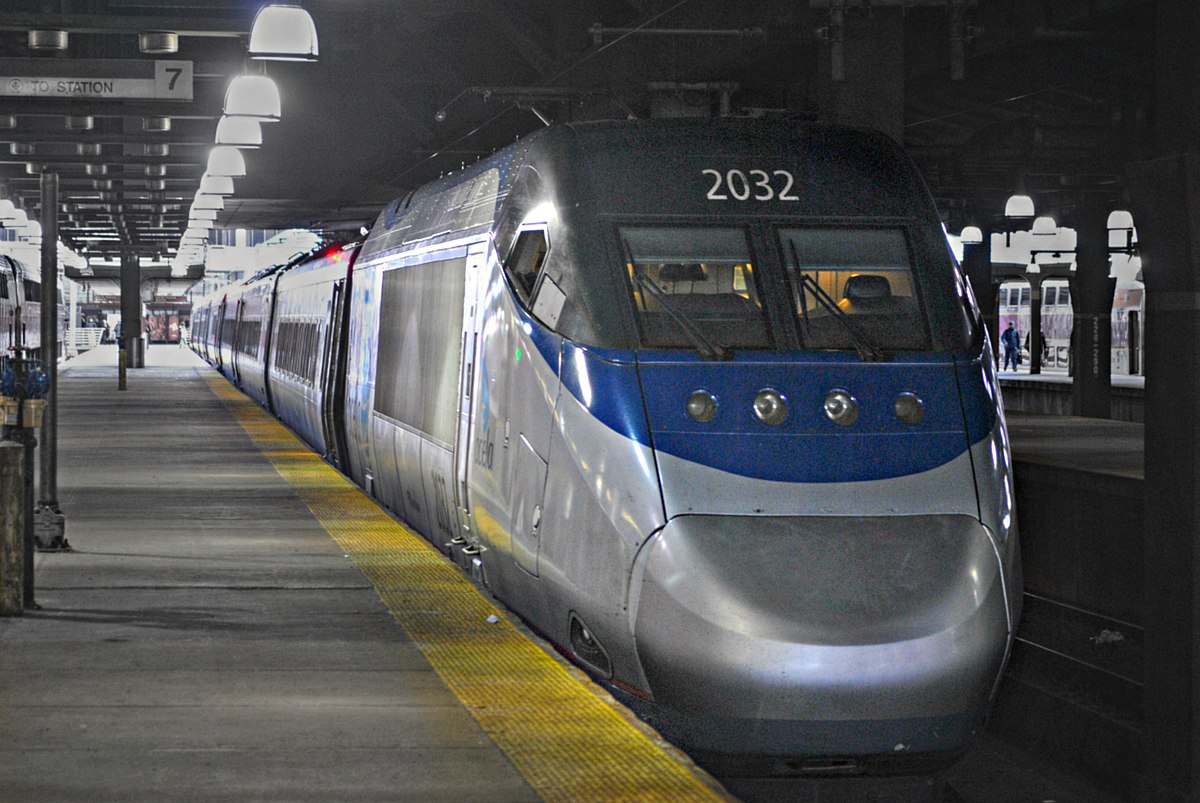
The journey from Boston’s South Station to various destinations in Virginia is primarily serviced by Amtrak’s Northeast Regional line. Unlike the high-speed Acela service, which primarily operates between Boston and Washington, D.C., the Northeast Regional provides the necessary through-service to reach points south of the capital into Virginia.
The Northeast Regional Workflow
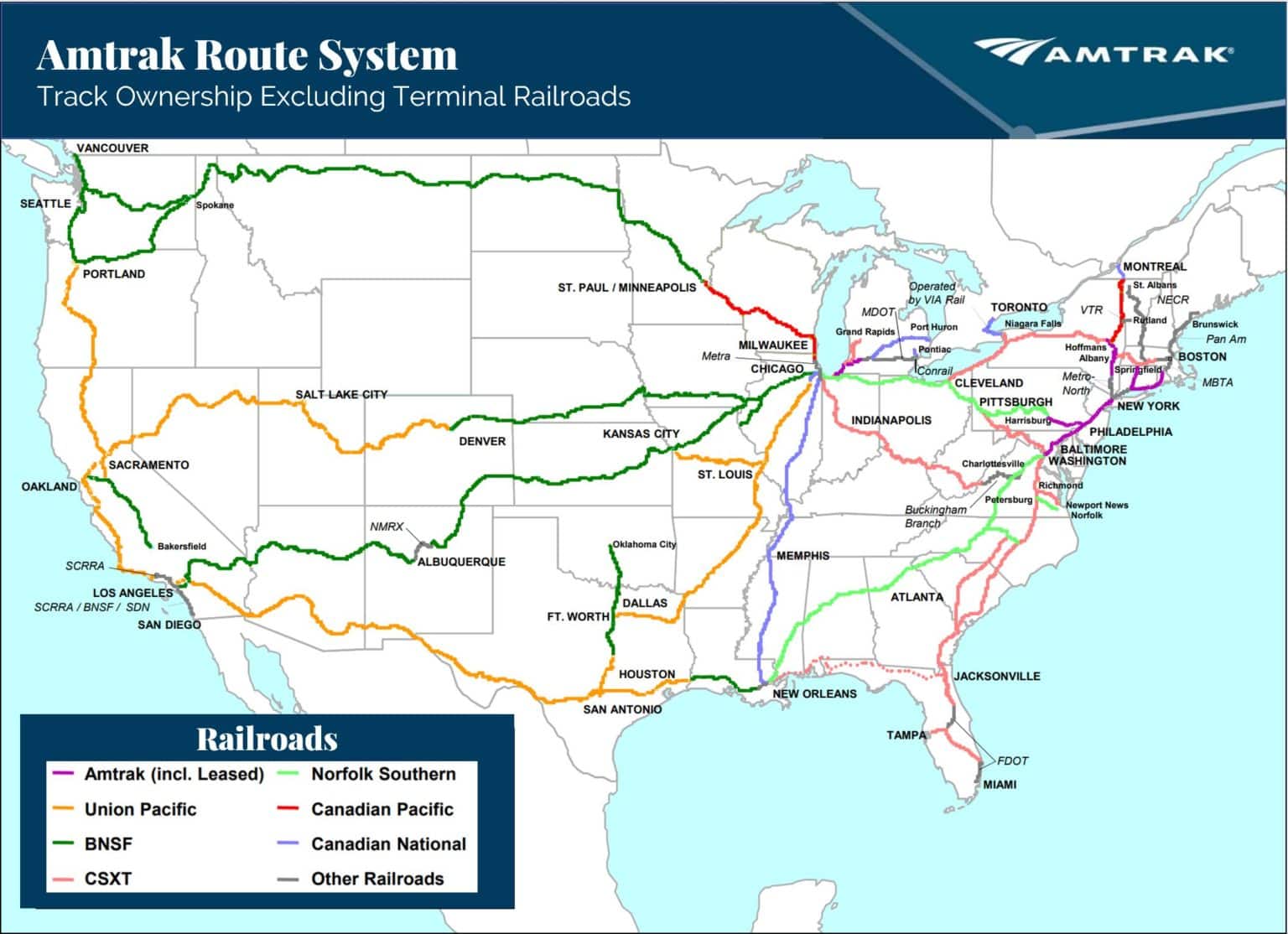
Most travelers will board at Boston South Station or Back Bay. The train typically runs north-to-south, passing through Providence, New Haven, New York Penn Station, and Philadelphia before reaching Washington Union Station. From Union Station, the line branches into multiple Virginia extensions.
It is critical to note that while some trains are "through-trains" that continue directly from Boston to Virginia, others may require a platform transfer at Washington Union Station. In 2026, Amtrak’s scheduling software automatically accounts for these transitions, but passengers should verify their ticket to see if a cross-platform change is required at the D.C. hub.
Major Virginia Arrival Points
Amtrak serves several key locations in Virginia. Identifying your final destination early is essential for booking:
- Alexandria (ALX): The gateway to Northern Virginia and the D.C. metro area.
- Richmond (RVR/RVM): Richmond offers two main stations; Staples Mill Road (RVR) is the primary stop for most Northeast Regional trains, while Main Street Station (RVM) serves downtown.
- Petersburg (PTB): A vital stop for those heading toward the southern part of the state.
- Newport News (NPN) & Norfolk (NFK): The final terminals for the southeastern Virginia branches.
Booking and Ticketing Strategy
Securing tickets for a long-distance rail journey requires balancing budget with comfort. As of 2026, Amtrak utilizes a dynamic pricing model where fares increase as the train fills or as the departure date approaches.
Selecting Your Class of Service
For the Boston to Virginia route, you will typically choose between Coach and Business Class:
- Coach: Offers spacious, reclining seats, overhead lighting, and ample legroom. It is the most economical choice.
- Business Class: Provides a guaranteed seat in a dedicated car, extra legroom, leather seating, and bonus Amtrak Guest Rewards points. On some Northeast Regional routes, this also includes a complimentary non-alcoholic beverage.
Booking Lead Times
For peak travel seasons—such as late spring (graduation season) or the November/December holiday period—tickets should be purchased at least 4 to 8 weeks in advance. While Amtrak occasionally releases promotional fares, the "Coach Value" tier is the first to sell out. Utilizing the official Amtrak website or mobile app is the most reliable method for real-time seat availability.
Essential Logistics and Station Procedures
Understanding the station environment is key to a stress-free departure from Boston and an organized arrival in Virginia.
Departing from Boston South Station
South Station is a major transit hub. Passengers are advised to arrive at least 30 to 45 minutes before departure. Unlike airports, Amtrak does not have a formal TSA security checkpoint, but passengers must be present at the boarding gate when the conductors call the train. In 2026, check the digital display boards frequently, as track assignments are often finalized only 15–20 minutes before departure.
Luggage Requirements
Amtrak’s baggage policy is significantly more flexible than airline regulations. Passengers are generally allowed:
- Two personal items: 25 lbs each (12" x 14" x 9").
- Two carry-on bags: 50 lbs each (28" x 22" x 14").
- Checked baggage: Not all trains offer checked baggage service. Check your specific train number on the Amtrak website to confirm if "Checked Baggage" is an available amenity for your route.
Onboard Experience and Amenities
The journey from Boston to Virginia is a long-haul experience, often taking between 8 and 11 hours depending on your final destination. Preparing for the onboard environment ensures a more comfortable trip.
Connectivity and Power
Every seat on the Northeast Regional is equipped with a 120V power outlet. While Amtrak provides onboard Wi-Fi, it is best described as "basic" and is generally sufficient for email and web browsing but not for high-bandwidth streaming. Downloading movies or reading materials in advance is recommended.
Dining and Food Service
The Northeast Regional train features the Café Car, which offers a variety of sandwiches, snacks, and beverages. However, options can be limited and prices are at a premium. Experienced rail travelers often pack their own meals, which is permitted on Amtrak. Alcohol is available for purchase but must be consumed at your seat or in the Café Car; bringing your own alcohol onto the train is prohibited by federal regulations.
| Feature | Coach Class | Business Class |
|---|---|---|
| Seat Type | Reclining | Reclining (Leather) |
| Legroom | Standard | Extra |
| Power Outlets | Yes | Yes |
| Bonus Points | 1x | 1.25x |
| Complimentary Drinks | No | Selected Non-Alcoholic |
Navigating Potential Disruptions
Rail travel, while reliable, is susceptible to infrastructure delays. Common issues include track maintenance, weather-related speed restrictions, or freight train interference.
Troubleshooting Delays
If you experience a significant delay, Amtrak’s communication via their mobile app is the primary source of truth. Ensure your contact information is up to date in your Amtrak profile so you receive SMS notifications regarding gate changes or schedule shifts.
- Missed Connections: If you are booked on a through-ticket and a delay causes you to miss a connection in Washington, D.C., Amtrak is responsible for rebooking you on the next available train. Visit the customer service desk at Union Station immediately if this occurs.
- Documentation: Always keep a digital or printed copy of your ticket. While conductors scan tickets via mobile devices, paper backups are helpful in the event of device failure or low battery.
Frequently Asked Questions
Is there a direct train from Boston to Virginia?
Yes, some Northeast Regional trains run directly from Boston South Station to various cities in Virginia. However, some schedules require a quick transfer at Washington Union Station. Always check the "Number of Transfers" column during the booking process.
Does Amtrak require an ID for the Boston to Virginia route?
While Amtrak does not conduct standard security checks, conductors may request a government-issued photo ID to verify your identity against your ticket, particularly if you are using an e-ticket or a discount fare (such as a senior or student discount).
Can I bring my bicycle on the train?
Amtrak offers bicycle storage on many Northeast Regional routes. You must reserve a bicycle spot at the time of booking, as capacity is limited. There is often a nominal fee, and you may be required to remove front wheels or use specific bike racks depending on the train configuration.
What is the quietest part of the train?
If you are sensitive to noise, try to book a seat away from the Café Car and the vestibules (the areas near the doors and restrooms). Business class cars are generally quieter, though this can vary based on passenger demographics.
Can I use the station lounges in Boston or D.C.?
Amtrak’s "ClubAcela" or Metropolitan Lounges are typically reserved for Acela First Class passengers and certain status-level Guest Rewards members. Northeast Regional passengers generally do not have access to these lounges, regardless of class of service.
What happens if I lose my ticket?
If you purchased your ticket through the Amtrak website or app, your ticket is linked to your account. You can easily pull it up on your phone at the station or ask the conductor to look it up using your name and reservation number.
Final Recommendations for Your Trip
For the best experience, aim to book your travel during off-peak days—typically Tuesdays and Wednesdays—to secure better pricing and a less crowded cabin. If you are traveling to a major Virginia destination like Richmond or Alexandria, plan your ground transportation (ride-share or local transit) in advance, as station parking can fill up quickly during commuter hours.
Always keep a portable battery pack in your carry-on, as electrical outlets are located at the wall, and the cables provided by passengers are occasionally faulty. Finally, arrive at the station with the mindset that rail travel is about the journey; bring a book or offline entertainment to enjoy the shifting landscapes of the Northeast as you head south.