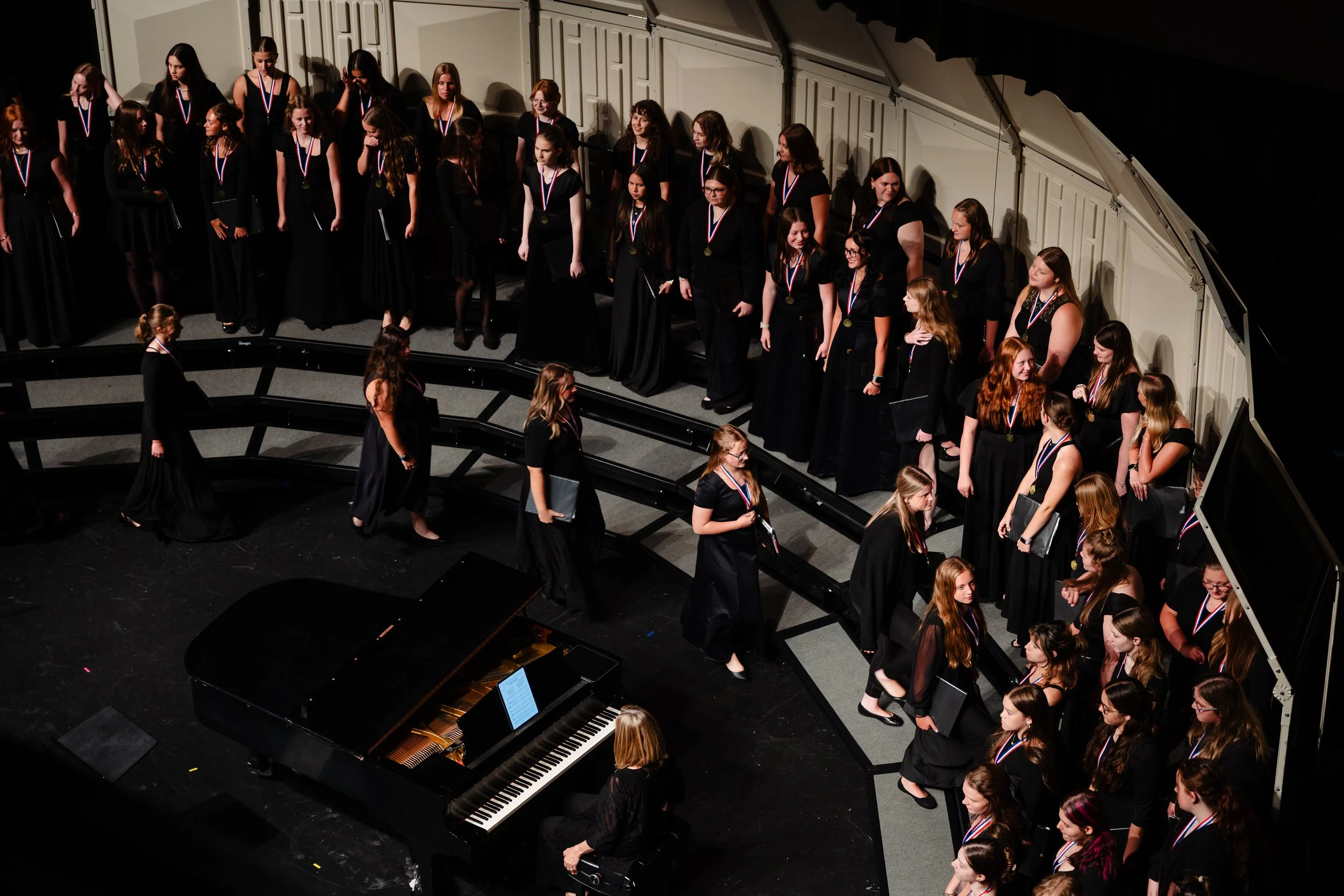
In a choral setting, the alto is the second-highest vocal part in a standard four-part SATB (Soprano, Alto, Tenor, Bass) arrangement. Traditionally sung by women with lower voices or men using falsetto (countertenors), the alto provides the essential harmonic richness and rhythmic movement that bridges the gap between the melody and the foundation.
The Definition and Scope of the Alto Voice
The term "alto" is derived from the Italian word alto, meaning "high." While this may seem counterintuitive for a voice type that is lower than the soprano, the name originates from the historical "contratenor altus," which was the part written higher than the tenor in early polyphonic music. In the modern context of 2026 choral standards, the alto section is the backbone of the choir's internal harmony.
Unlike the soprano, which often carries the primary melody, the alto voice is characterized by its darker, richer, and more "velvety" timbre. While many amateur singers are classified as altos simply because they cannot reach the high C of a soprano, a true alto voice possesses a specific weight and resonance in the lower-middle register that distinguishes it from a mezzo-soprano or a "low soprano."
The Choral Alto Range and Tessitura
Understanding the difference between a singer's absolute range and their tessitura is vital for any choral participant or director. The range encompasses every note a singer can physically produce, while the tessitura refers to the range of notes where the voice is most comfortable and resonant for extended periods.
Standard Choral Range
For most choral compositions, the alto part typically spans from F3 (the F below middle C) to F5 (the F an octave and a half above middle C). While some modern or advanced compositions may require an alto to dip down to a D3 or reach up to a G5 or A5, the bulk of choral literature stays within that two-octave F-to-F window.
The Power of the Tessitura
The alto's tessitura generally sits between A3 and A4. In this "sweet spot," the alto voice can produce a steady, warm tone without the strain of the upper register or the "growling" quality of the extreme low notes. When a composer writes for the alto section, they spend much of their time in this middle-low area to ensure the choir has a thick, supportive middle texture.
The Harmonic Role: The "Glue" of the Choir
If the soprano is the "sparkle" and the bass is the "foundation," the alto is the "glue." Without the alto part, most choral music would sound thin and harmonically hollow. The alto role is multi-faceted and requires a high degree of musical intelligence.
Providing the Inner Harmony
Altos are frequently tasked with singing the "thirds" and "sevenths" of chords. In Western music theory, these are the notes that determine whether a chord is major or minor, or if it carries a specific tension (like a dominant seventh). Because these notes are often only a half-step or whole-step away from the soprano or tenor parts, the alto must maintain incredible pitch precision to prevent the choir from sounding out of tune.
Rhythmic Counterpoint
In many Baroque and Classical works, such as those by Bach or Handel, the alto part is often more rhythmically active than the soprano. While the sopranos hold a long, soaring note, the altos might be singing a series of moving eighth or sixteenth notes that drive the energy of the piece forward. This requires the alto section to have excellent "internal clocks" and crisp diction.
The Bridge Between Registers
The alto serves as a sonic bridge. They blend the bright, piercing quality of the sopranos with the more robust, chest-heavy sounds of the tenors and basses. A skilled alto section can "lean" toward the sopranos to add warmth to a high passage or "lean" toward the tenors to add grit and depth to a low passage.
Comparing Alto, Mezzo-Soprano, and Contralto
There is often confusion regarding these three terms, especially since they are used differently in operatic solo contexts versus choral environments.
| Voice Type | Typical Range (Approx.) | Primary Context | Characteristics |
|---|---|---|---|
| Choral Alto | F3 – F5 | Choral / SATB | Focused on blending, harmonic support, and middle-register stability. |
| Mezzo-Soprano | A3 – A5 | Solo / Opera | Higher "ceiling" than an alto; brighter timbre; often sings Alto 1 in split sections. |
| Contralto | E3 – E5 | Solo / Rare Choral | The lowest female voice; very dark, rich, and powerful in the low chest register. |
| Countertenor | G3 – E5 | Early Music / Choral | Male singers using falsetto; often sing the alto part in specialized ensembles. |
In most community or school choirs, the "alto" section is actually composed of a mix of mezzo-sopranos (who find the alto range more comfortable than the soprano range) and true contraltos. In 2026, vocal pedagogy continues to emphasize that "alto" is a part you sing, while "contralto" is a biological voice type.
Technical Challenges for the Alto Singer
Singing the alto part is not "easier" than singing soprano; in fact, it presents several unique technical hurdles that require dedicated practice.
Navigating the Passaggio
The passaggio, or vocal break, is the transition area between vocal registers (typically chest voice and head voice). For most altos, the "first passaggio" occurs around Eb4 or E4. This is right in the middle of their most-used range. Altos must learn to "mix" their registers so there isn't a sudden change in tone quality—from a heavy, boisterous chest sound to a thin, hooty head sound—right in the middle of a phrase.
Sight-Reading and "Ear Training"
Sopranos often have the benefit of singing the most intuitive melody. Altos, however, often sing lines that are disjunct or consist of repetitive notes that don't seem to make "melodic sense" in isolation. To be a successful alto, one must develop a strong ear for intervals. An alto must be able to hold their note even when the soprano is singing a distracting melody only a major second above them.
Maintaining Resonance in the Low Register
Many singers try to "force" their low notes by depressing the larynx or pushing too much air, which leads to vocal fatigue. A professional-level alto learns to use "mask resonance" (vibrations in the sinus cavities) even on low notes like G3 or F3. This allows the voice to project through the texture of the choir without sounding forced or "breathy."
The Evolution of the Alto: From Countertenors to Women
The history of the alto voice is one of transition. In the Renaissance and Baroque periods, the "alto" part was almost exclusively sung by men (countertenors) or boy sopranos whose voices were changing. This was due to ecclesiastical prohibitions against women singing in church.
As these restrictions lifted in the 18th and 19th centuries, women began to take over the alto role in oratorios and eventually in liturgical music. By 2026, the modern alto section is a diverse space. You will find:
- Female Contraltos and Mezzos: The standard for most modern choirs.
- Countertenors: Men who specialize in the alto range, particularly in early music (Bach, Vivaldi, Purcell).
- Female Tenors: Occasionally, women with exceptionally low ranges may be placed in the tenor section, but they often provide a unique "low alto" reinforcement.
Practical Guidance for Choosing the Alto Section
If you are joining a choir in 2026 and are unsure if you are an alto, consider the following diagnostic steps:
- Check Your Comfort Zone: Sing "Happy Birthday" in a low key. If your voice feels full and natural as you go lower, but feels tight or "thin" as you go higher, you are likely an alto.
- Analyze Your Timbre: Record yourself. Does your voice have a "darker" quality, similar to a cello or a viola, rather than the "flute-like" quality of a soprano?
- Evaluate Your Reading Skills: If you enjoy the challenge of finding harmony and don't mind not having the "tune" all the time, you will thrive in the alto section.
- The "Bridge" Test: Play an E4 on a piano. If you can sing this note comfortably in both a "speech-like" (chest) voice and a "flute-like" (head) voice, you have the flexibility required for the alto part.
Frequently Asked Questions
Is an alto lower than a tenor?
No. In a standard choir, the alto is the lower female (or high male falsetto) voice, and the tenor is the higher male voice. While an alto's range and a tenor's range overlap significantly, the alto part is written in the Treble Clef and generally stays above the tenor's middle-C-focused range. However, a "low alto" may sometimes reach notes lower than a "high tenor."
Why do some choirs split altos into "Alto 1" and "Alto 2"?
In complex choral works, the alto section is divided. Alto 1s are typically mezzo-sopranos with a higher range who handle the notes closer to the soprano section. Alto 2s are the true contraltos or singers with a very strong, resonant low register. This division allows for six-part (SSATBB) or eight-part (SSAATTBB) harmonies.
Can a man be an alto?
Yes. Men who sing in the alto range are called countertenors. They use a highly developed falsetto or "head voice" technique to produce a sound that is distinct from a woman's alto voice but occupies the same musical space. In some traditions, particularly English Cathedral choirs, the alto section is still predominantly male.
What is the difference between an alto and a mezzo-soprano?
"Mezzo-soprano" is a vocal classification for soloists, while "alto" is a choral designation. Most mezzo-sopranos sing the alto part in a choir because their voices are better suited to the middle-low range than the high-flying demands of the soprano part. A true "contralto" is rarer and possesses a much deeper, darker tone than a standard mezzo-soprano.
How can I improve my low notes as an alto?
To improve the lower range, focus on relaxation. Ensure your jaw is loose and your tongue is not retracted. Use "forward resonance"—try to feel the sound vibrating behind your front teeth rather than in your throat. Never "push" or "growl" to reach low notes; let the breath do the work, and the notes will naturally become more audible as your technique matures.
Final Recommendation
If you are a singer looking to develop your choral skills in 2026, the alto section offers one of the most musically rewarding experiences. It demands more than just vocal ability; it requires a keen ear for harmony and a collaborative spirit. To excel, focus on mastering your passaggio and developing a "mixed voice" that allows you to blend seamlessly with the parts above and below you. Whether you are a mezzo-soprano looking for comfort or a contralto embracing your natural depth, the alto role is essential to the "symphonic" sound of a great choir.