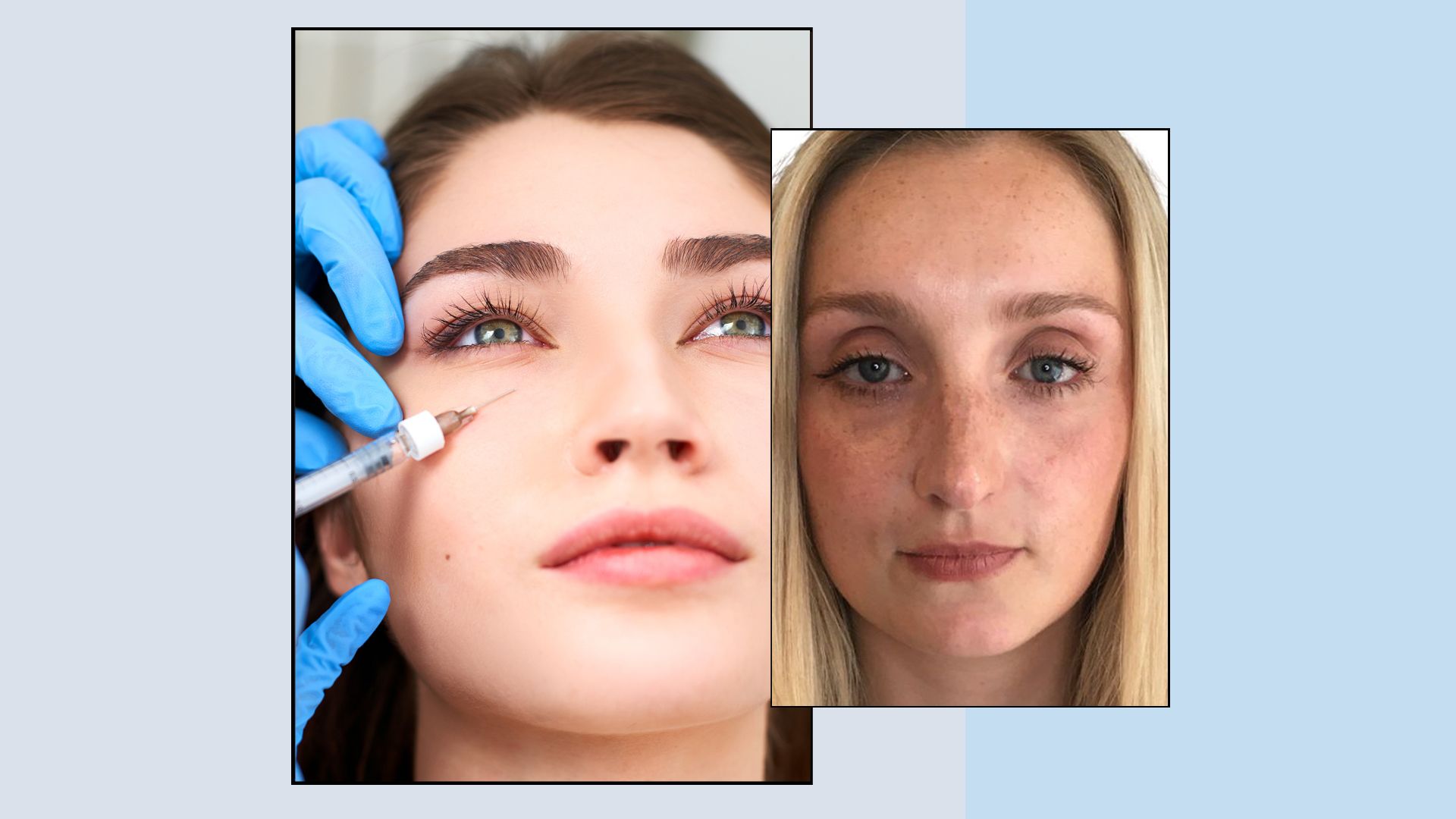
Finding an effective alternative to filler involves choosing between advanced topical skincare, energy-based skin tightening, and regenerative therapies like exosomes or fat grafting. While fillers provide immediate volume, these alternatives prioritize long-term collagen production, improved skin elasticity, and natural facial contouring without the risks of migration or the "overfilled" appearance.
The aesthetic landscape in 2026 has shifted significantly away from the heavy use of synthetic hyaluronic acid. Patients are increasingly seeking "biocompatible" and "regenerative" solutions that work with the body’s natural healing mechanisms rather than simply inflating the skin with exogenous gels. This shift is driven by a growing awareness of filler fatigue—the phenomenon where repeated filler injections can lead to tissue distortion and lymphatic blockage—and a desire for more sustainable, subtle results.
Why Patients are Seeking Alternatives to Filler
The primary motivation for seeking alternatives to filler is often a desire for a more natural-looking aging process. By 2026, many long-term filler users have observed that while fillers can camouflage wrinkles, they do not necessarily improve skin quality. Furthermore, the risk of vascular occlusion, though rare in the hands of experts, remains a concern for many.
Another factor is the longevity and "mobility" of the face. Traditional fillers can sometimes feel heavy or restrict natural facial expressions if used in excess. In contrast, alternatives like radiofrequency microneedling or polynucleotides aim to strengthen the skin’s structural integrity from within. This "prejuvenation" approach focuses on maintaining the skin’s own scaffold of collagen and elastin, rather than replacing it with a temporary substance.
Topical Alternatives: High-Performance Skincare and Needle-Free Solutions
While no cream can perfectly mimic the volumizing effect of 1cc of deep-tissue filler, the topical technology available in 2026 has narrowed the gap. These products focus on three main areas: hydration-based plumping, muscle-relaxing peptides, and lipid-stimulating compounds.
Retinoids and Growth Factors
Prescription-strength retinoids (Tretinoin) and the newer generation of stabilized retinaldehydes remain the gold standard for topical collagen induction. In 2026, growth factor serums derived from ethically sourced stem cells or bio-engineered yeast have become staples for those avoiding needles. These topicals work by signaling the fibroblasts to produce more Type I and Type III collagen, which naturally firms the skin over several months of consistent use.
Topical "Fillers" and Volufiline
Ingredients like Volufiline (Sarsasapogenin) have gained popularity as a non-invasive alternative to filler for the under-eyes and cheeks. Volufiline is a phytosterol that promotes lipid storage in adipocytes (fat cells). When applied topically, it can help maintain a subtle "plumpness" in the face by supporting the underlying fat pads that naturally diminish with age.
Acetyl Hexapeptide-8 (Argireline)
Often referred to as "topical Botox," Argireline is a peptide that interferes with the neurotransmitters responsible for muscle contraction. While it won't fill a deep nasolabial fold, it significantly softens the appearance of dynamic expression lines around the eyes and forehead, reducing the perceived need for fillers in those areas.
Energy-Based Devices (EBDs) for Structural Volume
Energy-based devices have revolutionized the way we approach facial volume. Instead of adding volume from the outside, these technologies stimulate the body to generate its own.
Radiofrequency (RF) Microneedling
Devices such as Morpheus8 and Sylfirm X are among the most effective alternatives to filler for skin tightening and contouring. RF microneedling delivers thermal energy deep into the dermis and sub-dermal layers. This controlled injury triggers a robust wound-healing response. By 2026, protocols have been refined to ensure that the heat is delivered at precise depths to stimulate collagen without causing "fat melting," unless fat reduction is the goal (such as in the jowls or submental area).
High-Intensity Focused Ultrasound (HIFU)
HIFU treatments, like Ultherapy, target the SMAS (Superficial Muscular Aponeurotic System) layer—the same layer addressed during a surgical facelift. By creating micro-coagulation zones at this depth, HIFU causes immediate contraction and long-term lifting. This is an excellent alternative to filler for patients who have "sagging" rather than just "hollowing," as it addresses the structural descent of the tissue.
Fractional CO2 and Erbium Lasers
Laser resurfacing remains the premier choice for addressing fine lines and "crepey" skin texture. By removing columns of damaged skin and heating the surrounding tissue, lasers force the skin to regenerate a thicker, more resilient dermal layer. This increased dermal thickness can provide a subtle volumizing effect that masks underlying bone loss.
Regenerative Medicine: The Bio-Stimulatory Revolution
Regenerative medicine represents the most significant advancement in aesthetic alternatives to filler. These treatments do not just "fill" a gap; they repair the biological environment of the skin.
Exosome Therapy
In 2026, Exosomes have surpassed Platelet-Rich Plasma (PRP) in popularity. Exosomes are extracellular vesicles that carry proteins, lipids, and genetic material between cells. In aesthetics, they act as powerful signaling molecules that tell aged cells to behave like young cells. When applied after microneedling or laser treatments, exosomes drastically reduce downtime and amplify the production of collagen and elastin, providing a "glow" and firmness that filler cannot achieve.
Polynucleotides (PN)
Derived from DNA fragments (often salmon-sourced), polynucleotides are a bio-regenerative injectable that differs from fillers because they do not have a gel-like consistency. Instead, they act as "food" for the skin, improving hydration and elasticity at a cellular level. They are particularly effective for the delicate under-eye area, where traditional fillers often cause puffiness or the Tyndall effect (a blueish tint).
Platelet-Rich Fibrin (PRF)
PRF is an evolution of PRP. It involves drawing the patient's own blood and spinning it at a lower speed to preserve more white blood cells and growth factors. Because it forms a natural fibrin matrix, it releases growth factors slowly over time. PRF is often used as a "natural filler" to rejuvenate the tear troughs and hollow temples.
Semi-Surgical and Structural Alternatives
For those seeking more permanent results without using synthetic materials, surgical and semi-surgical options offer high satisfaction.
Autologous Fat Transfer (Fat Grafting)
Fat transfer involves harvesting fat from the patient's own body (usually the abdomen or thighs), processing it, and re-injecting it into the face. This is the ultimate "natural" alternative to filler. Unlike synthetic fillers, a portion of the transferred fat becomes a permanent part of the facial tissue, providing long-lasting volume. Research published by the American Society of Plastic Surgeons emphasizes that fat also contains stem cells, which can improve the overall quality and radiance of the overlying skin.
Thread Lifts
PDO (Polydioxanone) or PLLA (Poly-L-Lactic Acid) threads are used to mechanically lift sagging tissue and stimulate collagen along the thread's path. While they don't provide volume in the same way a filler does, they can reposition "fallen" volume back to its youthful position, such as moving sagging cheek fat back onto the cheekbones.
Comparison of Filler Alternatives
The following table compares the most popular alternatives based on their primary mechanism, typical downtime, and how long the results generally last as of 2026.
| Treatment Type | Primary Goal | Downtime | Duration of Results |
|---|---|---|---|
| RF Microneedling | Tightening & Texture | 2–4 days | 12–18 months |
| HIFU (Ultherapy) | Deep Lifting | 0–1 days | 1–2 years |
| Exosome Therapy | Cellular Repair | 1–2 days | Cumulative/Long-term |
| Polynucleotides | Under-eye Repair | 1–2 days | 6–9 months (series needed) |
| Fat Grafting | Permanent Volumizing | 7–14 days | Permanent (once "taken") |
| Thread Lifts | Mechanical Lifting | 3–5 days | 9–15 months |
| Topical Volufiline | Subtle Plumping | None | Continuous use required |
Addressing Potential Limitations and Risks
Choosing an alternative to filler is not without its challenges. The most common "failure" of filler alternatives is a mismatch between patient expectations and the biological reality of the treatment.
- Delayed Gratification: Unlike fillers, which provide an "instant" result, almost all alternatives (with the exception of fat grafting and thread lifts) require weeks or months for the body to build new collagen.
- Cost of Entry: High-end energy devices and regenerative series often cost more upfront than a single syringe of filler. However, the long-term maintenance may be lower as the skin's quality improves.
- Variable Results: Because these treatments rely on your body's ability to heal, results can vary based on age, lifestyle (smoking, sun exposure), and nutritional status.
- Technician Skill: The efficacy of devices like Morpheus8 or Ultherapy is highly dependent on the provider's understanding of facial anatomy and energy settings. Incorrect use can lead to surface burns or unintended fat loss.
Frequently Asked Questions
Does "Face Yoga" or facial exercise work as an alternative to filler?
Facial exercises can strengthen the underlying facial muscles, which may provide a slightly more toned appearance in the mid-face. However, they do not address skin laxity or the loss of subcutaneous fat, which are the primary causes of hollowing. Over-exercising certain muscles can actually worsen "dynamic" wrinkles like crow's feet or forehead lines.
Are there any natural supplements that act like a filler?
While no supplement can replicate the localized volume of a filler, oral intake of high-quality hydrolyzed collagen peptides and hyaluronic acid has been shown in some studies to improve overall skin hydration and elasticity. For a noticeable difference, these must be taken consistently for at least 90 days.
What is the best alternative to filler for the under-eye area?
In 2026, the leading alternative for the under-eye area is a combination of Polynucleotides and PRF. These treatments address the thinness of the skin and improve circulation, reducing the appearance of dark circles and hollows without the risk of the "sausage-like" swelling often seen with HA fillers in the tear trough.
Can topical creams really "plump" the skin?
Yes, but the effect is mostly superficial. Creams containing multi-weight hyaluronic acid draw moisture into the upper layers of the skin, providing a temporary "plumped" look. More advanced ingredients like Volufiline or peptides work on a deeper level but require months of consistent, twice-daily application to see a subtle change in facial contours.
How do I know if I need filler or an alternative?
If your primary concern is a deep, localized fold (like a scar) or a specific need for projection (like a chin or nose augmentation), fillers may still be the best tool. However, if your goal is "lifting" sagging skin or improving overall facial "hollowness" and skin health, energy-based devices and regenerative treatments are generally superior alternatives.
Practical Recommendations
If you are looking to transition away from fillers or avoid them entirely, the most effective strategy is a multi-modal approach. Start by optimizing your "cellular health" with a medical-grade skincare regimen containing retinoids and growth factors.
For structural improvement, schedule a consultation for Radiofrequency Microneedling or Ultherapy to address skin laxity. If you have specific areas of volume loss, inquire about Polynucleotides or Exosome therapy, which provide a more natural, refreshed look than traditional fillers. Always ensure your treatments are performed by a board-certified dermatologist or plastic surgeon who specializes in regenerative aesthetics to ensure safety and the most natural-looking results.