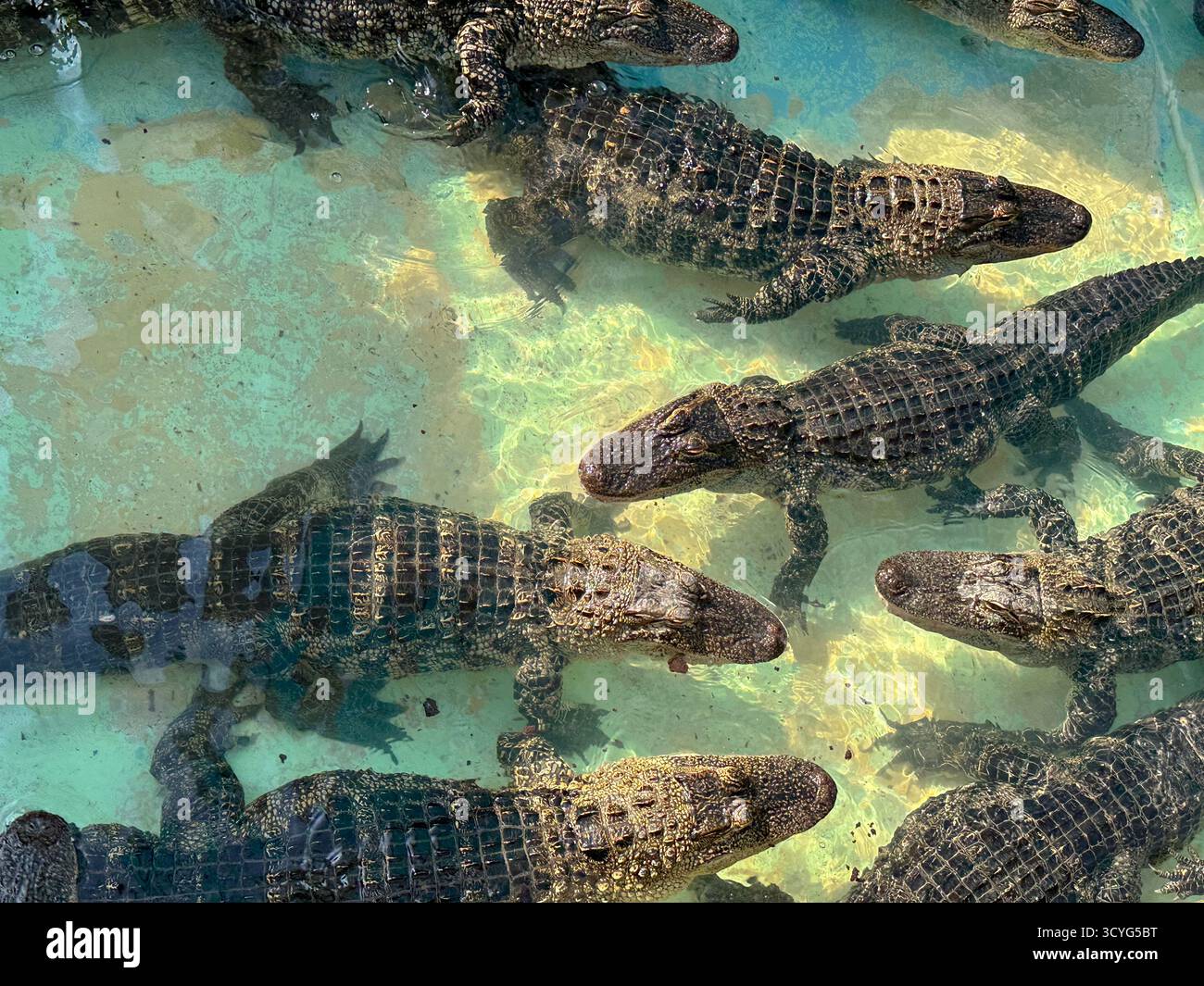
Finding an alligator in a swimming pool is a startling event that requires an immediate, specific protocol to ensure the safety of residents and the humane treatment of the animal. If you encounter an alligator in your pool, do not approach it, keep all pets and children indoors, and contact your state's wildlife commission or a licensed nuisance alligator trapper. While these encounters are often described as "rare," they occur with predictable frequency in the Southeastern United States during the spring mating season and periods of extreme heat.
The presence of a crocodilian in a residential setting is more than just a suburban anomaly; it is a complex intersection of wildlife biology, property management, and public safety. To manage this situation effectively in 2026, homeowners must understand the behavioral drivers of alligators, the legal frameworks governing their removal, and the technical requirements for restoring pool hygiene after an intrusion.
Why Alligators Enter Residential Swimming Pools
Understanding why an alligator chooses a chlorinated pool over a natural pond or swamp is the first step in prevention. Alligators are ectothermic (cold-blooded) reptiles, meaning they rely on their environment to regulate their body temperature. In the heat of a Florida or Louisiana summer, a deep pool offers a consistent thermal refuge that may be cooler than shallow, sun-exposed marshes.
Thermoregulation and Habitat Fragmentation
During peak summer months, natural water bodies can become significantly warmer than a managed swimming pool. Alligators may enter a pool simply to lower their core body temperature. Conversely, during unseasonable cold snaps, the residual heat in a heated pool may attract them.
Furthermore, as residential development continues to expand into historical wetlands, the "corridors" alligators once used to travel between lakes and rivers are now occupied by backyards. An alligator moving from one body of water to another at night may stumble into a pool, find it difficult to climb the slick walls to exit, and remain trapped until morning.
The Influence of Mating and Nesting Seasons
In the Southeastern United States, alligator activity peaks between April and June. This is the breeding season, a time when males become highly mobile and territorial. Sub-adult males are often pushed out of prime territories by larger bulls, forcing them to seek new habitats. These "transient" alligators are the most likely candidates to end up in a residential pool. In 2026, wildlife officials continue to report that the majority of pool-related calls occur during this three-month window.
Immediate Safety Protocol: What to Do (and What Not to Do)
The moment an alligator is spotted in a pool, the situation transitions from a curiosity to a high-risk encounter. While alligators are generally wary of humans, a trapped alligator is a stressed alligator. Stress in crocodilians triggers a "fight or flight" response, but since the animal is confined by the pool walls, "fight" becomes the dominant impulse.
Step 1: Secure the Perimeter
Immediately bring all family members and pets inside. Alligators are opportunistic predators, and small pets are particularly vulnerable. Do not allow anyone to stand on the pool deck to take photos or videos, as a sudden lunge from the water can occur faster than a human can react.
Step 2: Avoid DIY Removal Attempts
It is a common misconception that one can "shoo" an alligator out of a pool using a pool skimmer or a long pole. In reality, poking or prodding the animal only increases its agitation. More importantly, in states like Florida and Texas, it is illegal to harass or attempt to move an alligator without a permit. Engaging with the animal yourself can lead to severe injury or legal prosecution.
Step 3: Contact Professional Authorities
In 2026, most states with significant alligator populations have streamlined the reporting process.
- Florida: Contact the Florida Fish and Wildlife Conservation Commission (FWC) via the Nuisance Alligator Hotline at 866-FWC-GATOR (866-392-4286).
- Louisiana: Contact the Louisiana Department of Wildlife and Fisheries (LDWF).
- Texas: Contact the Texas Parks and Wildlife Department (TPWD).
These agencies employ contracted Nuisance Alligator Trappers who are trained to remove the animal safely and legally. In many cases, if the alligator is over four feet in length, it is considered a threat and will be removed rather than relocated, as relocated alligators often attempt to return to their capture site.
The Removal Process and Legal Considerations
When a licensed trapper arrives, they use specialized equipment—typically a catch pole (snare) and heavy-duty ropes—to secure the animal's jaws and stabilize its body. The goal is to minimize stress for the animal while ensuring the safety of the surrounding property.
The "Four-Foot" Rule
A common policy among wildlife agencies is the distinction based on size. Alligators under four feet are generally not considered a major threat to humans unless they are in a high-traffic area. However, any alligator in a swimming pool is typically deemed a "nuisance" regardless of size because it is in a confined space where human contact is inevitable.
Regulatory Status in 2026
Under the Endangered Species Act, the American Alligator (Alligator mississippiensis) is listed as "Threatened Due to Similarity of Appearance" to the American Crocodile. This status grants them federal protection, meaning only authorized individuals can handle them. Documentation of the removal is usually required, and the trapper will provide the homeowner with a report or permit number for their records.
Post-Removal Pool Sanitation and Chemistry
Once the alligator has been removed, the pool is not immediately safe for swimming. Alligators are carriers of various pathogens, including Salmonella and Aeromonas hydrophila. Furthermore, the stress of capture often causes the animal to defecate in the water, introducing significant organic load and bacteria.
Decontaminating the Water
To ensure the water is safe for human contact, a specific sanitation protocol must be followed. The primary goal is to neutralize any biological contaminants introduced by the reptile.
- Mechanical Cleaning: Run the pool vacuum or use a net to remove any physical debris or waste the alligator left behind. Clean the filter thoroughly after this process.
- Superchlorination (Shocking): You must raise the "Free Chlorine" level to at least 10–20 parts per million (ppm) and maintain it for several hours. This "shock" treatment is essential for killing bacteria and breaking down organic matter.
- pH Balancing: Alligator waste and the subsequent shock treatment will swing the pool’s pH. Ensure the pH is brought back to the 7.2–7.6 range to ensure the chlorine remains effective.
- Verification: Do not enter the water until the chlorine levels have returned to the safe range (typically 1–4 ppm) and the water is chemically balanced.
| Component | Standard Level | Post-Alligator Target | Reason |
|---|---|---|---|
| Free Chlorine | 1.0 - 3.0 ppm | 10.0 - 20.0 ppm (Shock) | To kill Salmonella and other pathogens. |
| pH Level | 7.2 - 7.6 | 7.2 - 7.4 | Enhances the efficacy of the shock treatment. |
| Cyanuric Acid | 30 - 50 ppm | Maintain Standard | Protects chlorine from UV degradation during cleanup. |
| Filtration | 8 - 12 hours/day | 24 hours (Continuous) | To cycle out all organic contaminants. |
Preventative Strategies to Harden Your Property
While an alligator in a pool is a rare encounter, for those living near canals, lakes, or marshes, it is a persistent risk. "Hardening" a property involves creating physical and sensory barriers that discourage alligators from entering the pool area.
Physical Barriers
The most effective way to prevent a rare encounter is a physical barrier.
- Screen Enclosures: Often called "Lanai" in Florida, these are the gold standard for alligator prevention. However, a large alligator can tear through standard fiberglass mesh if it is determined. In 2026, reinforced "pet mesh" or "tuff-screen" is the recommended material for the bottom three feet of any enclosure.
- Fencing: A fence should be at least 4.5 to 5 feet tall. Alligators are surprisingly good climbers; therefore, a fence with a smooth surface or an outward-facing "top" can prevent them from scaling the barrier. Gaps under fences must be less than 3 inches.
Landscaping and Lighting
Alligators prefer cover and darkness.
- Clear Sightlines: Remove heavy brush or tall grass near the pool edge. Alligators are less likely to cross wide, open stretches of concrete or short grass where they feel exposed.
- Motion-Activated Lighting: Bright, sudden light can startle a nocturnal alligator and discourage it from proceeding toward the water.
- Automatic Pool Covers: A solid, weight-bearing automatic safety cover is virtually alligator-proof when fully closed. This prevents the animal from entering the water even if it breaches the yard fence.
Sensory Deterrents
In 2026, technological advancements have led to the development of ultrasonic water-based deterrents. These devices emit frequencies that are uncomfortable for crocodilians but inaudible to humans. While not 100% foolproof, they add a layer of deterrence for waterfront properties.
Common Mistakes and Myths
Myth: Alligators Can't Survive in Chlorine
While alligators prefer fresh or brackish water, they are remarkably resilient. They can survive in a chlorinated pool for days or even weeks. The chlorine may eventually irritate their eyes and skin, but it is not an immediate deterrent.
Myth: Feeding Alligators Makes Them "Friendly"
Feeding alligators is the number one cause of dangerous human-wildlife encounters. When an alligator is fed, it loses its natural fear of humans and begins to associate people with food. This "habituated" behavior is what leads alligators to wander into backyards and pools in search of a meal. In most jurisdictions, feeding an alligator is a criminal offense.
Error: Using Repellents Like Mothballs or Ammonia
There is no scientific evidence that chemical repellents like mothballs, ammonia, or store-bought animal "granules" prevent alligators. These substances can actually contaminate your pool water and soil, causing more harm to your property than the wildlife they are intended to deter.
Frequently Asked Questions
Is it legal to kill an alligator in my pool if I feel threatened?
In almost all cases, no. Alligators are protected by state and federal laws. Killing an alligator without a proper permit from the state wildlife agency can result in heavy fines and jail time. The only exception is a true "life or death" emergency where there is an immediate, unavoidable threat to human life, but even then, the incident will be heavily scrutinized by law enforcement.
How much does it cost to have an alligator removed from a pool in 2026?
Many state-run programs, such as Florida's SNAP (Statewide Nuisance Alligator Program), provide trappers who remove alligators at no direct cost to the homeowner for the service itself. However, private wildlife removal companies may charge a fee ranging from $150 to $500 depending on the size of the animal and the complexity of the removal.
Can an alligator climb over a standard chain-link fence?
Yes. Alligators are capable of climbing chain-link fences by hooking their claws into the mesh and pulling themselves over. If you have a chain-link fence, it is recommended to add a privacy slat or a "roller" bar at the top to prevent them from gaining a foothold.
Will the alligator be relocated or euthanized?
This depends on the state and the size of the alligator. In Florida, nuisance alligators over four feet in length are generally euthanized or sold to alligator farms, as relocation is often unsuccessful due to the alligator's strong homing instinct. Small alligators (under 4 feet) may be released on-site if they are not in a dangerous location, but once they enter a pool, they are typically removed permanently.
How do I know if the pool water is safe for my children after an alligator encounter?
The water is safe once the free chlorine levels have stabilized between 1 and 4 ppm and the pH is balanced after a "shock" treatment. It is advisable to wait at least 24 hours after the chemical treatment and to perform a second water test to ensure no bacteria remain.
Next Steps for Homeowners
If you live in an alligator-prone area, the "rare encounter" of an alligator in your pool is a manageable risk with the right preparation. Your immediate action should be to verify your state's nuisance alligator hotline number and save it in your phone. Additionally, inspect your pool's perimeter for any gaps in fencing or screens. If your property borders a body of water, consider installing a motion-activated camera or light to provide an early warning of any reptilian visitors.