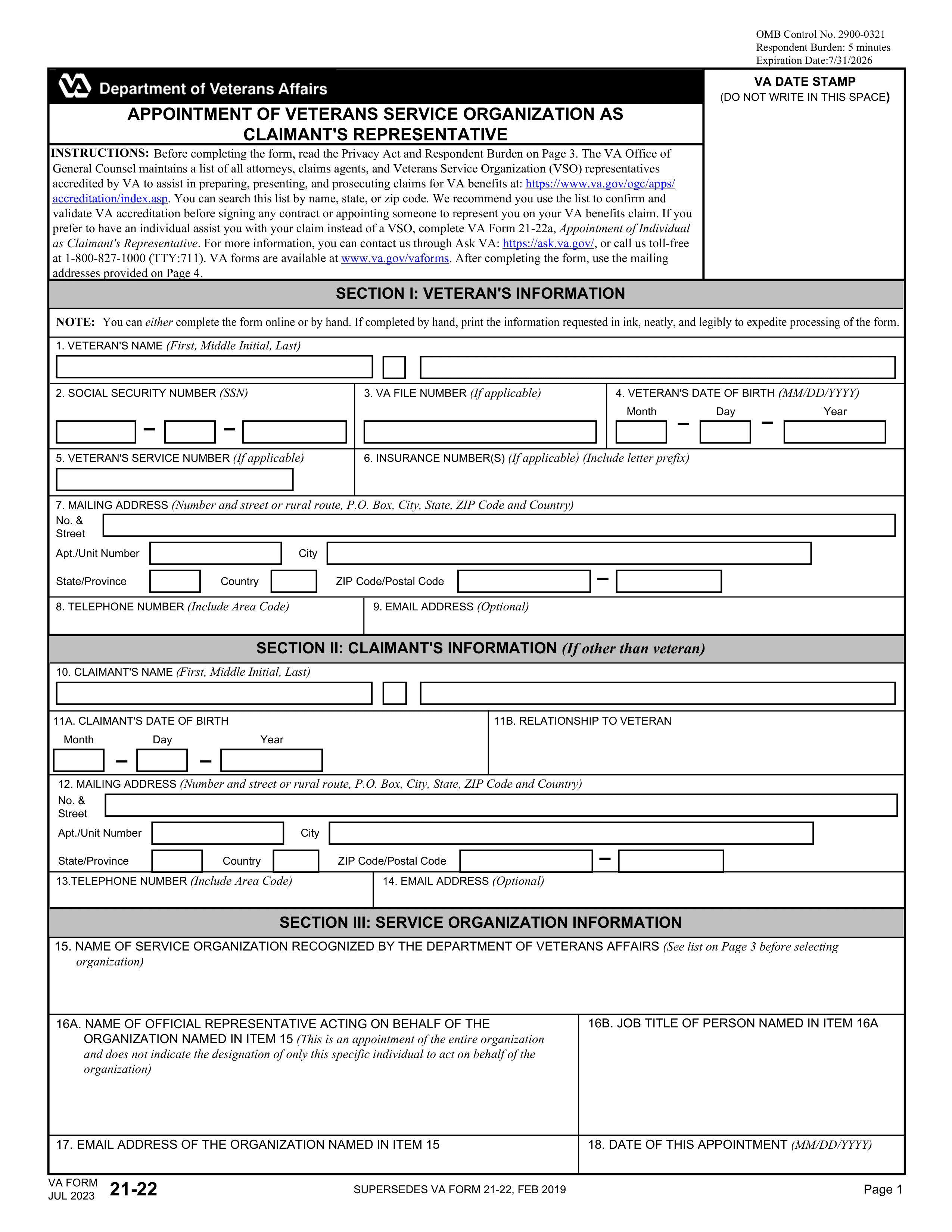
Veteran-focused review platforms provide a essential mechanism for members of the military community to share experiences, evaluate service providers, and assess products tailored to their unique needs. By synthesizing peer-to-peer feedback, veterans can make informed decisions regarding education benefits, healthcare services, transition programs, and consumer goods, ensuring that the services they select are vetted by those who share a similar background and standard of accountability.
In an landscape where veterans are often targeted by specialized marketing, navigating "all veteran reviews for veterans" requires a systematic approach. This guide examines how to identify reliable review sources, interpret sentiment within the veteran community, and use these evaluations to optimize personal and professional outcomes.
Understanding the Purpose of Veteran-Centric Reviews
The primary intent of veteran-centric reviews is to provide transparency in a market that can be difficult to audit from the outside. Unlike general consumer reviews, veteran reviews often focus on specific pain points relevant to the community: compliance with the GI Bill, the quality of disability claim assistance, and the cultural competence of healthcare providers within the Department of Veterans Affairs (VA) or private networks.
When evaluating a platform or product, the veteran perspective acts as a quality assurance layer. For instance, a university may have high general rankings, but veteran-specific reviews might highlight whether the institution provides adequate support for transfer credits, the availability of a dedicated Veterans Resource Center, or the flexibility of scheduling for those still serving in the Guard or Reserve.
Core Categories for Veteran Reviews
To effectively use these resources, it is helpful to categorize the types of services and products that carry the most weight in the veteran community.
Higher Education and Vocational Training
Educational benefits, such as the Post-9/11 GI Bill, represent a significant investment of time and government resources. Reviews here focus on:
- Institutional Support: Is there a dedicated point of contact for VA benefits certification?
- Credit Recognition: How does the institution handle American Council on Education (ACE) transcripts?
- Community Integration: Does the school have an active Student Veterans of America (SVA) chapter?
Healthcare and Wellness
Access to quality care is a top priority. Reviews in this sector typically assess:
- Provider Familiarity: Does the healthcare provider understand service-connected disabilities or the long-term effects of deployment?
- Accessibility: Are clinics located within reasonable distance, or are telehealth options robust?
- Navigational Ease: How effectively does the clinic coordinate with VA community care programs?
Financial Services and Insurance
Veterans are frequently targets for predatory lending or specialized insurance products. Reviews help distinguish between legitimate veteran-owned or veteran-friendly businesses and companies that merely use "patriotism" as a marketing veneer. Key metrics include:
- Underwriting Transparency: Are the terms clearly stated without hidden "veteran-exclusive" fees?
- Customer Service: Does the company respond to claims with efficiency and respect for the policyholder’s military history?
Verification Standards: How to Trust a Review
Not all reviews are created equal. As a user of these platforms in 2026, it is imperative to distinguish between verified experiences and incentivized content.
Identifying Verified Feedback
Look for platforms that require proof of service before allowing a user to post a review. Platforms that integrate with authentication services (such as those that verify status through the VA or DD-214 validation) offer a much higher degree of credibility. A review written by a "Verified Veteran" is statistically more likely to be representative of the actual service experience than an anonymous online comment.
Assessing Sentiment Patterns
A single bad review should not disqualify a service, but a pattern of negative sentiment across multiple platforms often indicates a systemic issue. When reading reviews:
- Look for Specifics: A review that details the "how" and "why"—such as a specific failure in a billing department or a successful interaction with a transition counselor—is more valuable than a generic five-star rating.
- Evaluate Recency: In 2026, a review from 2018 may no longer be relevant due to changes in leadership, policy, or business ownership. Prioritize feedback from the last 18 to 24 months.
Comparison Framework for Veteran Services
When selecting between providers, consider using a standardized comparison grid. This helps remove the emotional bias of a single review and allows for an objective look at value.
| Service Feature | Essential Criteria | Red Flag Indicator |
|---|---|---|
| Certification | Official accreditation or VA-approved status | Claims of "guaranteed" approval/benefits |
| Veteran Staffing | Dedicated staff with military service history | High turnover in veteran-support departments |
| Ease of Access | Simple online portals and direct phone support | Excessive bureaucratic hurdles to speak to a human |
| Cost Transparency | Fixed, clear pricing or no-cost services | Pressure to sign contracts without review |
| Peer Sentiment | Consistent, detailed positive reviews | Vague, repetitive, or "too perfect" testimonials |
Common Pitfalls When Using Review Sites
Even with the best intentions, veterans can fall into traps when navigating review landscapes.
The "Patriotism Bias"
Some businesses cultivate an image of being veteran-friendly to gain trust, even if their actual service quality is poor. Do not equate a flag-heavy website or the usage of military-themed slogans with the quality of the product or service. Always verify the underlying business operations independently of their branding.
Ignoring Local vs. National Variations
A company may have excellent national ratings but poor local execution. For organizations with multiple locations (such as universities or healthcare networks), ensure the reviews you are reading correspond to the specific branch or office you plan to use.
Over-Reliance on Aggregate Scores
Aggregate scores can be easily manipulated by artificial review inflation. Dig into the written comments. If a company has a 4.8-star rating but the written reviews express frustration with the same specific process, prioritize that anecdotal evidence over the numerical average.
Next Actions for Informed Decision Making
To ensure you are getting the most out of your research, follow these steps when evaluating any service intended for the veteran community:
- Cross-Reference Platforms: Do not rely on a single site. Check the Better Business Bureau (BBB) for formal complaints, alongside veteran-specific forums and specialized social media groups.
- Contact the Entity Directly: Use your research to prepare specific questions. For example, if reviews indicate issues with a school's credit transfer, ask the registrar specifically how they handle your military transcript before applying.
- Contribute Your Own Data: Once you have utilized a service, leave a detailed, objective review. Your feedback is the component that makes these systems work for the next veteran coming behind you.
- Report Predatory Practices: If you encounter a company that uses deceptive marketing to target veterans, report it to the Federal Trade Commission (FTC) or your state's Attorney General.
Frequently Asked Questions
Where can I find the most reliable veteran-specific reviews?
The most reliable sources are often niche forums, veteran-focused non-profits, and government-affiliated resource sites. Platforms like the VA’s own facility feedback tools provide data directly from verified patients, offering a level of oversight that third-party, general-purpose review sites lack.
How do I know if a company is truly "veteran-owned" or just using the label for marketing?
Look for certification from organizations like the National Veteran Business Development Council (NVBDC). Truly veteran-owned businesses are often transparent about their ownership and will provide details about their service history and commitment to the community.
Should I trust reviews on social media groups?
Social media provides real-time, grassroots insights that official channels may miss. However, these groups are susceptible to echo chambers. Use social media to gather opinions, but treat them as a starting point for further investigation rather than final proof of quality.
What should I do if my experience contradicts the positive reviews I read?
First, address the issue directly with the service provider’s management. If the issue remains unresolved, document your experience clearly and post a detailed review. Providing a balanced account helps others recognize the potential issue while holding the provider accountable for their service standards.
Are there any risks to sharing my experiences online?
While sharing your story is valuable, be mindful of privacy. Never share your Social Security number, specific VA claim file numbers, or sensitive medical information in public review forums. Keep your feedback focused on the quality of service provided rather than the specifics of your personal file.
How do I distinguish between a bot-generated review and a human one?
Bot reviews often use repetitive phrases, generic praise, or nonsensical context. If a review lacks specific details about the interaction, uses awkward syntax, or seems disconnected from the actual service offered, treat it with significant skepticism.
By utilizing these verification strategies, you ensure that your choices are supported by evidence-based feedback from peers who have navigated the same path. In 2026, informed decision-making remains the most effective tool for protecting your benefits and selecting services that honor your commitment and status.