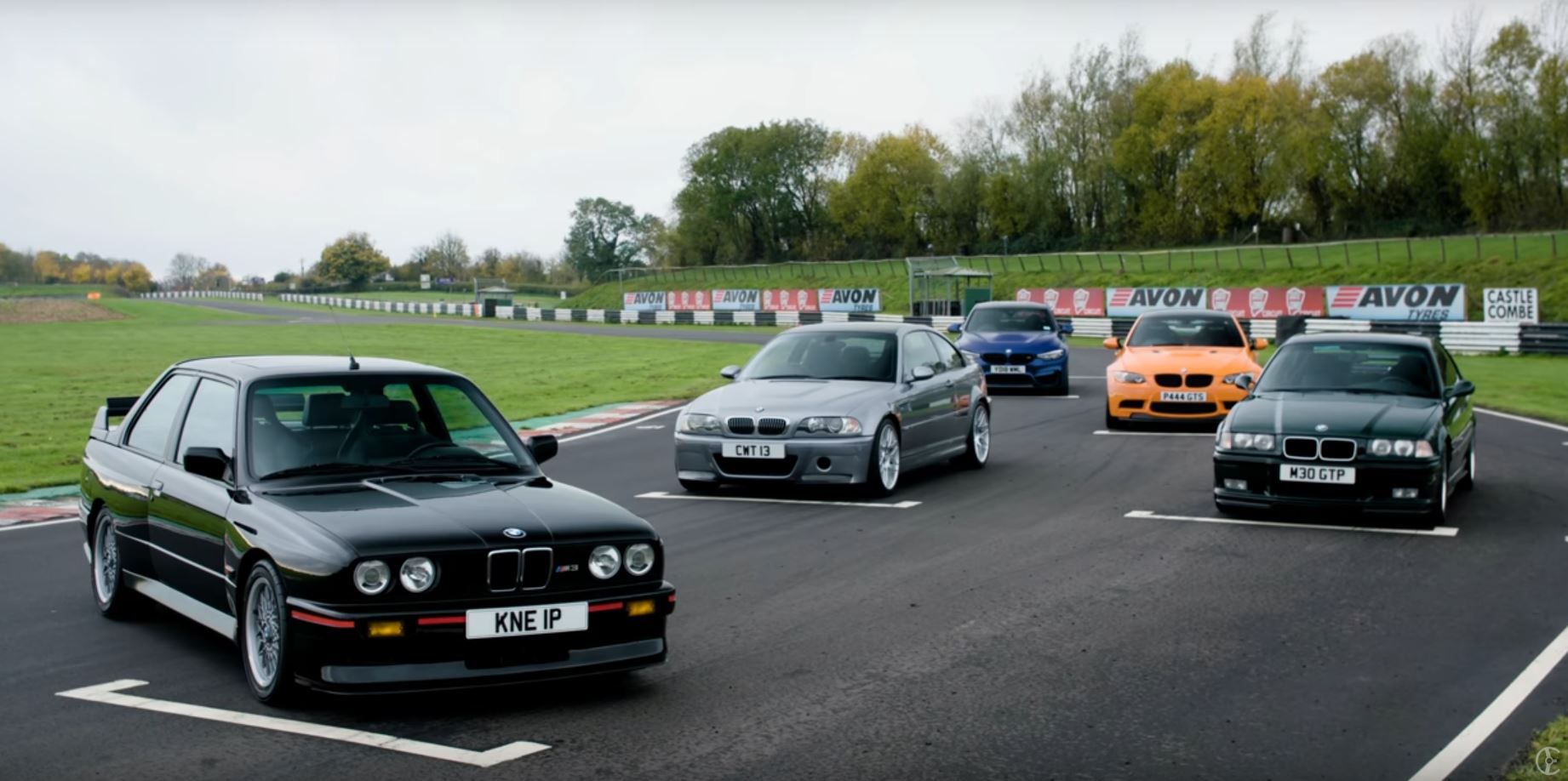
BMW generations are defined by internal chassis codes that categorize the technological and design evolution of specific model lines, such as the 3 Series (E21 to G20) and 5 Series (E12 to G60). Since the 1960s, BMW has transitioned from "E" (Entwicklung) codes to "F" and "G" designations, and as of 2026, into the revolutionary "Neue Klasse" platform.
Understanding the BMW Generation Coding System
To navigate all BMW generations, one must first understand the nomenclature used by the Bavarian manufacturer. For decades, BMW utilized the "E" code, standing for Entwicklung (German for development). These codes—like the legendary E30 or E39—represented a specific chassis design and production run.
As the portfolio expanded and the "E" numbers approached 100, BMW transitioned to "F" codes around 2008 (starting with the F01 7 Series) and subsequently to "G" codes in the mid-2010s. In the current 2026 landscape, we are witnessing the emergence of the Neue Klasse (New Class) architecture, which represents a structural shift toward electric-first design, moving away from the sequential letter-number system for some specific global platforms.
Each generation typically spans seven years. During this lifecycle, a "Life Cycle Impulse" (LCI) occurs—BMW’s term for a mid-generation facelift involving updated lighting, revised bumpers, and often, upgraded infotainment or engine efficiency.
The 3 Series: The Heart of BMW Generations
The 3 Series is the quintessential sport sedan and the most recognizable lineage in the BMW portfolio. It defined the "Ultimate Driving Machine" ethos.
The Analog Foundations (E21, E30, E36)
The E21 (1975–1983) was the first official 3 Series, succeeding the 02 Series. It established the driver-centric cockpit, a hallmark that remains today. However, it was the E30 (1982–1994) that achieved cult status. It introduced the first M3 and offered all-wheel drive for the first time. The E30's boxy silhouette and hydraulic steering are still the benchmarks for "road feel."
The E36 (1990–2000) brought a significant jump in size and complexity. It introduced the "Z-axle" multi-link rear suspension and streamlined the body with "aeroflow" headlights, moving away from the classic round separate lamps.
The Perfection of the Formula (E46, E90)
The E46 (1997–2006) is often cited by enthusiasts as the peak of the 3 Series generations. It balanced weight, power (with the legendary M54 and S54 straight-six engines), and interior quality. It was followed by the E90/E91/E92/E93 (2005–2013), which saw the introduction of run-flat tires, the iDrive infotainment system, and the first turbocharged gasoline engines in the 335i (N54/N55).
The Modern Era (F30, G20, and the 2026 Transition)
The F30 (2012–2019) marked the end of naturally aspirated engines for the 3 Series, moving entirely to BMW TwinPower Turbo technology. It also saw the coupe and convertible split off into the 4 Series (F32).
The G20 (2019–2026) brought the 3 Series back to its sporty roots with a stiffer chassis and advanced driver assistance systems (ADAS). As we stand in 2026, the G20 has transitioned into its final production years as the brand prepares to launch the Neue Klasse 3 Series, which focuses on "Gen 6" battery technology and a minimalist interior design.
The 5 Series: Executive Excellence
While the 3 Series focused on agility, the 5 Series generations evolved to master the balance between executive comfort and high-speed stability.
- E12 (1972–1981): The first 5 Series, designed by Marcello Gandini at Bertone.
- E28 (1981–1988): Famous for introducing the first-ever M5, which was the fastest production sedan in the world at its launch.
- E34 (1987–1996): Known for extreme durability and the introduction of V8 engines (M60) to the mid-range lineup.
- E39 (1995–2003): Widely regarded as one of the best cars ever built, the E39 used extensive aluminum suspension components to reduce unsprung weight, providing a ride quality that many modern cars still struggle to match.
- E60 (2003–2010): A radical departure in design under Chris Bangle. It featured the "Flame Surfacing" aesthetic and the incredible S85 V10 engine in the M5.
- F10 (2010–2017) & G30 (2017–2023): These generations focused on efficiency and digitization. The G30, in particular, utilized "Carbon Core" technology (learned from the 7 Series) to drop weight despite being larger.
- G60 (2024–Present): The current generation in 2026, which hosts the fully electric i5 alongside traditional combustion and plug-in hybrid powertrains.
The 7 Series: The Luxury Flagship
The 7 Series has always been the pioneer for BMW’s newest technologies, which eventually trickle down to the smaller models.
The E23 (1977–1986) introduced ABS and on-board computers. The E32 (1986–1994) was the first German car post-WWII to feature a V12 engine. Perhaps the most beloved is the E38 (1994–2001), known for its timeless, slender proportions and appearance in major cinema.
The E65 (2001–2008) was controversial for its "Bangle Butt" rear styling and the first-generation iDrive, which was initially criticized for its complexity but set the standard for modern automotive UI.
The G70 (2023–Present) represents the current 2026 pinnacle of BMW luxury. It features the 31-inch Theater Screen for rear passengers and is the first 7 Series to offer a fully electric variant, the i7, developed simultaneously with the internal combustion version to ensure no compromise in interior space.
Comparison of Landmark BMW Generations
| Generation Code | Model Series | Era | Key Innovation/Feature |
|---|---|---|---|
| E30 | 3 Series | 1982–1994 | First M3; All-wheel drive (325ix) |
| E39 | 5 Series | 1995–2003 | Near-perfect 50/50 weight distribution |
| E53 | X5 | 1999–2006 | BMW’s first "Sport Activity Vehicle" (SUV) |
| E90 | 3 Series | 2005–2013 | Introduction of iDrive to the 3 Series |
| F10 | 5 Series | 2010–2017 | Transition to ubiquitous turbocharging |
| G20 | 3 Series | 2019–Present | Integrated Curved Display & OS 8.5/9.0 |
| G70 | 7 Series | 2023–Present | BMW Theater Screen and i7 EV platform |
The Rise of the X-Series (SAVs)
BMW redefined the SUV as a "Sport Activity Vehicle" (SAV) with the launch of the E53 X5 in 1999. Unlike the body-on-frame SUVs of the time, the X5 used a unibody chassis, allowing it to handle like a 5 Series sedan.
- X1 (E84, F48, U11): Transitioned from a rear-wheel-drive platform (E84) to a space-efficient front-wheel-drive/AWD architecture (F48). The current U11 generation offers the iX1 electric variant.
- X3 (E83, F25, G01, G45): The G01 was a massive success for BMW, becoming one of its best-selling vehicles globally. In 2025/2026, the G45 has taken over with more aggressive styling and integrated hybrid tech.
- X5 (E53, E70, F15, G05): The G05 X5 remains the gold standard for mid-size luxury SUVs, particularly the xDrive50e plug-in hybrid, which offers significant electric-only range in the 2026 market.
The Performance Heritage: BMW M Generations
Every generation of BMW road cars has been mirrored by a high-performance "M" counterpart. The M division (originally BMW Motorsport GmbH) takes the standard chassis and replaces or reinforces nearly every component.
A key distinction in M generations is the engine. For example, the M3 transitioned from a 4-cylinder (E30) to a straight-6 (E36/E46), then to a high-revving V8 (E92), and back to a twin-turbocharged straight-6 (F80/G80). In 2026, the M division is embracing electrification, as seen in the XM and the new M5 (G90), which utilizes a hybrid V8 system to produce unprecedented torque figures while allowing for silent city driving.
Engineering Evolution: From Iron to Carbon
The technical depth of BMW generations is best seen in their material science. The E-series cars relied heavily on steel and iron. Starting with the E60 5 Series, BMW began using aluminum front structures joined to steel passenger cells to optimize weight distribution.
By the time the i3 (I01) and i8 (I12) were released, BMW had mastered Carbon Fiber Reinforced Plastic (CFRP) in mass production. This "Carbon Core" technology was then applied to the G11 7 Series. In 2026, the focus has shifted toward "Secondary Materials"—recycled aluminum and plastic—as the Neue Klasse generations prioritize sustainability alongside performance.
Common Questions About BMW Generations
What does the "E" stand for in BMW codes?
The "E" stands for Entwicklung, the German word for development. It was used from the 1960s until approximately 2008. Each E-code was assigned to a project at its inception, which is why the codes are not always perfectly sequential in terms of market release.
Which BMW generation is considered the most reliable?
While reliability varies by engine choice, the E90 3 Series (with the N52 naturally aspirated engine) and the G30 5 Series (with the B58 engine) are highly regarded. The B58 straight-six, found in many "G" generation cars, has gained a reputation as one of the most robust and over-engineered engines BMW has produced in the last two decades.
How can I find my BMW’s generation code?
You can identify your car's generation by looking at the VIN or checking the manufacturing year and model series. Most enthusiast communities and BMW parts sites allow you to enter your year and model to reveal the specific chassis code (e.g., a 2015 3 Series Sedan is an F30).
What is the difference between an LCI and a new generation?
A new generation is a complete ground-up redesign of the chassis, engine options, and body. An LCI (Life Cycle Impulse) is a mid-cycle update that usually occurs 3.5 to 4 years into the production run. LCIs generally feature updated infotainment software, different headlight signatures, and occasional mechanical refinements to address early-generation issues.
Are all 2026 BMWs electric?
No, as of 2026, BMW maintains a "Power of Choice" strategy. While the Neue Klasse represents the future of the brand's electric vehicles, BMW continues to produce highly efficient internal combustion and plug-in hybrid versions of the 3 Series, 5 Series, and X-models to cater to global markets with varying charging infrastructures.
Summary of Next Actions for Buyers and Enthusiasts
When researching BMW generations, your focus should depend on your goal. If you are a collector, look toward the "Analog Era" (E30, E38, E46) where mechanical purity is at its peak. Ensure that you verify the cooling system and bushing health, as these are common aging points for those generations.
If you are a daily driver in 2026, the G-generation vehicles (like the G20 3 Series or G05 X5) offer the best balance of modern safety, the B58 engine's reliability, and contemporary connectivity via iDrive 8.5 or 9.0. Always check the service history for oil change intervals, as BMW’s "Condition Based Service" (CBS) can sometimes extend intervals longer than what enthusiasts recommend for long-term engine health.
For those looking at the future, the 2026 Neue Klasse models are the entry point into BMW’s next century, offering a completely different user interface (Panoramic Vision) and significantly faster charging speeds than previous "i" branded generations.