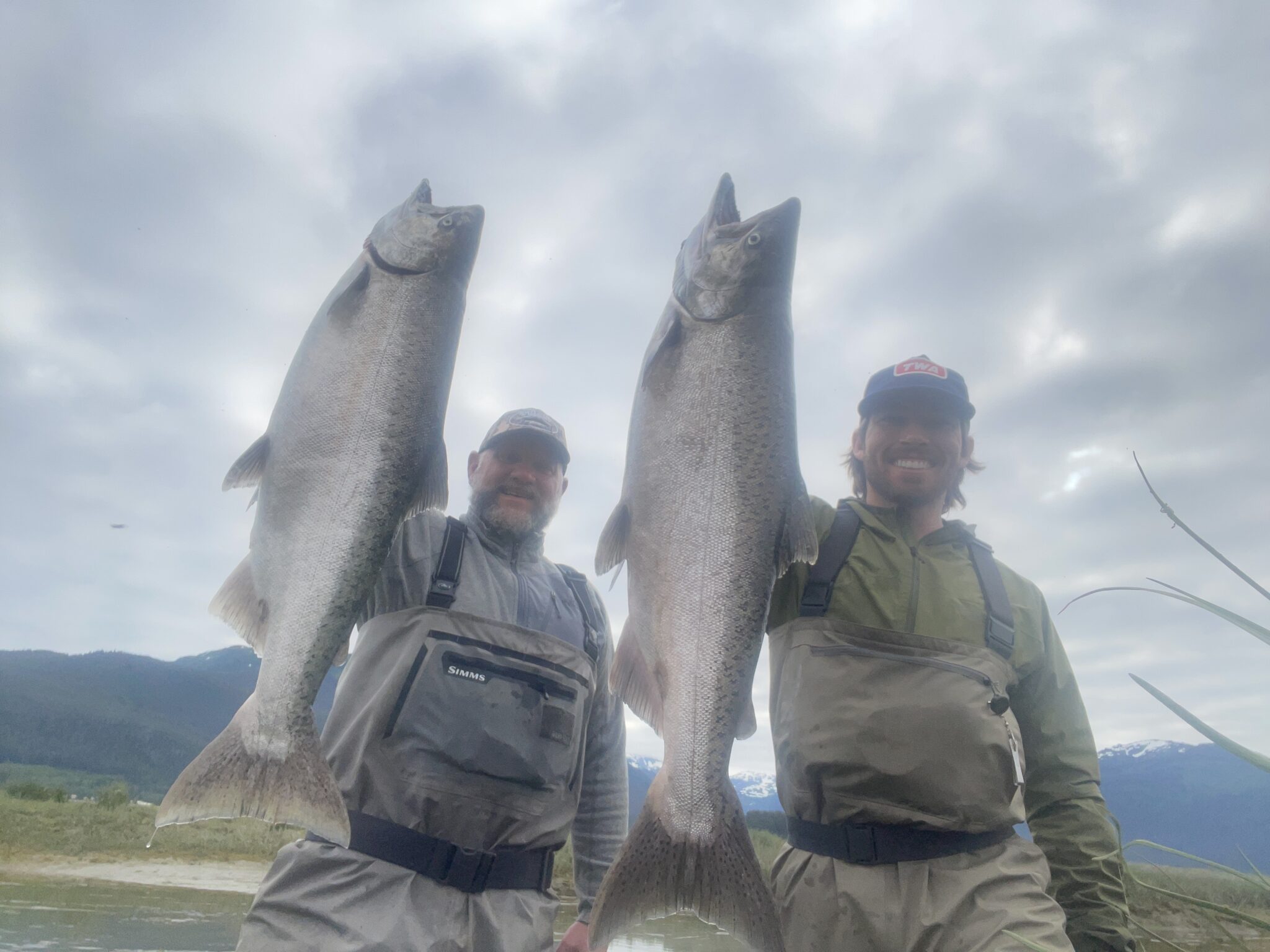
Achieving success with Alaska king salmon requires a combination of precise seasonal timing, location-specific technical expertise, and rigorous adherence to the Alaska Department of Fish and Game (ADF&G) management protocols. Serious anglers must master specialized heavy-tackle drift fishing, bait presentation, and tidal cycle analysis to navigate the challenging, high-stakes environment of Alaska’s remote river systems and coastal estuaries.
Understanding the Alaska King Salmon Lifecycle and Habitat
To target king salmon (Oncorhynchus tshawytscha), or Chinook, the serious angler must move beyond basic fishing tactics and engage with the biology of the species. King salmon are the largest and most prized of the Pacific salmon. They are anadromous, spending their adult lives in the ocean before returning to freshwater to spawn.
For the angler, this cycle dictates the behavior of the fish. Upon entering river systems, kings are aggressive but highly sensitive to water temperatures, dissolved oxygen levels, and flow velocity. They occupy specific "lanes"—deep, slow-moving sections of the river behind obstacles like boulders or sunken logs—where they can conserve energy for the upstream migration. Recognizing these "holding" structures is the primary technical skill required to move from an occasional hookup to consistent productivity.
Regulatory Compliance and Ethical Stewardship
In 2026, Alaska fishing regulations are among the most stringent in the world to ensure population sustainability. The ADF&G frequently issues Emergency Orders (EOs) that can close specific drainages, mandate catch-and-release, or prohibit the use of bait with little notice.
Before booking a trip or arriving on the bank, you must verify the status of the specific river drainage via the ADF&G Fish Regulation portal. Ignoring these guidelines is not merely a violation of law; it disrupts local conservation efforts and can lead to the closure of fisheries. Serious anglers practice "best handling" techniques for catch-and-release, which include using single-hook barbless gear, minimizing the time the fish spends out of the water, and ensuring the fish is fully revived in the current before release.
Technical Tackle and Gear Selection
The "serious" designation implies an investment in gear that can handle the sheer power of a 30 to 50-pound Chinook. When fishing in heavy current, your equipment must be balanced to provide both sensitivity and stopping power.
Recommended Heavy-Tackle Configuration
- Rod: A 9’ to 10’6” medium-heavy or heavy power casting rod with a fast action. This provides the backbone needed to fight the fish against the current while maintaining a sensitive tip to detect subtle bites.
- Reel: A high-capacity baitcasting or level-wind reel capable of holding at least 200 yards of 50-65 lb braided line. A high-quality drag system is non-negotiable, as an improperly calibrated drag will snap your leader on the first run.
- Leader: Fluorocarbon leaders in the 30-50 lb test range are standard. Because kings have sharp gill plates and often roll, a slightly heavier leader is better than a light one that snaps during the final stages of the fight.
Advanced Presentation Techniques
The most effective way to target king salmon in moving water is "back-trolling" or "back-drifting." This technique allows the angler to keep their bait at the same speed as the current, or slightly slower, ensuring it remains in the "strike zone" near the bottom where the fish reside.
The Back-Trolling Strategy
- Bottom Bouncing: Use a three-way swivel setup. Attach your main line to one eye, a dropper line with a weight to the second, and a long leader with your lure or bait to the third. The weight should be just heavy enough to tick the bottom occasionally.
- Bait Tuning: Whether using cured salmon roe, spinners, or plugs, the presentation must look natural. If using bait, it must be cured correctly to hold its color and scent in the water for extended periods.
- Tidal Syncing: In coastal rivers, king salmon movement is heavily influenced by tides. Anglers often find that the first three hours of an incoming tide provide the best movement of "fresh" fish into the lower river.
Comparison of Fishing Environments
Serious anglers must choose their destination based on their preferred fishing style and the desired difficulty level.
| Location Type | Primary Tactics | Pros | Cons |
|---|---|---|---|
| Glacial Fed Rivers | Back-trolling, Plugs | High volume of fish | Murky water, unpredictable flows |
| Coastal Estuaries | Drift fishing, Spoons | Access to "bright" ocean fish | Tidal-dependent, high winds |
| Remote Tributaries | Sight fishing, Streamers | Solitude, technical challenge | Requires bush plane or boat access |
Common Mistakes and Troubleshooting
The most frequent error among visiting anglers is "over-fishing" a spot. If you haven't received a strike after 30 minutes in a prime location, the fish likely aren't there, or they have been spooked. Do not waste time in "dead" water.
Another common mistake is failing to sharpen hooks. King salmon have bony, tough mouths; a dull hook will result in a lost fish 90% of the time. Always carry a file and sharpen your hooks every few hours of casting. If you lose a fish, inspect your leader immediately for nicks—caused by rocks or the fish's teeth—and replace the leader if you feel any roughness.
Frequently Asked Questions
What is the best month to target king salmon in Alaska? Peak season varies by geography but typically runs from late May through July. Southern regions (like the Kenai Peninsula) often see early runs in May, while northern and western river systems peak in mid-to-late June. Always check current year run-timing data from the ADF&G.
Is fly fishing for king salmon effective? Yes, but it is highly technical. It requires 10-12 weight rods and heavy sinking lines to reach the depth of the fish. It is widely considered one of the most challenging forms of salmon fishing due to the equipment required to fight a large fish in heavy current.
Do I need a professional guide? For the "serious angler" visiting for the first time, a guide is strongly recommended for the first few days. Navigating the legal, safety, and logistical complexities of Alaska’s wilderness—including bear awareness and river navigation—is a full-time task that can detract from your ability to focus on the fishing itself.
What is the most important piece of safety gear? A Coast Guard-approved Personal Flotation Device (PFD). If you are wading, even in seemingly shallow water, the combination of heavy currents, uneven riverbeds, and cold-water shock makes a PFD essential.
Are there size limits for kept king salmon? Yes, and they are strictly enforced. Size limits (slot limits) are used to protect larger spawning-age fish. You must consult the specific regulations for the river or marine area you are fishing, as these rules change based on the health of the specific run.
Final Recommendation for the Serious Angler
To maximize your potential for a trophy Chinook in 2026, focus your efforts on learning a single, specific drainage rather than attempting to sample multiple rivers. Study the bathymetry, monitor the sonar counts provided by the ADF&G, and invest in high-quality terminal tackle. The "serious" approach is defined by preparation—the gear you bring, the research you conduct, and your respect for the river system you occupy. Success in Alaska is rarely about luck; it is about being in the right water with the right presentation when the tide turns.