Alaska Airlines is not a member of the Star Alliance; instead, it is a proud and founding member of the oneworld alliance, which it joined in March 2021. Rather than partnering with global giants like Lufthansa, United Airlines, and Singapore Airlines under the Star Alliance umbrella, Alaska anchors its international network through deep bilateral partnerships and its integration into the oneworld ecosystem alongside carriers like American Airlines, British Airways, and Japan Airlines.
Understanding why Alaska Airlines is not in the Star Alliance requires examining the historical evolution of airline alliances, strategic competitive positioning, geographic hub synergies, and frequent flyer loyalty structures. For travelers navigating miles redemption, elite status matching, lounge access, and code-share flights, knowing these alliance boundaries is essential for maximizing travel value. This comprehensive guide details why Alaska operates outside the Star Alliance, how its membership in oneworld shapes its operations, and what these network alignments mean for your next flight.
The Landscape of Global Airline Alliances
Global airline alliances—Star Alliance, oneworld, and SkyTeam—were created to streamline international travel, expand route networks, and pool resources through code-sharing, joint purchasing, and reciprocal frequent flyer benefits. Understanding the structural separation of Alaska Airlines requires a look at how these three major blocks dominate global aviation.
Star Alliance
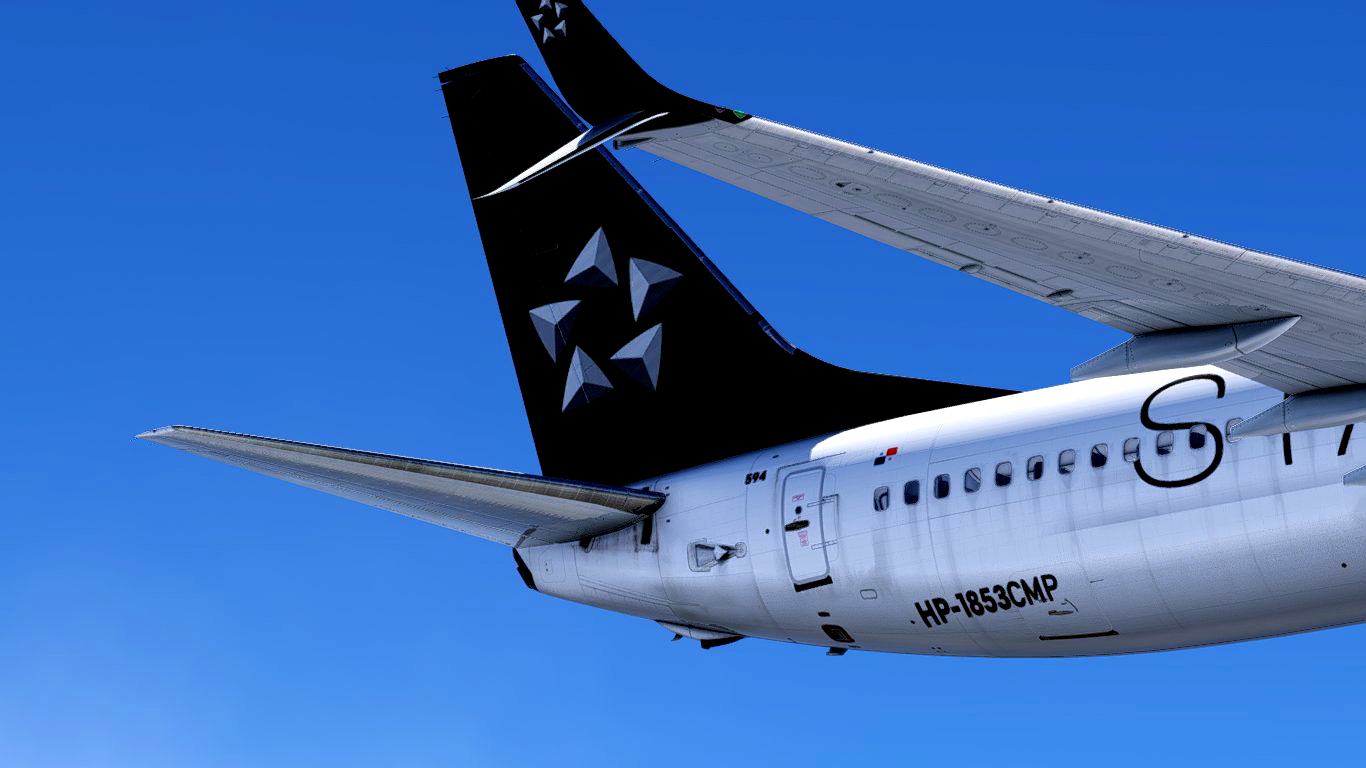
Founded in 1997 by United Airlines, Scandinavian Airlines (SAS), Thai Airways, Air Canada, and Lufthansa, Star Alliance is the world's largest global airline alliance. It boasts over 25 member airlines serving more than 1,200 airports worldwide. The alliance emphasizes seamless connections across major global hubs in North America, Europe, Asia, and Latin America. Key members include United Airlines, Lufthansa, Air Canada, ANA, and Singapore Airlines.
oneworld Alliance
Launched in 1999, oneworld is the third-largest global alliance by passenger volume but is renowned for its premium carrier lineup. Founding members included American Airlines, British Airways, Cathay Pacific, and Qantas. Over the decades, the alliance has expanded to include major regional and global players such as Qatar Airways, Japan Airlines, Finnair, Iberia, and—most notably for North American travelers—Alaska Airlines.
SkyTeam
Formed in 2000, SkyTeam is anchored by Delta Air Lines, Air France, KLM, and Korean Air, among others. While SkyTeam maintains strong transatlantic and transpacific networks, it operates independently of both Star Alliance and oneworld.
| Alliance | Founding Year | Notable North American Members |
|---|---|---|
| Star Alliance | 1997 | United Airlines, Air Canada |
| oneworld | 1999 | American Airlines, Alaska |
| SkyTeam | 2000 | Delta Air Lines |
Why Alaska Airlines Chose oneworld Over Star Alliance
When evaluating network strategies, airlines do not join alliances by accident; every partnership is calculated to maximize revenue, feed regional traffic into long-haul routes, and block competitors from capturing market share. Alaska Airlines historically operated as an independent carrier with an extensive patchwork of bilateral partnerships, allowing it to partner with airlines across all three major global alliances simultaneously. However, as global aviation consolidated, this independent strategy became limiting.
The Influence of American Airlines and Hub Complementarity
The primary catalyst for Alaska Airlines joining an alliance was its deepening relationship with American Airlines, a founding member of oneworld. Prior to joining the alliance, Alaska and American maintained a robust domestic code-share partnership.
When Alaska sought to expand its international footprint—particularly from its primary hub at Seattle-Tacoma International Airport (SEA)—aligning with American Airlines and the broader oneworld network provided immediate access to transatlantic and transpacific gateways without the capital expenditure required to build a massive widebody long-haul fleet from scratch. Because United Airlines (a dominant Star Alliance anchor) already maintained a powerful presence in Pacific Northwest hubs like San Francisco and Denver, aligning with Star Alliance would have put Alaska in direct, friction-filled competition with United on domestic feed routes. Partnering with American under oneworld offered a cleaner geographic and strategic fit.
Avoiding Hub Conflict with United Airlines
United Airlines operates massive hubs along the West Coast, most notably at San Francisco International Airport (SFO) and Los Angeles International Airport (LAX), alongside a powerful footprint in Denver (DEN). Alaska Airlines dominates Seattle (SEA) and maintains strong presences in Portland (PDX), Anchorage (ANC), and secondary West Coast markets.
If Alaska had chosen to enter Star Alliance, it would have created redundancy and operational friction with United Airlines in the exact markets where Alaska holds its highest domestic leverage. By joining oneworld, Alaska complemented American Airlines' hub structure—which leans heavily toward Dallas/Fort Worth (DFW), Charlotte (CLT), Chicago (ORD), Miami (MIA), and New York (JFK)—creating a truly coast-to-coast domestic and international powerhouse that directly counters the United-led Star Alliance dominance on the West Coast.
Practical Implications for Travelers: Miles, Status, and Lounges
Because Alaska Airlines is not in the Star Alliance, passengers cannot leverage Star Alliance benefits when flying on Alaska, nor can they use Star Alliance carrier status for perks on Alaska-operated flights. Navigating these operational boundaries requires understanding how mileage earning, elite tier matching, and lounge access function under the oneworld paradigm.
Frequent Flyer Programs and Mileage Earning
If you hold elite status in a Star Alliance program—such as United MileagePlus, Aeroplan, or Lufthansa Miles & More—you cannot use that status to receive complimentary upgrades, priority boarding, or extra baggage allowances on Alaska Airlines flights.
Conversely, Alaska Mileage Plan members earn and redeem miles across the oneworld network. For example, you can credit flights flown on British Airways, Japan Airlines, or Qatar Airways directly to your Alaska Mileage Plan account, and vice versa. Mileage Plan remains one of the most respected loyalty programs in the industry precisely because of its unique partnership structures, which blend oneworld carriers with high-value independent partners like Icelandair and Condor.
Lounge Access and Airport Amenities
Star Alliance operates branded lounges (such as Star Alliance Lounges at LAX) and relies on member airlines to provide lounge access for eligible business class passengers and high-tier elite members (Star Alliance Gold). Because Alaska is outside this network:
- Star Alliance Gold members do not receive access to Alaska Lounges based solely on their alliance status.
- Alaska Lounge members and eligible oneworld Sapphire and Emerald members utilize Alaska Lounges and partner oneworld lounges according to distinct alliance-wide access rules.
Bilateral Partners Outside the Alliance Framework
One of the most unique aspects of Alaska Airlines' corporate strategy is its historical willingness to maintain partnerships outside its primary global alliance. While airlines in Star Alliance are generally restricted or heavily incentivized to partner almost exclusively within their bloc, Alaska maintains strategic non-alliance partnerships that bridge the gap for travelers.
Prominent non-oneworld partners of Alaska Airlines include:
- Condor: Providing connectivity to leisure destinations in Europe.
- Icelandair: Offering seamless trans-Atlantic connections via Keflavík International Airport.
- STARLUX Airlines: Delivering ultra-luxury long-haul connectivity between North America and Asia.
This hybrid approach allows Alaska to offer its customers niche international connectivity that might otherwise be unavailable if it were strictly bound by the insular rules of a single global alliance like Star Alliance.
Frequently Asked Questions
Can I use United Airlines miles to book flights on Alaska Airlines?
No, you cannot directly redeem United MileagePlus miles for award flights on Alaska Airlines as a standard alliance benefit. Because United is a Star Alliance member and Alaska is in oneworld, their frequent flyer systems operate independently. However, rare historical or residual domestic code-shares do not grant cross-program mileage redemption for award travel.
Does Alaska Airlines have any remaining ties to Star Alliance carriers?
While Alaska is not in Star Alliance, it does maintain limited, isolated commercial agreements or interline ticketing capabilities with certain carriers globally to facilitate baggage transfers and ticketing continuity. However, these do not include reciprocal frequent flyer mileage earning, elite status recognition, or lounge access privileges typical of formal alliance membership.
Will Alaska Airlines ever join the Star Alliance in the future?
Industry analysts consider it highly improbable that Alaska Airlines will switch to Star Alliance. Having invested heavily in its integration into the oneworld alliance alongside American Airlines and key international carriers, Alaska's current network strategy, operational systems, and code-share agreements are deeply entrenched in the oneworld ecosystem.
How does Alaska's elite status compare to Star Alliance Gold?
Alaska Airlines offers three primary elite tiers: MVP, MVP Gold, and MVP Gold 75K/100K. When Alaska joined oneworld, its top tiers were mapped directly to alliance-wide equivalents: MVP Gold and Gold 75K/100K correspond to oneworld Ruby and Sapphire, providing reciprocal lounge access, priority boarding, and baggage benefits across all oneworld member airlines, completely separate from Star Alliance standards.
Conclusion and Next Actions
Alaska Airlines is firmly established as a member of the oneworld alliance and operates completely outside the Star Alliance network. For travelers, this distinction means that Star Alliance loyalty credentials, elite perks, and mileage redemptions cannot be applied to Alaska-operated flights. To maximize your travel experience, audit your current frequent flyer portfolios, credit your flights to Alaska Mileage Plan or a compatible oneworld program, and verify lounge and boarding eligibility against oneworld guidelines before heading to the airport.