The debate surrounding Al Jazeera Israel bias involves complex geopolitical tensions, regulatory actions, and extensive media criticism. Critics and Israeli officials frequently accuse the network of systematic bias, incitement, and alignment with hostile actors, while Al Jazeera and its defenders maintain that its reporting provides vital on-the-ground coverage of military operations, human rights concerns, and civilian impacts in the region.
Introduction to the Al Jazeera Israel Controversy
The discourse surrounding Al Jazeera and its coverage of Israel represents one of the most polarizing topics in modern international media. Founded in 1996 and funded primarily by the Qatari government, Al Jazeera has grown into a dominant global news organization with extensive reach across the Middle East, Europe, and the Americas. However, its reporting on the Israeli-Palestinian conflict and Israeli domestic politics has consistently attracted intense scrutiny.
To understand the allegations of bias, one must examine the intersection of state-funded journalism, geopolitical alignment, editorial frameworks, and regulatory enforcement. This analysis explores the core arguments made by critics of the network, the defenses and editorial policies articulated by Al Jazeera, the operational restrictions and legal actions taken by the Israeli government, and the broader implications for international media standards.
Historical Context and Ownership Structure
Understanding the operational framework of Al Jazeera requires examining its funding and governance model. As a state-backed broadcaster operating out of Doha, Qatar, the network functions within a media ecosystem distinct from Western public broadcasters like the BBC or commercial entities like CNN.
- State Funding: While Al Jazeera English maintains that its editorial independence is legally protected, critics frequently argue that the network's reporting inevitably reflects the foreign policy interests of the Qatari state.
- Regional Positioning: Qatar has historically maintained complex diplomatic relationships, simultaneously hosting Hamas political leadership while engaging in mediation efforts involving Israel, the United States, and other regional powers.
- Expansion into Western Markets: The launch of Al Jazeera English in 2006 and the short-lived AJ+ digital platforms aimed to capture global audiences, presenting a distinct non-Western perspective on international affairs.
These foundational elements shape how the network covers the Middle East. Supporters view this perspective as a necessary counterweight to traditional Western or Israeli media narratives. Conversely, detractors argue that this framework introduces systematic partiality, particularly when reporting on military engagements involving the Israel Defense Forces (IDF).
Core Arguments Supporting Claims of Al Jazeera Bias
Critics of Al Jazeera, including various Israeli government officials, media watchdogs, and independent researchers, argue that the network's coverage goes beyond standard editorial framing into deliberate anti-Israel bias and incitement. These criticisms generally center on several key themes:
1. Editorial Framing and Terminology
A central criticism involves the language used by Al Jazeera reporters and anchors. Critics point to the network's refusal to characterize certain militant factions or acts of violence in the same terms used by Israeli or Western governments. For example, debates often arise over whether individuals killed during military operations or violent clashes are designated as civilians, militants, or combatants.
Furthermore, editorial choices regarding historical framing—such as referencing the establishment of Israel in 1948 as the Nakba (catastrophe) in general reporting contexts—are viewed by critics as undermining the legitimacy of the Israeli state.
2. Amplification of Hostile Rhetoric
Media monitoring organizations have frequently accused Al Jazeera of providing an unfiltered platform to extremist groups, including Hamas, Palestinian Islamic Jihad, and regional actors such as Hezbollah and Iranian officials. Critics argue that broadcasting unverified claims, press conferences, and inflammatory statements from these groups without adequate journalistic skepticism or contextual fact-checking amplifies hostile propaganda.
3. Disproportionate Focus on Israeli Actions
Another frequent criticism is the perceived disproportion in coverage volume and tone. Detractors argue that while Al Jazeera extensively documents Palestinian casualties, humanitarian crises in the Gaza Strip, and West Bank military raids, it allocates significantly less depth and investigative rigor to internal Palestinian political repression, the actions of militant groups, or regional threats directed at Israeli civilians.
| Criticism Category | Primary Argument from Critics | Al Jazeera or Defender Response |
|---|---|---|
| Terminology & Framing | Language minimizes militant violence and delegitimizes Israeli statehood. | Terminology reflects objective humanitarian realities and historical contexts. |
| Platforming Extremists | Uncritical broadcasting of statements from groups like Hamas and Hezbollah. | Providing comprehensive regional coverage requires reporting perspectives from all involved actors. |
| Coverage Disproportion | Heavy focus on Israeli military actions while ignoring internal Palestinian dynamics. | Prioritizing the impact of state military power on civilian populations under occupation. |
| State Influence | Editorial policy aligns with Qatari geopolitical interests and foreign policy goals. | Strict legal and operational firewalls protect newsrooms from direct government interference. |
Al Jazeera’s Defense and Editorial Standards
In response to accusations of bias, Al Jazeera and its defenders maintain that the network adheres to professional journalistic standards, pointing to its Code of Ethics and its stated mission to give "voice to the voiceless."
- On-the-Ground Presence: Al Jazeera is one of the few international networks maintaining a continuous, long-term physical presence in Gaza and the West Bank, allowing it to capture events that other broadcasters cannot easily access.
- Challenging Official Narratives: Defenders argue that the network's primary value lies in its willingness to challenge official Israeli and Western military narratives, providing a crucial check on state power during active conflicts.
- Global Recognition: The network has received numerous international journalism awards for its investigative reporting, documentary filmmaking, and war-zone coverage, which supporters cite as evidence of its professional credibility.
Al Jazeera asserts that accusations of bias are frequently weaponized by political actors seeking to discredit unfavorable reporting or restrict press freedom in conflict zones.
Israeli Regulatory Actions and Legal Bans
The tension between the Israeli government and Al Jazeera culminated in significant legislative and executive actions, particularly following the escalation of hostilities in late 2023.
The Foreign Broadcasters Law
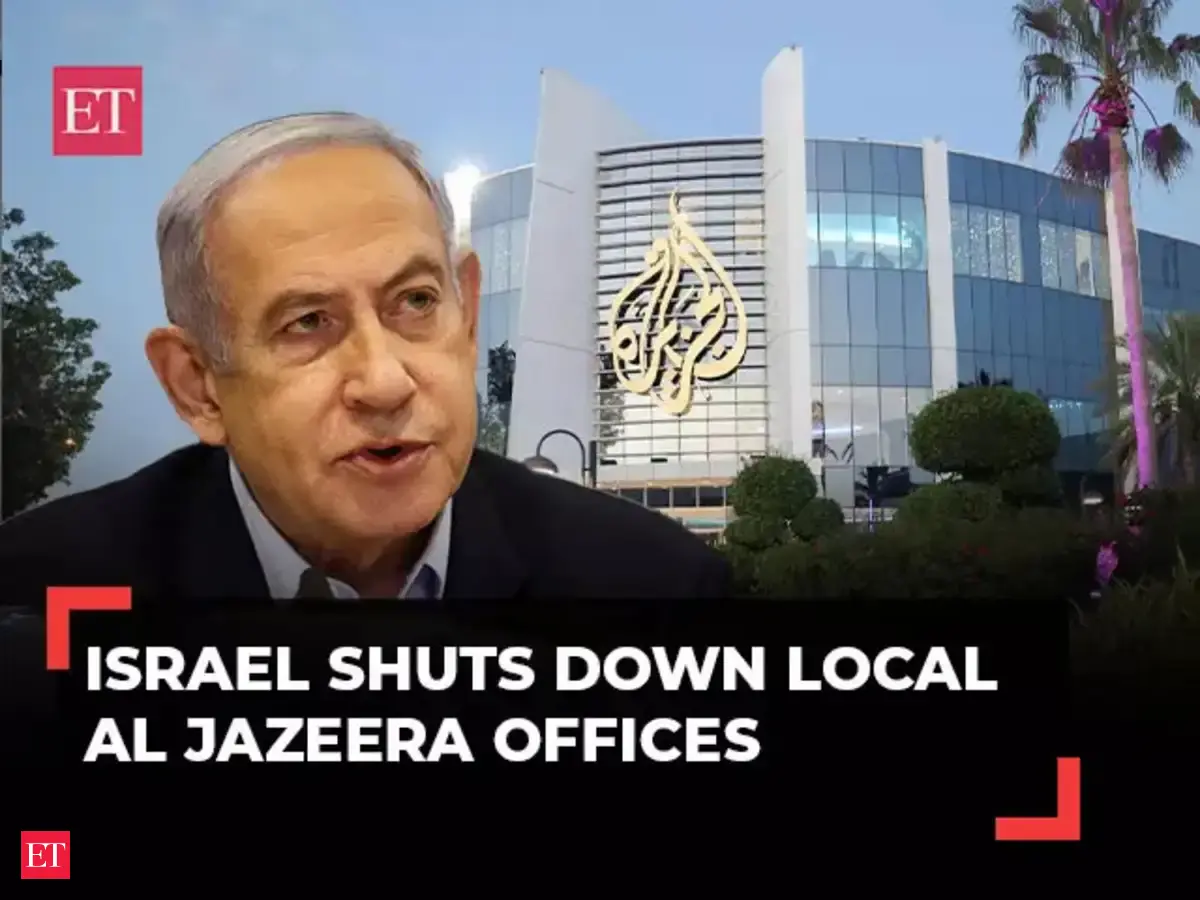
In April 2024, the Israeli Knesset passed legislation—commonly referred to as the "Al Jazeera Law"—granting the Prime Minister and the Communications Minister the authority to temporarily ban foreign news networks deemed to be harming national security. This law empowered authorities to order the closure of local offices, confiscate broadcasting equipment, block website access, and revoke press credentials for journalists working with the targeted network.
Implementation and Shutdown Orders
Acting under this legislation, the Israeli government officially banned Al Jazeera operations within the country in May 2024. Security forces raided the network's temporary broadcast hotel in Jerusalem, seized equipment, and blocked access to its websites and streaming channels within Israeli networks.
The government justified these measures by arguing that Al Jazeera's broadcasts constituted a clear and present danger to state security, compromised troop positions by revealing sensitive operational details, and actively incited violence against Israeli citizens.
Legal and International Reactions
The ban sparked significant debate among international legal scholars, press freedom organizations, and human rights advocates:
- Press Freedom Concerns: Organizations such as the Committee to Protect Journalists (CPJ) and Reporters Without Borders (RSF) condemned the closure, arguing that shutting down news bureaus sets a dangerous precedent for freedom of the press and restricts the public's right to information.
- National Security Arguments: Conversely, Israeli legal defenders and supportive organizations argued that wartime censorship and restrictions on hostile state-backed media are recognized exceptions under international humanitarian and human rights frameworks when national survival and public safety are directly threatened.
Broader Implications for Global Media and Conflict Reporting
The controversy surrounding Al Jazeera and Israel highlights the profound challenges facing journalism in the digital age, particularly during high-intensity asymmetrical conflicts.
- The Weaponization of Information: In modern warfare, the narrative battleground is as critical as the physical battlefield. Media outlets are frequently viewed by governments not merely as observers, but as active participants in the information war.
- The Dilemma of State-Funded Media: The debate underscores ongoing skepticism regarding state-funded international broadcasting. Audiences increasingly demand transparency regarding ownership structures, editorial independence safeguards, and potential conflicts of interest.
- Erosion of Shared Facts: As ideological polarization deepens, the very premise of objective reporting is challenged. Different audiences operating within insulated media ecosystems can view the exact same event through entirely contradictory lenses, making consensus on facts difficult to achieve.
Frequently Asked Questions
Is Al Jazeera banned in Israel?
Yes. The Israeli government enacted legislation allowing the closure of foreign broadcasters deemed harmful to national security, leading to the shutdown of Al Jazeera's local offices, the confiscation of equipment, and the blocking of its digital platforms within Israel.
Who funds Al Jazeera?
Al Jazeera is funded primarily by the government of Qatar through the state-backed Al Jazeera Media Network. While the network maintains that it operates with editorial independence, critics argue its reporting aligns with Qatari foreign policy.
What are the main criticisms of Al Jazeera's coverage of Israel?
Critics accuse the network of systematic anti-Israel bias, uncritical platforming of militant groups like Hamas, biased linguistic framing that delegitimizes the Israeli state, and a disproportionate focus on Israeli military actions while ignoring internal Palestinian issues.
How does Al Jazeera defend its reporting?
Al Jazeera and its defenders argue that the network adheres to high journalistic standards, provides indispensable on-the-ground reporting from conflict zones, and serves as a vital counterweight to dominant Western and official state narratives.
What impact does the Al Jazeera ban have on press freedom?
International press freedom organizations have criticized the ban as a threat to independent journalism and the free flow of information, while Israeli authorities maintain that wartime security imperatives justify restricting broadcasters that compromise national safety.
Conclusion and Next Actions
Evaluating the controversy surrounding Al Jazeera Israel bias requires a nuanced understanding of state media structures, geopolitical loyalties, and the realities of wartime censorship. Readers seeking to navigate this complex media landscape should consult a diverse range of international news sources, examine primary documentation from regulatory bodies and legal challenges, and critically analyze the editorial framing and sourcing of reports concerning the Middle East.