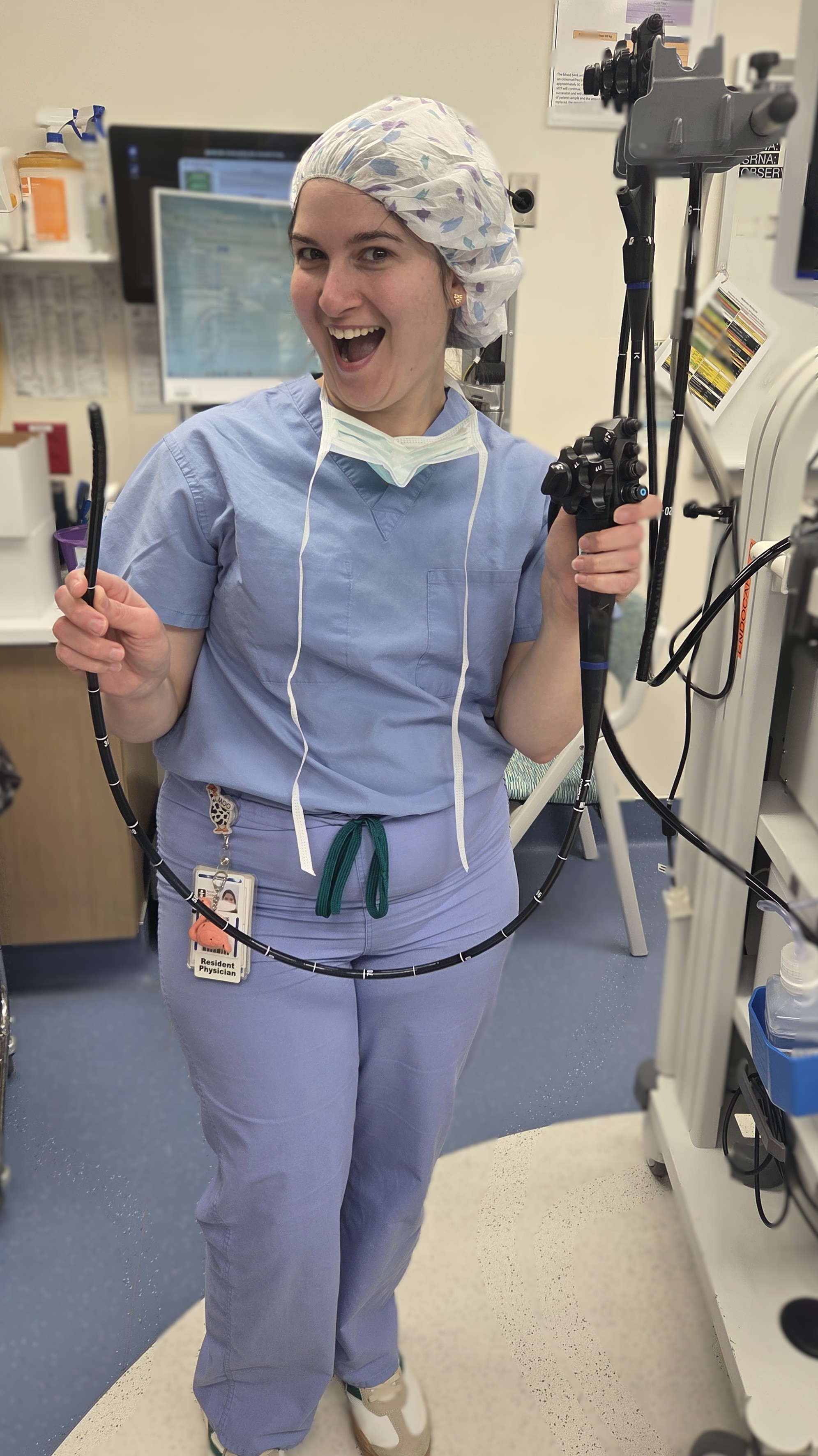
The Cleveland Clinic Akron General (CCAG) Obstetrics and Gynecology Residency is a four-year, ACGME-accredited program designed to train highly competent, compassionate, and clinically versatile physicians. By blending the high-volume clinical environment of a community hospital with the academic rigor and resources of the Cleveland Clinic health system, the program offers a unique "community-academic" hybrid training model. Residents gain extensive surgical experience, exposure to diverse patient populations, and access to world-class research and subspecialty mentorship.
The Evolution of the Akron General OBGYN Training Environment
As of 2026, the Akron General OBGYN residency continues to stand as a cornerstone of medical education in Northeast Ohio. The program’s integration into the Cleveland Clinic health system several years ago has matured, providing residents with a seamless bridge between local community care and global medical innovation. This relationship allows residents to remain based in Akron—a city known for its manageable cost of living and diverse pathology—while utilizing the tertiary and quaternary resources of the main Cleveland Clinic campus.
The program is structured to produce graduates who are equally prepared for immediate entry into private practice or for competitive fellowships in subspecialties such as Maternal-Fetal Medicine (MFM), Gynecologic Oncology, Reproductive Endocrinology and Infertility (REI), and Urogynecology. The philosophy of the department emphasizes progressive autonomy, where residents move from supervised learners to confident primary surgeons and clinical decision-makers over the course of their four-year tenure.
Clinical Curriculum and Rotation Structure
The curriculum at Akron General is meticulously designed to ensure that residents meet and exceed the minimum procedural requirements set by the Accreditation Council for Graduate Medical Education (ACGME). The training follows a PGY-1 through PGY-4 progression, with each year increasing in complexity and leadership responsibility.
PGY-1: Building the Foundations
The intern year focuses on the transition from medical student to physician. Residents spend the majority of their time on the Labor and Delivery (L&D) floor and the benign gynecology service. During this time, they learn the fundamentals of prenatal care, uncomplicated vaginal deliveries, basic cesarean sections, and initial management of gynecologic emergencies.
A significant portion of the PGY-1 year is also dedicated to "Off-Service" rotations that support OBGYN proficiency. These often include:
- Neonatology (NICU): Understanding the care of the newborn, especially those born prematurely.
- Emergency Medicine: Managing acute presentations and stabilizing patients.
- Internal Medicine: Focusing on the medical co-morbidities that frequently complicate pregnancy.
PGY-2: Expanding Surgical Skills and Subspecialties
The second year introduces residents to the complexities of obstetric and gynecologic subspecialties. Residents begin rotations in GYN Oncology and Urogynecology, where they are introduced to more complex pelvic anatomy and the principles of surgical assistantship. This year also typically includes more intensive exposure to ultrasound and maternal-fetal medicine, focusing on high-risk pregnancy management and fetal surveillance.
PGY-3: Intermediate Mastery and Research
By the third year, residents are expected to handle complex surgical cases with increasing independence. This is often the year where residents solidify their robotic surgery skills using the da Vinci Surgical System. Training includes formal simulation and bedside assistant roles before moving into the console role for portions of the procedure. PGY-3 residents also dedicate time to their mandatory research projects, aiming for presentation at regional or national conferences.
PGY-4: The Chief Resident Experience
The final year is defined by leadership and surgical refinement. Chief residents oversee the junior residents and medical students, managing the flow of the L&D deck and the GYN surgery schedule. They serve as the primary surgeon on the most complex cases, including radical hysterectomies for oncology or complex reconstructions in urogynecology. The PGY-4 year is also a time for career preparation, whether that involves interviewing for fellowship positions or securing a post-residency attending role.
Surgical Training and Technology
Akron General is recognized for its robust surgical volume. Unlike programs where residents might struggle to meet "numbers," CCAG residents typically exceed the national averages in several categories:
- Vaginal Surgery: There is a strong emphasis on maintaining the "lost art" of vaginal hysterectomies and repairs.
- Laparoscopy and Robotics: The program integrates the latest minimally invasive technologies. Residents participate in a structured robotic training curriculum that leads to an equivalency certificate upon graduation.
- High-Risk Obstetrics: As a regional referral center, the L&D unit handles high-acuity cases, including placental abnormalities, preeclampsia, and multiple gestations.
The Akron General Simulation Center plays a vital role in this training. Residents participate in regular "drill" sessions for obstetric emergencies (such as shoulder dystocia or postpartum hemorrhage) and use high-fidelity pelvic trainers to practice laparoscopic suturing and cystoscopy.
Research and Academic Opportunities
Research is a non-negotiable component of the residency experience. Cleveland Clinic Akron General provides residents with a dedicated research coordinator and access to biostatisticians. This support system is designed to help residents navigate the Institutional Review Board (IRB) process, design robust studies, and analyze data effectively.
Each resident is required to complete a formal research project or a significant quality improvement (QI) initiative by the end of their third year. Many residents find success publishing their findings in journals such as Obstetrics & Gynecology (The Green Journal) or the American Journal of Obstetrics & Gynecology (The Gray Journal). Furthermore, the affiliation with the Cleveland Clinic Lerner College of Medicine provides additional avenues for academic collaboration.
Resident Wellness and Benefits
The 2026 residency landscape places a heavy emphasis on physician well-being, and Akron General has adapted its program to prevent burnout. The "Night Float" system is utilized to minimize 24-hour shifts, ensuring that residents remain rested and capable of providing safe patient care.
Salary and Financial Benefits (Estimated 2026 Levels)
Residency salaries are adjusted annually to account for inflation and cost-of-living changes. In the Akron area, these salaries provide a high standard of living compared to major metropolitan hubs like New York City or San Francisco.
| PGY Level | Estimated Annual Salary (2026) | Educational Stipend |
|---|---|---|
| PGY-1 | $68,500 | $1,500 |
| PGY-2 | $71,200 | $1,500 |
| PGY-3 | $74,000 | $2,000 |
| PGY-4 | $77,500 | $2,500 |
Note: These figures are estimates based on historical trends and institutional projections.
Additional benefits include:
- Health and Dental Insurance: Comprehensive coverage through the Cleveland Clinic health plan.
- Meal Allowances: Provided for residents while on duty.
- Conference Travel: Funding for residents presenting research at national meetings.
- Wellness Days: Dedicated time off for personal health appointments and mental health.
Application Process and Eligibility
The Akron General OBGYN residency participates in the Electronic Residency Application Service (ERAS) and selects residents through the National Resident Matching Program (NRMP).
Eligibility Requirements
Applicants must have graduated from an accredited medical school (MD or DO). International Medical Graduates (IMGs) must hold a valid ECFMG certificate. While the program is competitive, it utilizes a holistic review process. Key factors include:
- USMLE/COMLEX Scores: While there is no hard cutoff, competitive scores are generally expected.
- Letters of Recommendation: At least three letters, ideally including a Chairman's letter and letters from OBGYN faculty.
- Personal Statement: Evidence of a genuine commitment to the field of women's health.
- Clinical Experience: For IMGs, US-based clinical experience is highly preferred.
The Interview Season
Interviews are typically conducted from October through January. In 2026, the program continues to offer a mix of virtual and occasional in-person "second look" opportunities. The interview day consists of meetings with the Program Director, faculty members, and current residents, designed to assess "fit" within the program’s culture.
Life in Akron, Ohio
Training in Akron offers a unique lifestyle advantage. Known as the "Rubber City," Akron has transformed into a hub for healthcare and polymer science. For a resident, the city offers:
- Affordability: Many residents are able to purchase homes or live in high-end apartments within a short commute to the hospital.
- Cuyahoga Valley National Park: Located just minutes from the hospital, providing miles of hiking, biking, and outdoor recreation.
- Proximity to Cleveland: Residents are only 45 minutes away from the professional sports, world-class museums, and dining of Cleveland.
- Diverse Community: Akron’s population provides a wide range of clinical scenarios, from urban underserved care to suburban obstetric practice.
Frequently Asked Questions (FAQs)
What is the call schedule like at Akron General?
The program primarily uses a Night Float system for the Labor and Delivery unit. This means a dedicated team handles the overnight shifts from Sunday through Thursday, while the weekend shifts are covered by a rotating call schedule. This structure is designed to comply with ACGME duty-hour requirements and improve resident sleep hygiene.
Does the program support fellowship placement?
Yes. Because the program is part of the Cleveland Clinic, residents have access to subspecialists who are leaders in their fields. This networking is invaluable for securing fellowships. In recent years, graduates have matched into competitive MFM, GYN Oncology, and REI programs across the United States.
How much surgical volume can an intern expect?
Interns (PGY-1) at Akron General are hands-on from the first month. They typically serve as the primary surgeon on uncomplicated cesarean sections and perform numerous minor gynecologic procedures like D&Cs and hysteroscopies under supervision. The philosophy is "learning by doing," ensuring that by PGY-2, residents are ready for more advanced laparoscopic work.
Are there opportunities for global health electives?
The Cleveland Clinic system encourages global health initiatives. Residents in good academic standing may have the opportunity to participate in international medical missions or electives, often focusing on surgical outreach in resource-limited settings. These are usually scheduled during the PGY-3 or PGY-4 elective blocks.
What is the relationship between MD and DO residents?
Akron General has a long history of being "osteopathic friendly." The program is fully integrated, and there is no distinction made between MD and DO residents in terms of expectations, training, or opportunities. The program values the diverse perspectives that both backgrounds bring to patient care.
Recommended Next Actions
For medical students entering the 2026-2027 application cycle, the first step is to ensure your ERAS profile is updated with a strong emphasis on your clinical rotations in OBGYN. If you are interested in Akron General, consider reaching out to the program coordinator to inquire about "away rotations" or "sub-internships," as these provide the best opportunity to see the program's culture firsthand.
Prospective applicants should also review the ACGME program requirements to understand the national standards that CCAG adheres to. Keeping a log of your current surgical experiences as a student will also prepare you for the technical discussions often encountered during the residency interview process.