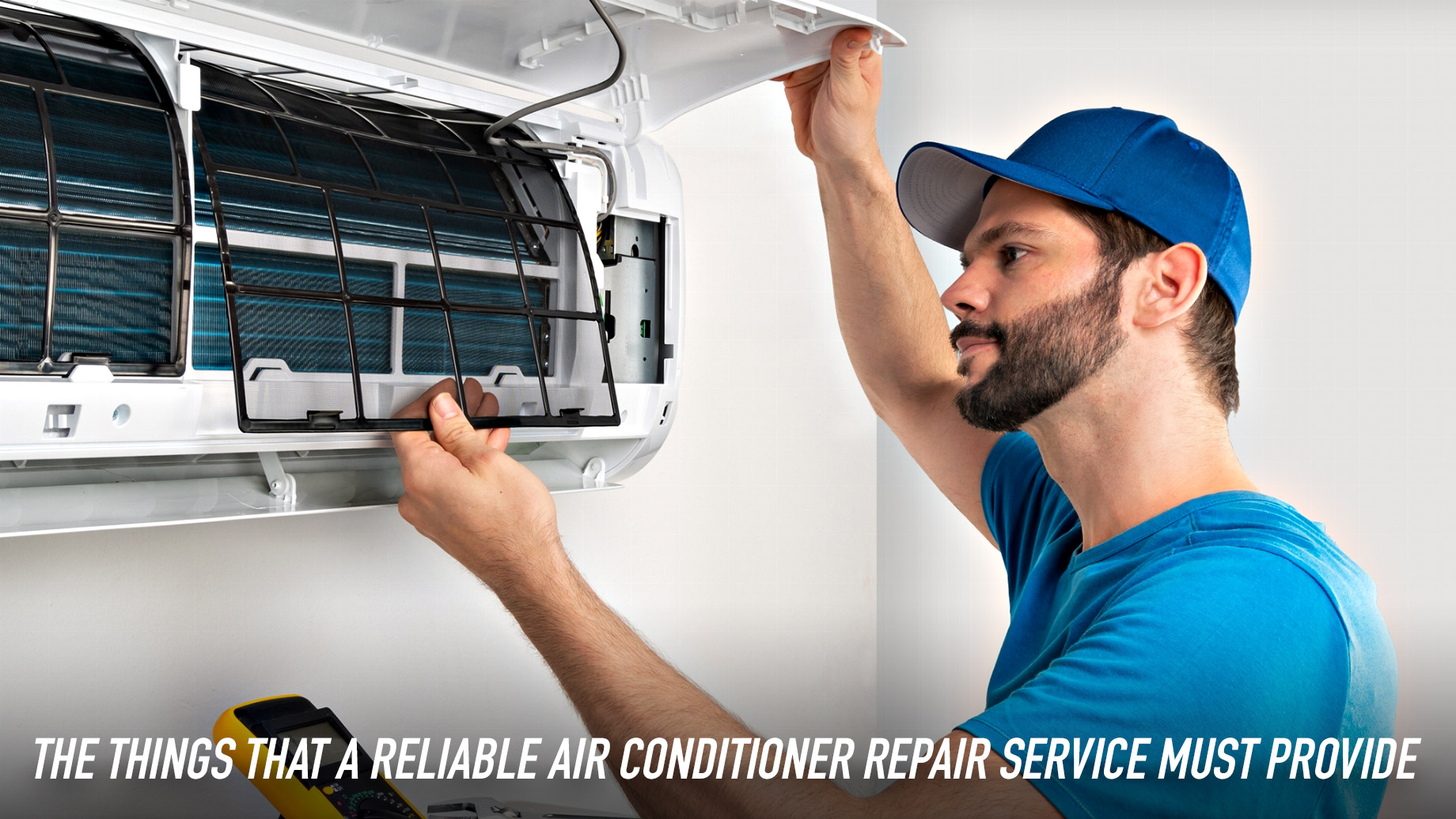
Air conditioning repair in Los Angeles requires hiring a C-20 licensed contractor to navigate high local labor rates and strict California Title 24 energy standards. In 2026, most repairs focus on aging R-410A systems or newer A2L refrigerant units, with typical service calls ranging from $100 to $180 plus parts and labor.
Understanding the Los Angeles HVAC Landscape in 2026
Los Angeles presents a unique set of challenges for residential and commercial air conditioning systems. As we move through 2026, the region continues to experience prolonged heatwaves that strain cooling infrastructure. Unlike many other parts of the country, Los Angeles features distinct microclimates—from the salt-heavy air of Santa Monica and Venice to the extreme, dry heat of the San Fernando Valley. Each environment affects HVAC components differently, requiring technicians to possess localized expertise.
The Los Angeles market is currently defined by a massive transition in cooling technology. Following the environmental mandates of the mid-2020s, the industry has largely shifted away from R-410A refrigerant toward lower Global Warming Potential (GWP) alternatives like R-454B and R-32. For homeowners with systems installed before 2025, repair decisions are now heavily influenced by the rising cost of legacy refrigerants and the availability of compatible components.
The Impact of Southern California Microclimates
Geography dictates the type of wear and tear an AC unit experiences in Los Angeles. Residents in coastal areas often face premature corrosion of the condenser coils due to "salt spray." This salt air accelerates the oxidation of aluminum fins and copper tubing, leading to refrigerant leaks that are difficult and expensive to patch. Technicians in these areas frequently recommend specialized anti-corrosive coatings for repair jobs to extend the life of the unit.
Conversely, in inland areas like Northridge, Burbank, and Pasadena, the primary enemy is heat-induced component fatigue. In these zones, temperatures frequently exceed 100°F for weeks at a time. This constant load causes electrical components, such as dual-run capacitors and fan motors, to operate at their thermal limits. When an AC fails in the Valley, it is often due to an electrical failure or a "seized" compressor that simply could not dissipate heat fast enough.
Common Air Conditioning Problems and Troubleshooting
Before calling a professional, Los Angeles homeowners should perform basic troubleshooting. In 2026, many modern units are equipped with smart diagnostics that communicate directly with a smartphone app, but mechanical failures still require a physical assessment.
Identifying Faulty Capacitors and Contactors
The most common repair in the Los Angeles basin involves the capacitor. This small, cylindrical component provides the initial "jolt" of electricity needed to start the compressor and the outdoor fan motor. Because Los Angeles units cycle on and off frequently during the summer, capacitors are under immense stress.
Symptoms of a failing capacitor include a humming sound from the outdoor unit, a delay in the fan starting, or the "shuddering" of the AC unit when it tries to engage. Visually, a "blown" capacitor often appears bulged or swollen at the top. This is a high-voltage component; while the part itself is relatively inexpensive, replacement should be handled by a professional to ensure the correct microfarad (µF) rating and voltage are used, as an incorrect match can permanently damage the compressor.
Dealing with Refrigerant Leaks and the 2026 Phase-Down
Refrigerant issues are significantly more complex in 2026 than they were a decade ago. Under the federal AIM Act, the production of HFCs (hydrofluorocarbons) like R-410A has been significantly reduced. If your older system has a leak, the cost of "recharging" or "topping off" the unit has nearly tripled since 2022.
A refrigerant leak is usually identified by a gradual loss of cooling capacity or ice formation on the evaporator coil (located inside the furnace or air handler). If a technician finds a leak, Los Angeles homeowners face a critical choice:
- Search and Seal: Using specialized electronic leak detectors or UV dyes to find the hole and solder it.
- Component Replacement: Replacing the entire evaporator or condenser coil.
- Full System Upgrade: If the unit is more than 12 years old, the high cost of R-410A often makes a full replacement to a 2026-compliant A2L system more economically viable.
Estimated Costs for AC Repair in Los Angeles (2026)
Labor rates in Los Angeles are among the highest in California, typically ranging from $125 to $250 per hour depending on the company's size and certifications. Below is a breakdown of estimated costs for common repairs in the Los Angeles metro area in 2026.
| Repair Type | Estimated Cost (Parts & Labor) | Typical Duration |
|---|---|---|
| Service Call / Diagnostic Fee | $99 – $175 | 30–60 Minutes |
| Capacitor Replacement | $250 – $450 | 1 Hour |
| Contactor Replacement | $200 – $400 | 1 Hour |
| Blower Motor Replacement | $600 – $1,200 | 2–3 Hours |
| Condenser Fan Motor | $500 – $900 | 1–2 Hours |
| Evaporator Coil Repair/Replace | $1,500 – $3,500 | 4–6 Hours |
| Refrigerant Recharge (R-410A) | $150 – $300 per pound | 1–2 Hours |
| Thermostat Replacement (Smart) | $300 – $650 | 1 Hour |
| Drain Line Clearing | $150 – $300 | 1 Hour |
Note: These prices are estimates for the 2026 Los Angeles market. Emergency "after-hours" or "holiday" rates typically incur a 50% to 100% premium on the diagnostic fee.
Navigating California’s Strict Regulatory Environment
Los Angeles HVAC repairs are governed by some of the most stringent energy codes in the world. The California Energy Commission (CEC) updates the Title 24 Building Energy Efficiency Standards every three years, and these rules often dictate what kind of repairs can be performed.
Title 24 Compliance and HERS Testing
In Los Angeles County, if an AC repair involves replacing the outdoor condensing unit or the indoor evaporator coil, it may trigger a requirement for a permit and subsequent "HERS" (Home Energy Rating System) testing. A certified HERS rater must visit the home to perform a duct leakage test. If the ducts leak more than a specified percentage (typically 5% to 15% depending on the scope of work), the homeowner is legally required to have the ductwork sealed or replaced.
This adds an extra layer of cost to what might otherwise seem like a simple mechanical repair. Many unlicensed "handymen" in Los Angeles attempt to bypass these rules, but doing so can lead to significant fines and issues when trying to sell the property, as unpermitted HVAC work is a common red flag during real estate inspections.
The R-410A Phase-Out and New Refrigerant Standards
As of 2026, the HVAC industry is fully immersed in the transition to "mildly flammable" (A2L) refrigerants. These refrigerants, such as R-454B, require specific tools and safety protocols. When seeking a repair, ensure the technician is Section 608 Certified by the EPA. This certification ensures they are trained in the safe handling, recovery, and recycling of refrigerants, which is critical for both environmental protection and the safety of your home.
How to Choose a Qualified HVAC Technician in Los Angeles
The high demand for AC repair in Los Angeles has led to a saturated market of service providers. To ensure a quality repair that meets 2026 standards, follow these verification steps.
Verifying CSLB Licensing and Insurance
Every HVAC contractor in California performing work over $500 (labor and materials combined) must hold a valid license from the Contractors State License Board (CSLB). Specifically, you should look for a C-20 (Warm-Air Heating, Ventilating and Air-Conditioning) license.
Before signing a contract:
- Check the Status: Visit the CSLB website and enter the license number provided by the contractor. Ensure it is "Active" and not expired or suspended.
- Verify Workers' Compensation: If the company has employees, they must carry workers' compensation insurance. This protects you if a technician is injured on your property.
- Check for Bonds: Contractors must be bonded to protect consumers against financial loss caused by a violation of the license law.
Avoid contractors who ask to be paid only in cash or who suggest that a permit is "not necessary" for a major component replacement. In the City of Los Angeles, the Department of Building and Safety (LADBS) is rigorous about enforcing these codes to ensure fire safety and energy efficiency.
Energy Efficiency and Utility Rebates in Los Angeles
When faced with an expensive repair, Los Angeles residents should consider the financial incentives for upgrading rather than fixing. The Los Angeles Department of Water and Power (LADWP) and Southern California Edison (SCE) frequently offer substantial rebates for high-efficiency cooling systems, including heat pumps, which are becoming the standard in 2026.
Heat pump technology has advanced significantly, allowing these systems to provide both heating and cooling more efficiently than traditional split systems. In some cases, the combination of federal tax credits (from the Inflation Reduction Act) and local utility rebates can offset the cost of a new system to the point where it is more logical than spending $3,000 on a major repair for a 15-year-old AC unit.
Frequently Asked Questions
Why is my AC running but not blowing cold air? In Los Angeles, this is often caused by a dirty condenser coil or a failed capacitor. If the outdoor unit cannot release heat because it is clogged with dust or "Santa Ana winds" debris, the refrigerant cannot cool down, resulting in lukewarm air inside. Check your air filters first; if they are clean, the issue is likely a mechanical failure in the outdoor unit.
How often should I service my AC in the Los Angeles climate? Due to the high levels of particulate matter and heat in the LA basin, it is recommended to have a professional tune-up twice a year—once in the spring before the heat hits and once in the fall. Regular maintenance can prevent the most common "emergency" repairs, such as clogged condensate drain lines which can cause water damage to your ceiling.
Is it worth repairing an R-410A system in 2026? It depends on the repair cost and the age of the unit. If the repair is under $500 and the unit is less than 10 years old, repair is generally advisable. However, if you are facing a $2,000 evaporator coil replacement on a 12-year-old unit, the rising cost of R-410A refrigerant and the lower efficiency of the unit make replacement a smarter long-term investment.
How can I tell if my HVAC technician is legitimate? A legitimate technician in Los Angeles will arrive in a marked vehicle, wear a uniform, and be able to produce a C-20 license number. They should also provide a written estimate that details the cost of parts, labor, and any necessary permits. You can also verify their standing with the Better Business Bureau (BBB) and local review platforms.
What is the "pink fluid" or "water" leaking from my AC? If you see water pooling around your indoor unit, it is likely a clogged condensate drain line. As the AC removes humidity from the air, the water must drain out. In the humid periods of late summer in LA, these lines can grow algae and clog. If the fluid has a tint, it may be a UV dye used by a previous technician to find a refrigerant leak.
Final Recommendations for Los Angeles Homeowners
Dealing with air conditioning failure in the midst of a Los Angeles summer is stressful, but taking a systematic approach can save you thousands of dollars. Always start with the basics: check your circuit breakers, replace your air filters, and ensure your thermostat has fresh batteries.
If these steps do not resolve the issue, contact a C-20 licensed HVAC professional. In the 2026 market, prioritize companies that offer transparent pricing and are familiar with the latest A2L refrigerant safety protocols. By keeping up with regular maintenance and understanding the impact of local regulations like Title 24, you can ensure your home stays cool while maximizing your system's efficiency and lifespan.