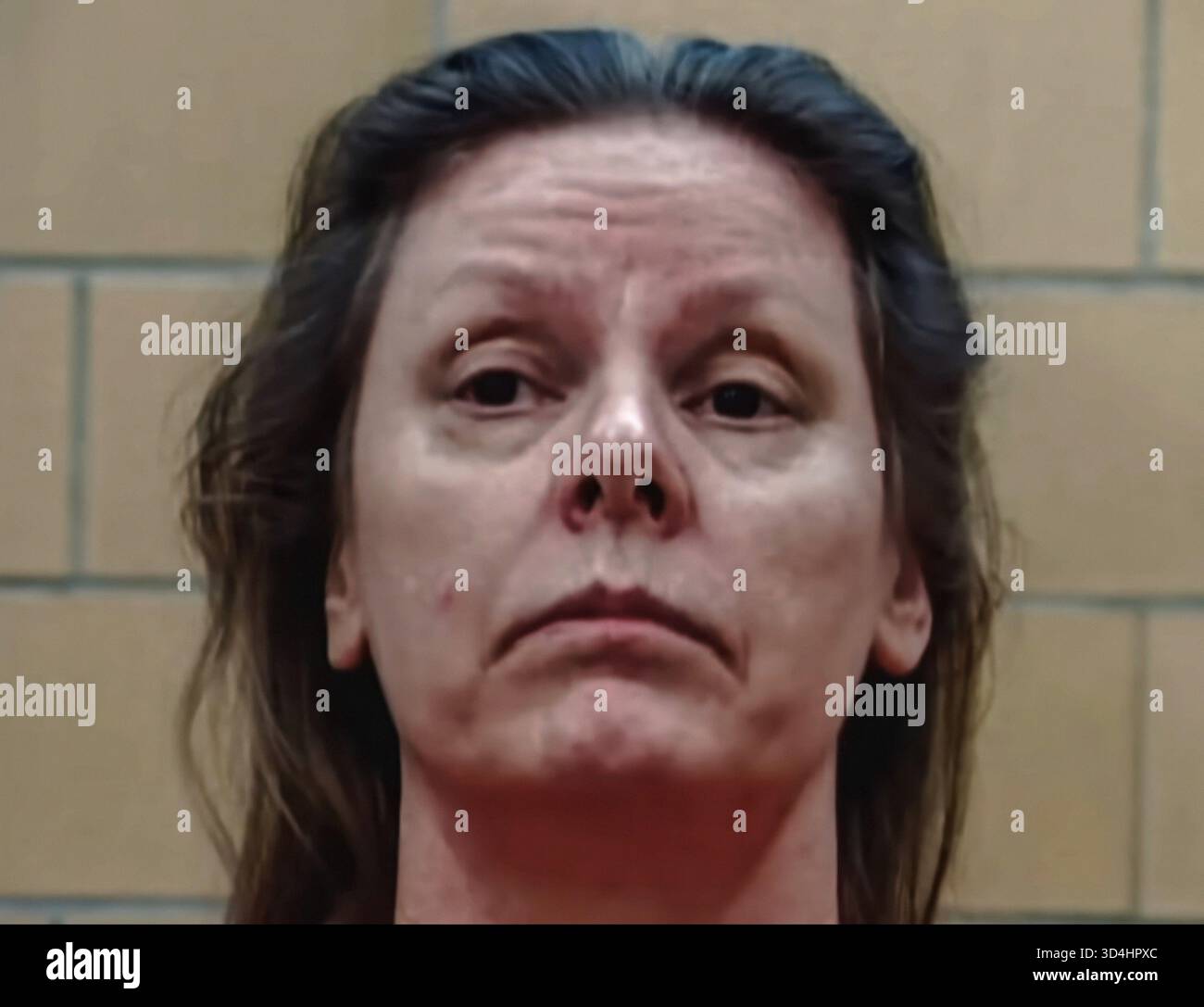
There is no public footage of the execution of Aileen Wuornos. While her legal proceedings and subsequent death sentence were highly publicized, the state of Florida did not film, record, or release any video documentation of the lethal injection process carried out at the Florida State Prison on October 9, 2002.
Historical Context of the Aileen Wuornos Case
Aileen Wuornos became a figure of intense national interest following her arrest in 1991 for the murders of seven men in Florida. Her trial, subsequent appeals, and her eventual decision to fire her legal team and waive her appeals transformed her case into one of the most documented capital punishment events of the late 20th and early 21st centuries. Because the state’s judicial process was transparent and the proceedings were open to the media, many researchers and true-crime enthusiasts often assume that visual records of every stage of her life—including her final moments—are available in public archives.
However, it is critical to distinguish between the extensive video footage available regarding her police interrogations, court appearances, and media interviews, and the absolute lack of footage regarding her execution. The fascination with the “Aileen Wuornos execution footage” search term stems from a misunderstanding of how capital punishment is documented in the United States legal system.
Legal Protocols for Executions in Florida
In Florida, as in most jurisdictions that maintain the death penalty, the execution process is strictly regulated to maintain the dignity of the proceedings and the privacy of the participants. The Florida Department of Corrections (FDC) maintains specific protocols regarding who may be present in the death chamber.
These witnesses typically include:
- Official state representatives.
- Members of the press designated as official media witnesses.
- Legal counsel for the prisoner.
- Designated witnesses for the prisoner and for the victims' families.
Under current Florida statutes, the recording of an execution—whether by audio, video, or photography—is strictly prohibited within the death chamber. The purpose of this prohibition is to prevent the sensationalization of the event and to protect the privacy and security of the medical personnel and correctional officers involved in administering the sentence. Therefore, any claim that an “official video” exists is factually incorrect.
Distinguishing Footage Types
When searching for information regarding the end of Aileen Wuornos’s life, users often encounter a variety of media that contribute to the confusion surrounding the existence of execution footage. It is important to categorize what is actually available in the public domain:
| Media Type | Description | Availability |
|---|---|---|
| Police Interrogations | Filmed recordings of Wuornos speaking with law enforcement. | Widely available in archives. |
| Court Proceedings | News broadcasts and court records of her trial. | Widely available in archives. |
| Documentary Footage | Interviews filmed by Nick Broomfield for his documentaries. | Available through film distributors. |
| Execution Footage | Visual recordings of the lethal injection process. | Non-existent; strictly prohibited by law. |
The archival materials that do exist are often mislabeled on video-sharing platforms. It is not uncommon for search results to show clips of the prison exterior, news reports discussing the event, or dramatizations from biographical films. These are frequently misattributed by third-party uploaders as the "actual execution," leading to significant public misconception.
The Role of Media and Documentation
The media coverage of the Aileen Wuornos case was unprecedented. Because of the nature of the crimes and the high-profile media trials of the 1990s, the public was granted access to almost every aspect of the legal journey. Reporters were present at the prison on the day of the execution, and they provided detailed, play-by-play accounts of the events leading up to the declaration of death.
These "witness accounts" are the only legitimate records of the execution itself. They describe the final moments, the demeanor of the prisoner, and the procedural timeline. These accounts are written records—not video—and they serve as the official historical documentation of the state’s action. When individuals search for video, they are often attempting to reconcile the visual memory of the person they saw in news clips with the reality of her death, but no such visual bridge exists.
Safety, Ethics, and Verification
In the context of 2026 digital consumption, it is vital for users to exercise caution when navigating search results for sensitive historical events.
- Avoid Misleading Links: Many websites that claim to offer "leaked" or "banned" footage of high-profile executions are engaged in deceptive marketing. These sites often use clickbait to generate traffic, frequently leading to malware, phishing attempts, or unrelated content.
- Verify Sources: If you are conducting research on the Wuornos case, rely on reputable archives, such as the Florida Department of Corrections historical records, academic databases, or established media outlets from 2002.
- Respect Historical Reality: It is important to acknowledge that there is no "secret footage." The state of Florida has never released a recording of an execution, and to do so would contradict the established legal framework of the Department of Corrections.
Frequently Asked Questions
Is there any grainy or "leaked" video of Aileen Wuornos being executed? No. There is no legitimate footage of her execution. Any video claiming to show the event is either a reenactment from a movie, footage of a different event, or a deliberate fabrication designed to deceive viewers.
Why do some websites claim they have the execution footage? Websites that claim to possess such footage are almost exclusively using clickbait tactics. They aim to drive traffic to their sites through high-interest, morbid curiosity. They do not have the footage because it does not exist.
Did a news organization film the execution? No. While news reporters are permitted to witness executions as official observers to provide a report to the public, they are prohibited from bringing recording equipment into the death chamber. Their reports are based on visual observation and subsequently written transcripts.
What are the most reliable sources for information on the Wuornos case? The most reliable sources are the trial transcripts, the Florida Department of Corrections' official execution report (which provides the timeline of the procedure), and documented investigative reporting from reputable journalistic outlets that covered the case in 2002.
Can I view her final interview footage? Yes. Aileen Wuornos granted several interviews prior to her death, most notably to documentary filmmaker Nick Broomfield. This footage is legitimate and is frequently used in documentaries and biographical features. This is often what users encounter when searching for video of her near the time of her death.
Recommendation for Researchers
If your objective is to study the legal or historical aspects of the Aileen Wuornos case, direct your attention toward the extensive library of court-admitted exhibits and police-recorded interviews. These materials offer the most accurate insight into the subject's life and the legal processes that led to the end of her life. Avoid platforms that promise "exclusive" or "banned" footage, as these sources lack historical integrity and often pose security risks to your device.
For those seeking to understand the mechanics of the death penalty in Florida during that era, the official records published by the Florida Department of Corrections offer a transparent, albeit text-based, account of the procedures and the medical timeline involved in the execution of the sentence.