As of 2026, the brand AGT, most commonly recognized in the heavy machinery sector as AGT Industrial, is owned by Agrotk Industrial, a private company. While the acronym AGT is also associated with the "America’s Got Talent" franchise (owned by Syco Entertainment and Fremantle) and AGT Foods (a private grain processor), the specific claim regarding ownership by a small private company most frequently pertains to the industrial equipment manufacturer that has disrupted the mini-excavator and attachment market.
The ownership of AGT Industrial has become a focal point for contractors, small-scale farmers, and hobbyists who encounter these machines at industrial auctions or through direct-to-consumer digital platforms. Because the company does not operate through a traditional, expansive dealer network like Caterpillar or John Deere, understanding its private corporate structure is essential for verifying warranty validity, sourcing replacement parts, and evaluating the long-term viability of the equipment.
Disambiguating the AGT Brand Identity
Before analyzing the technical and corporate nuances of AGT Industrial, it is necessary to resolve the manageable ambiguity surrounding the "AGT" acronym. In the current 2026 market, three primary entities use these initials:
- AGT (America’s Got Talent): This global entertainment franchise is co-owned by Syco Entertainment (Simon Cowell’s private boutique firm) and Fremantle (a subsidiary of the publicly traded RTL Group). While Syco is a private company, the brand is managed by a massive international conglomerate.
- AGT Foods and Ingredients: Originally a publicly traded entity on the TSX, it was taken private in 2019 by a consortium led by Murad Al-Katib and supported by Fairfax Financial. It remains a multi-billion dollar private enterprise in the pulse and grain processing sector.
- AGT Industrial (Agrotk): This is the "small private company" most often scrutinized by consumers. It specializes in mini-excavators, skid steer attachments, and industrial tools. Unlike the multi-billion dollar entities mentioned above, AGT Industrial operates as a lean, private manufacturing and trading firm, often bypassing traditional retail markups.
This article focuses on AGT Industrial, as its ownership structure directly impacts the technical support and operational lifecycle of its products.
The Corporate Structure of Agrotk and AGT Industrial
AGT Industrial is a primary brand under the Agrotk Industrial umbrella. Based on corporate filings and trade records available in 2026, Agrotk operates as a private manufacturing and distribution entity. The company’s headquarters and primary logistics hubs are situated to facilitate a direct-to-consumer (DTC) model, often utilizing third-party auction houses such as IronPlanet, AuctionTime, and Ritchie Bros. to move high volumes of inventory.
The Private Ownership Model
Unlike traditional machinery manufacturers that are beholden to shareholders and quarterly earnings reports, AGT Industrial’s private status allows it to pivot rapidly. This results in a product development cycle that is significantly faster than that of major brands. However, this private structure also means that the company does not maintain the same level of public financial transparency.
For the end-user, this ownership model translates to:
- Lower Acquisition Costs: By eliminating the "dealer margin," AGT can sell 1-ton mini excavators at a fraction of the cost of a domestic equivalent.
- Centralized Support: Rather than visiting a local dealership, owners must typically interact with a centralized customer service team or source their own mechanical solutions.
- Rapid Iteration: In 2026, we see AGT models being updated almost annually, as the private owners can implement factory-level changes without the bureaucratic oversight required by public conglomerates.
Technical Specifications and Manufacturing Provenance
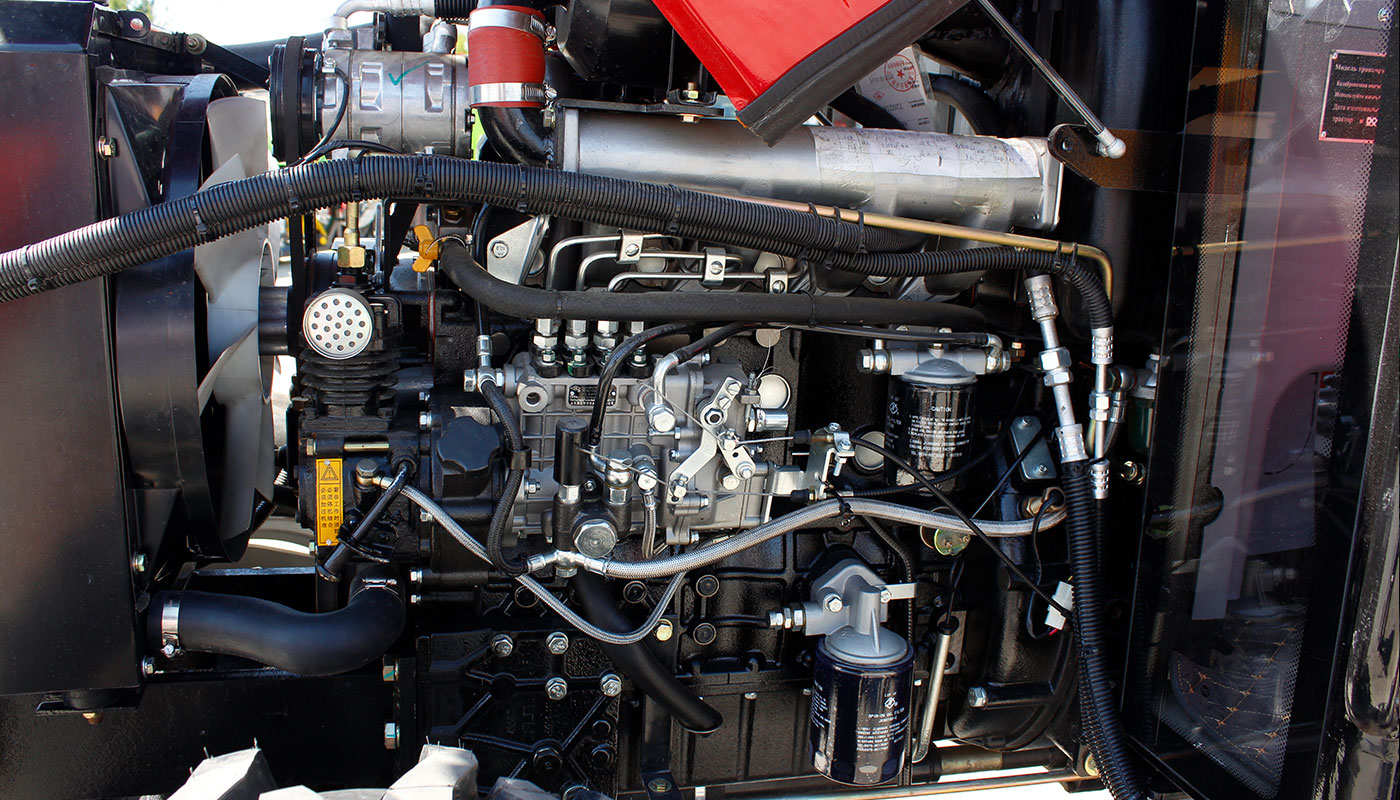
To understand why a small private company owns such a significant share of the entry-level industrial market, one must look at the technical composition of the machines. AGT Industrial utilizes a "global assembly" strategy. While the structural components—the frames, booms, and buckets—are manufactured in specialized private facilities in East Asia, the "heart" of the machines often features internationally recognized components.
Engine Integration and Hydraulics
One of the primary ways AGT Industrial established trust as a private brand was by integrating name-brand engines into their low-cost frames. As of 2026, the most popular AGT models, such as the QH12 and H12 mini excavators, utilize the following specifications:
- Gasoline Variants: Often powered by Briggs & Stratton 13.5 HP (420cc) XR2100 series engines. These engines carry their own manufacturer warranties, which helps mitigate the risks associated with buying from a smaller private company.
- Diesel Variants: Higher-end private label models often utilize Kubota or Yanmar diesel engines, providing a level of reliability that matches industry standards.
- Hydraulic Systems: AGT machines typically employ gear pumps with a flow rate of approximately 4.5 to 6.6 GPM (gallons per minute). The valves and hoses are standard metric fittings, which is a critical detail for owners looking to perform their own repairs.
Material Quality and Structural Design
The steel used in AGT equipment is typically Q345B, a low-alloy, high-strength structural steel common in heavy equipment manufacturing. The booms are often reinforced at stress points, though the tolerances may not match those of a $40,000 premium machine. For the target audience—homeowners and small contractors—the price-to-performance ratio provided by this private manufacturing model is the primary draw.
The Owner’s Challenge: Support, Parts, and Maintenance
The main concern regarding any brand owned by a small private company is the "after-sales" ecosystem. When you buy a machine from a public giant like Caterpillar, you are paying for the security of a global supply chain. When you buy an AGT, you are entering a relationship with a leaner, more specialized private entity.
Sourcing Replacement Parts
For AGT owners in 2026, sourcing parts requires a more proactive approach. Because the company is private and utilizes a direct sales model, parts are generally sourced in three ways:
- Direct from Agrotk: The parent company maintains a parts warehouse for common wear items like tracks, filters, and hydraulic cylinders.
- Third-Party Interchange: Many AGT parts are interchangeable with other "import" brands or even major brands. For example, the oil filters and air filters on the Briggs & Stratton models are standard automotive/industrial items available at any local supply store.
- Fabrication and Standard Fittings: Because the machines use standard hydraulic fittings (typically JIC or metric), most hydraulic shops can create replacement hoses on-site without needing specialized OEM parts from the manufacturer.
Warranty Limitations
It is important to note that the warranty provided by a private company like AGT Industrial is often a parts-only warranty. This means that while the company may ship you a replacement hydraulic pump or a new starter, the labor to install that part is the responsibility of the owner. This is a standard trade-off in the industrial sector for equipment sold at this price point.
Comparing AGT Industrial to Major Public Brands
The following table highlights the material differences between AGT Industrial (the private model) and a typical publicly traded industry leader.
| Feature | AGT Industrial (Private) | Major Brand (e.g., Kubota/CAT) |
|---|---|---|
| Ownership | Private (Agrotk) | Publicly Traded |
| Sales Channel | Online / Auctions / Direct | Authorized Local Dealers |
| Primary Engine | Briggs & Stratton / Kubota / Chinese OEM | Proprietary / High-End Diesel |
| Service Model | DIY / Independent Shops | Factory-Trained Technicians |
| Price (1-Ton Mini) | $3,500 – $7,500 | $22,000 – $38,000 |
| Resale Value | Moderate (Depreciates faster) | High (Hold value via dealer support) |
| Steel Grade | Q345B (Standard) | High-Tensile Proprietary Alloys |
| Target Audience | Ranchers, DIYers, Small Business | Municipalities, Large Construction |
Verifying Ownership and Authenticity
In 2026, the rise of "clone" websites has made it vital to verify that you are dealing with the actual private company behind the AGT brand. To ensure you are communicating with the legitimate owners of the AGT Industrial trademark, consider the following verification steps:
- Check the VIN/Serial Plate: Authentic AGT machines carry a metal plate detailing the manufacturer (Agrotk), the model year, and the serial number.
- Verify the Domain: Ensure you are using the official Agrotk or AGT Industrial portals for parts. Be wary of social media advertisements that lead to generic "Shopify" stores without physical addresses or phone numbers.
- Auction House Records: If purchasing through an auction, review the "Seller Profile." Legitimate AGT inventory is usually listed directly by the manufacturer or authorized liquidators.
Frequently Asked Questions
Is AGT a Chinese or American company?
AGT Industrial is a brand owned by Agrotk, which operates with a global presence. While the majority of the manufacturing and heavy fabrication occurs in China (utilizing their massive industrial infrastructure), the company has significant distribution, assembly, and support operations within the United States. This "hybrid" model is common for private companies in the industrial tool space in 2026.
Can I get my AGT machine serviced at a local dealer?
Generally, no. Most brand-name dealers (like John Deere or Bobcat) will not service machines they do not sell, primarily due to liability and parts compatibility. However, any independent diesel or small engine mechanic can easily service an AGT machine, as the mechanical layouts are straightforward and the engines (like those from Briggs & Stratton) are familiar to almost all technicians.
Why is the ownership of AGT considered "small"?
In the context of heavy machinery, a "small" company is one that does not have a global network of thousands of physical storefronts and a multi-billion dollar R&D budget. AGT Industrial focuses on a narrow niche of equipment, allowing them to remain lean and private while still serving a massive international customer base through digital and auction-based logistics.
Does the private ownership affect the availability of parts?
It changes the method of availability. While you can't drive down the street to a dedicated "AGT Parts Store," the private ownership model has embraced e-commerce. In 2026, most parts are ordered online and shipped via standard couriers, often arriving within 3–5 business days.
Is the AGT TV show owned by the same company?
No. There is no corporate connection between AGT Industrial and the "America’s Got Talent" television show. The TV show is an intellectual property of Syco Entertainment and Fremantle. The two entities simply share an acronym.
Practical Recommendations for Prospective Owners
If you are considering purchasing equipment from a brand owned by a private entity like AGT, your success will depend on your willingness to be a "proactive owner." This is not a "white-glove" service experience; it is a value-driven industrial partnership.
1. Learn the Basics of Hydraulics: Since you won't have a dealer nearby, knowing how to bleed a hydraulic line or change a filter is essential. 2. Inventory Your Wear Items: When you buy a machine, order a spare set of filters, a replacement belt, and perhaps an extra hydraulic hose. Having these on hand prevents downtime. 3. Leverage the Community: In 2026, there are extensive online communities of AGT owners. These forums are the best place to find "part number crossovers" and troubleshooting tips that the private company might not provide in a traditional manual. 4. Respect the Machine’s Limits: AGT equipment is designed for light-to-medium duty. While the private owners have built a robust frame, these machines are best suited for property maintenance, trenching, and light landscaping rather than 24/7 heavy quarry work.
By understanding that AGT is owned by a private, specialized entity, you can adjust your expectations and maintenance strategies to take advantage of the significant cost savings their business model provides.