Age expectancy in the United States refers to the statistical measure of the average number of years a person can expect to live, typically calculated from birth or a specific milestone age based on current mortality rates. It serves as a vital indicator of public health, reflecting the overall wellbeing, healthcare access, and socioeconomic stability of the population. While it once experienced steady climbs across the 20th century, modern life expectancy figures fluctuate due to chronic diseases, socioeconomic disparities, behavioral habits, and public health crises.
Defining Life Expectancy and National Context
To understand age expectancy in the United States, one must first examine how demographers and public health institutions calculate these estimates. The National Center for Health Statistics (NCHS), a division of the Centers for Disease Control and Prevention (CDC), publishes official life expectancy estimates annually using provisional and final mortality data. These calculations rely on complete and provisional period life tables, which assume that a hypothetical cohort will experience the exact age-specific death rates observed throughout a specific period—usually a single calendar year.
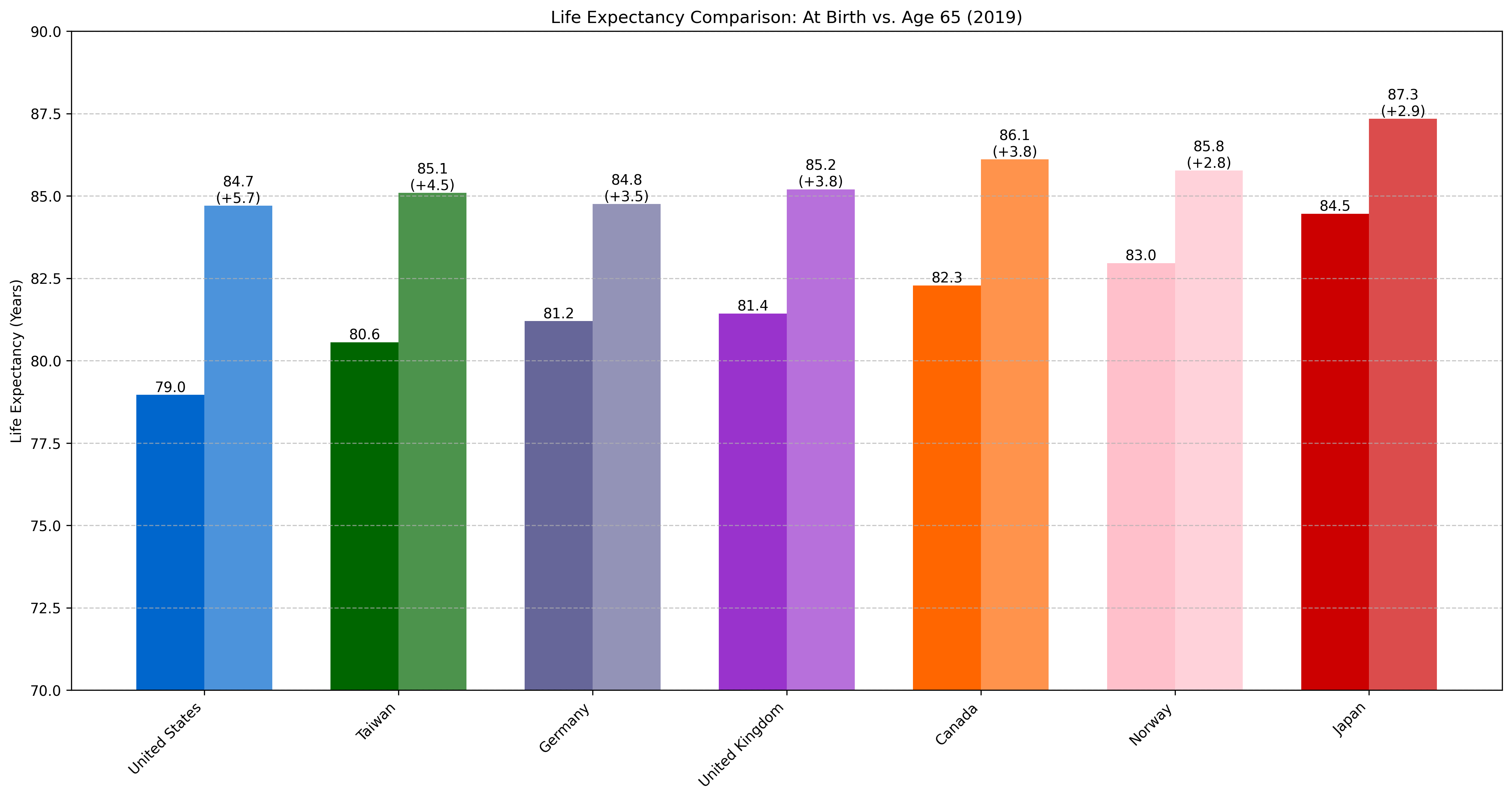
The United States operates within a unique healthcare and socioeconomic landscape compared to other high-income nations. Despite spending a significantly higher percentage of its gross domestic product (GDP) on medical care than any other country in the Organisation for Economic Co-operation and Development (OECD), the United States routinely trails behind nations like Japan, Switzerland, and Sweden in overall longevity. This divergence highlights a complex interplay of systemic barriers, widespread lifestyle factors, and disparities in regional healthcare access.
Period Life Tables Versus Cohort Life Tables
Demographers utilize two primary models to calculate life expectancy: period life tables and cohort life tables.
- Period Life Tables: These present a cross-sectional snapshot of mortality conditions during a specific timeframe. They do not predict the actual lifespan of an individual born in a given year because future mortality rates will undoubtedly change. Instead, they answer a specific question: If age-specific death rates remain constant at current levels, how long would a group of people live?
- Cohort Life Tables: These track the mortality experience of an actual birth cohort—such as all individuals born in the year 2026—from birth until every member of the group has died. Because this requires decades of observation, cohort life tables are largely retrospective or rely on predictive modeling for younger populations.
Historical Trends and Recent Fluctuations
The trajectory of American longevity over the past century is a story of dramatic medical triumphs tempered by unexpected setbacks. At the dawn of the 20th century, average life expectancy at birth in the United States hovered near 47 years. High rates of infectious diseases, such as tuberculosis, influenza, pneumonia, and gastrointestinal infections, disproportionately claimed the lives of infants and young children.
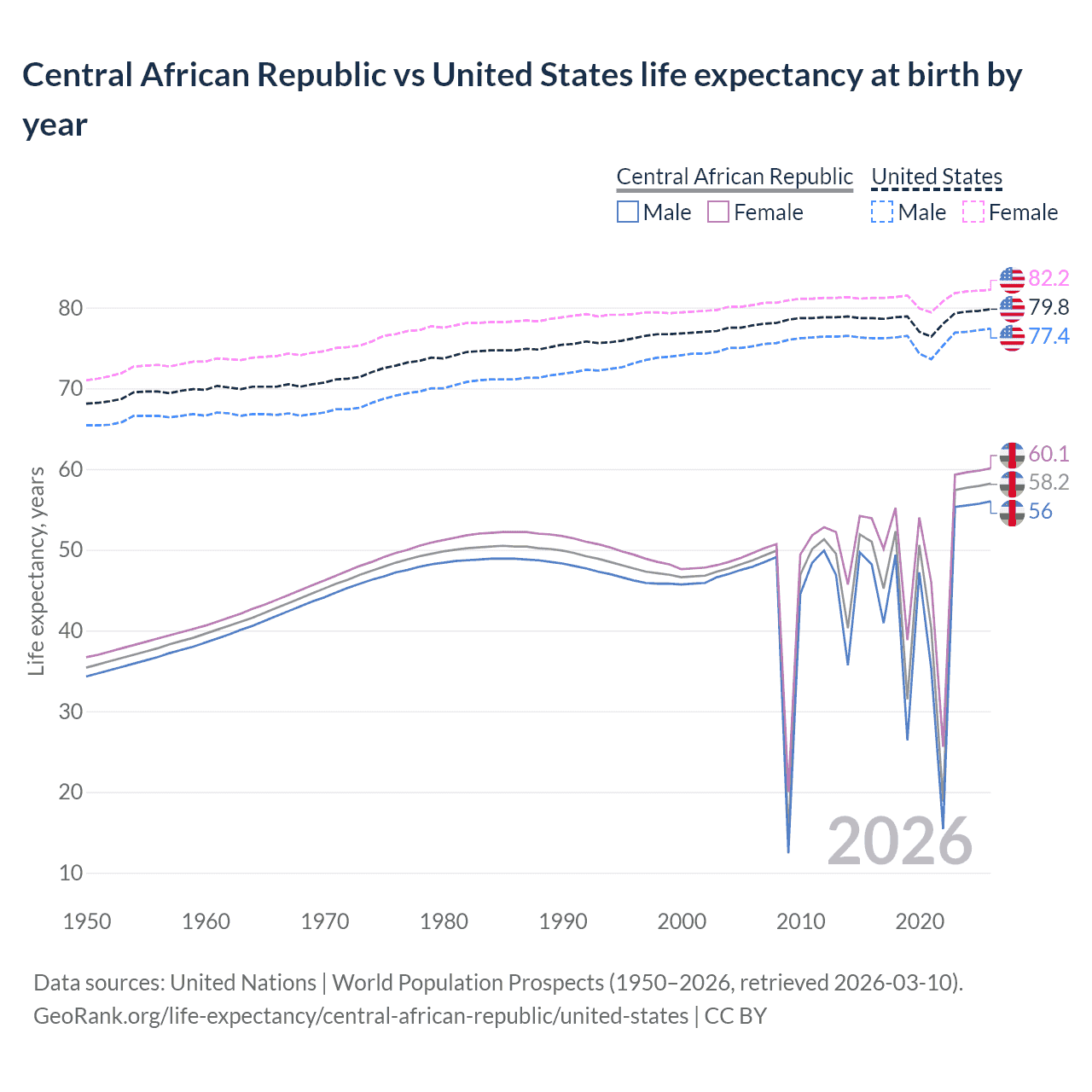
Through the introduction of clean water standards, widespread sanitation infrastructure, the advent of widespread vaccination programs, and the discovery of antibiotics, American life expectancy rose steadily. By the year 2000, overall life expectancy approached 77 years. Modern medicine successfully shifted the primary burden of mortality from acute infectious diseases to chronic conditions, notably cardiovascular diseases and malignant neoplasms (cancer).
However, the 21st century introduced unprecedented volatility. Following decades of continuous growth, U.S. life expectancy stagnated during the mid-2010s, largely driven by the opioid epidemic, rising rates of drug overdoses, and increases in deaths of despair. This stagnation gave way to sharp declines during the global disruptions of the early 2020s, which disproportionately impacted vulnerable demographics and strained healthcare infrastructure. Monitoring these historical shifts helps contextualize modern figures, revealing that national longevity is a fragile metric susceptible to rapid societal changes.
Key Demographic Disparities in U.S. Longevity
National averages often obscure deep divides within the American population. Age expectancy varies widely across racial, ethnic, socioeconomic, and geographic boundaries. Analyzing these segments reveals systemic vulnerabilities that public health policies must address.
The Gender Gap
A persistent feature of American demographics is the longevity gap between men and women. Statistically, female newborns in the United States outlive male newborns by several years—a trend mirrored globally. Biological factors, including genetic protections and hormonal differences, play a role, but behavioral and occupational differences are equally significant. Men historically exhibit higher rates of hazardous occupational exposures, smoking, heavy alcohol consumption, and delayed engagement with preventative medical care.
Racial and Ethnic Variations
Racial and ethnic disparities in life expectancy reflect long-standing systemic inequities, differences in wealth accumulation, and unequal access to quality healthcare. For instance, data consistently demonstrates a crossover or paradox in certain immigrant populations, where specific groups exhibit life expectancy rates that equal or exceed those of the non-Hispanic white population despite facing socioeconomic hurdles. Conversely, Black Americans historically experience lower average life expectancy at birth than white or Hispanic Americans, driven largely by higher incidence rates of chronic hypertension, cardiovascular disease, and structural barriers to comprehensive medical treatment.
Geographic and State-Level Differences
Where an individual lives in the United States heavily influences their expected lifespan. State-level life expectancy data reveals stark contrasts between high-performing states—such as Hawaii, California, and New York—and southern or Appalachian states, such as Mississippi, West Virginia, and Alabama. These geographic divides correlate closely with local socioeconomic conditions, median household incomes, environmental regulations, the availability of primary care physicians, and state-level healthcare policies.
| Demographic Segment | Estimated Life Expectancy Trend | Primary Influencing Factors |
|---|---|---|
| Overall U.S. Population | ~77 to 79 years | Healthcare access, chronic disease management, public health shocks |
| Females (National) | Consistently higher than males by 5+ years | Biological resilience, lower occupational risk exposure, early healthcare seeking |
| Males (National) | Consistently lower than females | Higher rates of accidental death, cardiovascular disease, lifestyle risk factors |
| High-Income Urban Areas | Higher than national average | Specialized medical centers, higher median income, education levels |
| Rural / Economically Stressed Regions | Lower than national average | Hospital closures, physician shortages, higher rates of poverty and uninsurance |
Primary Drivers of Mortality and Longevity
Understanding why Americans live as long as they do requires examining the leading causes of death and the lifestyle behaviors that dictate physiological health. The human lifespan is shaped by an intersection of genetics, environment, and daily choices.
Leading Causes of Death
The vast majority of deaths in the United States stem from chronic, non-communicable diseases. According to CDC mortality surveillance, the leading causes include:
- Heart Disease: Conditions affecting blood flow and cardiac function remain the number one killer of both American men and women.
- Malignant Neoplasms (Cancer): Various forms of cancer, led by lung, colorectal, breast, and pancreatic cancers, account for roughly a quarter of all U.S. deaths.
- Unintentional Injuries: This category includes motor vehicle accidents, poisoning, and accidental drug overdoses. Drug overdoses, fueled by synthetic opioids, have heavily impacted working-age adults.
- Chronic Lower Respiratory Diseases: Conditions such as chronic obstructive pulmonary disease (COPD) and emphysema severely impact older adults, often linked to a history of tobacco use.
- Cerebrovascular Diseases (Stroke): Disruptions in blood supply to the brain impair neurological function and contribute significantly to late-life mortality.
Modifiable Risk Factors
While genetic predispositions establish an individual's baseline biological resilience, modifiable behavioral factors determine whether a person reaches their genetic potential. Tobacco cessation is among the single most impactful actions an individual can take to preserve longevity. Similarly, maintaining a balanced diet rich in whole foods, engaging in regular cardiovascular and resistance exercise, moderating alcohol intake, and managing chronic stress directly combat the development of metabolic syndrome, diabetes, and cardiovascular complications.
The Role of Socioeconomic Status and Healthcare Access
Socioeconomic status (SES)—measured through income, educational attainment, and occupational stability—is one of the most powerful predictors of age expectancy in the United States. The "health-wealth gradient" demonstrates that individuals in higher income brackets live significantly longer and experience more years of disability-free life than those in poverty.
Education and Health Literacy
Educational attainment acts as a buffer against adverse health outcomes. Higher levels of education correlate with better health literacy, enabling individuals to navigate complex insurance systems, understand nutritional labels, recognize early symptoms of chronic illness, and advocate effectively for themselves within clinical settings. Furthermore, educated individuals are more likely to secure employment that offers paid sick leave, health insurance benefits, and safe working environments.
Healthcare Infrastructure and Insurance Coverage
The U.S. healthcare system relies heavily on private employer-sponsored insurance, Medicare for older adults, and Medicaid for low-income populations. However, gaps in coverage leave millions of Americans underinsured or entirely uninsured. Lack of health insurance frequently leads to delayed diagnoses, deferred preventative screenings, and unmanaged chronic conditions like hypertension and high cholesterol. When these conditions go unchecked for years, they manifest as acute, life-threatening medical emergencies that shorten overall life expectancy.
Frequently Asked Questions
Does life expectancy mean I will die at a specific age?
No. Life expectancy is a statistical average for a population cohort, not an individual expiration date. Many individuals will live decades past the statistical average for their birth year, while others may experience premature mortality due to unforeseen accidents, acute illnesses, or genetic predispositions.
How does the U.S. life expectancy compare to other developed nations?
The United States consistently ranks lower in life expectancy than many peer nations in Western Europe, Scandinavia, and East Asia, despite spending significantly more per capita on healthcare. This discrepancy is largely attributed to higher rates of preventable chronic illness, socioeconomic inequality, gun violence, and gaps in primary healthcare access.
Can an individual actively increase their personal life expectancy?
Yes. While you cannot alter your genetic background or historical birth year, adopting evidence-based lifestyle habits heavily influences your personal longevity. Not smoking, maintaining a healthy weight, exercising regularly, eating a nutrient-dense diet, and managing stress can add years of healthy life.
What is the difference between life expectancy and healthspan?
Life expectancy measures the total number of years a person lives, whereas healthspan measures the number of years a person lives free from serious chronic disease and debilitating disability. Public health experts increasingly focus on maximizing healthspan to ensure that extended lifespans are accompanied by high quality of life.
Why do women live longer than men on average?
The longevity gap between men and women is driven by a combination of biological factors—such as estrogen's protective effects on cardiovascular health—and behavioral patterns. Men historically engage in riskier occupations, experience higher rates of accidental death, and are statistically slower to seek routine medical evaluations for emerging symptoms.
Next Actions and Practical Guidance
For individuals seeking to maximize their personal longevity within the United States, proactive health management is essential.
- Establish Primary Care: Secure a trusted primary care physician and schedule annual wellness examinations to monitor blood pressure, cholesterol, blood glucose levels, and age-appropriate cancer screenings.
- Prioritize Preventative Care: Stay current on recommended vaccinations and diagnostic screenings, such as colonoscopies, mammograms, and cardiovascular evaluations, which catch treatable conditions before they become critical.
- Optimize Daily Habits: Focus on sustainable lifestyle modifications—incorporating daily physical activity, eliminating tobacco use, and eating a balanced diet—to protect your cardiovascular and metabolic health for decades to come.