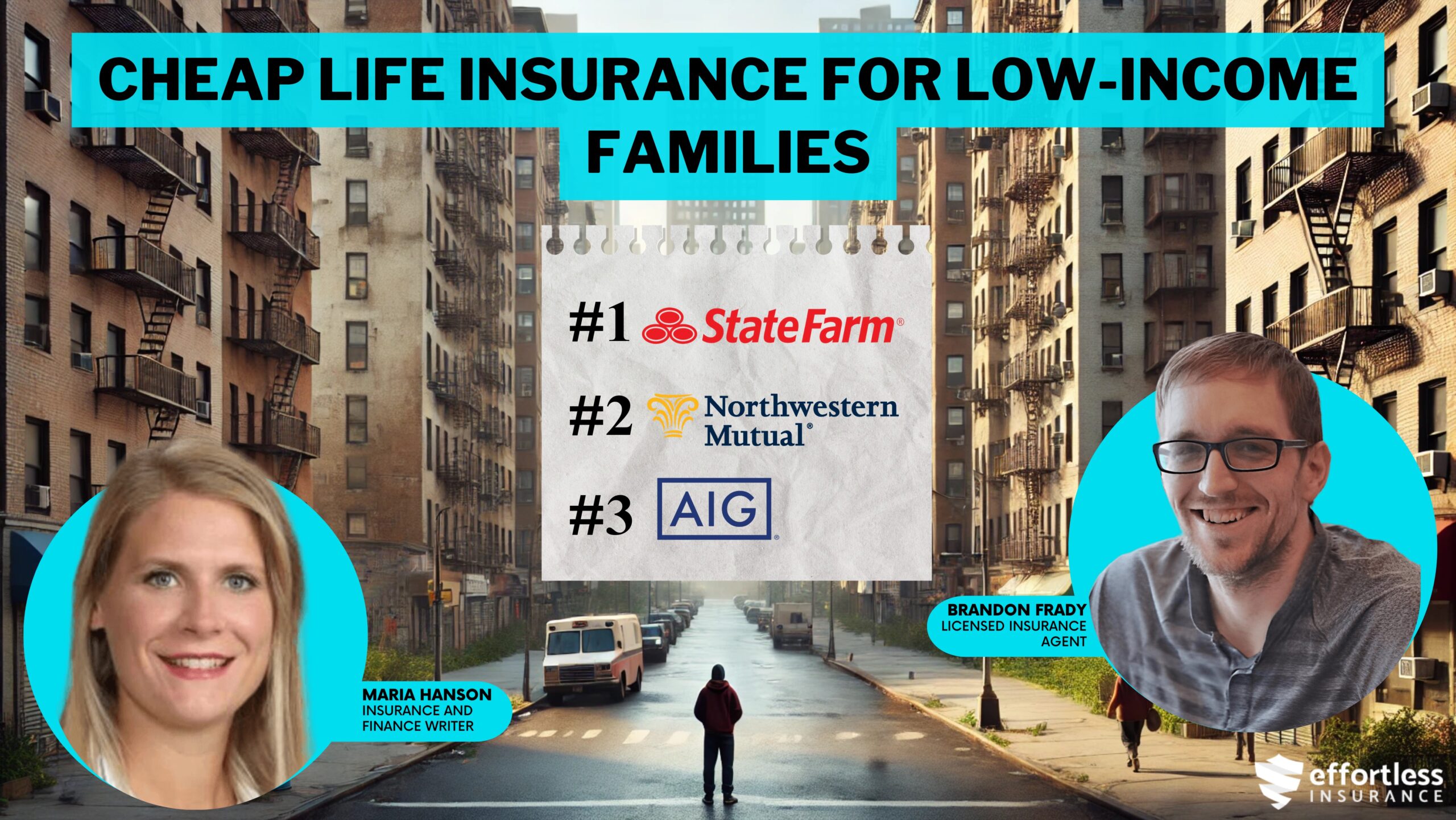
Finding affordable life insurance in the USA is primarily achieved by comparing term life insurance quotes, maintaining a healthy lifestyle to lower risk classifications, and purchasing policies while you are younger. By prioritizing term coverage over permanent insurance and shopping through independent brokers, individuals can secure essential financial protection for their beneficiaries without exceeding their budget.
Understanding the Life Insurance Landscape in 2026
The life insurance market in the United States remains a highly regulated, competitive environment designed to provide financial indemnity for beneficiaries in the event of an insured individual's death. As of 2026, prospective policyholders have access to a diverse array of products, but the foundational principle remains: the cost of your premium is directly tied to the level of risk you present to the insurer.
"Affordable" is a relative term that depends heavily on your age, health status, and the amount of coverage you require. For most middle-income households, the objective is to find a policy that provides sufficient protection to cover major debts—such as a mortgage or children’s education—without imposing a financial burden that leads to policy lapse.
Term Life Insurance vs. Permanent Coverage
To maximize affordability, you must understand the distinction between the two primary categories of life insurance.
- Term Life Insurance: This is the most cost-effective option for the majority of Americans. It provides coverage for a specific period, typically 10, 20, or 30 years. If the insured passes away during this "term," the beneficiaries receive the death benefit. Because it does not have a cash-value savings component, it is significantly cheaper than permanent insurance.
- Permanent Life Insurance (Whole or Universal): These policies provide coverage for your entire lifetime and include a cash-value component that grows over time. While they offer more features, they are substantially more expensive and are usually utilized for estate planning or complex wealth-transfer needs rather than basic income replacement.
For those strictly seeking affordability, term life insurance is almost always the appropriate solution. It allows you to purchase a large death benefit during the years when your financial obligations—such as debt and child-rearing—are at their highest, which is when you most need protection.
Factors That Determine Your Premium
Insurers use "underwriting" to determine how much you will pay. This process involves evaluating your risk profile. To secure the most affordable rates in 2026, you should be aware of how these factors influence your monthly or annual premiums:
- Age: This is arguably the most significant factor. As you age, your mortality risk increases, leading to higher premiums. Buying a policy early is the single most effective way to lock in lower rates.
- Health History: Insurers review your medical records, including chronic conditions, surgeries, and family history. Well-managed conditions, such as hypertension controlled by medication, are often viewed more favorably than uncontrolled conditions.
- Tobacco and Nicotine Use: Life insurance rates for smokers are often two to three times higher than those for non-smokers. Quitting tobacco for at least 12 to 24 months can often qualify you for non-smoker rates.
- Lifestyle and Occupation: High-risk hobbies (such as skydiving or rock climbing) and hazardous occupations can lead to higher premiums or even policy exclusions.
- Driving Record: A history of DUIs or multiple moving violations can signal a lifestyle risk to underwriters, potentially increasing your costs.
Comparing Policies and Quotes
The best way to find affordable coverage is to perform a rigorous comparison. You should not rely on a single insurance company’s website, as their quotes will naturally reflect only their own risk appetite and pricing models.
Instead, utilize independent brokers or comparison tools. These services aggregate data from multiple highly-rated insurance carriers, allowing you to see side-by-side premium differences for the exact same coverage amount and term length. When comparing, ensure you are looking at "apples-to-apples" quotes—same death benefit, same term length, and same premium payment frequency.
Table: Comparison of Coverage Approaches
| Strategy | Cost Level | Benefit | Best For |
|---|---|---|---|
| Term (10-20 Year) | Low | High death benefit | Young families, mortgage coverage |
| Term (30 Year) | Moderate | Fixed, long-term security | Income replacement until retirement |
| Whole Life | High | Lifetime coverage & cash value | Estate planning, final expense funding |
| Simplified Issue | Moderate | No medical exam required | Those with minor health concerns |
Navigating the Application Process
Once you have identified a potential carrier, you will initiate the application process. In 2026, many insurers offer "accelerated underwriting," which can bypass the traditional medical exam—where a paramedic visits your home to draw blood and collect urine—by using electronic health records and pharmaceutical databases to verify your health data.
If you are healthy and fall within a standard age range, skipping the physical exam can be faster and just as affordable. However, if you have complex health issues, a traditional fully underwritten policy with a medical exam might actually be cheaper, as it allows the insurer to see a more nuanced (and potentially better) picture of your health than an algorithm might provide.
Common Mistakes to Avoid
- Underinsuring: People often buy a small policy because it is cheap, failing to realize it does not cover their actual needs. Ensure your benefit amount covers at least 7 to 10 times your annual income.
- Focusing Only on Premiums: A policy is only "affordable" if it remains in force. Check the financial strength ratings of the insurance company (via agencies like A.M. Best) to ensure they will be able to pay out the claim decades from now.
- Lying on the Application: Misrepresenting your health or habits (like smoking) is considered fraud. If discovered, the insurer can deny a death claim, leaving your beneficiaries with nothing.
- Buying Through Your Employer Only: While employer-provided life insurance is a great perk, it is usually not enough, and it is rarely portable. If you leave your job, you likely lose the coverage. Treat employer insurance as a supplement, not a replacement, for an individual policy.
Frequently Asked Questions
Is it possible to get life insurance without a medical exam? Yes. Many insurers offer "no-exam" or "accelerated" policies. These rely on digital databases and self-reported health questionnaires. While convenient, they may be slightly more expensive than fully underwritten policies if you are in perfect health, but they are often the only option for those who prefer to avoid blood tests.
What happens if I stop paying my premiums? In most cases, if you stop paying your premiums on a term life policy, the coverage will lapse after a short "grace period" (usually 30 days). Once the policy lapses, you lose all coverage, and you would need to re-apply, likely at a higher cost due to your increased age.
Does my life insurance premium ever increase? With a level-term life insurance policy, your premium is guaranteed to remain the same for the duration of the term. If you purchase a 20-year term policy in 2026, your rate will stay locked at the same amount until 2046, regardless of changes in your health or the economy.
How much coverage do I actually need? A common rule of thumb is to calculate your total debt (mortgage, loans) plus the amount required to fund your children’s education and your family's living expenses for a set number of years. Use a reputable online calculator to determine this figure, as personal circumstances vary wildly based on cost-of-living and family size.
Can I have more than one life insurance policy? Yes. Many people "ladder" their coverage. For example, you might have one policy that lasts until your mortgage is paid off and another that lasts until your children are grown. This allows you to scale down your coverage (and costs) as your financial responsibilities decrease.
Final Recommendations for Prospective Policyholders
To secure the most affordable life insurance, follow these steps:
- Assess your financial obligations: Calculate exactly how much your family would need if your income were gone.
- Select a term: Choose a term length that matches the duration of your largest debts.
- Shop multiple carriers: Use independent brokers to compare quotes from at least three different highly-rated companies.
- Prioritize health: If you are a smoker, consider quitting. Even a few months of verified non-smoking status can change your risk classification.
- Lock in rates: Once you find a policy that meets your needs and budget, secure it immediately. Premiums are based on your age at the time of purchase; waiting even a year can result in permanently higher rates.
Disclaimer: This information is for educational purposes and does not constitute financial or legal advice. Insurance regulations and product availability can vary by state. Consult with a licensed financial advisor or insurance professional to discuss your specific needs.