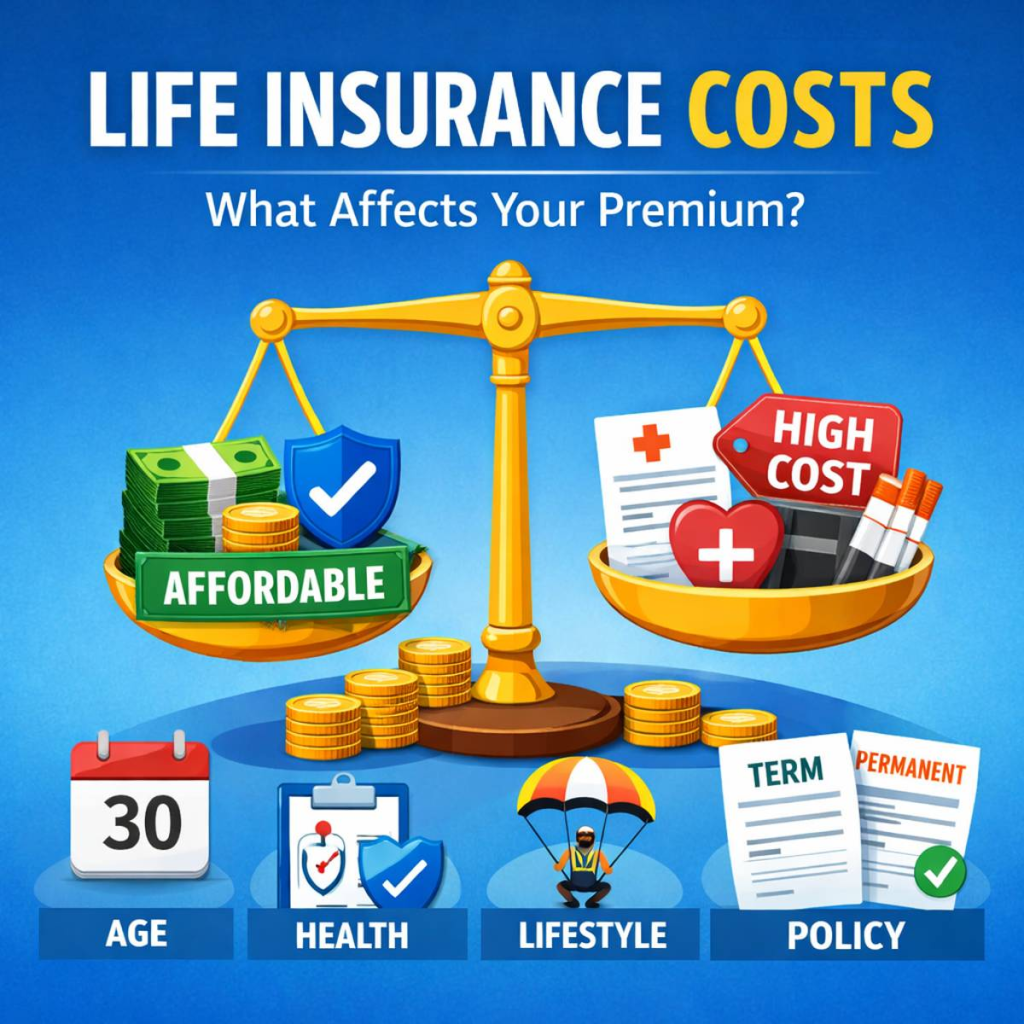
Finding affordable life insurance in Delray Beach involves evaluating your specific coverage needs, health profile, and the regional regulatory environment of Florida to secure a policy that fits your budget. By understanding how insurers calculate risk, comparing term versus permanent options, and leveraging Florida’s unique consumer protections, residents can obtain financial security without overpaying for premiums.
Understanding the Life Insurance Landscape in Florida
Life insurance is a contract between an individual and an insurance provider where the insurer guarantees payment of a death benefit to named beneficiaries upon the insured’s passing. In Florida, the industry is regulated by the Florida Office of Insurance Regulation (OIR). This oversight ensures that companies operating in the state meet strict solvency requirements, providing a baseline of security for policyholders in Delray Beach.
When searching for "affordable" options, it is essential to recognize that premiums are not arbitrary. They are calculated based on mortality risk—the statistical probability of death during the policy term. In Delray Beach, as in the rest of the United States, insurers consider factors such as your age, medical history, occupation, and even lifestyle habits like tobacco use or high-risk hobbies. Because Florida law dictates certain disclosures and grace periods for premium payments, local residents have institutional protections that support long-term policy maintenance.
Differentiating Policy Types for Cost-Efficiency
The most effective way to lower your insurance costs is to select the right product for your financial stage. Insurance is broadly categorized into two types: term life and permanent (whole or universal) life.
Term Life Insurance This is generally the most affordable option. It provides coverage for a specific period, such as 10, 20, or 30 years. If you pass away during the term, the beneficiaries receive the death benefit. If the term expires, the coverage ends. This is often the best choice for individuals looking to cover specific "debt windows," such as the years remaining on a mortgage or the time until children complete their education.
Permanent Life Insurance Permanent policies, such as whole life or universal life, provide lifelong coverage and often include a cash value component. While these policies are significantly more expensive than term life, they offer features that some individuals find valuable for estate planning or long-term wealth transfer. For the average resident prioritizing affordability, term life is almost universally the starting point for exploration.
Key Factors Influencing Your Premium
Insurance companies utilize underwriting to determine your individual risk class. Understanding these variables allows you to better prepare for the application process.
- Health Profile: This is the most significant factor. Blood pressure, cholesterol levels, BMI, and family history are analyzed during the medical underwriting process. Maintaining a stable health record before applying can significantly reduce your quotes.
- Age: Premiums increase with age because the statistical probability of mortality rises. Securing a policy while you are younger is the single most effective way to lock in lower rates.
- Occupation and Hobbies: If your job involves high-risk environments or you participate in dangerous activities (e.g., scuba diving, private aviation, or motorcycle racing), your premiums will be adjusted upward to account for these risks.
- Tobacco and Nicotine Use: Most insurers charge significantly higher rates for smokers. If you have recently quit, many companies will re-rate you as a non-smoker after a specific period of abstinence, often 12 to 24 months.
How to Compare Policies Effectively
Before finalizing a policy, conduct a structured comparison. Do not rely on a single quote; request illustrations from multiple reputable carriers.
| Feature | Term Life Insurance | Whole Life Insurance |
|---|---|---|
| Cost | Low (Most affordable) | High |
| Duration | Fixed (10–30 years) | Lifetime |
| Cash Value | None | Yes |
| Flexibility | High for specific needs | Complex, long-term focus |
| Best For | Income replacement, mortgages | Estate planning, tax strategy |
When reviewing quotes, look beyond the premium amount. Examine the company’s financial strength rating (such as those provided by A.M. Best), the reputation for claims handling, and the inclusion of any riders. A rider is an optional add-on that modifies your policy, such as a waiver of premium in case of disability or an accelerated death benefit for terminal illness. While riders increase the cost, they can provide essential coverage depth.
Regional Considerations for Delray Beach Residents
Living in Delray Beach does not change your mortality risk compared to other parts of Florida, but it may impact the accessibility of certain agents or local offices. Florida residents benefit from the Florida Life and Health Insurance Guaranty Association (FLAHIGA), which provides a safety net for policyholders in the event that an insurance company becomes insolvent. This adds a layer of regulatory security to your purchase.
When meeting with agents, clarify whether they are "captive" or "independent." A captive agent works for one specific insurance company and can only offer that company’s products. An independent agent or broker works with multiple carriers, allowing them to compare quotes across the market. For those seeking affordability, an independent broker is usually the better choice, as they can identify the carrier that offers the most competitive rates for your specific health profile.
Step-by-Step Approach to Securing Coverage
- Assess Your Need: Calculate the amount of coverage necessary by considering your total debt (mortgage, student loans), annual income you wish to replace, and anticipated future costs like college tuition.
- Gather Documentation: Have your medical records, driver’s license, and financial information ready. Transparency is vital; providing incorrect or omitted information during the application can lead to a denial of a claim in the future.
- Obtain Quotes: Use independent brokers or reputable online comparison tools that aggregate quotes from top-rated carriers.
- Complete the Medical Exam: Many modern policies offer "no-exam" options, but these are often more expensive for the same coverage amount. Undergoing a paramedical exam often results in lower rates because it provides the insurer with concrete data, reducing their perceived risk.
- Review and Sign: Read the policy documents thoroughly. Understand the contestability period, which is typically the first two years of the policy during which the insurer can investigate the accuracy of your application.
Common Mistakes to Avoid
Many applicants fall into traps that either inflate their costs or jeopardize their coverage.
- Under-insuring: Trying to save money by choosing a death benefit that is too low can leave your family financially vulnerable. Ensure the policy matches the actual liabilities you are trying to cover.
- Ignoring the Fine Print: Focus on the "conversion privilege." If you purchase a term policy today, can you convert it to a permanent policy later without undergoing a new medical exam? This is a crucial feature if your health declines in the future.
- Lapsing Payments: Missing a premium payment can lead to policy cancellation. Even with a grace period, recurring lapses can make it difficult to secure affordable coverage again. Set up automatic payments to ensure continuity.
Frequently Asked Questions
Does living in Delray Beach affect my life insurance rates? Generally, no. Your physical location in Delray Beach does not influence your premium unless you are located in an area with unique environmental hazards that the insurer deems high-risk, though this is extremely rare for individual life insurance policies in Florida.
Can I get life insurance if I have a pre-existing medical condition? Yes. While pre-existing conditions (such as diabetes or high blood pressure) may increase your premiums, they do not necessarily disqualify you from coverage. Some carriers specialize in "high-risk" underwriting and may provide coverage where others would deny it.
What happens if I move out of Florida after buying my policy? Your life insurance policy is a legal contract that is generally portable. If you move to another state, your policy remains in effect as long as you continue to pay your premiums, though you should notify your insurer of your change of address.
How much coverage do I actually need? A common rule of thumb is to aim for 7 to 10 times your annual income. However, a more accurate calculation includes your total outstanding debt plus the anticipated costs of your dependents' future needs, such as education and living expenses.
Are life insurance payouts taxable? In most cases, life insurance death benefits are paid out to beneficiaries tax-free. However, it is advisable to consult with a qualified tax professional regarding your specific estate planning needs.
Final Recommendation
The most effective way to secure affordable life insurance is to initiate the process while you are healthy and younger. Start by defining your coverage amount based on your actual financial liabilities, then reach out to at least three independent brokers to compare quotes. Prioritize policies that offer a conversion privilege, as this provides a valuable safety net for your future. Do not wait for a major life event to purchase; the cost of waiting is often the highest "fee" you will pay.