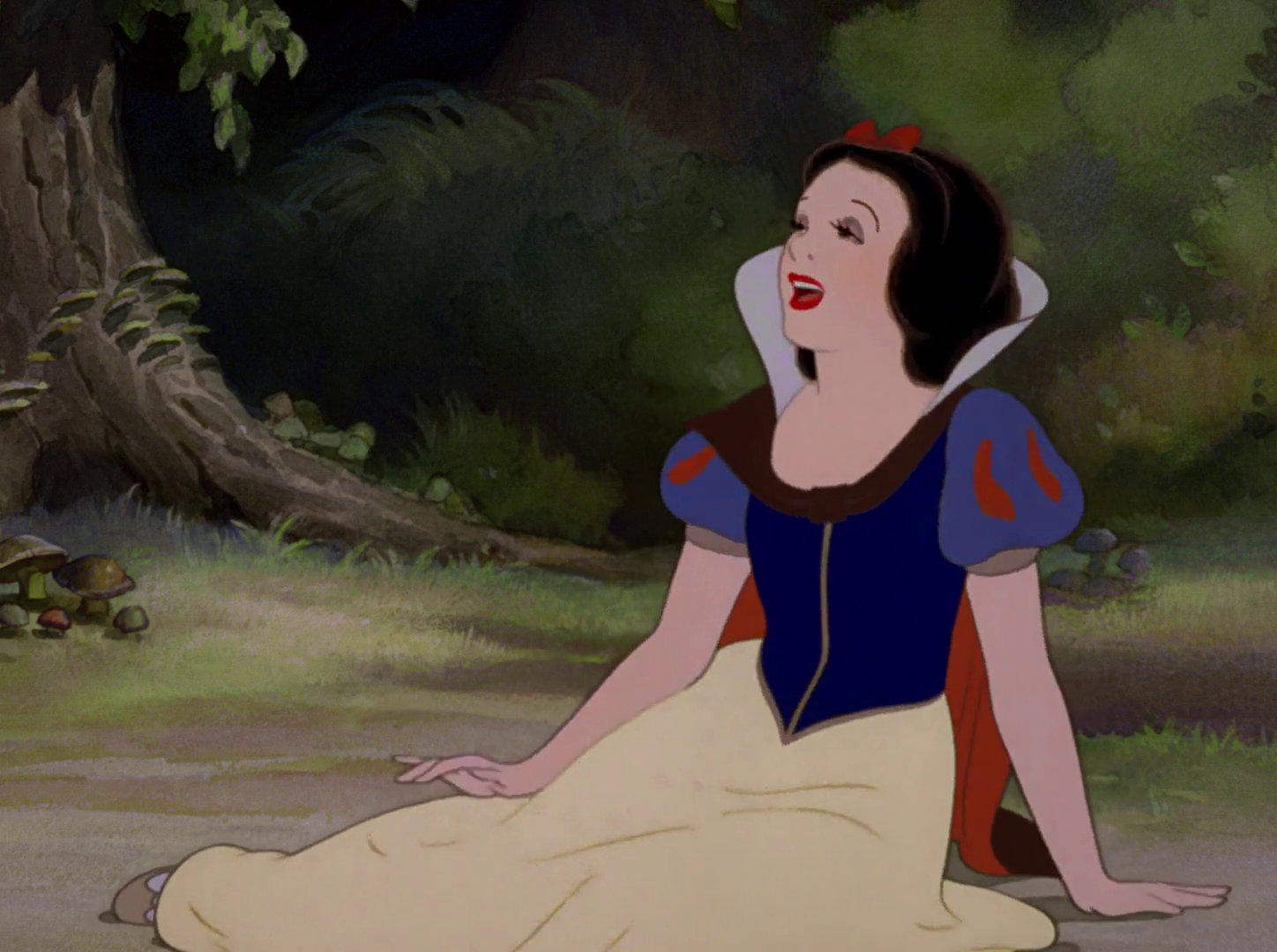
Adriana Caselotti provided the iconic speaking voice and operatic singing vocals for the title character in Walt Disney’s Snow White and the Seven Dwarfs (1937). Despite her foundational contribution to cinema history, studio non-compete restrictions and uncredited performance agreements severely limited her subsequent Hollywood career, culminating decades later in her recognition as a Disney Legend in 1994.
Early Life and Musical Pedigree: The Roots of an Operatic Voice
Adriana Caselotti was born on May 6, 1916, in Bridgeport, Connecticut, into an exceptionally musical Italian-American family. Her father, Guido Caselotti, was an immigrant from Italy who worked as a vocal coach and music teacher in Los Angeles. Her mother, Maria Oresice, was an accomplished opera singer who performed with the Royal Opera Company of Rome. Her older sister, Louise Caselotti, followed directly in their mother's footsteps, becoming a noted operatic soprano and vocal teacher who would famously coach young talent, including a teenage Maria Callas.
Growing up in an environment saturated with classical vocal technique, Caselotti developed a light, high-register coloratura soprano voice characterized by a fast vibrato and pristine pitch accuracy. During her early childhood, the family moved to Rome while her mother toured with the opera, allowing Caselotti to absorb European classical training and master the Italian language. When the family returned to the United States and eventually settled in Southern California, Caselotti began studying singing directly under her father’s tutelage.
This formal operatic background proved crucial to her future casting. In the mid-1930s, animation sound design was in its infancy, and playback equipment relied on standard mid-range frequency reproduction. Animators and musical directors sought voices with clean clarity, distinct articulation, and a stylized, classical timbre that could cut through heavy orchestral arrangements without muddying the optical sound tracks of early motion picture film.
Discovery and Casting in Snow White and the Seven Dwarfs
The process of casting the voice of Snow White began in 1935 as Walt Disney prepared for his groundbreaking project: the world's first full-length animated feature film in Technicolor. Disney was determined to find a voice that sounded genuinely young, naive, and fairytale-like, rather than the overly polished or mature voices typical of adult radio performers of the era. He auditioned over 150 young women and radio actresses across the United States, rejecting candidates who sounded too mature, overly theatrical, or dialect-heavy.
- Guido Caselotti's Vocal Studio
- Disney Casting Call Inquiry
- Adriana Overhears Phone Call
- Eavesdrops & Sings into Extension Line
- Audition at Disney Hyperion Studio
- Selected by Walt Disney over 150+ Candidates
- Casting as Snow White (1935)
The discovery of Caselotti occurred almost by accident. Disney’s casting representatives phoned Guido Caselotti to ask if he could recommend any of his vocal students for the role. Eighteen-year-old Adriana Caselotti listened in on an extension telephone in the family home. Eager to try out, she picked up the receiver, sang into the phone, and spoke in a bell-like tone to showcase her vocal control.
Impressed by the brief preview, studio scouts invited her to the Hyperion Avenue Disney studio for an official screen test. Walt Disney himself listened to her audition from behind a screen or over a studio loudspeaker system so that her physical appearance would not bias his perception of her voice. Disney immediately identified her bright, youthful coloratura as the ideal sound for his princess. She was hired shortly thereafter, entering a production process that would span more than two years.
Recording Snow White: Technical Process and Financial Terms
Recording voice tracks for an animated feature in the mid-1930s presented significant technical and operational challenges. Sound engineers utilized optical sound-on-film recording systems, such as the RCA Photophone variable-area sound recordist equipment. Voice tracks were laid down prior to the completion of the animation so that key animators—including leaders of the "Nine Old Men" like Frank Thomas and Ollie Johnston—could synchronize character lip movements, bodily rhythm, and emotional pacing precisely to the recorded audio.
Caselotti recorded her spoken lines and musical numbers over periodic sessions from 1935 through 1937. Key musical selections featuring her voice included:
- "I'm Wishing": Requiring precise coloratura trills and rapid vocal ornaments that mimicked bird calls and echoes down a stone well.
- "With a Smile and a Song": Demanding sustained pitch accuracy over a lush, mid-tempo orchestral track.
- "Someday My Prince Will Come": A romantic, emotive ballad requiring clear dynamic control without distorting the optical soundtrack.
In addition to vocal tracks, Caselotti provided physical reference work for the studio's animation department, modeling key facial expressions and movement patterns to assist animators in giving Snow White believable human mannerisms.
Financial Terms and Credit Omission
Despite the monumental artistic success of Snow White and the Seven Dwarfs upon its premiere at the Carthay Circle Theatre in December 1937, Caselotti’s compensation and public recognition were remarkably modest:
- Total Compensation: Caselotti was paid $20 per day of recording, earning a cumulative total of approximately $970 for her entire work on the film (equivalent to roughly $20,000 in 2026 economic terms).
- Screen Credit: Her name did not appear in the film's opening or closing credits. At the time, Disney routinely omitted voice actor credits from animated releases to preserve the suspension of disbelief, ensuring audiences viewed the animated characters as real beings rather than performed roles.
- Residual Rights: Early voice actors received no backend royalties, home video residuals, performance rights enforcement, or merchandise profit-sharing.
The Illusion Contract: Studio Exclusivity and Career Constraints
The primary obstacle to Caselotti’s subsequent performing career was not a lack of talent, but the stringent contractual and promotional strategy enforced by Walt Disney and the Walt Disney Studio.
Walt Disney was deeply protective of the illusion created by Snow White. He believed that if audiences saw Caselotti perform on stage, in live-action films, or heard her voice on national radio programs portraying other characters, it would shatter the fairytale magic associated with the character of Snow White.
- Walt Disney Studio Policy
- Preserve Character Illusion
- Omit Voice Credits
- Limit Live Personal Appearances
- Enforce Strict Exclusivity
- Deny Radio Appearances (e.g., Jack Benny)
- Block Live-Action Roles
- Preserve Character Illusion
To maintain this absolute exclusivity, Disney held Caselotti under a restrictive contract that prevented her from accepting voice-over work, theatrical engagements, or radio acting roles without explicit studio authorization. The real-world impact of this studio policy was profound:
- The Jack Benny Incident: Popular radio comedian Jack Benny personally approached Walt Disney to request permission to have Caselotti appear on his highly rated radio program for a guest comedy sketch. Disney refused, stating that the voice of Snow White could not be heard anywhere else to avoid spoiling the character's image.
- Loss of Hollywood Roles: Because studios knew Disney maintained proprietary control over her image and voice association, casting directors frequently bypassed Caselotti for dramatic and musical film roles during the Golden Age of Hollywood.
- Prevented Record Releases: Commercial recordings of her voice outside official Disney re-releases were strictly limited, truncating a potential commercial career in the recording industry.
While this policy successfully turned Snow White into an unblemished, evergreen cultural figure, it effectively froze Caselotti out of establishing a conventional mainstream career as an actress or recording artist during her peak performing years.
Key Milestones, Compensation, and Credits of Adriana Caselotti
The following table details the verified historical career milestones, performance credits, financial compensation, and honors associated with Adriana Caselotti.
| Year | Project / Event | Role / Function | Screen / Public Credit | Historical Significance & Notes |
|---|---|---|---|---|
| 1935–1937 | Snow White and the Seven Dwarfs | Voice & Vocal Model (Snow White) | Uncredited | Paid $20/day (~$970 total). First feature-length animated film voice performance. |
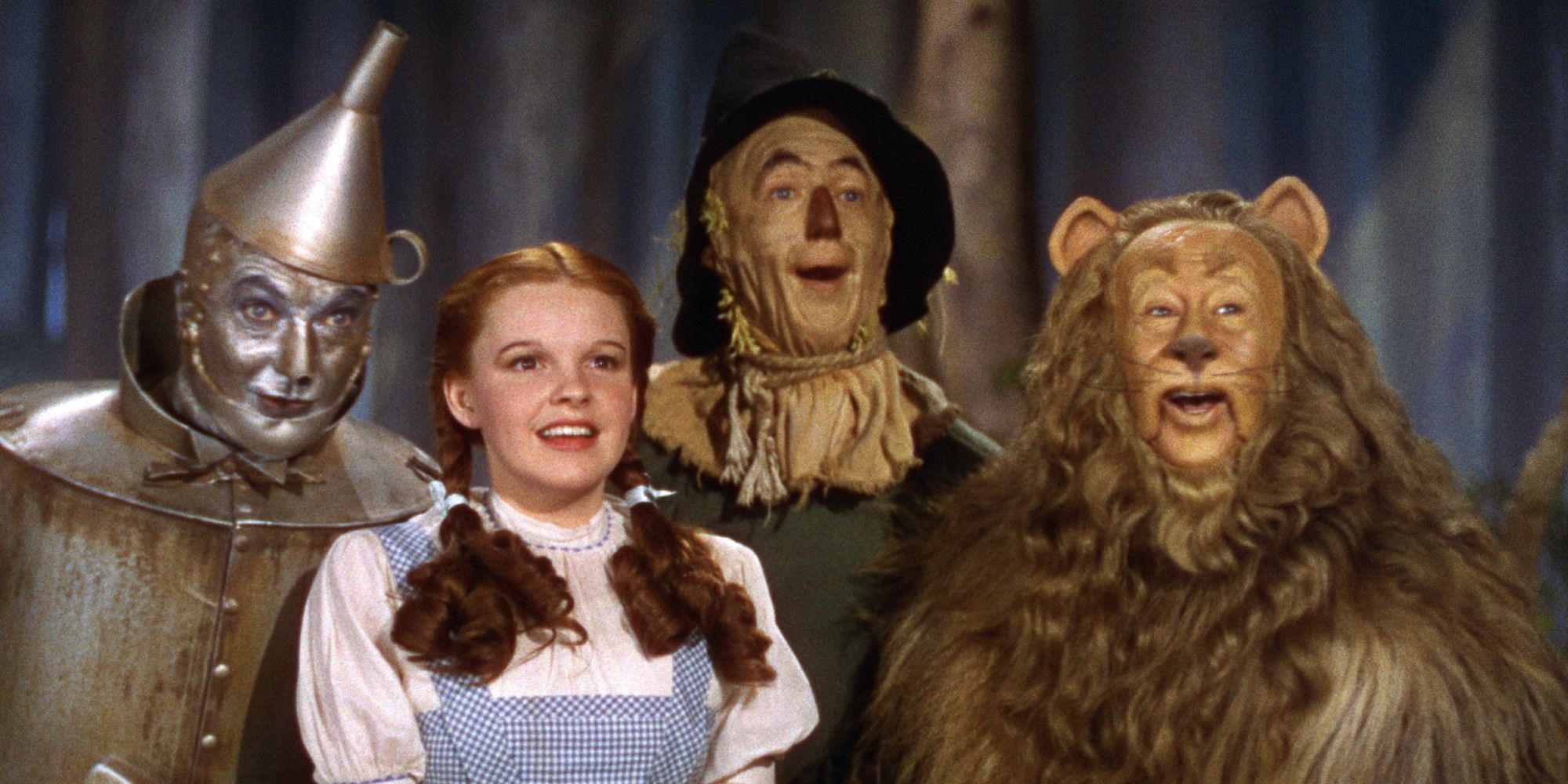
| 1939 | The Wizard of Oz (MGM) | Voice Cameo ("Wherefore art thou, Romeo?") | Uncredited | Spoken off-screen during the Tin Man’s song, "If I Only Had a Heart." Paid $100 for the line. |
| 1946 | It's a Wonderful Life (RKO) | Vocal Performance (Singer in Martini's Bar) | Uncredited | Brief singing appearance as George Bailey prays at the counter; hired directly by Frank Capra. |
| 1972 | The Merv Griffin Show | Guest Appearance / Interview | Credited as Herself | Rare national television appearance discussing her experience working with Walt Disney. |
| 1983 | Disneyland Grotto Re-recording | Vocal Performance (Snow White's Wishing Well) | Official Disney Audio | Re-recorded "I'm Wishing" at age 67 for the permanent audio installation at Disneyland Park. |
| 1994 | Disney Legends Ceremony | Award Recipient (Voice Category) | Official Honoree | Inducted as a Disney Legend; the first female voice artist to achieve this distinction. |
Brief Uncredited Cameos and Post-Disney Performances
Despite the restrictive constraints imposed by her association with Disney, Caselotti made a handful of notable, uncredited appearances in landmark American films during the 1930s and 1940s.
The Wizard of Oz (1939)
Caselotti’s most famous non-Disney film contribution occurred in Metro-Goldwyn-Mayer's The Wizard of Oz. During the Tin Man’s musical sequence, "If I Only Had a Heart," played by Jack Haley, a female voice delivers a spoken line during a musical break, asking: "Wherefore art thou, Romeo?"
MGM musical director Herbert Stothart brought Caselotti in to record this single line. Though she was paid $100 for the brief vocal spot, she once again received no screen credit in the film's final release.
It's a Wonderful Life (1946)
Director Frank Capra cast Caselotti in a small vocal role in the Christmas classic It's a Wonderful Life. She appears in the scene set inside Martini’s Bar, singing an uncredited vocal snippet in the background while the character of George Bailey (played by James Stewart) sits at the bar in deep distress praying for help.
Opera and Personal Promotional Appearances
Outside of Hollywood studio work, Caselotti occasionally pursued classical opera roles, performing in local stage productions of Rigoletto and La Bohème. As decades passed and public interest in early Disney history surged, she leaned heavily into her identity as the voice of Snow White.
She constructed a custom brick replica of Snow White’s wishing well in the front yard of her home in Los Angeles, dressed in custom-made Snow White costumes for public events, and participated in international promotional tours for periodic theatrical re-releases of Snow White and the Seven Dwarfs.
The Disney Legend Honor and Historic Legacy
In her later years, the Walt Disney Company officially embraced Caselotti's historical contribution to the company's foundation. The studio’s treatment of legacy voice actors evolved significantly over the late 20th century, moving away from anonymity toward public celebration.
1994 Disney Legend Induction
On November 22, 1994, during a formal ceremony at the Walt Disney Studios in Burbank, California, Adriana Caselotti was officially inducted as a Disney Legend. She was the very first voice actress to receive the honor, recognized alongside key animators, composers, and studio executives who built the company's early creative legacy.
- Evolution of Voice Acting
- Early Golden Era (1930s)
- Uncredited performances
- Strict non-compete clauses
- Zero residual payments
- Total character anonymity
- Modern Era (1990s–Present)
- High-profile screen credits
- Union scale (SAG-AFTRA) protection
- Residuals & backend compensation
- Featured promotional press tours
- Early Golden Era (1930s)
During her acceptance speech, she performed a brief snippet of "I'm Wishing," demonstrating that she retained much of her distinct vocal range well into her late seventies.
Impact on Voice Actor Industry Rights
The economic and professional conditions of Caselotti's career served as an early precedent that eventually catalyzed reforms in the entertainment industry regarding voice talent:
- Union Representation: The lack of credits and residual compensation experienced by 1930s performers contributed to the expansion of Screen Actors Guild (SAG) jurisdiction over voice-over artists in animated films and commercials.
- Contractual Protection: Modern voice acting contracts explicitly define credit placement, promotional usage, non-exclusive rights, and backend royalty structures, ensuring performers are compensated for home media, digital streaming, and franchise merchandising.
- Recognition of Vocal Performance: Caselotti’s enduring legacy established that character voice work is a foundational dramatic art form integral to the success of animated storytelling, rather than merely an anonymous sound effect.
Adriana Caselotti passed away from cancer on January 19, 1997, at her home in Los Angeles at the age of 80. Her vocal performance remains permanently preserved in the Library of Congress’s National Film Registry as part of Snow White and the Seven Dwarfs.
Frequently Asked Questions
How much was Adriana Caselotti paid for voicing Snow White?
Adriana Caselotti was paid $20 per day of recording, earning a grand total of approximately $970 across her work between 1935 and 1937. She did not receive royalties, residual payments from home video releases, or compensation from character merchandise.
Why wasn't Adriana Caselotti credited in Snow White and the Seven Dwarfs?
Walt Disney chose not to credit voice actors in early animated features to preserve the audience's fairy-tale illusion. He wanted viewers to believe the animated characters were real, independent entities rather than actors delivering lines in a studio.
Did Adriana Caselotti perform in any other major films?
Yes, though in minor, uncredited roles. She provided the spoken line "Wherefore art thou, Romeo?" in MGM’s The Wizard of Oz (1939) and performed a brief background vocal as a bar singer in Frank Capra’s It's a Wonderful Life (1946).
Why did Walt Disney restrict Adriana Caselotti from taking other roles?
Disney wished to prevent the public from associating Snow White’s distinct, high-register voice with other commercial projects, radio shows, or live-action films. He believed that hearing her voice in other media contexts would spoil the magical identity of his studio's flagship character.
When was Adriana Caselotti named a Disney Legend?
Adriana Caselotti was officially inducted as a Disney Legend in November 1994. She holds the distinction of being the first female voice performer to receive this honor from the Walt Disney Company.
Historical Retrospective and Practical Takeaway
Adriana Caselotti’s life and career offer a compelling case study in the evolution of voice performance, copyright control, and actor rights during Hollywood's studio era. While studio restrictions constrained her career path, her vocal work on Snow White and the Seven Dwarfs established the foundational template for animated musical performances that continues to influence animated cinema today. Film historians, voice actors, and animation enthusiasts seeking to understand early studio mechanics can analyze her recorded tracks as a benchmark for early motion-picture sound engineering and classical vocal delivery.