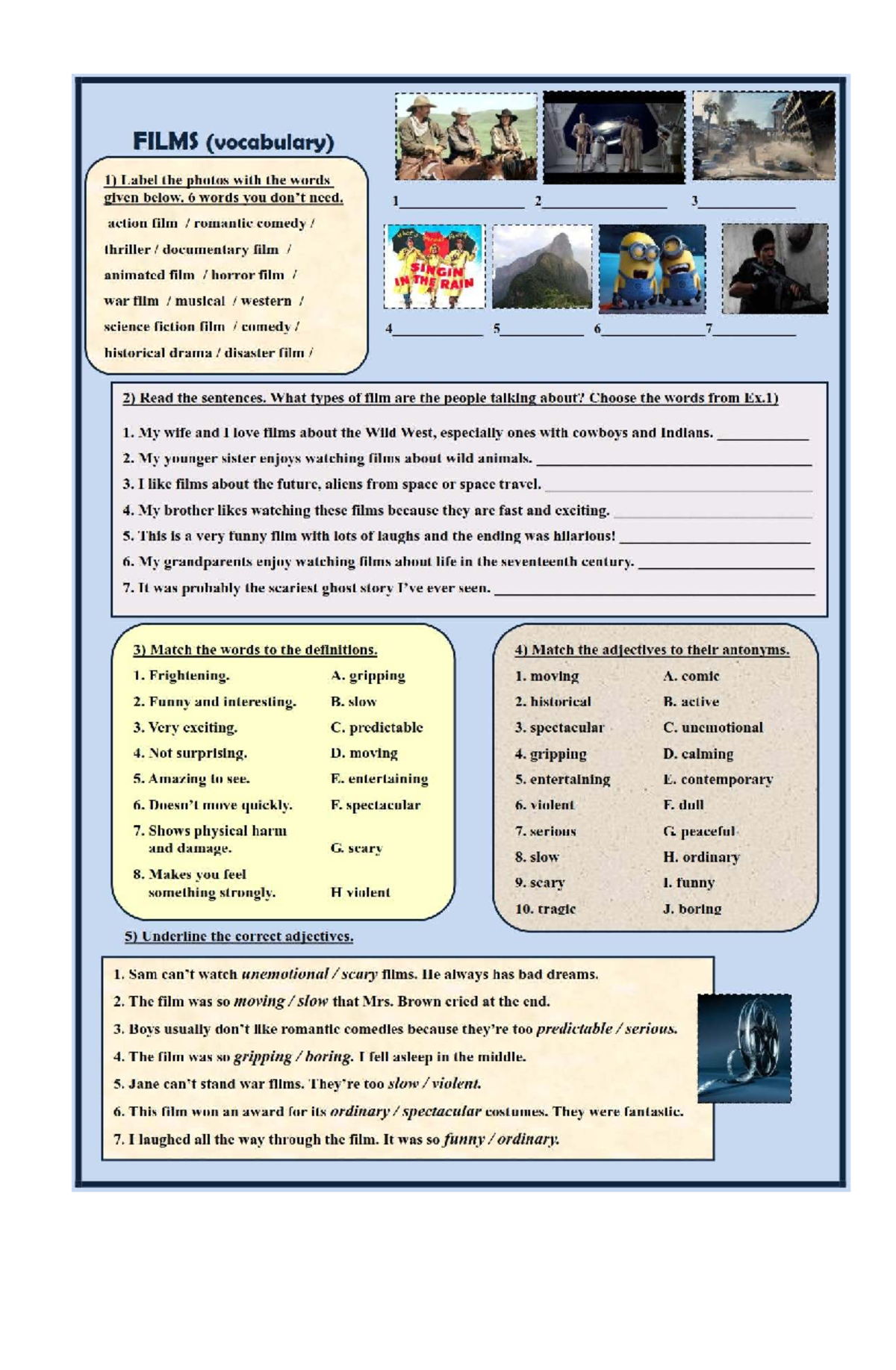
To effectively describe a film, you must select adjectives that capture its specific emotional resonance, technical execution, and narrative structure. Moving beyond generic terms like "good" or "bad," precise descriptors such as visceral, cerebral, atmospheric, or pacing-reliant allow you to communicate the unique essence of a cinematic experience to your audience.
The language of cinema is as diverse as the medium itself. Whether you are a professional critic, a film student, or a casual viewer sharing thoughts on social media, the words you choose define how others perceive the work. In 2026, as the boundaries between traditional cinema and immersive digital experiences continue to blur, having a robust vocabulary of adjectives is more essential than ever for distinguishing quality in an oversaturated media landscape.
The Importance of Precise Vocabulary in Film Analysis
Using specific adjectives is not merely about sounding sophisticated; it is about accuracy and clarity. When you describe a movie as "interesting," you provide no information about why it caught your attention. However, labeling it thought-provoking suggests it challenged your intellect, while calling it engaging implies it maintained your interest through pacing or character.
Precise language helps bridge the gap between a subjective feeling and an objective critique. For instance, if a film feels "slow," identifying it as meditative suggests the slowness is intentional and artistic. Conversely, calling it plodding suggests the slow pace is a flaw in editing or direction. These distinctions are the hallmark of a seasoned observer and provide readers with a clearer expectation of the viewing experience.
Describing Visual Aesthetics and Cinematography
The visual component is the primary language of film. When discussing how a movie looks, you should look beyond the surface level of "pretty" or "ugly."
- Lush: This adjective describes films with rich, vibrant colors and high production values. Think of period dramas or high-fantasy epics where every frame feels saturated and detailed.
- Gritty: Often used for crime dramas or war films, this refers to a visual style that is raw, dark, and realistic, often using high-contrast lighting and handheld camerawork.
- Minimalist: This describes a film that uses very few visual elements to tell its story. It often involves long takes, sparse sets, and a lack of flashy camera movements to focus on the core subject.
- Hyper-stylized: This is perfect for films that prioritize a unique visual "look" over realism. Examples include animated features or neon-soaked noir films where the color palette and lighting are deliberately unnatural.
- Ethereal: Used for films that have a light, airy, or dreamlike quality. This often involves soft lighting, shallow depth of field, and a sense of being disconnected from reality.
When you describe the cinematography as dynamic, you are highlighting the movement and energy of the camera. If you describe it as static, you are noting a formal, deliberate choice where the camera remains still to allow the action to unfold within a fixed frame.
Adjectives for Character Development and Acting
Performances often carry the weight of a film’s emotional success. Describing them requires a focus on both the actor's delivery and the writing of the character.
- Nuanced: This is perhaps the most sought-after quality in acting. A nuanced performance is one that avoids clichés and displays subtle, complex emotions that feel authentic to human nature.
- Compelling: If a character or performance demands your attention and you cannot look away, it is compelling. This is common in "anti-hero" stories where the character might be unlikable but remains fascinating.
- Understated: Some of the best acting is what the actor doesn't do. An understated performance relies on silence and small gestures rather than shouting or grand displays of emotion.
- Histrionic: This is a more technical term for "over-the-top." While often a criticism, histrionic acting can be appropriate in certain comedies or stylized melodramas where exaggerated emotions are the goal.
- Archetypal: Use this when characters represent universal symbols or types, such as "the hero" or "the mentor," rather than being highly individualistic.
Tone and Atmosphere: Setting the Mood
The atmosphere is the "vibe" of the movie—the feeling it leaves you with as the credits roll. It is the result of the combined efforts of the director, sound designer, and cinematographer.
- Somber: This describes a film that is serious, dark, and perhaps a bit sad. It is the opposite of whimsical or lighthearted.
- Foreboding: Excellent for thrillers or horror, this suggests a sense that something bad is about to happen. The atmosphere feels heavy with tension.
- Whimsical: This describes films that are playful, imaginative, and light. It is often associated with fantasy or romantic comedies that don't take themselves too seriously.
- Nihilistic: A very specific term for films that suggest life is meaningless or that morality is an illusion. It is a common adjective for dark, postmodern dramas.
- Poignant: This describes a film that is deeply touching or moving, often in a bittersweet way. It evokes a strong sense of pity or sadness mixed with beauty.
Genre-Specific Descriptors
Each genre has its own set of "power words" that help categorize the experience for the viewer.
Horror and Thrillers
In horror, you might use visceral to describe physical, blood-soaked effects that cause a gut reaction. Alternatively, a movie might be atmospheric, relying on shadows and sound to create dread rather than showing the monster. Cerebral horror targets the mind, using psychological discomfort rather than jump scares.
Comedy
Comedy can be satirical, meaning it uses humor to critique society or politics. It might be slapstick, focusing on physical humor and exaggerated movements. More intellectual comedies are often described as droll or wry, relying on dry wit and understated delivery.
Sci-Fi and Action
Action movies are often frenetic, describing high-speed editing and constant movement. Sci-Fi films can be speculative, focusing on "what if" scenarios regarding technology and the future. If a Sci-Fi film focuses heavily on the cold, hard facts of science, it is often called grounded.
Pacing and Narrative Structure
The way a story is told is just as important as the story itself. Adjectives here help the audience understand the "rhythm" of the movie.
- Languid: A positive way to describe a slow pace. It suggests the film takes its time and invites the viewer to soak in the environment.
- Tight: This describes a screenplay or an edit where every scene is necessary. There is no "fat" on the story, and it moves efficiently toward its conclusion.
- Convoluted: A negative term for a plot that is unnecessarily complicated and hard to follow. It suggests the narrative has lost its way in too many subplots.
- Non-linear: For films that jump around in time, such as those using flashbacks or multiple timelines.
- Jarring: This describes an intentional (or unintentional) break in the film's flow, often created by sudden cuts or extreme shifts in tone.
Technical Comparison Table: Elevating Your Film Reviews
To help you transition from basic adjectives to professional-level critiques, use the following table to find more descriptive alternatives for common words.
| Basic Word | Advanced Alternative | Context for Use |
|---|---|---|
| Good | Exemplary | When a film serves as a perfect model of its genre or style. |
| Bad | Inept | When the filmmaking lacks basic technical or narrative skill. |
| Scary | Unsettling | When a film causes long-lasting psychological discomfort. |
| Boring | Pedestrian | When a film is unimaginative, common, or lacks inspiration. |
| Weird | Surreal | When the film follows dream-logic rather than reality. |
| Sad | Heart-wrenching | When the emotional impact is intense and overwhelming. |
| Fast | Propulsive | When the plot keeps moving forward with great momentum. |
| Confusing | Opaque | When the meaning is intentionally hidden or difficult to grasp. |
| Realistic | Verisimilar | When the film has the appearance of being true or real. |
| Beautiful | Aesthetic | When referring to the overall artistic principles of the visuals. |
Avoiding Cliches: Fresh Language for 2026
By 2026, many classic film-reviewing phrases have become tired. Words like "tour de force" or "rollercoaster of emotions" are so overused they have lost their impact. Instead of relying on these crutches, try to be more specific about the mechanics of the film.
Instead of saying a film is a "must-see," explain that it is essential viewing for the genre. Instead of saying it "kept you on the edge of your seat," describe the mounting tension or the unrelenting pace.
Another common pitfall is the word "pretentious." This is often used as a catch-all for films that are difficult to understand. To be a better critic, try to identify why it feels that way. Is it self-indulgent, meaning the director spent too much time on their own ideas without considering the audience? Or is it arcane, meaning it requires specialized knowledge that the movie fails to provide?
FAQs
What is the difference between an "atmospheric" and a "stylized" film?
An atmospheric film focuses on the feeling or mood (e.g., foggy, quiet, tense) often using naturalistic elements to create a "sense of place." A stylized film (or hyper-stylized) uses deliberate, often artificial choices in lighting, color, or costume to create a look that does not exist in the real world.
How do I describe a film that has a lot of twists?
You can describe the narrative as labyrinthine or unpredictable. If the twists feel earned and well-planned, the plot is intricately woven. If the twists feel cheap or illogical, the narrative might be described as contrived.
What does it mean if a film is "clichéd"?
A clichéd film uses "tropes" or ideas that have been seen so many times they are no longer original or impactful. Better adjectives to use for this are derivative (if it copies another film's style) or hackneyed (if the writing is unoriginal and tired).
Is "cinematic" an adjective?
Yes, but it is often used too broadly. To be "cinematic" means a film takes full advantage of the tools unique to the medium—visuals, sound, and editing—to tell a story that wouldn't work as well in a book or a play.
How can I describe a movie that is hard to watch because it is so intense?
If the intensity is physical (violence/gore), use visceral. If the intensity is emotional, use harrowing. If the movie is visually overwhelming due to fast cuts or bright lights, you might call it frenetic or assaultive.
What adjective describes a film that changes how you see the world?
Transformative is a powerful word for this. You could also use profound if the film deals with deep philosophical truths, or subversive if it successfully challenges your existing beliefs or social norms.
Practical Recommendation for Writers
When writing about a film, start by identifying the primary intent of the director. Once you understand what the film is trying to achieve, select three adjectives that describe the visuals, the performances, and the pacing. By covering these three pillars with specific, nuanced vocabulary, you will provide a comprehensive and professional analysis that resonates with your audience. Avoid using more than two "heavy" adjectives in a single sentence to ensure your writing remains readable and clear.