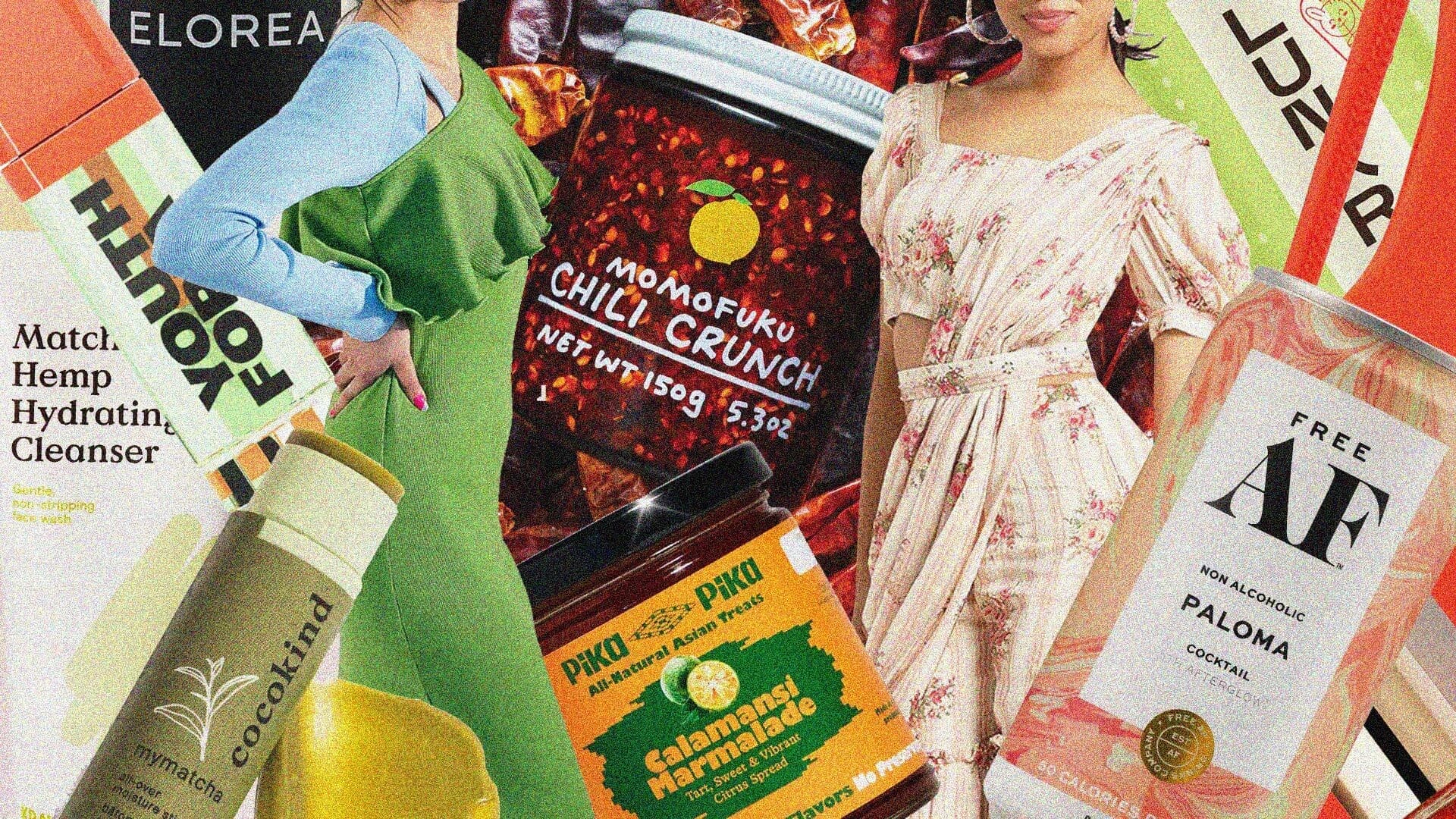
The growth of AAPI-owned brands in 2026 is driven by a powerful combination of $1.6 trillion in community purchasing power and a global shift toward authentic, heritage-led storytelling. By prioritizing radical transparency and cultural integrity, these brands have transitioned from niche market segments to mainstream category leaders, fundamentally redefining consumer trust in the modern retail environment.
The Economic Trajectory of AAPI-Owned Businesses in 2026
The market landscape for Asian American and Pacific Islander (AAPI) brands has undergone a seismic shift over the last five years. As of 2026, the economic influence of the AAPI community has reached unprecedented heights. Data from the U.S. Census Bureau and private economic analyses indicate that AAPI-owned businesses are growing at a rate that outpaces the national average for small-to-medium enterprises (SMEs). This growth is not merely a reflection of population increases but is a direct result of "cultural resonance," a term used by market analysts to describe products that fulfill specific cultural needs while appealing to a broad, multi-ethnic audience.
The total purchasing power of the AAPI community is estimated at $1.6 trillion in 2026. This financial weight has forced major retailers—such as Target, Sephora, and Whole Foods—to move beyond seasonal "Heritage Month" promotions. Instead, they have integrated AAPI-owned brands into their permanent assortments. This permanent shelf space has provided the necessary capital and visibility for brands to scale their operations, leading to a virtuous cycle of reinvestment and expansion.
Furthermore, the "halo effect" of AAPI brands has expanded their reach. Non-AAPI consumers are increasingly seeking out these brands, not just for the novelty of international flavors or ingredients, but because these companies are perceived as more innovative and quality-oriented. In 2026, the success of an AAPI brand is often predicated on its ability to leverage its unique heritage as a competitive advantage in crowded categories like skincare, pantry staples, and wellness.
Understanding the "Trust Surplus" in AAPI Consumer Relations
Trust is the primary currency of the 2026 marketplace, and AAPI brands currently enjoy a significant "trust surplus." This phenomenon occurs when consumers perceive a brand as being more honest or reliable than its legacy competitors. For AAPI founders, this trust is built on three distinct pillars: founder transparency, ingredient integrity, and community advocacy.
Founder transparency involves the willingness of CEOs and creators to share their personal journeys, including the struggles of navigating the American business landscape as a minority. In an era where consumers are wary of faceless corporations, the personal narrative of an AAPI founder provides a human connection that fosters long-term loyalty. This is particularly evident in the "direct-to-consumer" (DTC) space, where social media engagement allows for a two-way dialogue between the brand and its audience.
Ingredient integrity refers to the practice of using traditional, often overlooked, botanical or culinary elements that have been part of Asian cultures for centuries. Whether it is the use of Tremella mushroom in skincare or specific heirloom spices in CPG (consumer packaged goods), AAPI brands are seen as the "rightful stewards" of these ingredients. Consumers trust that these brands will source these materials ethically and use them in ways that respect their cultural origins.
The Role of Cultural Competency in Market Expansion
Cultural competency has evolved from a buzzword into a rigorous business requirement for 2026. AAPI brands that succeed are those that understand the nuances within the AAPI umbrella itself—recognizing that the needs of a South Asian consumer may differ significantly from those of a Southeast Asian or Pacific Islander consumer. Brands that demonstrate this granular understanding build deeper trust than those that treat the AAPI community as a monolith.
This competency extends to marketing strategies. In 2026, high-performing AAPI brands avoid "cliché" imagery. Instead, they utilize sophisticated aesthetic choices that blend traditional motifs with modern, minimalist design. This approach appeals to the "third-culture" generation—those who identify with both their ancestral heritage and their contemporary Western environment. By speaking directly to this demographic, brands create a sense of belonging that traditional legacy brands often fail to replicate.
Retail Evolution: From Niche Aisles to Global Standards
The physical retail experience for AAPI brands has been transformed. In previous decades, "ethnic" aisles were the standard, often segregating AAPI products from their mainstream counterparts. By 2026, this segregation has largely vanished in major urban markets. AAPI-founded skincare brands now sit side-by-side with European luxury labels in the "Premium Beauty" sections of department stores, while AAPI-led food brands occupy the center-aisle real estate previously reserved for multi-national conglomerates.
This shift has significant implications for consumer trust. When a brand like Omsom or Fly by Jing is positioned next to established global brands, it signals to the consumer that the product meets the same (or higher) standards of quality and safety. This "contextual validation" is crucial for capturing the "undecided" consumer who may be trying an AAPI brand for the first time.
Comparison of Brand Engagement Strategies (2026 Data)
The following table outlines the differences in how successful AAPI brands build trust compared to traditional legacy marketing models.
| Strategy Component | Traditional Legacy Model | AAPI Heritage-Led Model (2026) | Impact on Trust |
|---|---|---|---|
| Sourcing | Optimized for lowest cost | Optimized for origin and ethics | High: Increases transparency |
| Messaging | Mass-market appeal | Community-centric storytelling | Very High: Builds emotional bond |
| Product Development | Market-testing driven | Founder-lived experience | High: Perceived as more authentic |
| Feedback Loop | Periodic surveys | Real-time social engagement | High: Faster issue resolution |
| Social Impact | Generic CSR (Corporate Social Responsibility) | Targeted community advocacy | Very High: Aligns with Gen Z values |
Sector Analysis: Beauty, Food, and Wellness
The Beauty and Skincare Revolution
The "K-Beauty" and "J-Beauty" waves of the 2010s laid the groundwork, but by 2026, AAPI-owned beauty brands in the U.S. have moved beyond importing trends. They are now innovating domestically. Brands like Tower 28 and Hero Cosmetics have become household names by focusing on specific skin concerns (such as eczema or acne) while maintaining an inclusive, AAPI-led identity. The trust here is built on the "expert" status of AAPI founders in the skincare realm, a reputation earned through decades of Asian skincare influence on the global stage.
The CPG and Food "Pantry Staple" Shift
In 2026, the American pantry looks different. Chili crisp, high-quality fish sauce, and premium matcha are no longer "specialty items." AAPI brands have succeeded in this space by refusing to "water down" their flavors. Instead, they have educated the consumer, providing recipes and context that empower users to incorporate these flavors into their daily lives. This educational aspect is a key driver of trust; when a brand teaches a consumer a new skill, it builds a mentor-student relationship that is incredibly resistant to competitor poaching.
Holistic Wellness and Mental Health
A burgeoning sector for AAPI brands in 2026 is the wellness and mental health space. There has been a significant rise in AAPI-led platforms and products that address the specific cultural nuances of mental health in Asian communities. By destigmatizing these conversations through a culturally informed lens, these brands have built a level of "safe space" trust that general wellness apps cannot match.
Overcoming Structural Challenges and Scaling
Despite the growth, AAPI brands in 2026 still face hurdles. The "VC Gap" remains a reality; historically, AAPI founders have received a disproportionately small percentage of venture capital relative to their market performance. To combat this, 2026 has seen the rise of AAPI-focused investment funds and angel networks. These organizations provide not just capital, but "culturally competent capital"—funding from investors who understand the specific market dynamics of AAPI-led businesses.
Scaling also presents the challenge of "losing the soul" of the brand. As AAPI brands move into thousands of doors (retail locations), maintaining the hand-crafted or authentic feel that originally built the trust can be difficult. Successful brands in 2026 navigate this by maintaining tight control over their supply chains and continuing to prioritize founder-led communications even at a large scale.
The Impact of Supply Chain Transparency
One of the most technical aspects of building consumer trust in 2026 is supply chain visibility. AAPI brands are at the forefront of using blockchain and QR-code tracking to show consumers exactly where their ingredients come from. For a brand selling high-grade tea or specific spices, being able to show the individual farm in Taiwan or India where the product was harvested is a powerful trust-building tool.
This transparency also serves as a defensive measure against "cultural appropriation" by larger, non-AAPI corporations. When a legacy brand tries to launch a similar product, they often cannot match the deep-rooted supply chain relationships and the "origin story" that the AAPI-owned brand possesses. In 2026, the consumer's ability to verify the "who, where, and how" of a product's creation is a primary factor in their purchasing decision.
Frequently Asked Questions
Why is the AAPI market growing so rapidly in 2026?
The growth is fueled by a significant increase in purchasing power ($1.6T) and a demographic shift toward younger, more diverse consumers who value authenticity. AAPI brands have also successfully moved from niche digital spaces into permanent retail placements, increasing their visibility to the general public.
How do AAPI brands establish trust with non-AAPI consumers?
Trust is established through "expert authority" and transparency. Non-AAPI consumers often view AAPI founders as authorities in categories like skincare and flavor-forward foods. By providing high-quality products with clear, ethical sourcing, these brands cross cultural boundaries easily.
What are the main barriers for AAPI brand founders today?
While market growth is high, access to traditional venture capital remains a challenge. Additionally, as brands scale, they must work harder to maintain their "authentic" identity and ensure their supply chains can meet high demand without sacrificing the quality or cultural integrity of the product.
Is "cultural appropriation" a concern for AAPI brands in 2026?
Yes, many AAPI brands face competition from large conglomerates that attempt to capitalize on Asian cultural trends. However, AAPI-owned brands usually maintain a competitive edge through deeper storytelling, more authentic community ties, and superior supply chain transparency that consumers can verify.
Which sectors are seeing the most AAPI-led innovation?
Beauty and skincare continue to lead, followed closely by Consumer Packaged Goods (CPG) in the food and beverage space. There is also significant new growth in the wellness, mental health, and home goods sectors, where AAPI designers and founders are reimagining traditional concepts for a modern audience.
Moving Forward: Recommendations for Founders and Investors
To capitalize on the current momentum, AAPI brand founders should focus on "ownership of the narrative." This means doubling down on the specific cultural nuances that make their brand unique rather than trying to appeal to everyone at once. In the 2026 economy, specificity is the path to scale.
Investors should look beyond traditional metrics and evaluate the "community equity" a brand holds. A brand with a smaller but highly engaged, trust-based following often has more long-term viability than a brand with high "vanity metrics" but low consumer loyalty. For consumers, the best next action is to continue seeking out the "Founders" page of the brands they support; verifying the leadership and mission of a company remains the most effective way to ensure your spending aligns with your values.