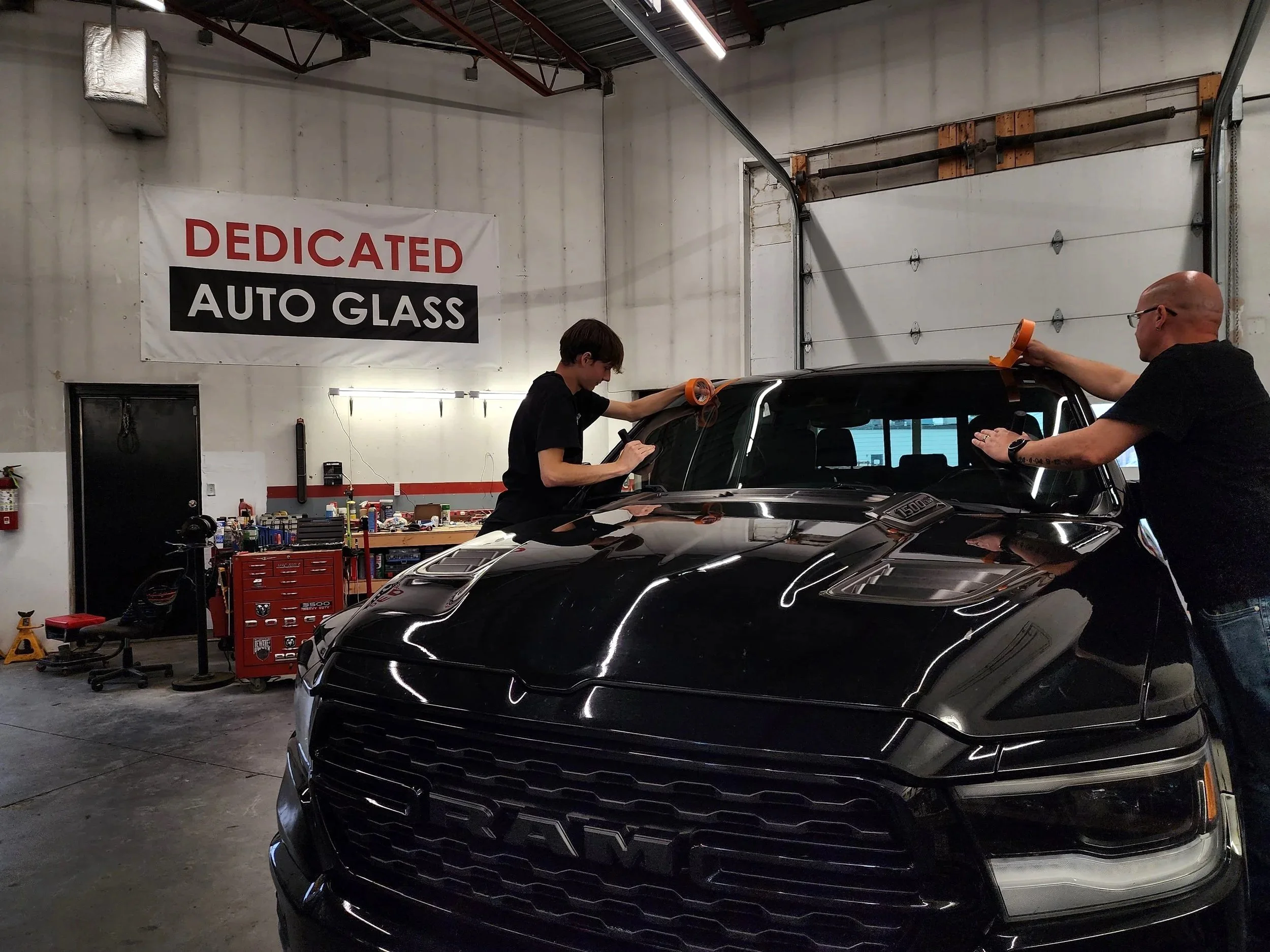
When a stray stone chips your windshield or a break-in shatters your side window, replacing or repairing your vehicle's glass becomes an urgent priority. For policyholders utilizing the AA (Automobile Association) in the United Kingdom or affiliated motoring organizations offering car insurance, understanding how auto glass replacement is handled under your policy prevents unexpected out-of-pocket expenses. Navigating windscreen claims requires a clear grasp of your policy tier, your excess fees, and whether choosing an unauthorized repairer will invalidate your coverage.
Understanding AA Car Insurance Windscreen Cover
Windscreen and auto glass cover is rarely standard across every level of motor insurance. When policyholders look into AA car insurance auto glass replacement, the first variable to check is whether comprehensive coverage or a specialized add-on protects the vehicle. Third-party, fire, and theft policies typically exclude glass damage entirely, meaning any chip repair or full replacement falls squarely on the vehicle owner's shoulders.
Comprehensive policies, however, frequently include glass protection as a core benefit or an optional extra. Under a comprehensive policy, a distinction exists between a simple windscreen repair—filling a minor chip before it spreads—and a complete auto glass replacement. Insurers heavily incentivize repairs over replacements because repairs cost significantly less and preserve the original factory seal of the vehicle.
Comprehensive vs. Third-Party Policies
| Policy Type | Windscreen Repair Coverage | Windscreen Replacement Coverage | Typical Excess Applied |
|---|---|---|---|
| Comprehensive | Usually Included | Usually Included | Lower excess (e.g., £25–£115) |
| Third Party, Fire & Theft | Not Included | Not Included | Full cost borne by owner |
| Third Party Only | Not Included | Not Included | Full cost borne by owner |
Reviewing your specific policy schedule is essential before booking any work. Even within comprehensive tiers, insurers structure their glass benefits differently based on the underwriting partner and the age of the policy.
The Claims Process: Step-by-Step
Filing an auto glass claim through a major motoring insurer like the AA follows a structured administrative pipeline designed to minimize fraud and expedite repairs. Knowing what to expect prevents delays in getting your vehicle back on the road safely.
1. Assessing the Damage
Before contacting your insurer, examine the nature of the damage. Insurance providers generally categorize auto glass damage into two types:
- Chips and Cracks: If a chip on the driver's direct line of vision is larger than 10mm, or larger than 40mm elsewhere on the sweep of the wipers, repair is usually impossible, mandating a full replacement.
- Shattered or Smashed Glass: Side windows, rear windows, and sunroofs cannot be repaired; they require a complete swap. These incidents often require a crime reference number if caused by vandalism or theft.
2. Contacting the Claims Helpline
Rather than calling a local garage directly, policyholders must contact the insurer’s dedicated glass claims line or approved partner network (such as Autoglass or National Windscreens, depending on the current contractual partnerships held by the AA). Reporting the incident promptly ensures that the insurer authorizes the work and applies the correct policy terms.
3. Providing Policy Details
When you call, have your policy number, vehicle registration, and exact details of the damage ready. The representative will ask how the damage occurred, whether it affects the driver's view, and if any advanced driver assistance systems (ADAS) cameras are mounted to the windscreen.
Approved Repairers vs. Independent Garages
Choosing where to get your auto glass replaced significantly impacts your financial liability and the safety of your vehicle. Insurers maintain strict networks of approved glass technicians for several technical reasons.
The Approved Network Advantage
When you use an insurer-approved glass specialist, the provider typically caps your financial responsibility at the specified windscreen excess. Furthermore, approved networks deal directly with the insurance company, eliminating the need for you to pay upfront and claim reimbursement later. This direct-billing model streamlines administration and ensures compliance with policy guidelines.
Going Independent: Risks and Limitations
Opting to use an independent garage outside the insurer's network often voids the seamless billing process. Most policies stipulate a strict cap on reimbursement—sometimes as low as £50 or £100—if you choose an unapproved repairer. Because an auto glass replacement can easily cost hundreds of pounds once recalibration and specialized moldings are factored in, stepping outside the approved network can leave you facing a substantial bill.
Financial Considerations: Excess, No Claims Discount, and Premiums
Understanding the financial mechanics of an auto glass claim helps protect your long-term motoring budget. Many drivers worry that making a claim will trigger a spike in their premiums or strip away their hard-earned No Claims Discount (NCD).
Windscreen Excess Explained
Unlike your standard policy excess—which might be £250 or £500 for a collision—windscreen excess is usually much lower. Insurers typically set windscreen repair excess at £0 to encourage prompt action on chips, while full replacements carry a modest excess, commonly ranging between £75 and £115 if you use an approved supplier.
Impact on No Claims Discount (NCD)
A common misconception is that any insurance claim destroys your NCD. For the vast majority of comprehensive policies, making a claim solely for windscreen repair or replacement does not affect your No Claims Discount. Insurers view glass damage as an unpreventable hazard rather than an indicator of driving risk. However, check your specific policy wording, as multiple claims within a single policy year can sometimes prompt a review by underwriters.
Technical Challenges: ADAS Calibration and Modern Vehicles
Modern vehicle manufacturing has transformed a simple pane of glass into a complex component housing safety-critical technology. Modern auto glass replacement is no longer just a matter of cutting out old polyurethane and gluing in a new sheet of glass.
Advanced Driver Assistance Systems (ADAS)
Most vehicles manufactured in recent years feature forward-facing cameras and sensors mounted directly to the windscreen. These systems power vital safety features such as:
- Autonomous Emergency Braking (AEB)
- Lane Departure Warning (LDW)
- Adaptive Cruise Control (ACC)
- Traffic Sign Recognition
When a windscreen is replaced, these cameras are inevitably detached and reinstalled. Even a fraction of a millimeter variance in glass thickness or camera placement can throw off sensor alignment.
The Necessity of Calibration
Consequently, almost every modern auto glass replacement requires ADAS calibration. This process can be static (performed in a workshop using specialized targets and diagnostic computers) or dynamic (requiring a technician to drive the vehicle at specific speeds along marked roads). Insurers and approved glass technicians coordinate this calibration as part of the replacement service, though policyholders must verify whether calibration is fully covered under their glass benefit limit or if it incurs an additional fee.
Frequently Asked Questions
Will my car insurance premium go up if I claim for a cracked windscreen?
In most cases, making a claim exclusively for windscreen repair or replacement will not increase your insurance premium or affect your No Claims Discount. Insurers treat glass claims separately from at-fault accident claims. However, filing multiple claims in a short window may influence future underwriting renewals.
Can I choose my own garage for auto glass replacement?
While you technically have the freedom to choose any repairer, doing so usually strips away the direct-billing convenience and exposes you to strict reimbursement limits. Using the insurer's approved network ensures your costs are capped at the specified excess and guarantees the work meets manufacturer safety standards.
What is the difference between a windscreen repair and a replacement?
A repair involves injecting a specialized clear resin into a chip or minor crack, curing it with UV light to restore structural integrity and optical clarity. A replacement is required when the damage is too large, lies directly in the driver's primary line of vision, or compromises the structural bond of the frame.
Does my policy cover side windows and rear glass?
Comprehensive policies that include glass cover typically protect all exterior vehicle glass, including side windows, quarter glass, and rear heated screens. However, unlike windscreens—which can often be repaired—side and rear glass must be replaced entirely, and incidents involving vandalism or break-ins usually require a police crime reference number.
How long does an auto glass replacement take?
A standard windscreen replacement typically takes between one to two hours. However, vehicles equipped with ADAS technology may require an additional hour for static or dynamic sensor calibration. Furthermore, vehicles often require a "drive-away time" to allow the polyurethane adhesive to cure safely before the car can be driven legally.
Conclusion and Next Actions
Handling an auto glass incident smoothly requires verifying your comprehensive policy details, contacting the provider before scheduling unapproved work, and preparing for technical necessities like ADAS calibration. If your vehicle suffers glass damage, check your policy documents for your specific windscreen excess, contact the AA or your designated insurer claims line immediately, and book your service through an approved technician to guarantee safety, compliance, and cost protection.