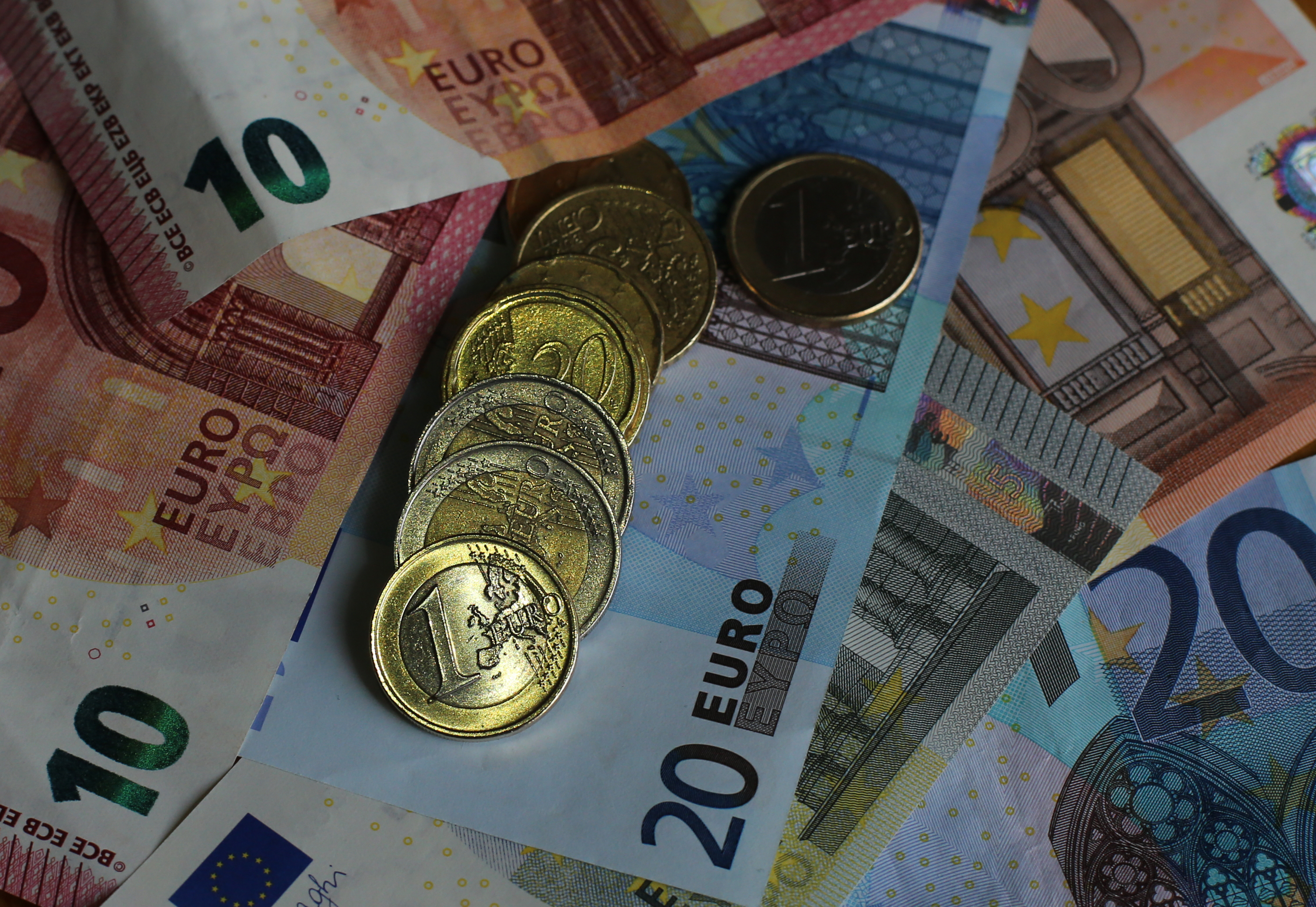
At a hypothetical mid-market exchange rate of 1.0800, 90,000 Euros (EUR) converts to $97,200.00 US Dollars (USD). However, the final amount you receive depends heavily on the "spread" or markup applied by your bank or transfer provider, as well as any fixed international wire fees.
Converting a substantial sum like 90,000 Euros involves more than just a simple multiplication. For transactions of this scale, even a minor fluctuation in the exchange rate—often referred to as a "pip"—can result in a difference of hundreds or even thousands of dollars. As of 2026, the global currency market remains a volatile environment influenced by the monetary policies of the European Central Bank (ECB) and the Federal Reserve. Whether you are purchasing property, transferring an inheritance, or facilitating a business payment, understanding the mechanics of high-value currency exchange is essential for capital preservation.
Understanding the EUR/USD Exchange Rate Dynamics
The Euro (EUR) and the US Dollar (USD) represent the most liquid and heavily traded currency pair in the world. This pair is the "benchmark" for global trade. To convert 90,000 Euros effectively, you must first distinguish between the various types of exchange rates available in the marketplace.
The Mid-Market Rate vs. The Retail Rate
The mid-market rate (also known as the interbank rate) is the midpoint between the "buy" and "sell" prices of two currencies. This is the rate you see on Google or Reuters. However, individuals and small-to-medium businesses rarely get this rate. Instead, banks and traditional exchange bureaus offer a "retail rate."
When you convert 90,000 Euros at a traditional bank, they typically apply a margin of 2% to 5% above the mid-market rate. On a 90,000 EUR transfer, a 3% markup means you are effectively paying 2,700 EUR just in hidden currency conversion costs. Understanding this "hidden fee" is the first step in ensuring you don't lose a significant portion of your capital during the transition.
Factors Influencing the Rate in 2026
In the current 2026 economic landscape, the EUR/USD rate is primarily driven by the interest rate differential between the Eurozone and the United States. If the Federal Reserve maintains higher interest rates than the ECB, the USD typically strengthens, meaning your 90,000 Euros will buy fewer dollars. Conversely, if the Eurozone experiences stronger GDP growth or higher inflation-adjusted returns, the Euro may appreciate.
Other factors include:
- Geopolitical Stability: Major shifts in European or North American trade policies.
- Trade Balances: The volume of exports and imports between the two regions.
- Market Sentiment: "Safe-haven" flows that often favor the US Dollar during times of global uncertainty.
The Real Cost of Converting 90,000 EUR
When dealing with five-figure sums, the cost structure of the conversion is split into two categories: visible fees and invisible margins.
Visible Transaction Fees
These are the upfront costs disclosed by the provider. For an international wire transfer, a bank might charge a flat fee ranging from $25 to $50. While this seems manageable, it is often the smaller portion of the total cost. Specialized fintech platforms often charge a percentage-based fee (e.g., 0.4% to 0.7%), which on 90,000 EUR would equate to roughly 360 to 630 EUR.
The Exchange Rate Spread (Invisible Cost)
The spread is the difference between the rate the provider uses to buy the currency and the rate they give to you. For large transfers, the spread is where most providers make their profit.
- Tier 1 Banks: Often have a wide spread (2.5% - 4%).
- Digital Transfer Services: Usually offer tighter spreads (0.5% - 1%).
- Currency Brokers: May offer bespoke rates for amounts over 50,000 EUR, potentially narrowing the spread to 0.3% or less.
Comparison of Methods for 90,000 EUR Transfers
Choosing the right provider is the most critical decision when converting 90,000 Euros. The following table compares the typical outcomes for a transfer of this size.
| Provider Type | Typical Exchange Rate Markup | Estimated Fees | Total Cost (on 90k EUR) | Estimated USD Received* |
|---|---|---|---|---|
| Major Retail Bank | 3.50% | $45.00 | ~$3,195 | $94,005 |
| Fintech (e.g., Wise) | 0.45% | Included | ~$405 | $96,795 |
| Currency Broker | 0.30% | $0.00 | ~$270 | $96,930 |
| Airport/Cash Exchange | 8.00%+ | Variable | ~$7,200+ | $90,000 or less |
*Calculations based on a hypothetical mid-market rate of 1.08. Actual rates will vary based on real-time market conditions.
Traditional Wire Transfers (SWIFT)
Most high-value transfers move through the SWIFT (Society for Worldwide Interbank Financial Telecommunication) network. While highly secure, SWIFT transfers often involve "intermediary banks" that may deduct their own fees from the 90,000 EUR as it moves from Europe to the US. This can result in the recipient receiving slightly less than the expected amount.
Specialized Currency Brokers
For amounts exceeding 50,000 EUR, currency brokers (such as Currencies Direct or OFX) often provide the best value. Unlike automated apps, these brokers provide access to a dedicated account manager. They offer advanced tools like Forward Contracts, which allow you to lock in a current exchange rate for a future transfer—a vital tool if you believe the Euro will weaken before you are ready to send the money.
Regulatory and Compliance Requirements for $90,000+
Transferring 90,000 Euros across borders triggers several regulatory "red flags" designed to prevent money laundering and tax evasion. It is essential to have your documentation in order before initiating the transfer.
US Reporting Requirements (FinCEN and IRS)
If you are a US person (citizen or resident) receiving 90,000 EUR, you must be aware of the following:
- Form 8300: While primarily for cash transactions over $10,000, banks will automatically file a Currency Transaction Report (CTR) for large electronic transfers.
- FBAR (FinCEN Form 114): If the 90,000 EUR is sitting in a foreign bank account before the transfer, and your total foreign holdings exceed $10,000 at any time during the year, you must disclose this account to the US Treasury.
- FATCA Reporting: Depending on your filing status and the total value of your foreign assets, you may need to file IRS Form 8938.
Proof of Funds
The sending bank in the EU and the receiving bank in the US will likely request "Proof of Funds." You should be prepared to provide:
- A bill of sale (if the money is from a property or asset sale).
- A grant of probate (if the money is an inheritance).
- An employment contract or payslips (if the money is from savings).
- Tax returns showing the income was declared.
Failure to provide this documentation can result in the 90,000 EUR being "frozen" by the compliance department of either bank for days or even weeks.
Strategy: When to Convert Your 90,000 Euros
Market timing is notoriously difficult, but for a 90,000 EUR conversion, certain strategies can mitigate risk.
Using Limit Orders
A limit order allows you to set a "target" exchange rate. For example, if the current rate is 1.08 but you believe it will reach 1.10, you can instruct your broker to execute the conversion only when that rate is hit. This ensures you do not have to watch the markets 24/7.
Spot Contracts for Immediate Needs
If you need the USD immediately (e.g., for a closing date on a house), a "Spot Contract" is the standard method. You agree to the current market rate and the funds are typically delivered within 1 to 3 business days.
Avoiding "Volatility Events"
In 2026, be mindful of scheduled economic announcements. Data releases such as the Non-Farm Payrolls (NFP) in the US or the Consumer Price Index (CPI) in the Eurozone can cause the EUR/USD pair to swing by 1% or more in a matter of minutes. Converting 90,000 EUR just before these announcements is essentially a gamble.
Practical Steps to Execute the Transfer
- Verify the Mid-Market Rate: Check a reliable source like the European Central Bank to see the official reference rate.
- Compare at Least Three Providers: Check your local bank, one major fintech (like Wise or Revolut), and one specialist currency broker.
- Check for Account Limits: Ensure your digital wallet or bank account has the "daily transfer limit" high enough to move 90,000 EUR. You may need to call the bank to temporarily lift this limit.
- Confirm Recipient Details: For a US transfer, you need the recipient's name, address, bank name, ABA Routing Number, and SWIFT/BIC code.
- Initiate a Test Transfer (Optional): If you are nervous, send 1,000 EUR first to ensure the pipeline is clear before sending the remaining 89,000 EUR.
Frequently Asked Questions
Is there tax on transferring 90,000 Euros to the US?
Generally, the act of transferring money is not a taxable event. However, the reason for the money may be taxable. For example, if the 90,000 EUR represents capital gains from a stock sale or rental income, you may owe taxes to the IRS or the relevant European tax authority. Always consult with a qualified tax professional regarding international transfers of this size.
How long does it take for 90,000 EUR to arrive in a US bank?
Typically, a SWIFT transfer takes 1 to 5 business days. Fintech platforms may be faster, sometimes completing the transfer within hours if they have local liquidity in both the EU and the US. However, high-value transfers are subject to manual compliance reviews, which can add 24-48 hours to the processing time.
Can I use a credit card to convert 90,000 Euros?
Technically yes, but it is highly inadvisable. Credit cards charge high "cash advance" fees and offer some of the worst exchange rates available. Furthermore, most credit cards have credit limits far below 90,000 EUR. A bank transfer or specialized foreign exchange (FX) provider is the only cost-effective way to handle this amount.
What happens if I provide the wrong ABA routing number?
If the routing or account number is incorrect, the funds will likely be rejected by the receiving bank. However, "recalling" a SWIFT wire is a complex and often expensive process that can take weeks. Double-check all numbers—especially the difference between "paper" and "electronic" routing numbers—before hitting send.
Will the exchange rate be better if I transfer in increments?
Usually, no. Most providers offer better rates for larger volumes. Splitting 90,000 EUR into ten transfers of 9,000 EUR will likely result in higher total fees and a worse average exchange rate. Additionally, frequent large transfers just under reporting thresholds can be flagged as "structuring," which is a criminal offense in many jurisdictions.
Final Recommendation
To maximize the US Dollars you receive from 90,000 Euros, avoid using a traditional retail bank. Instead, utilize a specialized currency broker or a reputable fintech platform that offers a spread of less than 0.5%. Before sending the funds, ensure all proof-of-funds documentation is ready to avoid delays at the compliance gate. For most users, the combination of a transparent digital platform and a limit order strategy provides the best balance of security and value.