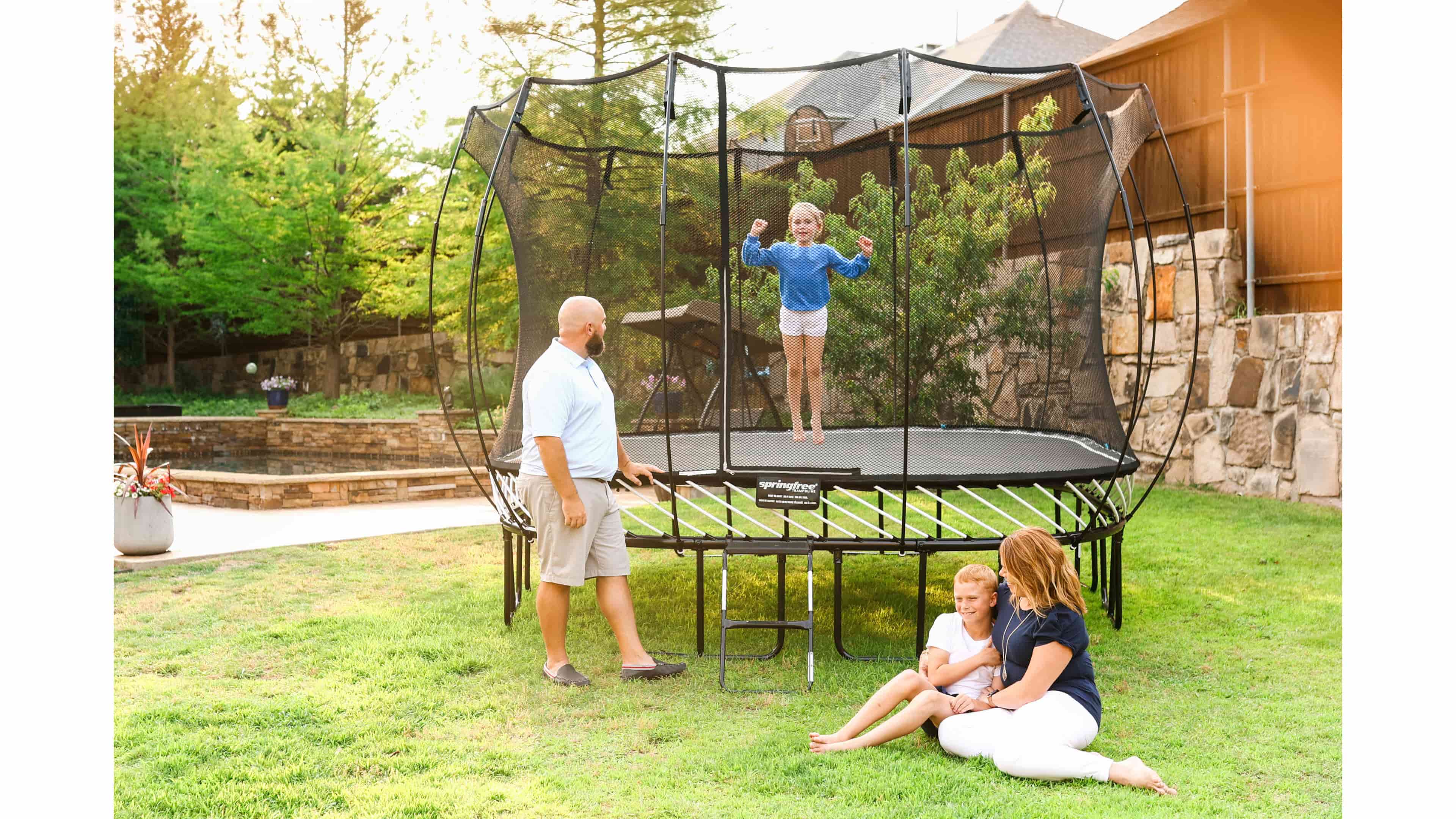
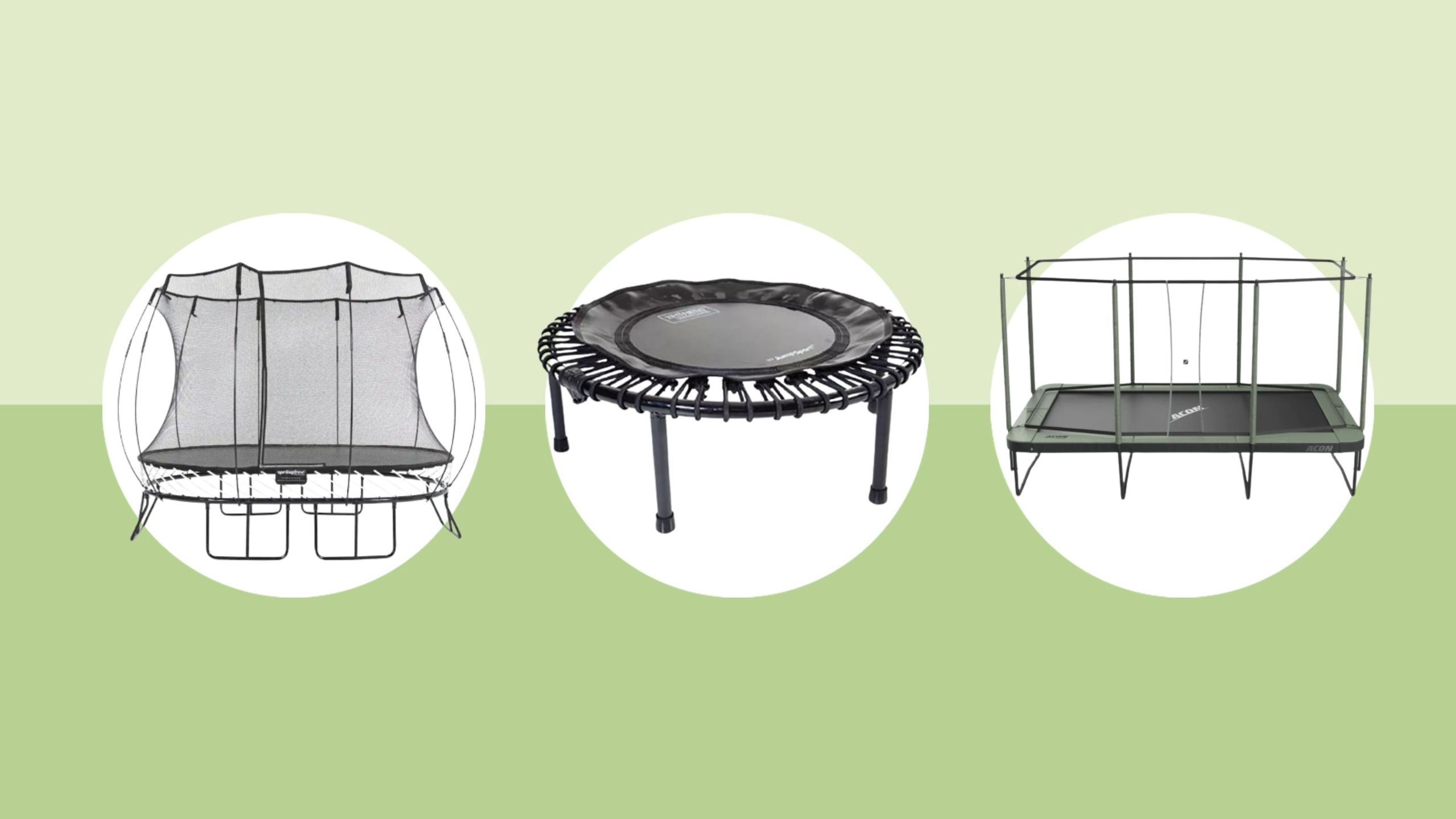
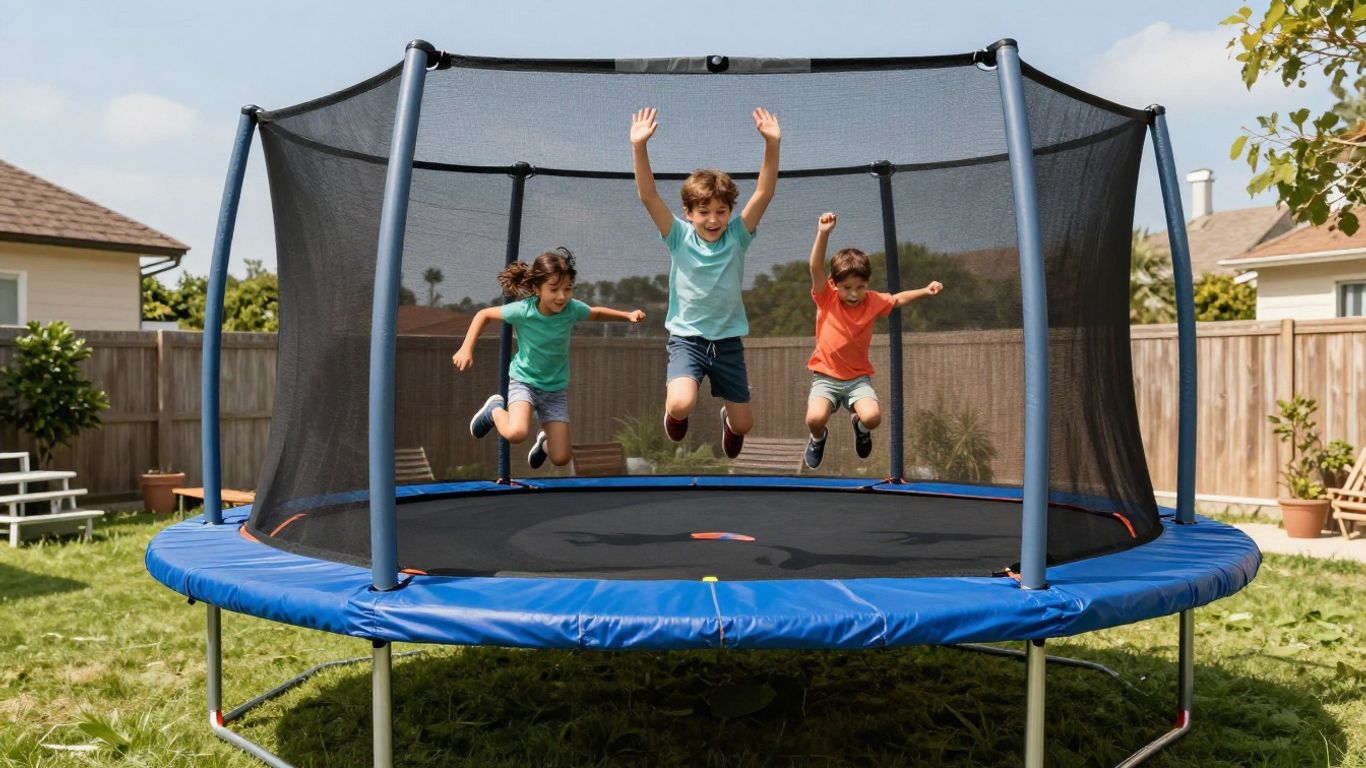
Finding a budget-friendly backyard trampoline requires balancing structural safety, frame durability, bounce quality, and overall cost without cutting corners on essential safety padding and enclosure integrity.
Transforming a backyard into a recreational oasis does not require spending thousands of dollars on high-end, commercial-grade equipment. The modern backyard trampoline market offers numerous budget-conscious models that deliver exceptional bounce performance, robust weather resistance, and—most importantly—rigorous safety standards. Selecting an affordable trampoline for every backyard involves evaluating frame gauge steel, enclosure net design, spring count versus bounce dynamics, and weight capacity limits. Whether you are shopping for energetic toddlers, growing teenagers, or adults looking for a low-impact cardio workout, understanding what distinguishes a safe, durable, and economical trampoline from a flimsy hazard is essential for making a lasting investment.
Understanding Backyard Trampoline Safety and Standards
Safety must remain the primary consideration when evaluating any backyard trampoline, regardless of its price point. Modern trampolines have evolved significantly from the exposed-spring hazards of past decades, incorporating safety nets, padded pole sleeves, and innovative enclosure systems that keep jumpers securely inside the jumping mat area.
ASTM International (formerly known as the American Society for Testing and Materials) maintains voluntary consensus standards for trampoline safety, specifically ASTM F381 for components, assembly, and use, and ASTM F2225 for safety enclosures. When evaluating affordable options, verifying that a manufacturer adheres to these testing protocols provides critical reassurance regarding structural integrity. Furthermore, look for frames constructed from galvanized steel. Galvanization prevents rust and corrosion caused by rain, snow, and UV exposure, extending the lifespan of the equipment significantly in diverse climatic conditions.
Another vital safety metric is the weight capacity. Affordable models often feature lower weight thresholds, making it imperative to match the trampoline's single-user and total weight ratings to the intended household users. Exceeding weight limits can bottom out the mat, putting excessive strain on the springs and frame, and increasing the risk of bottoming out against the ground or frame rails.
Key Factors to Consider Before Buying an Affordable Trampoline
Navigating the array of budget-friendly trampolines requires careful analysis of physical space, material specifications, and installation requirements. Before finalizing a purchase, weigh several fundamental criteria to ensure the chosen model suits your family and yard environment.
Yard Size and Clearance Requirements
A common mistake is measuring only the footprint of the trampoline itself. Safety guidelines dictate maintaining a clear perimeter of at least 6 to 8 feet around the entire circumference of the trampoline, free from overhanging tree branches, power lines, fences, and garden furniture. Overhead clearance is equally critical; ensure no low-hanging obstructions exist above the jumping surface.
Frame Construction and Leg Design
The backbone of any trampoline is its frame. Look for high-density galvanized steel tubes with a thickness of at least 1.5 millimeters. U-shaped legs provide superior stability compared to straight-leg designs, distributing weight evenly across soft turf, concrete pads, or composite decking.
Enclosure Net Placement
Safety enclosures generally fall into two categories: inside-the-net designs and outside-the-net designs.
- Inside-the-net models place the safety net between the jumper and the springs, completely eliminating the risk of a foot or hand slipping into the spring mechanism.
- Outside-the-net models attach the netting to the outer perimeter of the frame padding, maximizing the usable jumping surface area while keeping jumpers away from the hard steel frame poles.
Comparative Overview of Top Budget-Friendly Backyard Trampolines
To help navigate the vast landscape of affordable options, the following comparative analysis outlines seven distinct models widely recognized for combining cost-efficiency, safety features, and durability.
| Trampoline Model | Size Options | Enclosure Style | Estimated Price Range | Notable Feature |
|---|---|---|---|---|
| SkyBound USA Airborne Series | 12ft, 14ft | Inside-the-net | Moderate-Budget | Advanced UV-resistant net stitching |
| Zupapa No-Gap Trampoline | 10ft, 12ft, 14ft, 15ft | Inside-the-net (No-gap mat) | Moderate-Budget | Unique spring-interlocking protection |
| Skywalker Trampolines 15-Foot | 12ft, 15ft | Outside-the-net (Patented gap-free) | Budget-Friendly | Patented enclosure net eliminates gaps |
| JumpTek Classic Backyard Trampoline | 10ft, 12ft, 14ft | Outside-the-net | Budget-Friendly | Heavy-duty galvanized steel frame |
| Upper Bounce Easy Assemble Trampoline | 7ft to 16ft | Inside/Outside options | Budget-Friendly | Modular construction for easy setup |
| Acon Air 14ft Trampoline (Standard/Budget tier) | 14ft | Outside-the-net | Premium-Budget | Heavy-duty springs for high bounce |
| Merax 12FT Trampoline with Safety Enclosure | 12ft, 14ft | Inside-the-net | Entry-Level Budget | Complete all-in-one affordable kit |
Detailed Breakdown of the 7 Best Affordable Picks
1. Skywalker Trampolines 15-Foot Jump N' Dunk
As one of the most recognizable names in backyard recreation, Skywalker Trampolines consistently delivers dependable quality at an accessible price point. The 15-foot model stands out due to its patented enclosure net design, which attaches directly to the jumping mat at each V-ring. This clever engineering eliminates dangerous gaps between the net and the jumping surface, safeguarding small hands and feet from accidental entrapment. Additionally, this model often ships with a breakaway basketball hoop made of soft foam, adding recreational value without compromising safety. The galvanized steel frame resists rust, while the thick PVC spring pad adds an extra layer of impact protection.
2. Zupapa No-Gap Mat Trampoline
For parents prioritizing absolute safety without entering luxury price brackets, the Zupapa No-Gap series offers a compelling solution. Zupapa designs its safety pad and jumping mat as a single cohesive unit, completely sealing off the springs from the interior jumping zone. This eliminates the traditional spring-pinch hazard entirely. Certified by ASTM and TUV, the frame utilizes an innovative hot-dip galvanizing technique that makes the steel structure exceptionally durable against harsh winter weather and intense summer sun. The high weight capacity across multiple size variations (from 10 to 15 feet) ensures that older children and even adults can use the equipment safely.
3. SkyBound USA Airborne Series
SkyBound is renowned for engineering trampolines that emphasize bounce quality and longevity. The Airborne series bridges the gap between affordable pricing and premium performance. It features high-tensile steel springs that provide a smooth, responsive bounce without feeling overly rigid. The enclosure net utilizes high-density, UV-treated mesh that resists fraying and sun degradation—a common failure point in cheap entry-level models. Furthermore, SkyBound incorporates curved safety poles coated in thick foam padding, ensuring that jumpers who accidentally lean against the enclosure poles are cushioned against impact.
4. JumpTek Classic Backyard Trampoline
The JumpTek Classic series is an excellent choice for budget-conscious homeowners seeking a straightforward, reliable, and no-frills bouncing experience. Utilizing a traditional outside-the-net configuration, it maximizes the interior jumping area while maintaining a sturdy structural profile. The frame is constructed from heavy-gauge galvanized steel secured with reinforced T-sockets, which prevent structural twisting and joint separation during high-impact use. While it may lack advanced proprietary features like interlocking mats, its straightforward assembly, dependable weather-resistant pads, and competitive price make it a staple for suburban backyards.
5. Upper Bounce Easy Assemble Trampoline
Assembly frustration is one of the most common complaints among backyard trampoline buyers. Upper Bounce addressed this pain point directly with its Easy Assemble line, which utilizes a specialized clip-and-lock frame design that minimizes the need for complex tools and frustrating hardware alignment. Available in a wide variety of sizes ranging from compact 7-foot models to expansive 16-foot giants, this series accommodates virtually any yard dimension. The safety pad is engineered from high-density, weather-resistant PE foam wrapped in waterproof vinyl, protecting the frame and springs from moisture accumulation and UV degradation.
6. Acon Air (Standard Budget-Conscious Tier)
While Acon is frequently associated with high-end, commercial-grade rebounders, their entry-level and standard configurations offer an affordable pathway to superior bounce dynamics. Acon trampolines are celebrated for their heavy-duty, cross-sewn jumping mats and longer, premium galvanized springs. This combination delivers a deeper, smoother bounce that appeals to older kids, teenagers, and gymnastics enthusiasts. Though positioned at the higher end of the affordable spectrum, the exceptional durability and long-term availability of replacement parts make it a financially prudent investment over a multi-year lifespan.
7. Merax 12FT Trampoline with Safety Enclosure
For shoppers working with strict entry-level budgets, the Merax 12-foot trampoline provides a complete, all-in-one safety kit that includes the frame, mat, safety net, spring cover pad, and ladder. The safety net features a dual-zipper and latch-clip closure system, ensuring secure entry and exit while preventing accidental unzipping during active use. The rust-resistant frame rests securely on robust W-shaped legs, providing adequate stability on flat lawns. While the padding materials may require replacement sooner than premium competitors, the initial affordability makes it an attractive option for casual backyard fun.
Installation, Placement, and Site Preparation
Proper installation is just as critical as product selection when ensuring long-term safety and performance. Assembling a backyard trampoline requires patience, correct tools (such as spring-pulling tools), and careful site preparation.
- Surface Selection: Always place the trampoline on a flat, level surface. Grass or turf is ideal, as it absorbs some impact and allows for easy anchoring. Avoid placing trampolines directly on unyielding concrete or asphalt without specialized shock-absorbing ground mats.
- Ground Anchoring: In regions prone to high winds, severe storms, or hurricanes, a lightweight affordable trampoline can easily become a airborne hazard. Invest in a heavy-duty wind anchor kit (typically heavy steel corkscrew stakes strapped to the frame) to secure the structure firmly to the earth.
- Clearance Checks: Re-verify that the 6-to-8-foot safety perimeter is entirely clear of fences, walls, garden sheds, clotheslines, and low-hanging tree branches before allowing anyone to jump.
Maintenance and Longevity Practices
Maximizing the lifespan of an affordable trampoline requires proactive seasonal maintenance. While galvanized steel frames withstand the elements remarkably well, fabric and foam components suffer degradation from prolonged UV exposure, moisture, and freezing temperatures.
Inspect the safety pad, enclosure netting, and jumping mat at the start of every spring season. Look for signs of thread fraying, UV fading, or foam compression. If you live in an area with harsh winters featuring heavy snowfall, it is highly recommended to disassemble the safety enclosure netting and store the jumping mat and spring pads indoors. Leaving heavy snow accumulation on a trampoline mat stretches the springs prematurely and can warp the structural frame rails. Regularly check the frame bolts and leg joints to ensure no vibrations have loosened the hardware over months of energetic bouncing.
Frequently Asked Questions
What size trampoline is best for a standard suburban backyard?
A 12-foot or 14-foot trampoline generally offers the optimal balance between usable jumping space and safe spatial clearance for most standard suburban backyards. It provides ample room for multiple children or a single teenager to jump comfortably while leaving the required 6-to-8-foot safety perimeter free from fences and property lines.
Are inside-the-net trampolines safer than outside-the-net models?
Inside-the-net designs position the safety enclosure barrier between the jumper and the metal springs, effectively eliminating the risk of foot or ankle entrapment in the spring mechanism. Outside-the-net designs maximize the internal jumping surface area by placing the net outside the springs, relying instead on thick vinyl spring pads for protection. Both are safe when maintained properly, but inside-the-net models offer better passive protection for younger children.
How can I secure my affordable trampoline against high winds?
High winds can easily lift and displace lightweight trampolines. To prevent property damage or injury, use a dedicated wind anchor kit consisting of steel corkscrew anchors twisted deep into the ground and securely strapped over the trampoline's frame legs. In areas expecting severe storm warnings or hurricanes, detaching the safety net and lowering the overall wind profile is strongly advised.
Can adults use budget-friendly backyard trampolines?
Yes, provided that the chosen model's single-user and total weight capacities accommodate adult body weights. Always verify the manufacturer specifications before purchase, as many entry-level budget trampolines feature lower weight limits designed strictly for growing children rather than heavy adult use.
Do affordable trampolines come with all necessary assembly tools?
Most reputable budget-friendly brands include a basic spring-pulling tool (T-hook) and standard wrenches necessary for assembly. However, having a rubber mallet on hand to seat frame joints snugly and wearing sturdy work gloves to protect hands during spring tensioning will make the assembly process significantly easier.
Final Recommendations for Buyers
Investing in an affordable backyard trampoline requires balancing upfront costs with long-term durability and uncompromised safety features. If your primary concern is eliminating spring-pinch hazards for younger children, look toward models featuring integrated no-gap mats or robust inside-the-net enclosures like the Zupapa or Skywalker lines. If you are operating on a strict entry-level budget and require a complete all-in-one package with a ladder, options like Merax or JumpTek deliver functional recreational value. Always verify local municipal zoning laws or homeowner association (HOA) guidelines regarding trampoline visibility and insurance coverage before final installation, ensuring your backyard addition remains a source of safe, active enjoyment for years to come.