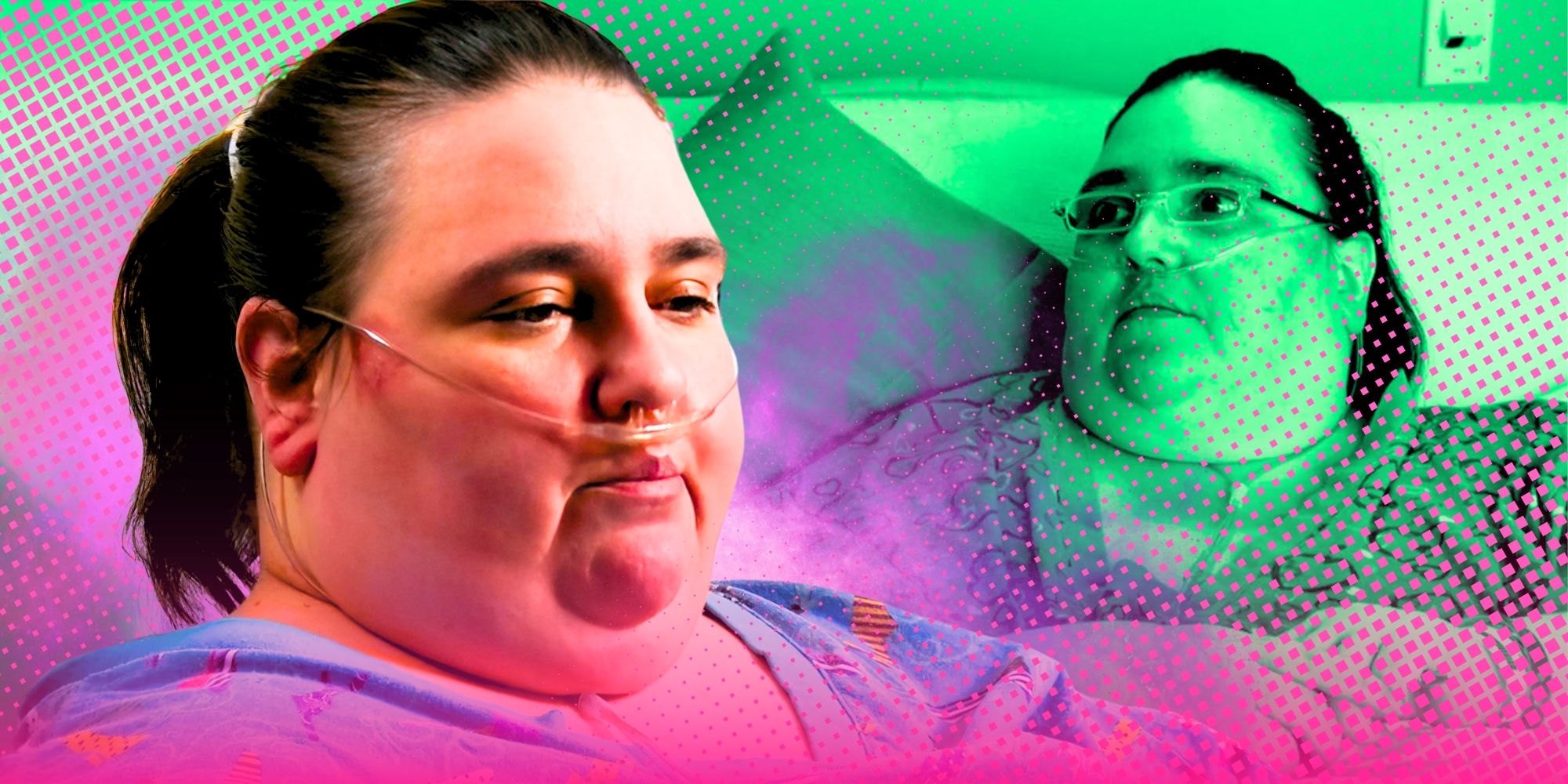
The popularity of the reality television series My 600-lb Life centers on the extreme medical journeys of individuals seeking bariatric intervention. While the show documents the procedural success of weight-loss surgery, public interest frequently extends to the long-term status of participants, including instances of mortality, the complexities of post-surgical life, and the medical challenges faced by those living with severe obesity.
The Premise of Medical Intervention
My 600-lb Life chronicles the lives of individuals typically weighing over 600 pounds as they undergo supervised weight-loss programs under the care of bariatric surgeons, most notably Dr. Younan Nowzaradan. The narrative arc usually follows a standardized medical trajectory: an initial consultation, the implementation of a restrictive, calorie-controlled diet to prepare the body for surgery, the surgical procedure itself—often a gastric bypass or sleeve gastrectomy—and a period of post-operative follow-up.
For the audience, the show serves as a window into the physiological and psychological hurdles associated with extreme obesity. However, the production often frames these stories within a television format that emphasizes conflict, patient compliance, and the stark reality of medical limitations. Understanding the aftermath requires looking beyond the edited episodes to the fundamental medical realities of the procedures performed.
Clinical Realities and Post-Surgical Risks
The surgeries featured on the program are not simple cures. They are major medical interventions that carry significant risks. When patients reach weights exceeding 600 pounds, the strain on the cardiovascular and pulmonary systems is immense. Complications during or after surgery, such as pulmonary embolisms, cardiac events, or infections, are a documented risk factor in the medical literature regarding bariatric surgery for super-obese populations.
The "aftermath" of the surgery involves a lifelong commitment to lifestyle modifications. Patients must adhere to strict nutritional protocols, which include significant vitamin supplementation and small, nutrient-dense meal portions. Failure to comply with these guidelines can lead to malnutrition, electrolyte imbalances, and the return of weight gain. Furthermore, the psychological transition required after losing hundreds of pounds is rarely fully captured on screen; many individuals struggle with body image issues, the loss of emotional support systems tied to eating, and the trauma of past experiences.
Analyzing Participant Outcomes
Public discourse often focuses on the "success stories" versus the "tragedies." From a data perspective, however, success in bariatric surgery is defined by a patient’s ability to achieve metabolic health and long-term weight maintenance, not just the loss of excess pounds.
Factors Influencing Long-Term Success
| Factor | Role in Aftermath |
|---|---|
| Pre-op Compliance | Determines the safety of the surgical procedure and initial weight loss. |
| Psychological Care | Addresses the root causes of overeating to prevent relapse. |
| Nutritional Adherence | Essential for preventing severe deficiencies and physical complications. |
| Family Support | Impacts the stability of the home environment during recovery. |
The reality is that some participants have passed away after their episodes aired. These losses are often attributed to pre-existing chronic conditions—such as heart failure, liver disease, or respiratory issues—that were already advanced by the time the individuals sought treatment. Medical experts emphasize that for patients at such extreme weights, the risk of early mortality remains significantly higher than the general population, regardless of the intervention.
The Role of Aftercare and Long-Term Management
The "aftermath" described in the media is frequently a reflection of the difficulty of maintaining a radical change in lifestyle. Bariatric surgery acts as a tool for weight loss, but it does not remove the physiological mechanisms of addiction or the environmental triggers that contribute to obesity.
Patients who manage to sustain their weight loss usually have access to consistent medical monitoring, psychological support, and a stable social network. Conversely, those who struggle often cite a lack of ongoing emotional or psychological guidance. The show, by design, focuses on the immediate transition period, which often leaves the viewers with questions about the "ten years later" reality. In medical practice, this highlights the necessity for lifelong bariatric care programs rather than short-term surgical interventions.
Frequently Asked Questions
Why do some participants continue to struggle after the surgery? Surgery is a tool that assists with physical satiety and caloric restriction, but it does not resolve the behavioral or psychological components of eating disorders. Without continued therapy and lifestyle adjustments, the risk of regressing to previous habits remains high.
How does Dr. Nowzaradan determine who is a candidate for surgery? Eligibility is determined by a patient’s ability to lose a certain amount of weight on their own through diet. This serves as a test of their commitment and helps to reduce the risk of surgical complications by decreasing the amount of visceral fat surrounding the liver and heart.
Is it common for patients to pass away after filming? While mortality is a tragic reality for some participants, it is often tied to the severity of their pre-existing health conditions. Significant obesity carries severe, cumulative health risks that even successful surgery cannot always fully reverse in the short term.
What is the most significant hurdle for patients after surgery? The most significant hurdle is typically the long-term adherence to nutritional requirements and the management of mental health. Many patients face the challenge of re-adjusting their social lives and self-perception after losing a significant amount of weight.
Are there long-term health risks associated with the surgery itself? Yes, long-term risks include nutrient deficiencies, such as anemia or osteoporosis, and the potential for skin excess, which often necessitates additional plastic surgery. Patients must remain under medical supervision for the rest of their lives to monitor these markers.
Next Steps for Understanding Participant Journeys
For those interested in the medical context of My 600-lb Life, it is helpful to look toward the American Society for Metabolic and Bariatric Surgery (ASMBS) for guidelines on what constitutes standard, effective care. Understanding the process requires distinguishing between the dramatic narrative of television and the clinical reality of evidence-based medicine.
If you or someone you know is seeking information regarding bariatric intervention, the most reliable path is to consult with a board-certified bariatric surgeon or a medical professional who specializes in metabolic health. They can provide an assessment based on individual medical history, which is the only reliable way to predict outcomes and manage the "aftermath" of such a significant life change.