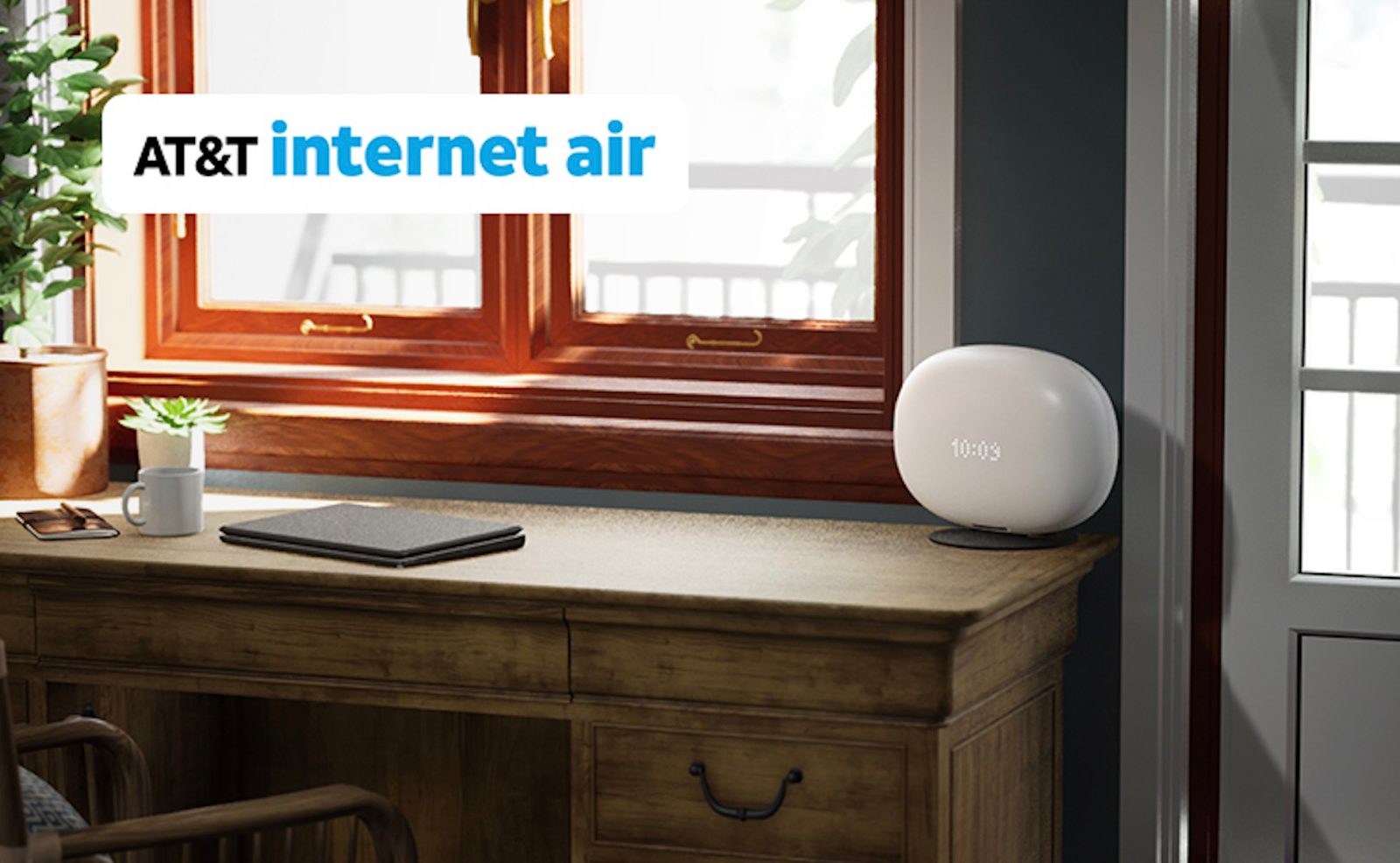
5G home internet availability in the United States varies significantly by region, provider network infrastructure, and local tower capacity, with major metropolitan areas enjoying widespread access while rural locations face severe coverage gaps. Fixed wireless access (FWA) utilizes cellular network infrastructure to deliver high-speed broadband directly to homes, offering a competitive alternative to traditional cable and fiber connections where available.
The Evolution of Fixed Wireless Access in the United States
Fixed wireless access has transitioned from a niche, secondary broadband option into a primary competitor against traditional cable and fiber-optic networks. Historically, rural areas relied on satellite internet or low-frequency fixed wireless solutions that suffered from high latency, strict data caps, and unreliable speeds. The rollout of fifth-generation (5G) cellular networks across the United States fundamentally changed this dynamic by introducing high-bandwidth, low-latency capabilities operating on mid-band and millimeter-wave (mmWave) spectrums.
Carriers such as T-Mobile and Verizon spearheaded this consumer broadband shift by leveraging excess cellular capacity. Because modern 5G towers often carry more data than mobile devices utilize in specific sectors, telecommunications companies realized they could monetize this idle bandwidth by offering residential gateway devices. These gateway routers plug into a standard household electrical outlet and receive cellular signals, converting them into local Wi-Fi networks for computers, televisions, and mobile devices.
As a result, consumers gain access to rapid broadband deployment without requiring technicians to drill holes, bury cables, or string wires from utility poles. However, this reliance on cellular infrastructure means that availability is bound by physical geography, tower placement, and line-of-sight variables rather than traditional wireline footprints.
Major Providers and Their Geographic Footprints
Evaluating 5G home internet availability requires looking closely at the specific strategies and network footprints of the primary telecommunications providers operating across the country. National carriers have deployed distinct technological approaches, leading to varying levels of availability and performance profiles.
T-Mobile Home Internet
T-Mobile has experienced the most expansive residential subscriber growth in the 5G home internet sector, primarily due to its massive deployment of mid-band (2.5 GHz) spectrum acquired during its merger with Sprint. This mid-band layer balances wide geographic coverage with high data throughput.
- Footprint: Available to tens of millions of households across most states, spanning suburban, urban, and select rural markets.
- Network Strategy: Utilizes combined low-band and mid-band frequencies to penetrate buildings while maintaining robust download speeds.
- Eligibility Constraint: T-Mobile aggressively manages network capacity. If a local cell tower approaches its maximum load threshold, the company halts sign-ups for that specific neighborhood to protect existing customer speeds.
Verizon 5G Home Internet
Verizon approaches 5G home internet through a dual strategy combining ultra-high-frequency millimeter-wave (Ultra Wideband) spectrum in dense urban cores with C-band mid-band spectrum for broader suburban and regional coverage.
- Footprint: Concentrated heavily in major metropolitan areas where mmWave infrastructure is dense, alongside an expanding C-band footprint covering hundreds of cities and towns.
- Network Strategy: MmWave delivers fiber-like gigabit speeds but requires a direct line of sight to a small cell node, whereas C-band provides wider service rings with moderate speeds.
- Eligibility Constraint: Highly location-sensitive. A household on one side of a street might qualify for high-tier mmWave service, while a home half a block away might only qualify for LTE or no service at all.
Regional and Emerging Providers
Beyond the two dominant national carriers, regional telecommunications companies and smaller independent wireless internet service providers (WISPs) offer localized 5G or advanced LTE home internet. Companies like UScellular provide fixed wireless solutions in specific Midwestern and regional pockets, while Starry previously focused on urban multi-dwelling units using millimeter-wave tech. These regional entities fill crucial coverage gaps left by major carriers, particularly in rugged terrain or smaller cities.
Technical Factors Dictating Availability
A homeowner cannot simply purchase a 5G gateway device and expect it to work anywhere. Several rigorous technical constraints dictate whether a specific address qualifies for service and how well that service will perform once activated.
| Factor | Impact on Availability & Performance |
|---|---|
| Spectrum Band | Determines maximum speed and range (mmWave = fastest/shortest; Low-band = slowest/longest). |
| Tower Capacity | Even with signal presence, carriers block new sign-ups if local tower load is high. |
| Physical Obstructions | Trees, concrete walls, heavy foliage, and double-paned glass degrade cellular signals. |
| Distance to Node | Signal strength degrades exponentially as distance from the cell tower increases. |
Spectrum Characteristics and Frequency Layers
The underlying physics of radio frequencies dictate coverage limitations. Low-band 5G (sub-1 GHz) travels vast distances and penetrates buildings easily, but its data capacity is limited, making it less suitable for heavy residential broadband use. Conversely, millimeter-wave spectrum (above 24 GHz) offers immense bandwidth capable of multi-gigabit speeds, but its range is measured in blocks, and it can be blocked by foliage, human bodies, and rain. Mid-band spectrum (2 GHz to 6 GHz) serves as the sweet spot for home internet, balancing coverage distance with high data capacity.
Tower Capacity and Network Management
Unlike traditional wired cable networks where bandwidth is shared along a neighborhood node, cellular towers manage traffic across a fluid pool of mobile and fixed users. To prevent network congestion that would degrade service for emergency workers and mobile smartphone users, carriers enforce strict capacity limits on their towers. When a cell sector reaches its maximum designed data load, the carrier's automated availability maps will mark addresses serviced by that tower as ineligible, regardless of whether a user's gateway can physically detect the signal.
Urban vs. Suburban vs. Rural Access Disparities
Availability patterns across the United States create a complex landscape of digital equity and consumer choice.
In dense urban environments, availability is a double-edged sword. While residents benefit from proximity to numerous cell sites and high-capacity mmWave nodes, physical interference from skyscrapers, dense concrete construction, and signal reflection can create micro-dead-zones. Urban users frequently enjoy multiple competing options between Verizon, T-Mobile, and traditional cable providers.
In suburban communities, 5G home internet finds its most stable operational environment. Mid-band towers positioned on macro-sites or utility poles provide broad, consistent coverage across residential neighborhoods with moderate housing densities. Suburban availability has grown exponentially, serving as a primary check on rising cable broadband prices.
In rural areas, availability is severely restricted. Although low-band 5G signals travel great distances, rural cell towers often lack the fiber-optic backhaul capacity required to support heavy residential streaming and remote work data loads. Consequently, rural residents frequently find that while their mobile phones display a 5G symbol, their home address fails availability checks for fixed wireless broadband, leaving them dependent on geostationary satellite internet, emerging low-Earth orbit (LEO) satellite providers, or legacy DSL lines.
How to Check and Verify Eligibility at Your Address
Because 5G home internet availability changes block-by-block, generic coverage maps provided on national television commercials are insufficient. Verifying exact service requires a systematic approach using official carrier portals and physical testing.
- Visit Official Carrier Address Checkers: Navigate directly to the dedicated home internet portals for T-Mobile and Verizon. Enter your precise street address, apartment number, and ZIP code.
- Consult National Broadband Maps: Review the Federal Communications Commission (FCC) National Broadband Map, which aggregates provider-submitted availability data down to specific spatial locations. Keep in mind that self-reported carrier data can occasionally lag behind rapid infrastructure expansions or sudden capacity restrictions.
- Evaluate In-Home Placement Variables: If you qualify and order a gateway, testing different locations inside your home is critical. Placing the gateway near a window facing the nearest cell tower dramatically improves signal metrics, such as Reference Signal Received Power (RSRP) and Signal-to-Interference-plus-Noise Ratio (SINR).
- Monitor Performance During Peak Hours: Because cellular traffic fluctuates based on local network usage, test your download speeds, upload speeds, and latency during peak evening hours (7 PM to 11 PM) to ensure the local tower maintains adequate capacity under load.
Frequently Asked Questions
Is 5G home internet available everywhere in the US?
No. Availability is strictly limited by cellular tower infrastructure, signal propagation, and local network capacity. While mobile 5G covers a vast majority of the U.S. population, fixed wireless home internet requires dedicated tower capacity and is restricted to specific serviceable addresses determined by the carrier.
Why does my neighbor qualify for 5G home internet, but I do not?
Carriers assign availability down to individual cell sectors and geographic coordinates. If your neighbor connects to a different cell tower sector, or if your home sits behind a physical obstruction like a hill, dense tree line, or heavy masonry building, your address may fail eligibility checks even if houses nearby are serviced.
What speeds can I expect from 5G home internet?
Typical download speeds range from 75 Mbps to over 350 Mbps, depending heavily on whether your connection utilizes mid-band or high-frequency mmWave spectrum. Upload speeds generally range between 10 Mbps and 40 Mbps, while latency typically falls between 20ms and 50ms.
Do 5G home internet plans have data caps?
Most major 5G home internet providers in the United States currently do not enforce hard data caps or overage charges, distinguishing them from traditional satellite providers and certain regional cable plans. However, providers reserve the right to throttle speeds during periods of extreme network congestion under their fair use policies.
Can I use a 5G home internet gateway while traveling?
No. Fixed wireless gateways are tied to the specific service address registered at activation. Carriers lock the device to local cell towers to manage network capacity correctly. Moving the device to a different address will typically result in a loss of service or a violation of terms of service.
Next Steps for Consumers
If you are looking to switch to or add 5G home internet, start by running address checks on both T-Mobile and Verizon portals to determine if your exact household qualifies. Compare your current broadband pricing, download speeds, and contract terms against available fixed wireless plans, keeping in mind that cellular signals can be affected by severe weather and physical building materials. Test the gateway during your carrier's trial period to confirm that local tower congestion does not disrupt your daily connectivity needs before canceling any existing broadband services.