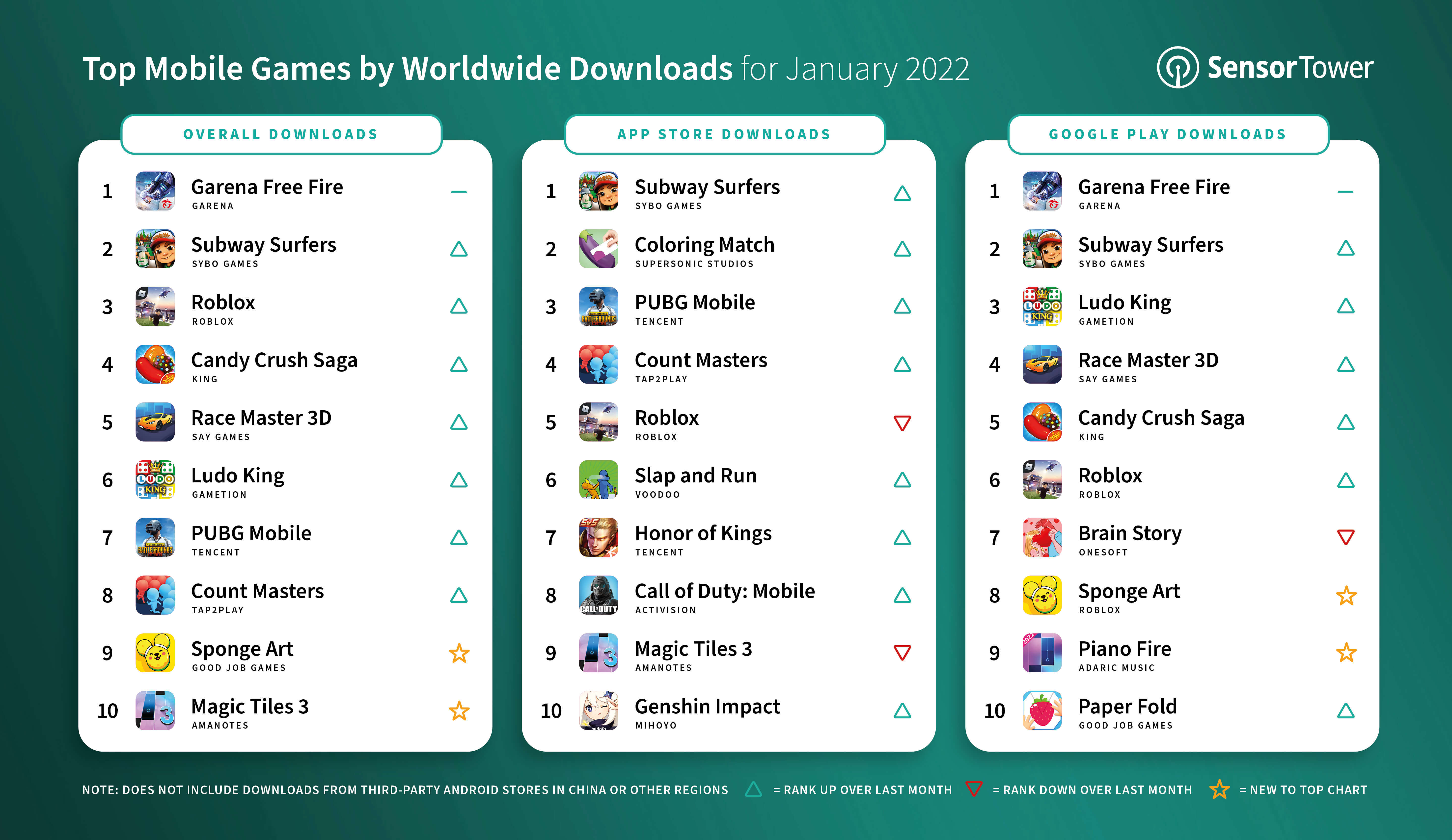
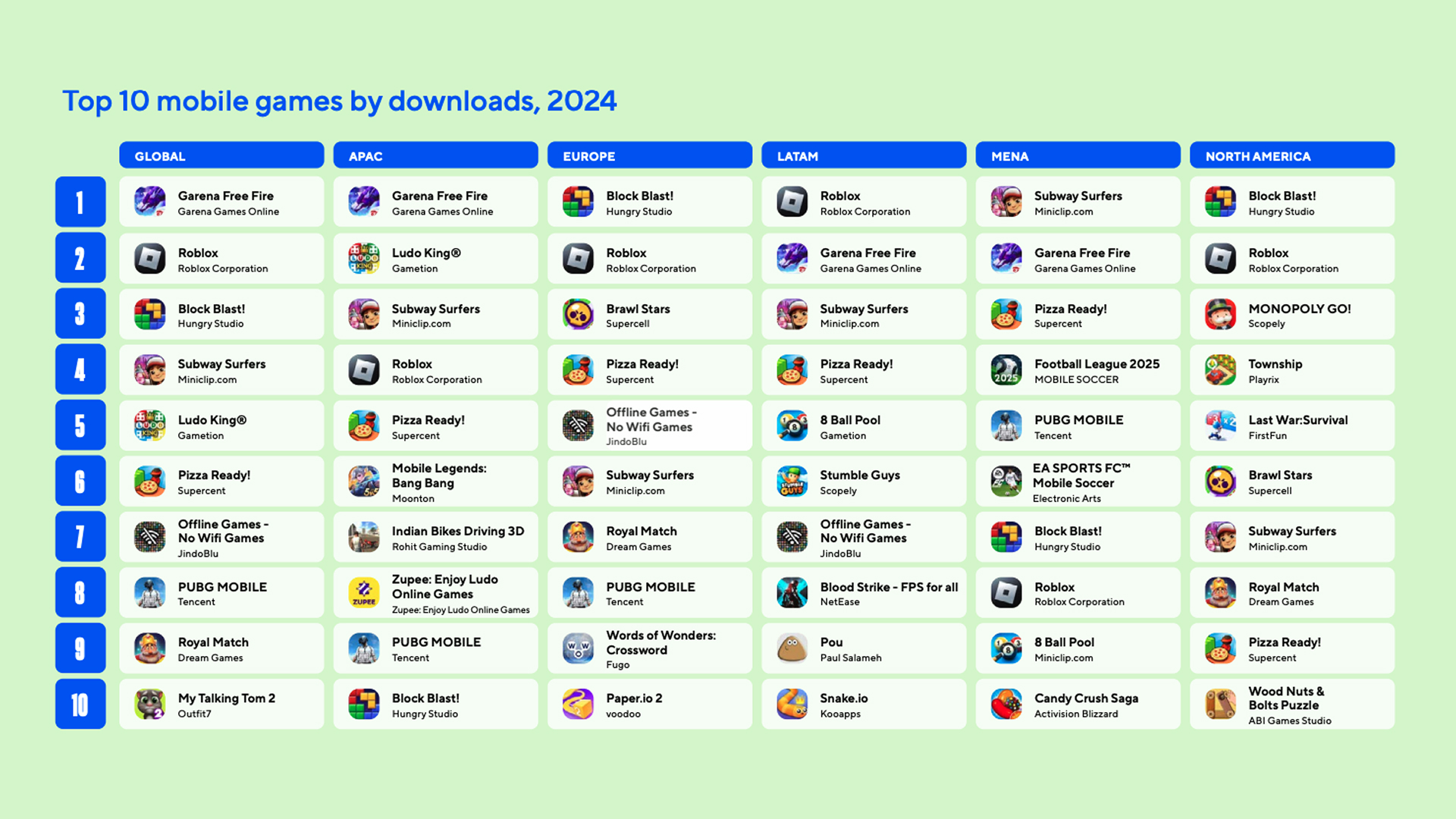
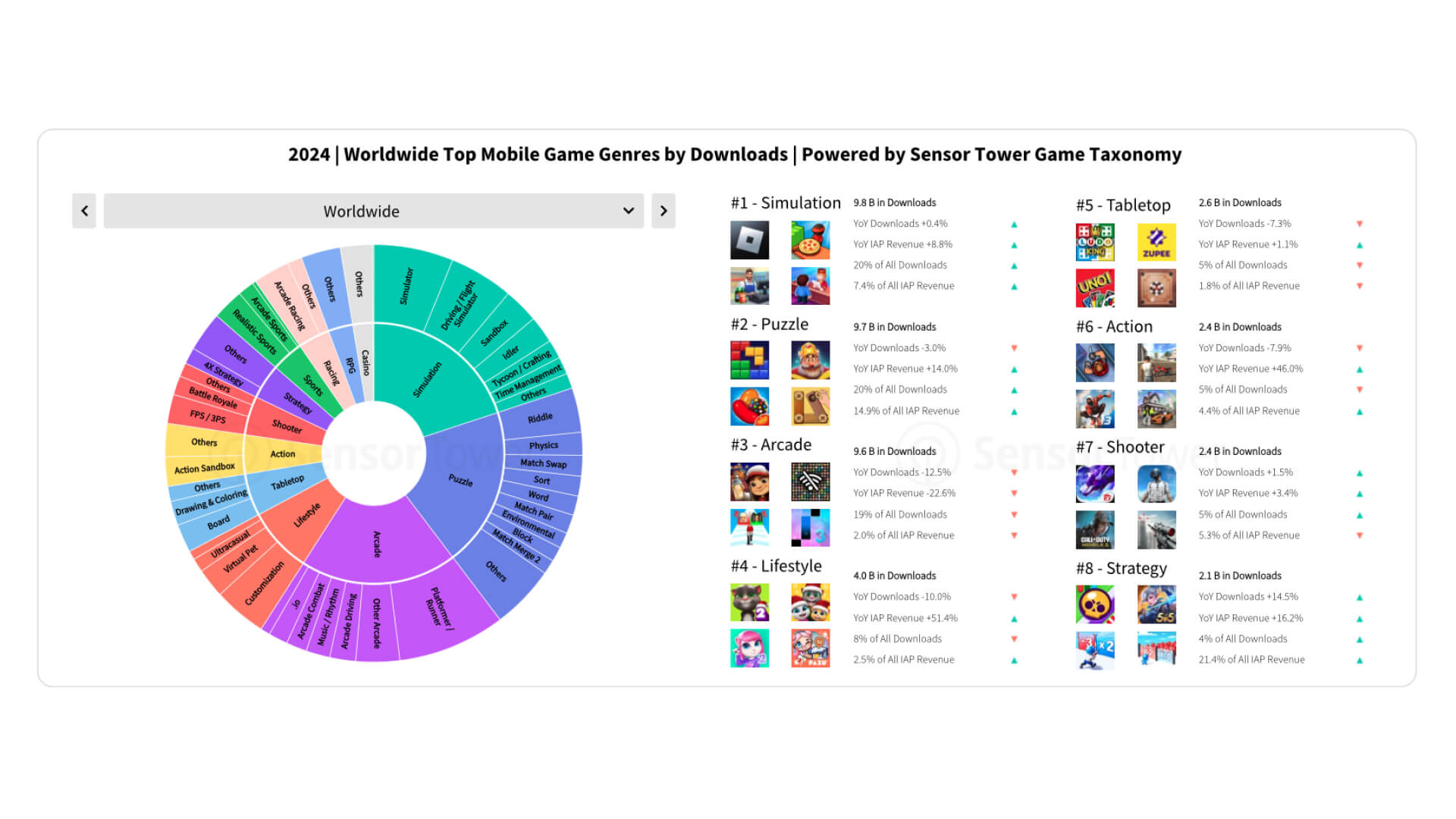
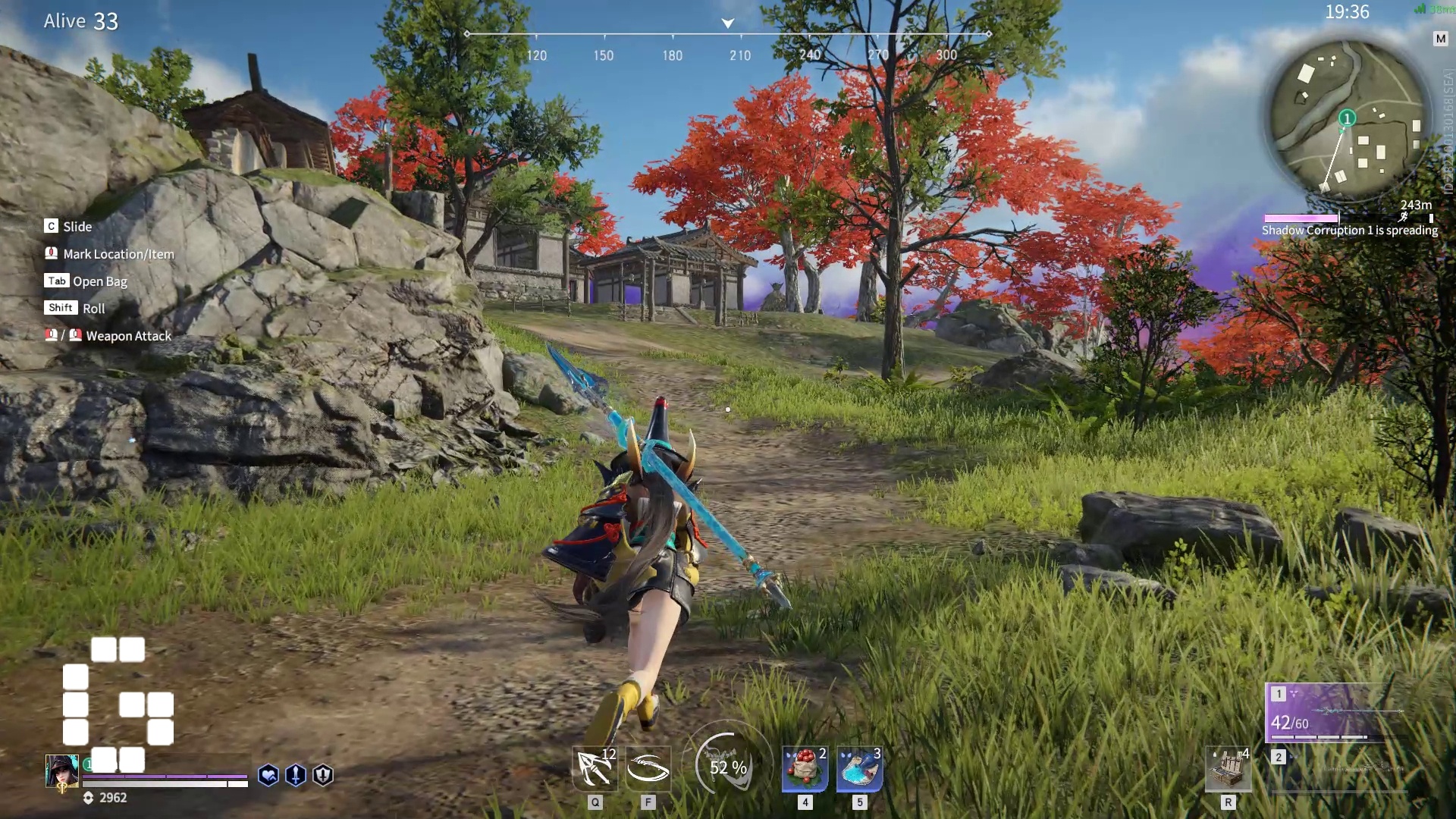
In 2025, the mobile gaming industry transitioned from simple portable entertainment to a powerhouse of high-fidelity, "console-quality" experiences. Driven by titles like Zenless Zone Zero, Honor of Kings, and Call of Duty: Warzone Mobile, the market prioritized cross-platform parity, sophisticated monetization models, and hardware-pushing graphics that redefined what a smartphone could achieve.
The Evolution of Mobile Gaming in the 2025 Era
Looking back from 2026, it is clear that 2025 was a watershed year for mobile hardware and software synergy. The proliferation of ray-tracing-capable chipsets in flagship devices allowed developers to port engines previously reserved for dedicated consoles. This technological leap dismantled the long-standing wall between "core" gamers and "mobile" gamers.
The games that defined this period did not just offer better graphics; they introduced complex gameplay loops that required significant time investment and skill. We saw the rise of the "Urban Fantasy" subgenre, the stabilization of the AR (Augmented Reality) market, and a massive shift in how global esports are structured around mobile platforms. The following five titles were the primary architects of this shift, each dominating a specific niche while influencing the broader industry.
1. Zenless Zone Zero: Redefining Urban Fantasy and Action
Developed by HoYoverse, Zenless Zone Zero (ZZZ) became a cultural and commercial juggernaut throughout 2025. While it launched in late 2024, its influence peaked in 2025 as it established a new standard for high-speed action combat on touchscreens. Unlike its predecessors, Genshin Impact and Honkai: Star Rail, ZZZ focused on an urban, "lo-fi" aesthetic and tight, instance-based combat.
Technical Prowess and Aesthetic Innovation
ZZZ’s impact on 2025 was rooted in its Dynamic Combat System. The game utilized a "Chain Attack" mechanic that felt seamless on mobile, rewarding players for timing and character swapping without the clunkiness often associated with virtual joysticks. Its use of stylized, high-frame-rate animations ensured that the game remained visually arresting even on mid-range hardware.
Economic and Cultural Impact
HoYoverse’s strategy in 2025 shifted toward deeper "Proxy" (player) immersion. By integrating social hubs that felt alive—featuring arcades, coffee shops, and music stores—ZZZ moved beyond the traditional gacha loop. It fostered a community that valued the "vibe" and world-building as much as the combat, a trend that many developers spent the rest of 2025 trying to replicate.
2. Honor of Kings: The Global MOBA Dominance
While Honor of Kings has been a titan in China for years, 2025 marked its definitive year as a global leader. Following its phased worldwide rollout by Level Infinite, the game effectively reshaped the competitive mobile landscape, challenging established titles like Wild Rift and Mobile Legends: Bang Bang.
The Esports Pivot
In 2025, the Honor of Kings Invitational Series became one of the most-watched mobile esports circuits globally. The game’s accessibility—designed to run on a vast range of devices from budget to flagship—allowed it to penetrate markets in Southeast Asia, Latin America, and the Middle East simultaneously.
Strategic Depth and Accessibility
The brilliance of Honor of Kings in 2025 lay in its pacing. Matches were engineered to last 12 to 15 minutes, the "sweet spot" for mobile engagement. By balancing a massive roster of heroes (many based on global folklore added specifically for the 2025 expansion), the developers ensured a meta-game that remained fresh and strategically demanding for high-level players while remaining inviting for newcomers.
3. Monster Hunter Now: The AR Renaissance
For a time, many industry analysts believed the Augmented Reality (AR) genre began and ended with Pokémon GO. However, Niantic and Capcom’s Monster Hunter Now proved in 2025 that the genre could evolve by focusing on "bite-sized" hardcore action.
Refining the "Hunt on the Go"
By 2025, Monster Hunter Now had introduced several major updates, including the "Dimensional Link" feature which allowed players to hunt with others globally from their local map. This solved the "empty neighborhood" problem that had plagued previous AR titles. The 75-second hunt timer was a masterclass in mobile design, forcing players to master weapon mechanics (like the Long Sword or Dual Blades) in high-pressure, short-burst sessions.
Hardware Integration
The game utilized improved AR occlusion and depth-sensing technology available in 2025 smartphones. This made the monsters feel physically present in the environment rather than just "stickers" on a camera feed. This technical fidelity, combined with the "Season" structure, kept the player base active and walking throughout the year.
4. Call of Duty: Warzone Mobile: The Cross-Progression King
Call of Duty: Warzone Mobile was the game that finally delivered on the promise of "unified progression." Throughout 2025, Activision’s commitment to a shared ecosystem between PC, console, and mobile changed how players perceived platform loyalty.
Unified Engine Technology
Running on a shared engine with its big-screen counterparts, Warzone Mobile featured the iconic Verdansk and Rebirth Island maps with unprecedented detail. In 2025, the game was the primary benchmark for mobile GPUs. If a phone could run Warzone Mobile at 60 FPS with "High" assets, it was considered a top-tier device.
The Impact on Player Behavior
The ability to level up a Battle Pass on the bus and then use those same rewards on a PlayStation 5 or PC later that evening became the industry standard in 2025. This "one game, any screen" philosophy forced other major franchises to reconsider their mobile strategies, leading to a broader trend of cross-platform connectivity that we see across the entire market today in 2026.
5. Wuthering Waves: Pushing the Boundaries of Combat
Kuro Games’ Wuthering Waves entered 2025 as the "serious" alternative for open-world RPG enthusiasts. It differentiated itself from the competition by focusing on a much higher skill ceiling and a darker, more mature narrative tone.
The "Echo" System and Gameplay Innovation
Wuthering Waves' standout feature in 2025 was the Echo System, which allowed players to capture the abilities of defeated monsters and use them in combat. This added a layer of collection and tactical customization that went beyond simple character leveling. The game’s "Parry and Dodge" mechanics were significantly more punishing than other mobile titles, appealing to a demographic of gamers who felt mobile games were historically "too easy."
Technical Performance and Optimization
Early in its lifecycle, the game faced optimization hurdles, but by mid-2025, Kuro Games had polished the experience into a showcase of what Unreal Engine 4 (and later updates) could do on mobile. Its success proved that there was a massive, hungry market for "hardcore" open-world experiences on mobile devices.
Comparative Analysis of the 2025 Market Leaders
To better understand how these titles differ in their approach to the mobile market, the following table compares their core attributes as they stood during the peak of 2025.
| Game | Primary Genre | Primary Monetization | Key Innovation in 2025 | Hardware Demand |
|---|---|---|---|---|
| Zenless Zone Zero | Action RPG | Gacha / Battle Pass | Urban social-sim integration | Medium-High |
| Honor of Kings | MOBA | Skins / Battle Pass | Global esports accessibility | Low-Medium |
| Monster Hunter Now | AR Action | Consumables / Seasons | Global co-op for AR hunts | Medium |
| Warzone Mobile | Battle Royale | Unified Battle Pass | Total cross-platform parity | Very High |
| Wuthering Waves | Open-World RPG | Gacha / Echo Farming | High-skill ceiling combat | High |
Technical Requirements and Accessibility in 2025
A major theme of 2025 was the "specification gap." As titles like Warzone Mobile and Wuthering Waves pushed the limits, the requirements for a "standard" gaming phone increased. By 2025, a device typically required at least 8GB of LPDDR5X RAM and a chipset comparable to the Snapdragon 8 Gen 2 or better to run these titles at competitive settings.
However, developers also became more adept at Scalable Architecture. Honor of Kings remains the gold standard for this, featuring a "Lite" mode that allowed the game to run on devices with only 4GB of RAM, ensuring that players in developing regions were not excluded from the 2025 mobile revolution.
The Role of Cloud Gaming and Hybrid Models
While native apps dominated, 2025 also saw the maturation of hybrid cloud models. Many players used services like Xbox Cloud Gaming or GeForce Now to supplement their mobile play, especially for graphically intensive titles. This led to a trend where mobile games started including "Cloud-Save" optimizations, ensuring that the transition between local mobile play and high-end cloud streaming was imperceptible.
Common Challenges and Troubleshooting in 2025 Mobile Gaming
Despite the advancements, 2025 brought its own set of challenges for mobile gamers. Thermal throttling became a significant issue as games pushed processors to their limits.
- Thermal Management: Many players in 2025 turned to external cooling fans to maintain high frame rates in Warzone Mobile.
- Storage Management: With games like Wuthering Waves and Zenless Zone Zero exceeding 30GB to 50GB after full asset downloads, storage management became a daily task for users with 128GB devices.
- Connectivity: The 2025 competitive meta relied heavily on low latency. The transition from 4G to widespread 5G and Wi-Fi 6E was essential for the success of Honor of Kings and Warzone Mobile.
Frequently Asked Questions
Which of these games is best for casual players?
Honor of Kings is generally the most accessible for casual players. Its matchmaking system is highly refined to pair beginners with others of similar skill levels, and the control scheme is intuitive. Additionally, its low hardware requirements mean you don't need an expensive phone to have a smooth experience.
Do I need a controller to play Call of Duty: Warzone Mobile?
While not strictly required, using a Backbone One or a Bluetooth controller (like an Xbox or PlayStation controller) was highly recommended by the 2025 pro community. The game supports full button remapping, and the precision of physical thumbsticks offers a significant advantage in a high-stakes Battle Royale environment.
Are these games truly "free to play"?
All five games listed use a "freemium" model. You can download and play the core game loops of Zenless Zone Zero, Wuthering Waves, and the others without spending money. However, they all contain microtransactions—ranging from cosmetic skins in Honor of Kings to character "pulls" in gacha games like ZZZ. In 2025, "spending for power" became less common in competitive games, with monetization shifting toward "spending for variety" or aesthetics.
How did these games handle player privacy and data in 2025?
By 2025, most major mobile publishers adopted stricter data transparency tools in response to global regulations. Games like Monster Hunter Now (which tracks location) introduced more granular privacy settings, allowing players to mask their exact location in social hubs while still participating in local gameplay.
What was the "most influential" game of 2025?
While subjective, many analysts point to Zenless Zone Zero as the most influential due to its aesthetic polish and how it proved that high-intensity action combat could thrive on mobile without alienating the casual audience. Its success led to a wave of "urban fantasy" clones that populated the app stores toward the end of the year.
Recommendation for Players in 2026
If you are looking to catch up on the titles that defined the previous year, start by evaluating your hardware. For those with flagship devices, Call of Duty: Warzone Mobile and Wuthering Waves offer the best visual showcases. If you prefer a more social and stylized experience, Zenless Zone Zero remains a top-tier choice with a vibrant community. For players on the move, Monster Hunter Now continues to be the most innovative use of AR technology currently available on the market.