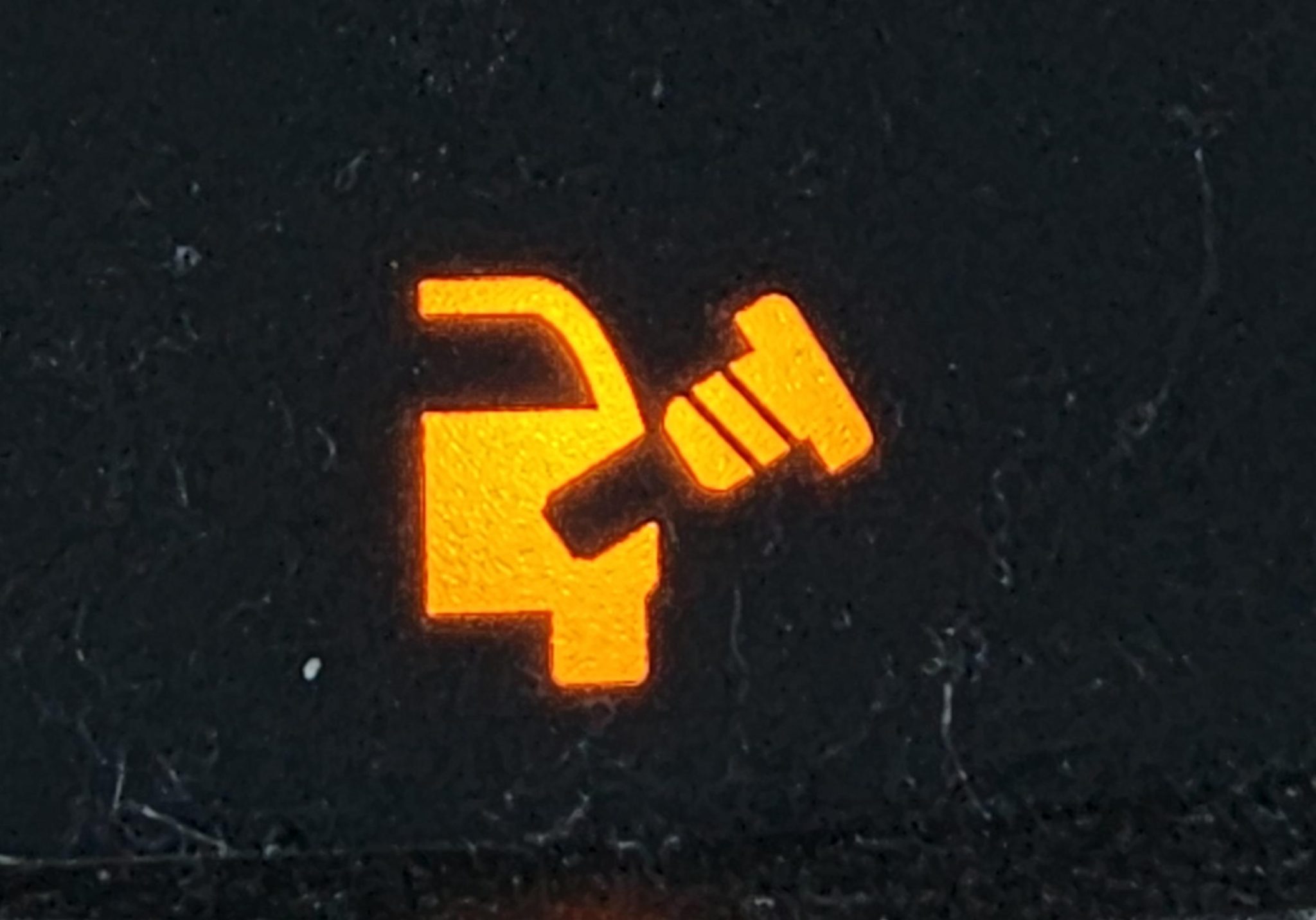
Modern vehicles rely on complex networks of sensors, computers, and electronic modules to monitor every facet of their operation, and the Mazda CX-5 is no exception. When an anomaly occurs within the engine, braking system, or electronic architecture, the instrument cluster illuminates a specific warning light to alert the driver. Understanding these symbols is critical for maintaining vehicle longevity, preventing catastrophic mechanical failures, and ensuring road safety. While some dashboard icons indicate a minor convenience setting or a routine service interval, others serve as urgent safety alerts demanding immediate attention.
To properly interpret Mazda CX-5 warning lights, drivers must look at both the color of the symbol—typically green or blue for information, yellow or amber for caution, and red for immediate danger—and whether the light is flashing or staying solid. Ignoring a red or blinking amber warning light can lead to expensive repairs, compromised handling, or unexpected breakdowns. By familiarizing yourself with the primary warning indicators, you can diagnose issues early, communicate effectively with service technicians, and take appropriate action before minor glitches escalate into major mechanical emergencies.
1. Master Warning Light (Triangle with Exclamation Point)
The Master Warning Light is one of the most comprehensive and potentially serious alerts on your Mazda CX-5 dashboard. Represented as a solid or flashing red or yellow triangle enclosing an exclamation point, this symbol acts as an umbrella indicator. It tells the driver that the vehicle’s onboard computer has registered an unspecified fault or multiple minor issues within a secondary system that requires immediate inspection.
Technical Function and Causes
Because the master warning light does not point to a single mechanical component, it is almost always accompanied by a text message on the multi-information display screen situated within the instrument cluster. Common triggers for this warning include:
- Low windshield washer fluid or engine oil levels (in certain model years)
- Loose fuel cap triggering an evaporative emissions system fault
- Keyless ignition system malfunctions or missing smart keys
- Exterior bulb burnouts or adaptive front-lighting system failures
- Tire pressure monitoring system (TPMS) calibration errors
Troubleshooting and Next Steps
When the master warning light illuminates, your first step should be to look directly at the center information display screen. Read the accompanying text prompt, which will explicitly state the source of the error. If the message indicates a low fluid level or an open door, the fix is straightforward. However, if the warning light is accompanied by a severe mechanical code or a persistent system failure, schedule an appointment with a qualified service center or use an OBD-II scanner to read any stored diagnostic trouble codes (DTCs).
2. Charging System Warning Light (Battery Symbol)
The Charging System Warning Light is shaped like a traditional automotive battery with positive and negative terminals. When illuminated in red, it signifies that the vehicle's electrical charging system is failing to operate correctly. Contrary to popular belief, this light rarely means your battery is simply old; rather, it indicates that the battery is no longer being replenished by the alternator while the engine is running.
| Symptom / Indicator | Likely Cause |
|---|---|
| Solid Red Battery Light | Failing alternator or slipping belt |
| Dim Headlights & Display | Low electrical system voltage |
| Electrical Accessory Cut | Power-saving mode shedding loads |
| Complete Engine Stalling | Total battery depletion / ECU failure |
Technical Function and Causes
Your Mazda CX-5 relies on a 12-volt battery to start the engine and power electronics when stationary. Once running, the engine drives the alternator via a serpentine belt, generating electrical power to run the vehicle's computers, fuel injectors, lighting, and accessories while simultaneously recharging the battery. If this light turns on, potential root causes include:
- A worn-out or broken alternator that has stopped generating electrical current
- A snapped, frayed, or slipping serpentine accessory drive belt
- Loose, corroded, or heavily damaged battery terminal connections
- Internal voltage regulator failures within the charging circuit
Troubleshooting and Next Steps
Driving a Mazda CX-5 with an active charging system warning light is hazardous. Once the remaining charge in the battery is depleted, the fuel injectors, spark plugs, and powertrain control module (PCM) will lose power, causing the engine to stall completely in traffic. Pull over safely as soon as possible, turn off unnecessary electrical accessories like the air conditioning and audio system, and inspect the engine bay for a broken serpentine belt. If the belt is intact, the vehicle will need to be towed to a repair shop for alternator testing and replacement.
3. Braking System Warning Light (Brake Exclamation / P Icon)
The Braking System Warning Light appears as the word BRAKE or as an exclamation point inside a circle, often accompanied by a red parking brake symbol. This is one of the most critical red warning lights on your dashboard. It signals a severe hydraulic or mechanical fault within the primary stopping architecture of your Mazda CX-5.
Technical Function and Causes
Modern Mazda crossovers use a dual-circuit hydraulic braking system. If pressure drops in one circuit or if the overall fluid level falls below safe operating thresholds, this light activates. Primary triggers include:
- The electronic parking brake (EPB) is still partially engaged or failing to release
- Extremely low brake fluid levels inside the master cylinder reservoir, often caused by worn brake pads
- A hydraulic fluid leak in the brake lines, calipers, or wheel cylinders
- Malfunctions within the electronic brake-force distribution (EBD) system
Troubleshooting and Next Steps
Before panicking, verify that your electronic parking brake switch has fully released and that the indicator on the switch is unlit. If the parking brake is off and the light remains illuminated, check the brake fluid reservoir under the hood. If the fluid level is low, do not simply top it off and ignore the issue; low fluid almost always points to thin brake pads or a dangerous fluid leak. Driving with a compromised braking system risks complete loss of stopping power. Have the vehicle inspected immediately or towed to a professional technician.
4. Engine Oil Pressure Warning Light (Oil Can Symbol)
The Engine Oil Pressure Warning Light is shaped like an old-fashioned oil dispensing can with a single droplet falling from its spout. When this light illuminates in solid red, it indicates that the engine oil pressure has dropped below the minimum safe operating threshold required to lubricate moving internal engine components.
Technical Function and Causes
Engine oil is the lifeblood of your Mazda CX-5’s SkyActiv engine, reducing friction between high-tolerance metal components such as camshafts, bearings, and pistons. Low oil pressure means these vital surfaces are rubbing against each other with inadequate lubrication, which can rapidly cause catastrophic engine seizure. Common causes include:
- Severely low engine oil levels resulting from consumption, leaks, or neglected oil changes
- A failing oil pump that can no longer circulate fluid through the engine block
- A clogged or collapsed oil filter restricting fluid flow
- A defective oil pressure sensor sending false positive readings to the instrument cluster
Troubleshooting and Next Steps
If the oil pressure warning light illuminates while driving, pull over and shut off the engine immediately. Do not attempt to drive home or to a nearby service station, as doing so can destroy your engine in minutes. Once the engine has cooled down for several minutes, pull the engine oil dipstick, wipe it clean, reinsert it, and check the fluid level. If the oil level is critically low, add the appropriate grade of oil (such as 0W-20 for most modern SkyActiv-G gasoline engines) before restarting. If the oil level is full and the light remains on, the vehicle must be flatbed towed to a mechanic to diagnose the oil pump or pressure switch.
5. Malfunction Indicator Lamp (Check Engine Light)
Famously known as the "Check Engine Light," the Malfunction Indicator Lamp (MIL) is shaped like the outline of an engine block. It can illuminate in yellow or amber and may either stay solidly lit or flash continuously depending on the severity of the detected emission or powertrain fault.
Technical Function and Causes
The Powertrain Control Module (PCM) continuously monitors hundreds of parameters via sensors throughout the engine, transmission, and exhaust systems. When a reading falls outside factory-programmed parameters, the computer stores a Diagnostic Trouble Code (DTC) and triggers the MIL. Common triggers include:
- A loose, damaged, or degraded fuel tank filler cap allowing fuel vapors to escape
- A failing oxygen (O2) sensor or mass air flow (MAF) sensor affecting air-fuel ratios
- A degraded catalytic converter reducing exhaust efficiency
- Misfires caused by worn spark plugs, faulty ignition coils, or fuel injector issues
Troubleshooting and Next Steps
A solid check engine light allows you to drive the vehicle cautiously to your destination, but it should be diagnosed promptly using an OBD-II code reader. You can purchase an inexpensive scanner or visit an auto parts store to read the stored codes for free. However, if the check engine light is flashing, you must reduce speed immediately and pull over. A flashing MIL indicates an active engine misfire that is dumping unburnt fuel directly into the exhaust system, which can quickly overheat and ruin the catalytic converter.
Frequently Asked Questions
What should I do if multiple Mazda CX-5 warning lights come on at the same time?
When multiple warning lights illuminate simultaneously, it often points to a centralized electrical issue—such as a failing alternator, a dead battery, or a loose ground wire—rather than multiple independent mechanical failures. Check your battery voltage and charging system first, and use an OBD-II scanner to pull all stored diagnostic codes to find the common denominator.
Can I drive my Mazda CX-5 with an amber warning light on?
Amber or yellow warning lights indicate caution, non-critical system faults, or maintenance reminders (such as low tire pressure or a check engine light for an emissions issue). While you can typically drive short distances to a service location with an amber light, you should schedule an inspection as soon as possible to prevent the issue from escalating into a red safety emergency.
How do I reset a maintenance warning light on a Mazda CX-5?
Maintenance reminders for oil changes or tire rotations can usually be reset through the Mazda Connect infotainment screen. Navigate to the "Applications" menu, select "Vehicle Status Monitor," go to "Maintenance," and choose the specific item you wish to reset to update its mileage and time intervals.
Is it safe to drive with the Tire Pressure Monitoring System (TPMS) light on?
The TPMS light, which resembles a flat tire profile with an exclamation point, warns that one or more tires are significantly underinflated. While you can drive short distances at reduced speeds to reach an air pump, low tire pressure compromises handling, extends stopping distances, and increases the risk of a dangerous tire blowout on the highway.
Why did my Mazda CX-5 warning lights turn on after getting a car wash?
High-pressure water jets and heavy moisture can occasionally seep into wheel speed sensors, camera housings, or trailer wiring harnesses, triggering temporary traction control or braking warnings. In most cases, these lights will disappear on their own once the vehicle's sensors dry out completely in a dry garage or under sunlight.
Final Recommendation
Ignoring dashboard warnings on your Mazda CX-5 is a gamble that rarely pays off, turning inexpensive sensor replacements or fluid top-offs into costly engine and transmission overhauls. Whenever a red warning light appears—such as the battery, brake, or oil pressure indicator—pull over safely and address the root cause before continuing your journey. For amber warnings, utilize an OBD-II scanner or consult a certified Mazda technician to interpret the underlying trouble codes accurately. Proactive maintenance and prompt troubleshooting remain the single best way to protect your investment and keep your CX-5 running reliably for years to come.