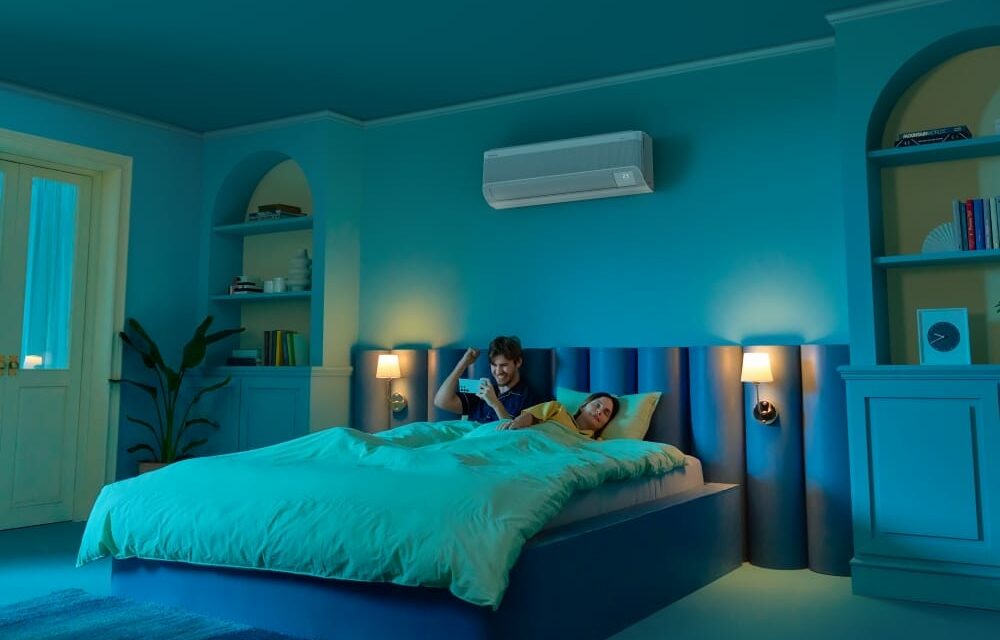
Selecting the right single-room air conditioner requires balancing room dimensions, cooling capacity measured in British Thermal Units, energy efficiency ratings, and installation constraints to ensure consistent indoor comfort and manageable utility bills.
Choosing an air conditioner for a single room is a decision that extends far beyond picking the coldest-looking unit off a showroom floor or ordering the most popular model online. Whether you are trying to cool a stuffy bedroom, a converted attic home office, or a compact studio apartment, getting the sizing and technical specifications right is vital. An undersized unit will run continuously without ever reaching your desired temperature, wearing out its compressor prematurely, while an oversized unit will cool the space too quickly, shutting off before it can effectively strip moisture from the air, leaving you in a cold, clammy environment. To navigate the myriad options available—from traditional window units and sleek portable floor models to high-efficiency mini-splits—you must understand the foundational mechanical and thermal principles that govern single-room climate control. Examining these key facts will help you evaluate your space objectively, calculate your exact requirements, and select a cooling solution that delivers optimal performance for years to come.
1. Cooling Capacity Must Match Square Footage and Thermal Load
The single most critical factor in choosing a single-room air conditioner is matching the unit's cooling capacity—expressed in British Thermal Units (BTUs) per hour—to the exact dimensions and thermal characteristics of the space. Many consumers mistakenly believe that bigger is always better, assuming a high-capacity unit will cool a small room faster. In reality, air conditioners do more than just lower the air temperature; they also remove humidity.
When an air conditioner is drastically oversized for a single room, it cools the air so rapidly that the thermostat signals the compressor to shut off before the system has run long enough to pull moisture out of the air. This short-cycling results in a room that feels damp, clammy, and uncomfortable, despite being cold. Conversely, an undersized unit must work overtime, drawing maximum electrical current continuously as it struggles against heat gain, leading to soaring utility bills and eventual mechanical failure.
To determine the correct BTU rating, you must look beyond mere square footage and account for the room's total thermal load. The thermal load is influenced by several environmental variables:
- Sunlight Exposure: Rooms with large east- or west-facing windows absorb immense amounts of direct solar radiation during peak hours, requiring a 10% increase in baseline BTU capacity.
- Ceiling Height: Standard sizing charts assume an 8-foot ceiling. If your room features vaulted or 10-foot ceilings, the total cubic volume of air increases, necessitating a higher BTU output.
- Occupancy and Electronics: Every person in a room generates body heat roughly equivalent to a 100-watt light bulb. Furthermore, rooms housing multiple computers, televisions, or heavy-duty appliances retain more internal heat.
- Insulation Quality: Older homes with single-pane windows and minimal wall insulation leak conditioned air rapidly, demanding a more powerful unit compared to modern, tightly sealed construction.
| Room Square Footage | Approximate Cooling Capacity Needed (BTUs/hr) | Recommended Primary Use Cases |
|---|---|---|
| 100 to 150 sq. ft. | 5,000 BTUs | Small bedrooms, home offices, nursery rooms |
| 150 to 250 sq. ft. | 6,000 BTUs | Standard bedrooms, guest rooms, small dens |
| 250 to 350 sq. ft. | 7,000 to 8,000 BTUs | Large master bedrooms, medium living spaces |
| 350 to 500 sq. ft. | 10,000 to 12,000 BTUs | Large living rooms, open-plan studio apartments |
| 500 to 700 sq. ft. | 14,000+ BTUs | Extra-large spaces, converted garages, lofts |
2. Unit Type Determines Installation Complexity and Space Constraints
Once you have calculated the necessary BTU rating for your single room, you must decide which physical style of air conditioner best suits your living arrangement, window configuration, and aesthetic preferences. The market is broadly divided into three main categories for single-room applications: window units, portable units, and ductless mini-split systems. Each option comes with distinct trade-offs regarding permanence, noise levels, and floor space utilization.
Window air conditioners are the most common and cost-effective choice for single-room cooling. They sit directly on the window sill, with the condenser and exhaust components protruding outside and the evaporator and control panel facing inward. While they are relatively easy to install for DIYers and keep floor space completely clear, they permanently block a portion of your window view, can present security vulnerabilities if installed on ground-floor windows without proper support brackets, and introduce outdoor noise directly into the living space.
Portable air conditioners offer an alternative for rooms where traditional window configurations make standard units impractical, such as casement windows or rooms with sliding glass doors. These units sit entirely inside the room on the floor and use a flexible exhaust hose connected to a window panel to vent hot air outside. While they offer the advantage of mobility—allowing you to wheel the unit from a home office during the day to a bedroom at night—single-hose portables are notoriously less efficient. They pull already-cooled indoor air to cool their internal compressors and exhaust it outside, creating negative pressure that draws warm air back into the room through cracks and doorframes. Dual-hose portable models mitigate this issue by drawing outdoor air for compressor cooling, but they remain bulkier and noisier than their window-mounted counterparts.
Ductless mini-split systems represent the gold standard for permanent, high-efficiency single-room climate control. Comprising a sleek indoor air-handling unit mounted high on the wall and a compact compressor unit located outside, they require only a small 3-inch hole through the exterior wall for refrigerant lines and wiring. Mini-splits operate exceptionally quietly, eliminate the security risks of open windows, and offer superior energy efficiency through inverter-driven compressors that ramp speeds up and down rather than abruptly cycling on and off. However, they require professional installation and carry a significantly higher upfront purchase and labor cost.
3. Energy Efficiency Ratings Dictate Long-Term Operating Costs
The initial purchase price of a single-room air conditioner is only part of the financial equation; the ongoing cost of electricity to run the appliance during peak summer months will often exceed the unit's purchase price over its operational lifespan. Understanding energy efficiency metrics allows you to compare models accurately and select an appliance that minimizes monthly utility expenses.
For standard window and portable air conditioners, efficiency is measured by the Combined Energy Efficiency Ratio (CEER). The CEER rating measures how many BTUs of cooling output are delivered per watt-hour of electricity consumed, factoring in not only the active cooling mode but also standby power consumption and low-power modes when the compressor is idle. The higher the CEER rating, the more efficient the appliance. According to the U.S. Department of Energy, seeking out units that carry the Energy Star label ensures that the appliance meets strict efficiency criteria, often consuming up to 10 percent less energy than standard baseline models.
Inverter technology has also revolutionized single-room cooling efficiency, particularly in window units and mini-splits. Traditional air conditioners operate on a fixed-speed motor that runs at 100% capacity until the target temperature is reached, then shuts completely off before slamming back on when the room warms up. This constant on-off cycle draws massive surges of electrical current. Inverter-driven units, by contrast, use variable-speed compressors that continuously adjust their output to match the exact thermal load of the room in real time. This eliminates temperature swings, reduces mechanical wear, and slashes electricity usage significantly.
When evaluating energy efficiency, pay close attention to the estimated annual energy cost printed on the yellow EnergyGuide label found on retail models. This label provides a standardized calculation based on a national average utility rate and a typical seasonal operating duration, allowing you to weigh a slightly higher upfront equipment cost against projected multi-year electricity savings.
4. Acoustic Output and Sound Levels Directly Impact Room Usability
Because a single-room air conditioner is installed directly inside the living or sleeping space where you spend your time, acoustic performance is just as important as cooling capacity. A unit that cools a bedroom efficiently but emits a loud, disruptive mechanical hum or a jarring compressor click every time it cycles on will ruin your sleep quality and make watching television or working from home frustrating.
Air conditioner noise is measured in decibels (dB). To put sound levels into perspective:
- A quiet library or whisper registers around 30 to 40 dB.
- A normal conversation or background office chatter sits around 50 to 60 dB.
- Heavy street traffic or a standard household vacuum cleaner ranges from 70 to 80 dB.
Traditional window air conditioners typically operate between 50 and 65 dB on their medium-to-high settings. Older or larger capacity units can easily exceed 65 dB, making it difficult to sleep or hold a conversation without raising your voice. When shopping for a bedroom or home office, look for manufacturers that explicitly list decibel ratings and feature specialized "quiet modes" or sleep settings that drop fan speeds to a gentle whisper, often hovering around 44 to 48 dB.
Portable air conditioners are frequently louder than window units because the entire refrigeration system—including the compressor and vibrating fan motors—sits inside the room rather than outside the building envelope. If you choose a portable unit, reading independent customer reviews and specification sheets for genuine noise feedback is essential. Ductless mini-splits are inherently the quietest option available, with indoor air handlers often operating as low as 19 to 22 dB on their lowest setting, making them virtually imperceptible in a quiet bedroom environment.
5. Maintenance Requirements and Additional Features Enhance User Experience
Selecting an air conditioner involves looking past the core refrigeration hardware to examine how easily the unit can be maintained and what convenience features it offers for daily operation. An appliance that is difficult to clean will quickly accumulate dust, mold, and pet dander on its internal coils and filters, leading to reduced airflow, foul odors, and drastically diminished cooling efficiency.
Regular maintenance for a single-room air conditioner primarily involves cleaning or replacing the air filter. Most window and portable units feature a simple mesh filter located behind the front grille that should be inspected and washed with warm soapy water every two weeks during heavy summer usage. Clogged filters restrict airflow, forcing the compressor to work harder and increasing the risk of coil freeze-ups. Furthermore, you must consider how condensate drainage is handled. Window units naturally shed moisture outside via gravity, provided the unit is tilted slightly outward during installation. Portable units, however, collect water in an internal pan. While many modern portables use self-evaporating technology that exhausts moisture out the window hose, high-humidity environments may cause the internal reservoir to fill up, requiring you to manually attach a drain hose or empty a collection bucket to prevent automatic shutoff.
Beyond basic maintenance, modern single-room air conditioners offer a range of smart features that elevate everyday usability:
- Wi-Fi Connectivity and App Integration: Allows you to monitor room temperature, adjust schedules, and turn the unit on or off remotely using your smartphone, ensuring you never cool an empty room while still returning to a comfortable environment.
- Programmable Timers: Enable you to set specific operational windows, reducing energy waste by having the unit turn on just before you arrive home or wake up.
- Multi-Stage Filtration: Look for units equipped with activated carbon filters or ionizers if you suffer from allergies, as these elements help trap fine dust, pollen, and airborne odors.
- Auto-Restart Function: Ensures that if your home experiences a temporary power outage during a summer thunderstorm, the air conditioner automatically resumes operation with your previous settings once power is restored.
By carefully evaluating these five core factors—cooling capacity, unit type, energy efficiency, acoustic output, and maintenance features—you can bypass marketing hype and invest in a single-room air conditioner that delivers reliable, quiet, and cost-effective comfort tailored precisely to your living space.