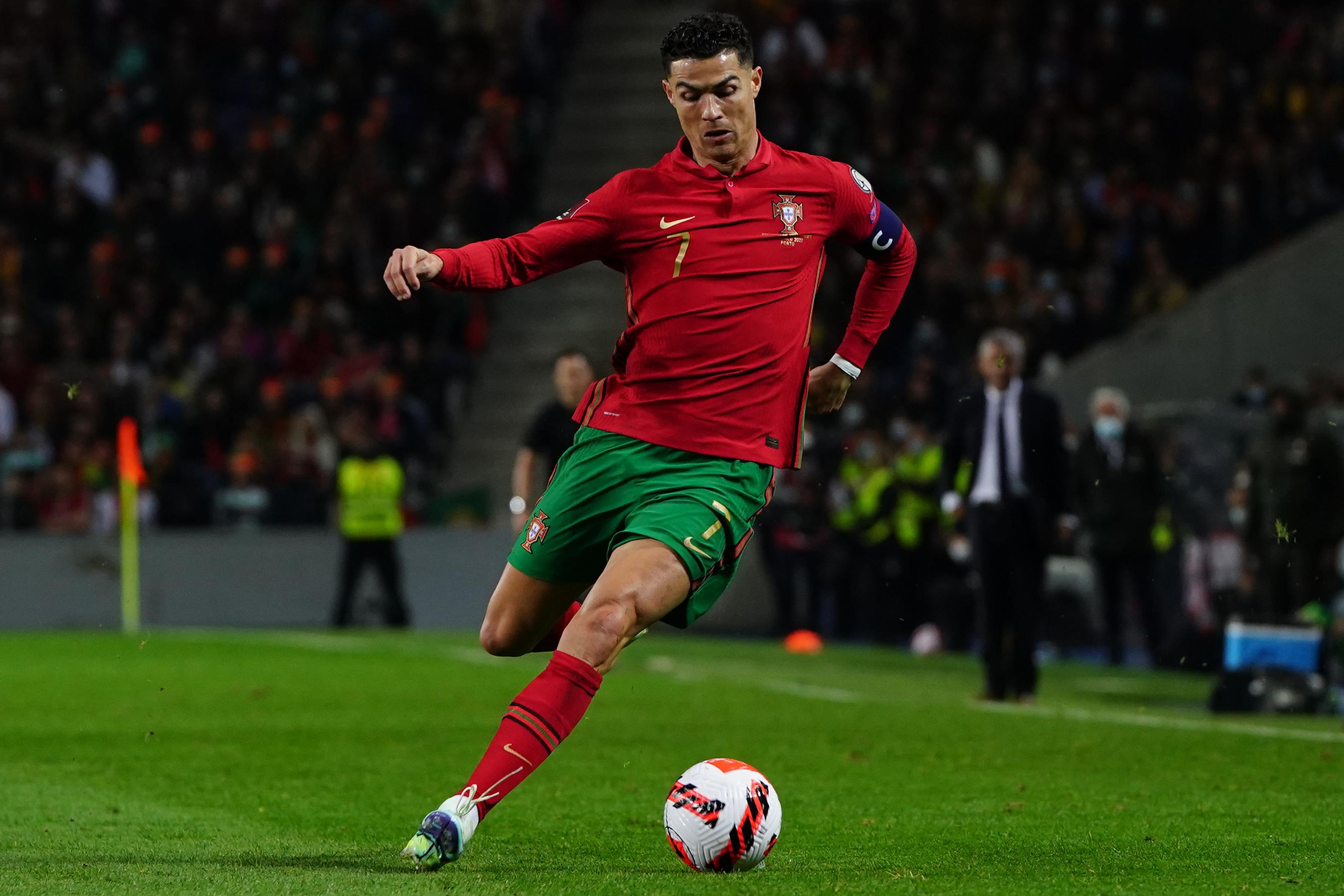
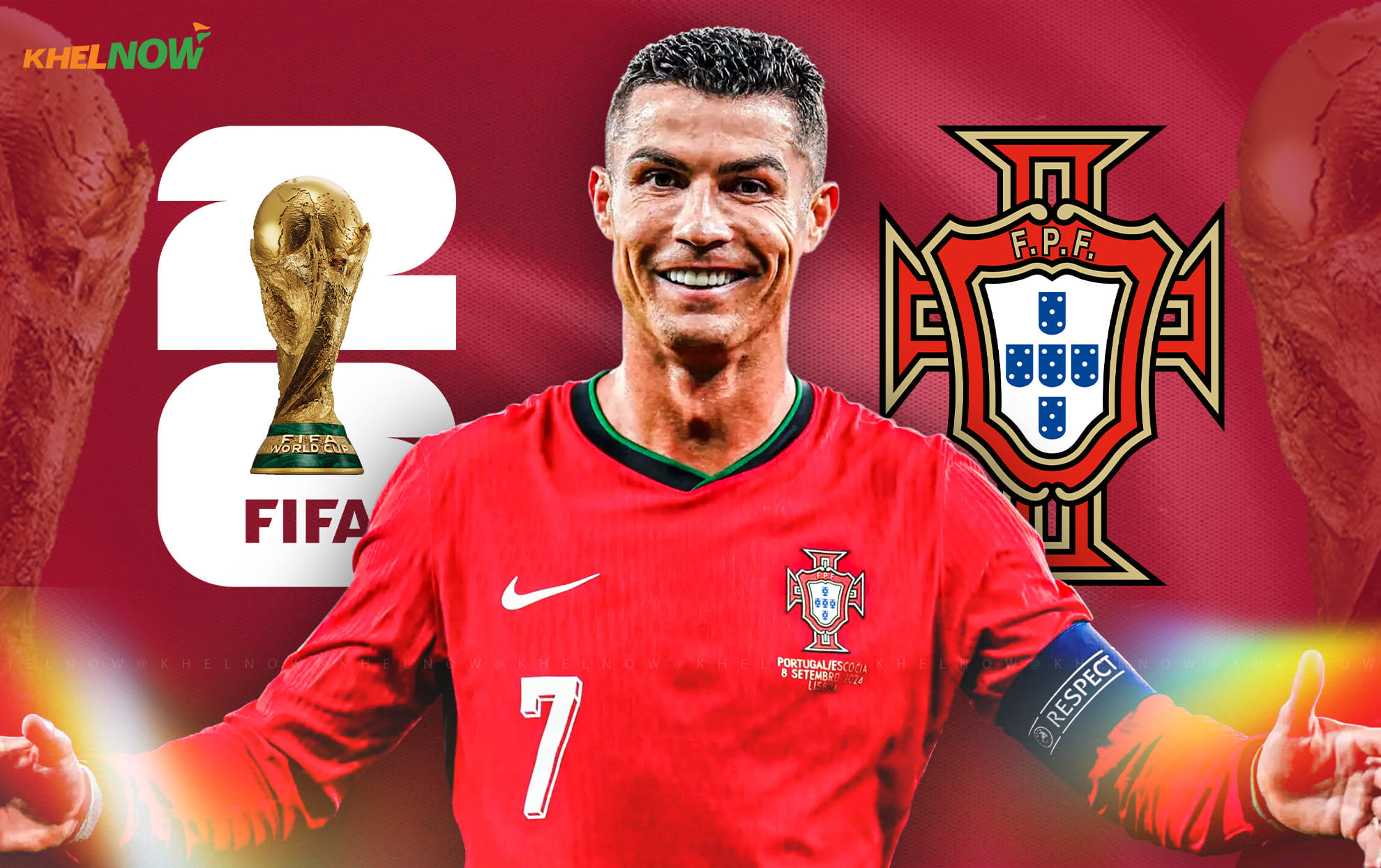
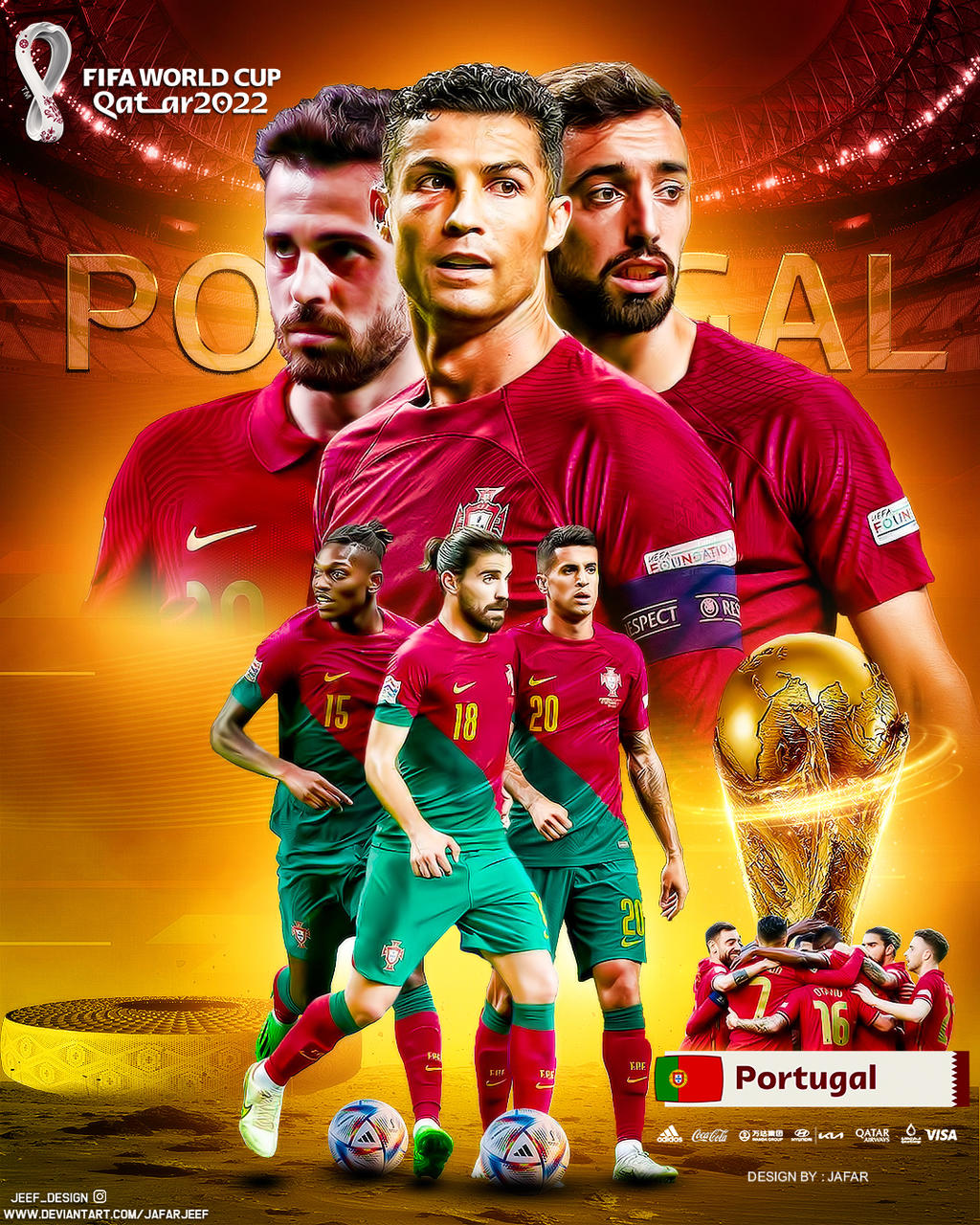
The Portugal national team’s 2022 World Cup squad represented a significant turning point in the nation’s footballing history, blending the sunset years of a legendary generation with the emergence of elite young talent. Led by manager Fernando Santos, the 26-man roster traveled to Qatar with high expectations, ultimately reaching the quarter-finals before a historic exit against Morocco. This squad was defined by a shift in tactical identity and the complex narrative surrounding its captain, Cristiano Ronaldo.
The Strategic Architecture of Fernando Santos’s Selection
By late 2022, the Portuguese national team, known as the Seleção das Quinas, had moved away from the ultra-pragmatic, defensive style that secured the Euro 2016 title. From our perspective in 2026, we can see that the 2022 squad was one of the most talented groups ever assembled by the Portuguese Football Federation (FPF). The selection process focused on high-pressing capabilities, technical proficiency in the midfield, and a wealth of attacking options that allowed for multiple tactical systems.
Fernando Santos faced the challenge of integrating established veterans like Pepe and Cristiano Ronaldo with a "Golden Generation" of players peaking in Europe's top leagues, such as Bruno Fernandes, Bernardo Silva, and Rúben Dias. The squad was built to dominate possession—a departure from previous tournaments where Portugal often sat deep and relied on counter-attacks.
Tactical Flexibility and System Choice
Throughout the tournament, Portugal primarily utilized a 4-3-3 formation that could morph into a 4-2-3-1 or a 4-1-2-1-2 (diamond) depending on the personnel. The inclusion of versatile players like Bernardo Silva and Otávio allowed Santos to change the team's shape without making substitutions. The tactical blueprint relied heavily on the creative output of the "double eights"—Fernandes and Silva—who were tasked with linking the defensive line to a rotating front three.
Positional Breakdown: The 26-Man Roster
The 2022 squad featured a mix of experience and youth, with three goalkeepers, eight defenders, ten midfielders, and five specialized forwards. The following analysis explores the roles and expectations placed upon each unit during the Qatar campaign.
Goalkeepers: The Changing of the Guard
The most significant story in the goalkeeping department was the ascent of Diogo Costa. While Rui Patrício had been the undisputed number one for over a decade, Costa’s form at FC Porto forced a change.
- Diogo Costa: Started all five matches. Known for his distribution and shot-stopping, though his tournament was marked by a high-profile near-error against Ghana and a misjudgment on the winning goal by Morocco.
- Rui Patrício: The veteran presence and locker room leader. In 2022, he served as the primary backup, marking the end of his era as the starting keeper in major tournaments.
- José Sá: Included after a stellar season with Wolverhampton Wanderers, providing high-quality depth but not seeing any minutes.
The Defensive Line: Experience vs. Modernity
The defense featured a blend of the old guard and the new, though it was plagued by injuries to key full-backs.
- Central Defense: Rúben Dias was the undisputed leader of the backline. He was partnered primarily by Pepe, who, at 39, remained one of the tournament's most physically dominant defenders. When injury or fatigue played a role, Danilo Pereira (who moved from midfield to defense) and the then-teenage sensation António Silva provided cover.
- Full-backs: Portugal entered the tournament with arguably the best full-back depth in the world. João Cancelo and Nuno Mendes were the preferred starters. However, Mendes suffered a tournament-ending injury in the group stage, and Cancelo’s drop in form led to Diogo Dalot and Raphael Guerreiro becoming the primary starters in the knockout rounds.
The Midfield Engine Room
The 2022 midfield was designed for control. Rúben Neves and William Carvalho provided the defensive screen, while the creative burden fell on the Manchester-based duo of Bruno Fernandes and Bernardo Silva.
- Bruno Fernandes: Statistically Portugal’s best player in the tournament, contributing crucial goals and assists. His ability to find space between the lines was the team's primary offensive weapon.
- Vitinha and Otávio: These players provided the "intensity" Santos craved. Otávio’s tactical discipline on the right flank was vital for defensive balance, while Vitinha offered press resistance in the center.
The Forward Line and the Ronaldo Narrative
The attack was the most scrutinized area of the squad. While Cristiano Ronaldo remained the captain and a global icon, his club-level struggles at Manchester United preceded the tournament.
- Cristiano Ronaldo: Scored a penalty in the opening match against Ghana but struggled to impact open play. His benching for the Round of 16 match against Switzerland remains one of the most famous tactical decisions in Portuguese football history.
- Gonçalo Ramos: The Benfica striker who replaced Ronaldo in the starting lineup against Switzerland and scored the tournament's only hat-trick.
- João Félix and Rafael Leão: Félix provided the artistic flair and link-up play, while Leão served as a devastating "super-sub," using his pace to punish tired defenses late in games.
Official 2022 Portugal World Cup Squad List
| Player Name | Position | Club (at time of 2022 WC) | Notable Contribution |
|---|---|---|---|
| Diogo Costa | Goalkeeper | FC Porto | Emerged as the new #1 starter |
| Rui Patrício | Goalkeeper | AS Roma | Veteran leadership/Backup |
| José Sá | Goalkeeper | Wolverhampton | Third-choice keeper |
| Pepe | Defender | FC Porto | Scored in R16; defensive anchor |
| Rúben Dias | Defender | Manchester City | Maintained defensive structure |
| Danilo Pereira | Defender/MF | Paris Saint-Germain | Versatile cover before injury |
| António Silva | Defender | SL Benfica | Youngest player in the squad |
| João Cancelo | Defender | Manchester City | Tactical flexibility on both flanks |
| Diogo Dalot | Defender | Manchester United | Key starter in the knockout rounds |
| Nuno Mendes | Defender | Paris Saint-Germain | Started well before injury exit |
| Raphael Guerreiro | Defender | Borussia Dortmund | Crucial attacking output from LB |
| William Carvalho | Midfielder | Real Betis | Provided physical presence in mid |
| Rúben Neves | Midfielder | Wolverhampton | Deep-lying playmaker role |
| João Palhinha | Midfielder | Fulham | Defensive specialist for leads |
| Bruno Fernandes | Midfielder | Manchester United | Top scorer and assist provider |
| Bernardo Silva | Midfielder | Manchester City | Tactical engine and ball carrier |
| Vitinha | Midfielder | Paris Saint-Germain | Controlled tempo in transitions |
| Otávio | Midfielder | FC Porto | High-intensity pressing |
| Matheus Nunes | Midfielder | Wolverhampton | Late-game energy and drive |
| João Mário | Midfielder | SL Benfica | Experienced possession-holder |
| Cristiano Ronaldo | Forward | Unattached (ex-Man Utd) | First player to score in 5 WCs |
| João Félix | Forward | Atlético Madrid | Creative hub for the front line |
| Rafael Leão | Forward | AC Milan | Impact substitute with 2 goals |
| Gonçalo Ramos | Forward | SL Benfica | Hat-trick vs. Switzerland |
| Ricardo Horta | Forward | SC Braga | Scored against South Korea |
| André Silva | Forward | RB Leipzig | Traditional target man option |
Performance Path: From Group H to the Quarter-Finals
The 2022 squad's journey was a rollercoaster of dominant performances and tactical frustrations. To understand the squad's "overview," one must look at how the roster was utilized across the five matches.
Group Stage: Securing Early Qualification
Portugal opened their campaign with a 3-2 victory over Ghana. This match was significant for Cristiano Ronaldo’s record-breaking goal, but it also revealed defensive frailties. The second match against Uruguay (2-0) was a masterclass from Bruno Fernandes, whose two goals secured advancement with a game to spare. A rotated side lost 2-1 to South Korea in the final group game, a result that ultimately mattered little for the standings but raised questions about squad depth and momentum.
The Round of 16: The Ramos Explosion
The match against Switzerland (6-1) was the peak of the 2022 squad’s performance. Fernando Santos made the bold decision to bench Ronaldo in favor of Gonçalo Ramos. The move paid off immediately, as Portugal played their most fluid and aggressive football in years. The squad looked unburdened, and the 6-1 scoreline positioned them as genuine contenders for the trophy.
The Quarter-Final: The Moroccan Wall
In the quarter-final against Morocco, the squad faced a low-block defensive system they could not crack. Despite dominating possession and bringing Ronaldo off the bench early in the second half, Portugal lost 1-0. This match highlighted a recurring issue for the 2022 group: difficulty in breaking down elite, disciplined defenses despite having immense individual talent.
The Legacy of the 2022 Squad
From the 2026 perspective, the 2022 World Cup squad is viewed as the bridge between two eras. It was the tournament where the leadership of the team began to shift from Cristiano Ronaldo to the trio of Rúben Dias, Bruno Fernandes, and Bernardo Silva.
The squad also saw the introduction of players who would become the core of the 2024 Euros and the 2026 World Cup cycles, such as António Silva, Gonçalo Ramos, and Vitinha. The departure of Fernando Santos shortly after the tournament marked the end of an eight-year tenure, leading to the appointment of Roberto Martínez and a further evolution of the squad's attacking philosophy.
Key Statistics of the Tournament
- Total Goals Scored: 12
- Total Goals Conceded: 6
- Top Scorer: Gonçalo Ramos (3), Bruno Fernandes (2), Rafael Leão (2).
- Top Assister: Bruno Fernandes (3).
- Youngest Player: António Silva (19 years old).
- Oldest Player: Pepe (39 years old).
Frequently Asked Questions
Why was Cristiano Ronaldo benched during the 2022 World Cup?
Manager Fernando Santos benched Ronaldo for the Round of 16 match against Switzerland primarily for tactical reasons. The team required a more mobile, high-pressing forward to exploit the Swiss defense, a role Gonçalo Ramos fulfilled perfectly by scoring a hat-trick. While there were reports of friction following Ronaldo's reaction to being substituted against South Korea, Santos maintained the decision was purely "strategic."
Who was Portugal’s best player in the 2022 World Cup?
Most analysts and FIFA technical reports cited Bruno Fernandes as Portugal’s standout performer. He was involved in more goals than any other Portuguese player and served as the creative heartbeat of the team. His performance against Uruguay was particularly vital in ensuring the team's progression to the knockout stages.
Which players missed the 2022 World Cup due to injury?
The most notable absence was Diogo Jota, whose calf injury suffered while playing for Liverpool was a major blow to the team's pressing system. Additionally, Pedro Neto and Ricardo Pereira were unavailable due to long-term injuries. During the tournament itself, Nuno Mendes and Danilo Pereira also suffered injuries that limited their participation.
How many players from the 2022 squad are still active in 2026?
A significant majority of the 2022 squad remains active in 2026, though veterans like Pepe and Rui Patrício have since transitioned into retirement or coaching roles. The core of the 2022 team—including Dias, Fernandes, Silva, and Félix—continues to represent the backbone of the national team in current international competitions.
What was the final ranking of Portugal in the 2022 World Cup?
Portugal finished in 8th place overall, having reached the quarter-finals. This was their best World Cup finish since 2006, though it was generally viewed as a missed opportunity given the talent depth of the squad and the favorable path they had to the final.
Final Recommendation for Historians and Fans
For those looking to analyze the 2022 Portugal World Cup squad, it is recommended to focus on the Switzerland vs. Portugal match as the definitive example of this squad’s potential. To understand the tactical nuances, fans should consult official technical reports from FIFA Training Centre or the Portuguese Football Federation (FPF). This tournament serves as a case study in managing the transition of a global superstar while integrating a new wave of elite talent.