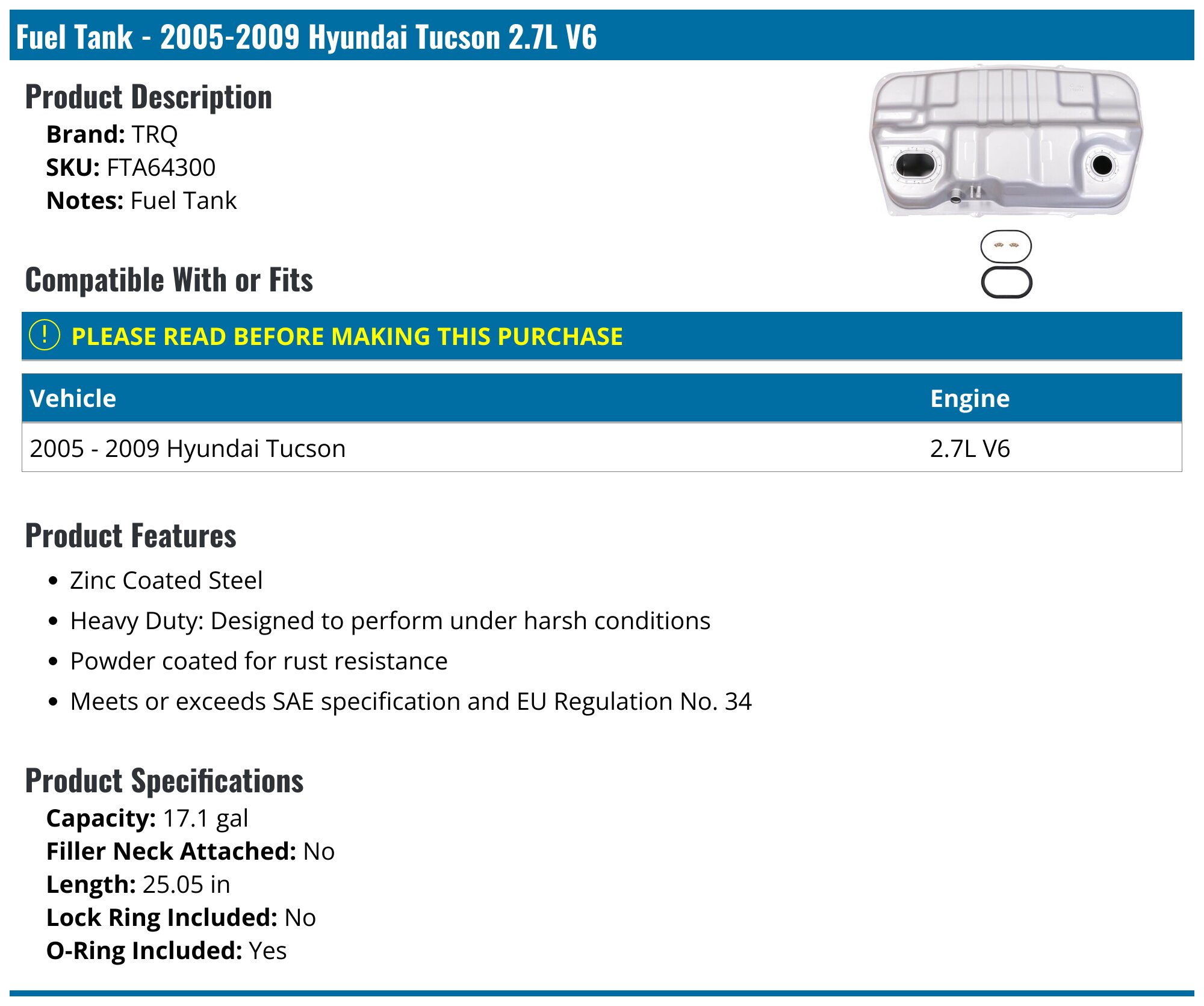
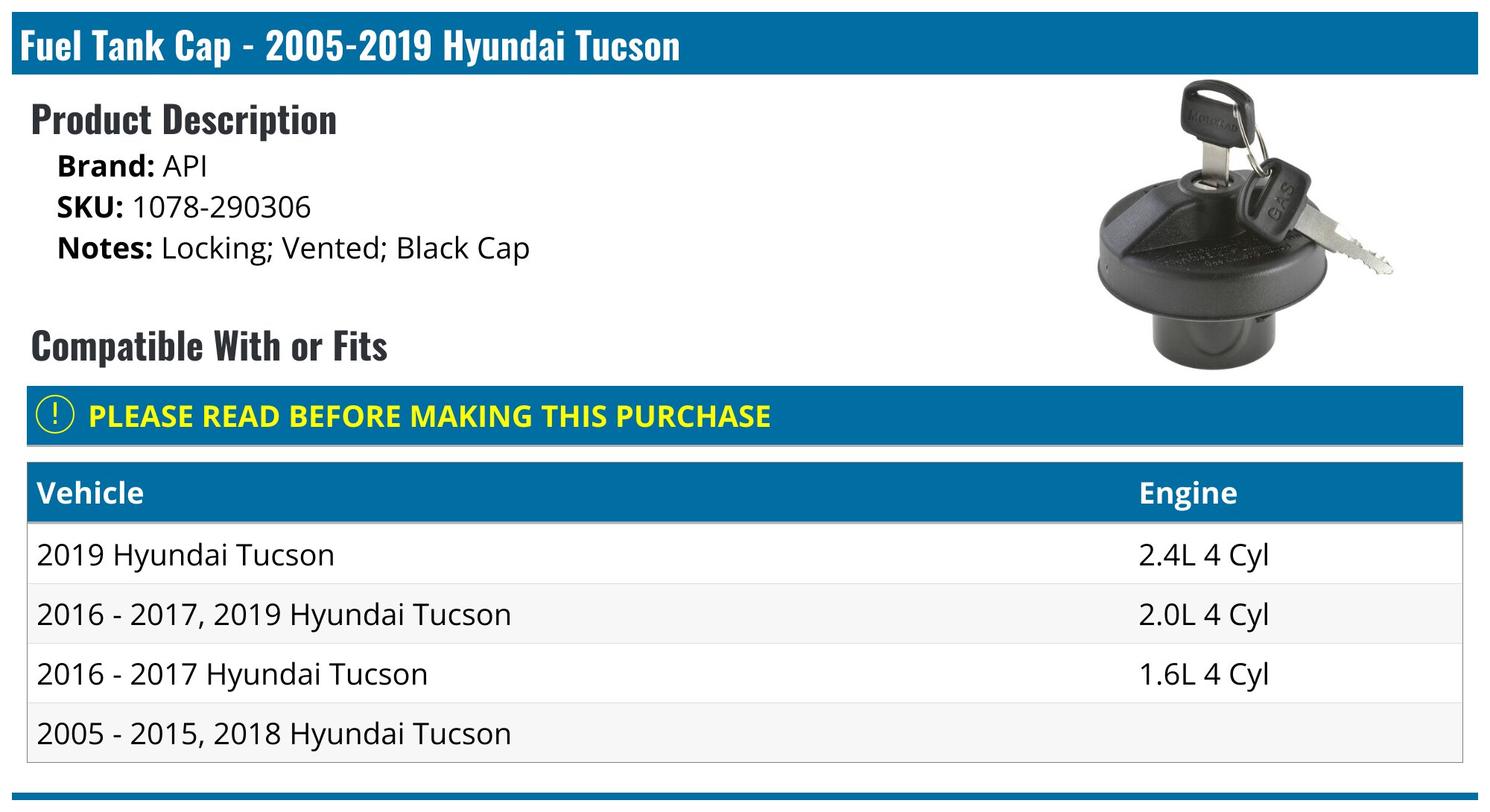
The 2019 Hyundai Tucson features a fuel tank capacity of 16.4 gallons across all trim levels and powertrain configurations. Whether you are driving the 2.0-liter inline-four engine or the more powerful 2.4-liter variant, the vehicle is designed with this standardized fuel reservoir to balance weight distribution, interior packaging, and driving range.
Understanding your vehicle’s fuel capacity is a fundamental aspect of responsible ownership. It directly influences your ability to plan long-distance travel, manage fuel efficiency, and maintain the health of your vehicle’s fuel delivery system. For owners of the 2019 Hyundai Tucson, a compact SUV that remains a popular choice for commuters and families alike, knowing exactly how much fuel the tank holds allows for more accurate tracking of miles per gallon (MPG) and safer trip planning.
Technical Specifications of the 2019 Hyundai Tucson Fuel System
The 2019 model year for the Hyundai Tucson saw a mid-cycle refresh that brought updated styling and technology, but the mechanical fundamentals of the fuel system remained consistent. Regardless of whether you chose the SE, Value, SEL, Sport, or Limited trim, the engineering team at Hyundai standardized the 16.4-gallon fuel tank size.
This capacity is significant for the segment. While some competitors in the compact SUV class fluctuate between 14 and 16 gallons, the 16.4-gallon tank in the 2019 Tucson provides a competitive range. When combined with the EPA-estimated fuel economy ratings—which generally fall in the low-to-mid 20s for city driving and high 20s for highway travel—the vehicle is capable of achieving a theoretical range of over 400 miles on a single tank under ideal highway conditions.
Factors Influencing Real-World Driving Range
While the technical capacity of the tank is 16.4 gallons, your real-world driving range will vary based on several critical factors. It is a common misconception that the fuel gauge will reach "Empty" exactly when the tank is bone-dry. Manufacturers build in a "reserve" capacity to protect the electric fuel pump from overheating and to prevent the engine from stalling due to fuel starvation when driving on inclines or during aggressive maneuvers.
Engine Displacement and Efficiency
The 2019 Tucson was offered with two primary naturally aspirated engines:
- 2.0-liter GDI 4-cylinder: Found in the SE and Value trims. This engine is designed for efficiency and is optimized for daily city driving.
- 2.4-liter GDI 4-cylinder: Found in the SEL, Sport, and Limited trims. This engine provides more torque and horsepower, which naturally consumes fuel at a slightly higher rate during acceleration.
Driving Habits and Environment
Your personal driving style is perhaps the most significant variable. Rapid acceleration, heavy braking, and high-speed cruising significantly decrease fuel efficiency. Furthermore, idling in traffic or using the climate control system extensively can cause your fuel gauge to drop faster than expected, even if the distance covered remains the same. Geography also plays a role; driving in mountainous terrain requires more engine power to overcome gravity, which will deplete your 16.4 gallons of fuel more quickly than driving on flat, open terrain.
Comparing the 2019 Tucson Fuel Capacity
To understand how the 16.4-gallon tank compares to other vehicles, it is helpful to look at the broader context of the compact SUV market.
| Vehicle Model | Fuel Tank Capacity (Gallons) | Segment |
|---|---|---|
| 2019 Hyundai Tucson | 16.4 | Compact SUV |
| 2019 Toyota RAV4 | 14.5 | Compact SUV |
| 2019 Honda CR-V | 14.0 | Compact SUV |
| 2019 Nissan Rogue | 14.5 | Compact SUV |
| 2019 Mazda CX-5 | 14.8 | Compact SUV |
As illustrated in the table, the 2019 Hyundai Tucson offers a larger-than-average fuel tank for its class. This can be a distinct advantage for drivers who prioritize longer intervals between gas station stops, effectively reducing the frequency of fueling sessions during long road trips.
The Importance of Maintenance and Fuel Quality
The fuel system in the 2019 Hyundai Tucson is a pressurized, closed-loop system designed to minimize evaporative emissions. Keeping this system in top condition involves more than just filling the tank; it requires adhering to best practices regarding fuel quality and tank management.
Avoiding "Top-Off" Practices
Many drivers have a habit of "topping off" their tank after the gas pump nozzle clicks off automatically. For the 2019 Hyundai Tucson, this is discouraged. The evaporative emission control system (EVAP) relies on an air pocket at the top of the tank to function correctly. By forcing extra fuel into the filler neck, you risk damaging the charcoal canister, which is designed to trap fuel vapors. If this component becomes saturated with liquid fuel, it can lead to engine performance issues and trigger a "Check Engine" light, often resulting in expensive repairs that are not typically covered under standard warranty terms.
Fuel Quality Standards
Hyundai recommends the use of Top Tier detergent gasoline. Using fuel with adequate additives helps keep the fuel injectors and intake valves clean, which preserves the efficiency of the direct-injection engine. Direct-injection engines are more susceptible to carbon buildup if poor-quality fuel is used consistently, which can lead to a decrease in fuel economy over the long term.
Troubleshooting Fuel-Related Issues
If you notice that your fuel gauge is not reading accurately or if you are having trouble filling the tank, there are several steps you can take to diagnose the problem.
- Inaccurate Gauge Reading: If the gauge fluctuates wildly or does not show a full tank after refueling, the issue is often a faulty fuel level sending unit located inside the tank. This is a common wear item in many vehicles and may require professional diagnosis.
- Slow Fill-Up Issues: If the gas pump nozzle clicks off prematurely every few seconds, there may be an obstruction in the EVAP vent hose or a problem with the fuel tank breather valve. If the air in the tank cannot escape as fuel enters, the pump will assume the tank is full.
- Unexpected Fuel Economy Drop: A sudden drop in range is rarely the fault of the tank itself. Before assuming a mechanical failure, check your tire pressure. Low tire pressure increases rolling resistance and can drastically reduce MPG. Additionally, ensure your air filter is clean, as the engine requires a consistent flow of air to maintain its fuel-to-air ratio.
Frequently Asked Questions
Does the 2019 Hyundai Tucson have different tank sizes for AWD and FWD? No. Whether your Tucson is equipped with the standard Front-Wheel Drive (FWD) or the optional All-Wheel Drive (AWD) system, the fuel tank size remains 16.4 gallons. The engineering team integrated the tank in a way that accommodates the AWD driveline components without sacrificing capacity.
How many miles should I expect to get per tank? The range depends on your specific driving conditions. With an average of 25 MPG combined, you could expect a range of approximately 410 miles. However, this is an estimate, and you should always rely on your low-fuel warning light as a signal to locate a fueling station.
What is the "reserve" amount when the low fuel light comes on? Typically, the low fuel warning light on the 2019 Tucson illuminates when there are approximately 2 to 2.5 gallons remaining in the tank. This is designed to give you a safety buffer, usually enough to travel 40 to 60 miles, depending on your current fuel consumption rate.
Is it bad to drive on "Empty"? Yes. Driving regularly with a nearly empty tank can cause the electric fuel pump to overheat. The fuel in the tank acts as a coolant for the pump. Furthermore, running the tank very low increases the risk of the pump picking up sediment that may have settled at the bottom of the tank over time, which can clog the fuel filter.
Does the 2019 Hyundai Tucson require premium fuel? No. The 2019 Hyundai Tucson is engineered to run on regular unleaded gasoline with an octane rating of 87. Using higher-octane fuel does not provide performance or efficiency benefits for this specific engine architecture.
Recommendations for Owners
To ensure the longevity of your 2019 Hyundai Tucson’s fuel system, prioritize consistent maintenance. Never let your fuel level drop below the one-quarter mark regularly, as this protects the fuel pump and prevents the engine from ingesting impurities. When refueling, stop at the first click of the pump nozzle. If you are preparing for a long trip, verify your tire pressure and check your air filter to ensure you are getting the most out of your 16.4-gallon capacity. By maintaining these simple habits, you will maximize the efficiency and reliability of your vehicle for years to come.