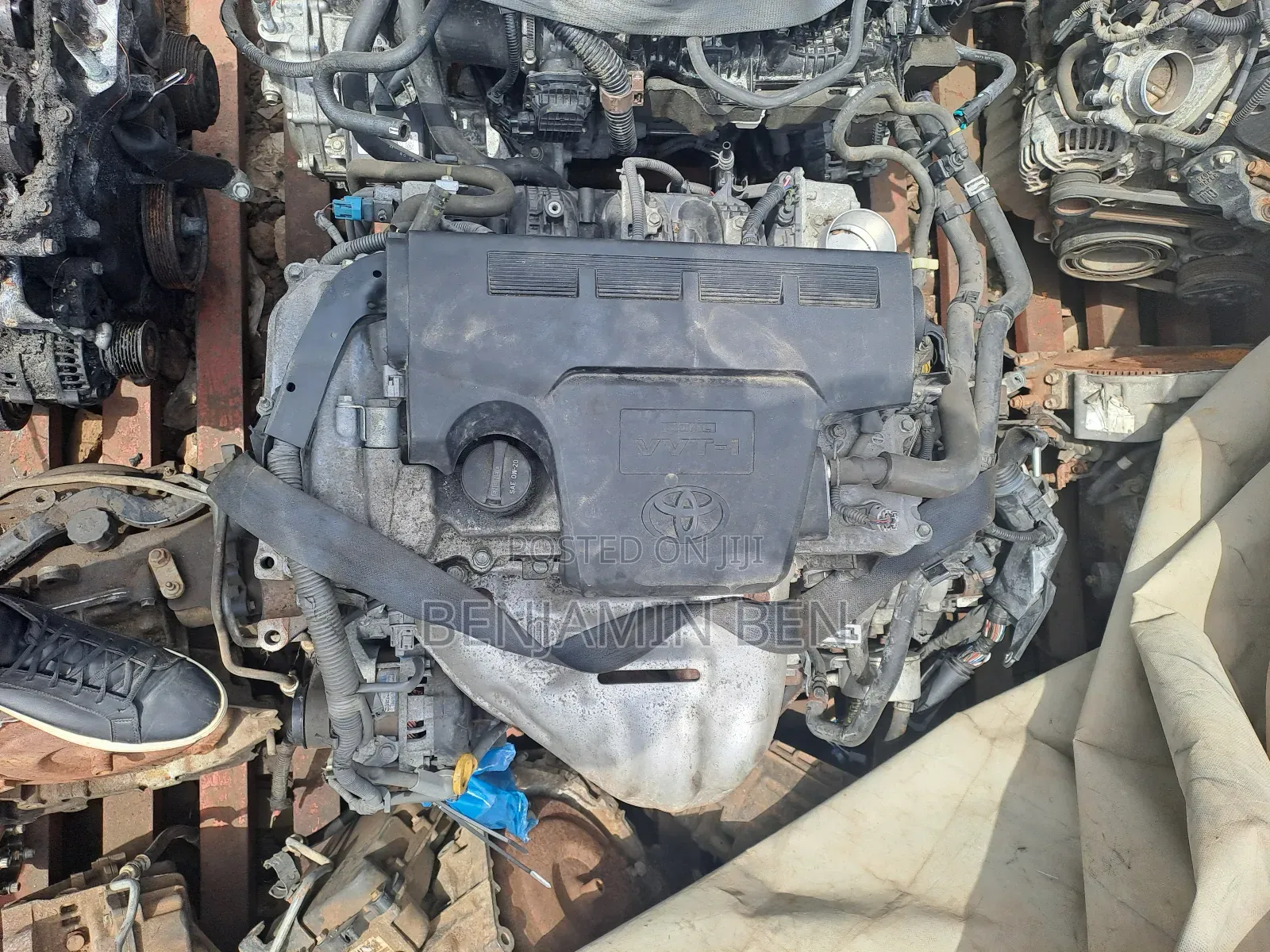
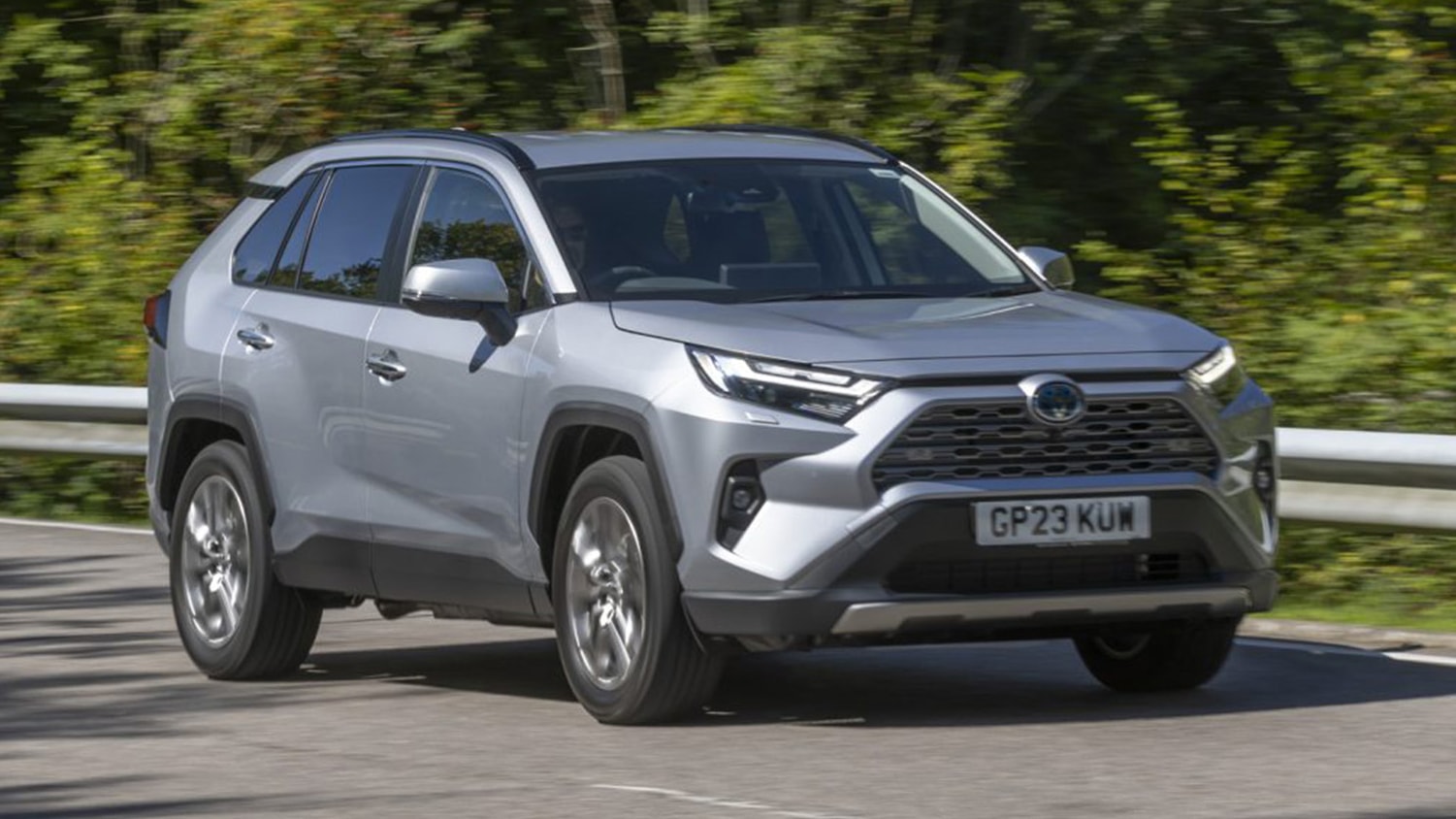
The 2018 Toyota RAV4 is powered primarily by a 2.5-liter 4-cylinder engine, designated the 2AR-FE, which produces 176 horsepower and 172 lb-ft of torque. This naturally aspirated gasoline engine is paired with a 6-speed automatic transmission. For those seeking efficiency, the 2018 RAV4 Hybrid variant utilizes a 2.5-liter Atkinson-cycle engine combined with an electric motor system for a total net output of 194 horsepower.
Understanding the 2018 RAV4 Powertrain Architecture
The 2018 model year represents the penultimate year of the fourth generation (XA40) of the Toyota RAV4. During this era, Toyota maintained a focus on proven, reliable mechanical engineering rather than downsizing to smaller, turbocharged engines, which were becoming common among competitors at the time. The 2.5-liter 4-cylinder internal combustion engine remains the bedrock of the 2018 lineup, providing a predictable and well-documented ownership experience for drivers.
The gasoline-only 2AR-FE engine is a dual overhead cam (DOHC) 16-valve engine featuring Dual VVT-i (Variable Valve Timing with intelligence). This system adjusts the timing of both the intake and exhaust valves to optimize performance across the RPM range. It provides a balance between low-end torque for acceleration and high-RPM efficiency for highway cruising. The engine is longitudinally mounted in an east-west configuration, driving the front wheels or all four wheels depending on the trim level's drivetrain setup.
The Hybrid Powertrain Alternative
The 2018 RAV4 Hybrid employs a distinct engineering philosophy. While it also uses a 2.5-liter displacement, it operates on the Atkinson cycle. The Atkinson cycle is designed for high thermal efficiency, sacrificing some peak power in the lower RPM range to maximize fuel economy. This loss in power is effectively mitigated by the addition of the Toyota Hybrid Synergy Drive system.
In the Hybrid, the internal combustion engine is supplemented by two electric motor-generators. This system provides a combined 194 horsepower, which is notably higher than the 176 horsepower found in the non-hybrid gasoline model. Furthermore, the hybrid model features an Electronic On-Demand All-Wheel Drive (AWD-i) system, where a dedicated electric motor powers the rear wheels, eliminating the need for a traditional mechanical driveshaft or transfer case associated with gasoline AWD systems.
Technical Specifications Comparison
When evaluating the engine capabilities of the 2018 RAV4, potential owners and technicians should refer to the fundamental performance metrics. These values define the vehicle's character, fuel economy potential, and maintenance requirements.
| Feature | 2.5L Gas (2AR-FE) | 2.5L Hybrid (2AR-FXE) |
|---|---|---|
| Configuration | Inline-4 | Inline-4 Atkinson Cycle |
| Horsepower | 176 hp @ 6,000 rpm | 194 hp (Net System) |
| Torque | 172 lb-ft @ 4,100 rpm | 152 lb-ft (Engine only) |
| Transmission | 6-Speed Automatic | Electronically Controlled CVT |
| Drivetrain | FWD or AWD | Electronic AWD-i |
| Fuel Economy (Combined) | ~25 mpg | ~32 mpg |
Maintenance Requirements and Reliability
The longevity of the 2018 RAV4 engine is largely attributed to its traditional architecture. The 2AR-FE engine does not use a turbocharger, which reduces complexity and heat soak issues in the engine bay. From a maintenance perspective, this engine features a timing chain rather than a timing belt. Timing chains are generally designed to last the life of the engine, provided the oil is changed at the manufacturer-recommended intervals.
Technicians and owners should note that consistent maintenance is critical for the Dual VVT-i system to function correctly. Using high-quality synthetic 0W-20 motor oil is the manufacturer's requirement to ensure proper lubrication and timing actuator response. Failure to adhere to oil change intervals can lead to carbon buildup or sludge, which may affect the operation of the variable valve timing oil control valves.
For the hybrid model, the internal combustion engine receives less wear and tear compared to the gas-only model because the electric motors assist during acceleration, reducing the stress on the cylinders. However, the hybrid cooling system—specifically the inverter cooling circuit—requires periodic inspection to ensure that the hybrid components operate within optimal temperature ranges.
Common Troubleshooting and Performance Considerations
While the 2018 RAV4 engine is regarded as highly reliable, there are common operational nuances that users should understand.
- Transmission Learning: The 6-speed automatic transmission in the non-hybrid model is programmed for fuel efficiency. Some drivers may perceive "hesitation" during quick acceleration as the transmission shifts to find the most efficient gear ratio. This is a characteristic of the transmission's logic rather than an engine failure.
- Cold Start Idle: Like many Toyota engines of this vintage, the engine may exhibit a slightly elevated idle upon a cold start. This is a programmed function to bring the catalytic converter to operating temperature as quickly as possible to meet emissions standards.
- Oil Consumption: While the 2AR-FE is not prone to excessive oil consumption like some earlier Toyota designs, it is good practice for owners to monitor oil levels every 3,000 miles, especially as the vehicle reaches higher mileage, to ensure no leaks have developed around the valve cover gasket or the oil filter housing.
The Role of the Transmission in Engine Performance
The engine does not work in isolation. In the 2018 gasoline model, the 6-speed transmission utilizes a torque converter with a lock-up clutch. This design maximizes fuel economy during highway driving by physically connecting the engine output to the transmission input, reducing energy losses common in traditional fluid-coupled torque converters.
Conversely, the Hybrid uses an Electronic Continuously Variable Transmission (ECVT). It is vital to note that this is not a belt-and-pulley CVT commonly found in other manufacturers' vehicles. The Toyota ECVT is a planetary gear set that balances the input from the gas engine and the electric motors. This lack of "shifting" provides a smooth, linear power delivery that many drivers prefer for urban commuting, though it produces a different sound profile under hard acceleration than the stepped-gear 6-speed transmission.
Professional Guidance for Long-Term Ownership
For those looking to maintain their 2018 RAV4 through 2026 and beyond, prioritizing preventative care is the most effective way to avoid engine-related issues.
- Fluid Management: Beyond engine oil, ensure the transmission fluid is monitored. While Toyota classifies the fluid as "lifetime" under normal conditions, many independent mechanics recommend a drain-and-fill service every 60,000 to 80,000 miles to remove metal particulates from the internal components.
- Air Filtration: Because the 2.5L engine relies on precise air-fuel ratios, ensure the engine air filter is clean. A clogged filter can restrict airflow, causing the engine to work harder than necessary and potentially triggering a check engine light related to fuel trim efficiency.
- Cooling System: The radiator and hoses should be inspected for signs of dry rot or seepage. Because the engine reaches high temperatures to facilitate efficient combustion, any compromise in the cooling system can lead to localized overheating, which may warp the cylinder head over time.
Frequently Asked Questions
Does the 2018 RAV4 have a timing belt or chain? The 2018 RAV4 uses a timing chain. This is a significant advantage for long-term ownership, as timing chains do not require the periodic replacement intervals associated with rubber timing belts, provided the engine oil is kept clean and topped up.
Is the 2018 RAV4 engine reliable for high mileage? Yes, the 2AR-FE engine architecture is widely considered one of Toyota's most reliable powerplants. With regular oil changes and adherence to the factory maintenance schedule, these engines frequently exceed 200,000 miles without major mechanical failures.
Can I use regular unleaded gasoline in my 2018 RAV4? Yes, both the standard 2.5L gas engine and the 2.5L hybrid engine are designed to operate on regular 87-octane unleaded gasoline. There is no performance benefit to using higher-octane fuel, as the engine's compression ratio is set for standard grade.
What causes the "humming" noise during heavy acceleration in the Hybrid? This is typically the sound of the ECVT balancing the power between the internal combustion engine and the electric motors. Because the engine may hold a specific RPM to optimize for power or efficiency while the vehicle speed increases, it can sound different from a traditional engine that climbs through the gears.
What is the "Eco" mode’s effect on the engine? Eco mode modifies the throttle sensitivity and the climate control performance. By dampening the initial throttle response, the engine is less likely to reach higher RPMs during gentle acceleration, which contributes to better fuel economy in stop-and-go city traffic.
Final Recommendation
The 2018 RAV4 engine remains a standout choice for those prioritizing durability and ease of maintenance. If your driving patterns involve extensive city traffic, the hybrid model offers significant fuel savings and a smoother power delivery. For those who prefer a traditional automotive feel and simpler drivetrain components, the gasoline-only model is a robust, well-vetted choice. For ongoing health, focus on adherence to the 0W-20 oil change interval, as this remains the single most important factor in the lifespan of the 2AR-FE engine series.