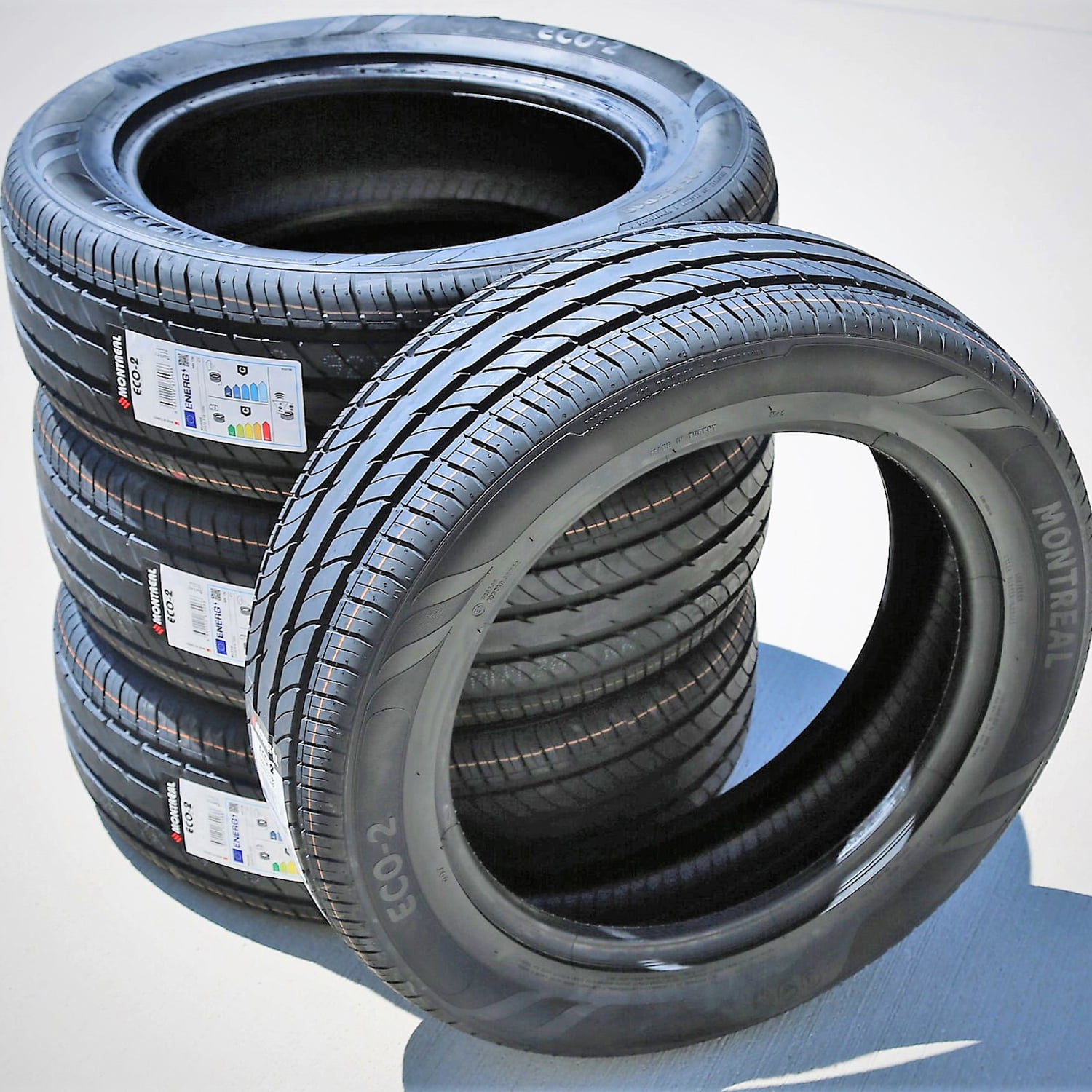
The 2018 Nissan Sentra utilizes various tire sizes depending on the specific trim level and wheel configuration, ranging from 16-inch steel or alloy wheels to 17-inch sport-styled alloy wheels. Owners typically find the correct specification on the driver-side door jamb placard, which lists the factory-recommended tire size, inflation pressure, and load index for their specific vehicle.
Understanding Factory Tire Configurations
The 2018 Nissan Sentra was produced in several trim levels, including the S, SV, SR, SR Turbo, and NISMO editions. Because Nissan engineered these trims with different suspension tunings, braking requirements, and aesthetic goals, the tire sizes are not universal across the entire model year.
The base S trim typically came equipped with 16-inch wheels, necessitating a specific aspect ratio and width to maintain the car's speedometer accuracy and handling characteristics. Conversely, higher-tier trims like the NISMO or SR Turbo feature 17-inch or 18-inch wheels, which require low-profile tires to accommodate the larger rim diameter while keeping the overall rolling diameter consistent with the rest of the Sentra lineup. It is critical to identify your specific trim level before purchasing replacements, as installing the incorrect tire size can affect fuel economy, transmission longevity in CVT-equipped models, and the accuracy of the electronic safety systems, such as the Anti-lock Braking System (ABS) and Vehicle Dynamic Control (VDC).
Verifying Your Specific Tire Size
While owner’s manuals and general search results provide a baseline, the most reliable method for determining your 2018 Nissan Sentra tire size is to inspect the physical components of your vehicle.
- The Door Jamb Placard: Open the driver-side door and look for a white or silver sticker attached to the B-pillar (the frame of the car body). This label is placed by the manufacturer and indicates the original equipment (OE) tire size and the recommended cold tire pressure (PSI) for both front and rear tires.
- Sidewall Markings: If your current tires match the factory specifications, simply read the alphanumeric code embossed on the sidewall of your existing tires. A typical code for this vehicle will follow the format P205/55R16 or 215/45R17.
- Trim Level Verification: Check your vehicle’s registration or original purchase paperwork to confirm the exact trim. The NISMO trim, for instance, uses a distinct 18-inch wheel setup that differs significantly from the standard 16-inch or 17-inch tires found on the base S or SV models.
Standard Tire Size Specifications by Trim
The following table outlines the common tire sizes associated with the 2018 Nissan Sentra trim levels. Please verify these against the placard on your specific vehicle, as aftermarket modifications or dealer-installed options can sometimes result in variations.
| Trim Level | Wheel Size | Recommended Tire Size |
|---|---|---|
| S | 16-inch | 205/55R16 |
| SV | 16-inch | 205/55R16 |
| SR / SR Midnight | 17-inch | 205/50R17 |
| SR Turbo | 17-inch | 205/50R17 |
| NISMO | 18-inch | 215/45R18 |
Deciphering Tire Sidewall Codes
Understanding the numbers on your tire sidewall is essential for making informed purchasing decisions. For example, in the code 205/55R16:
- 205: This is the nominal width of the tire in millimeters, measured from sidewall to sidewall.
- 55: This is the aspect ratio, meaning the height of the tire's cross-section is 55% of its width.
- R: Indicates the tire's construction, which in this case is Radial.
- 16: The diameter of the wheel in inches for which the tire is designed.
Additionally, you will often see a service description like 91V. The 91 is the load index, indicating the maximum weight the tire can support. The V is the speed rating, signifying the maximum speed the tire can safely sustain. For the 2018 Nissan Sentra, maintaining the manufacturer's load and speed rating is important for ensuring the tires perform safely under the weight and power output of the vehicle.
The Importance of Tire Pressure and Maintenance
Regardless of the size you choose, your 2018 Nissan Sentra’s performance and safety are heavily reliant on maintaining correct tire pressure. The pressure listed on the door placard is the "cold" inflation pressure, meaning the car has been parked for at least three hours or driven less than one mile.
Driving with under-inflated tires increases rolling resistance, which negatively impacts fuel economy and causes the tire to overheat, potentially leading to a blowout. Conversely, over-inflating tires reduces the contact patch with the road, leading to uneven tread wear and reduced traction, particularly in wet or icy conditions. It is standard practice to check tire pressure at least once a month and before any long road trips. Furthermore, consistent tire rotation—typically every 5,000 to 7,500 miles—helps ensure that the tread wears evenly, extending the life of your tires and maintaining consistent handling across all four wheels.
Choosing Between All-Season and Specialized Tires
Most 2018 Nissan Sentra owners opt for "All-Season" tires, which are designed to provide a compromise between dry performance, wet grip, and light winter traction. All-season tires feature tread patterns and rubber compounds that remain flexible across a wide range of temperatures.
However, if you live in an area with harsh winters where temperatures consistently drop below 45°F (7°C), investing in dedicated winter tires (often called snow tires) is highly recommended. Winter tires are engineered with specialized rubber that stays soft in extreme cold and deeper tread voids that clear snow and slush more effectively than all-season variants. Conversely, if you reside in a consistently warm climate, you might consider performance-oriented summer tires, which provide superior grip and handling but lack the chemical formulation to operate safely in near-freezing temperatures.
Common Troubleshooting and Replacement Tips
If you notice that your 2018 Nissan Sentra is pulling to one side, experiencing unusual vibrations, or exhibiting a "thumping" noise, your tires may be the culprit. Uneven wear often points to issues beyond the tire itself, such as alignment, suspension, or balancing concerns.
- Alignment: If your car drifts to the left or right on a flat road, an alignment check is necessary. Misalignment causes rapid, uneven wear on the inner or outer shoulders of the tires.
- Balancing: If the steering wheel vibrates at highway speeds, your tires may be out of balance. A technician can add small weights to the wheels to ensure the tire-wheel assembly rotates without wobbling.
- Replacement: Regardless of tread depth, tires should generally be replaced if they show signs of dry rot (cracking in the sidewall), punctures in the sidewall, or if they have reached the end of their recommended service life (usually 6 to 10 years, regardless of mileage). Always consult a professional tire retailer to inspect tires that have been in storage or are nearing the end of their expected longevity.
Frequently Asked Questions
Can I put a different tire size on my 2018 Nissan Sentra? While you can technically change wheel sizes, it is generally discouraged. Altering the tire size can negatively impact your vehicle's handling, fuel efficiency, and braking performance. If you decide to change wheel sizes (e.g., moving from 16 to 17 inches), you must ensure the overall diameter of the new tire-wheel combination remains within a very small margin of the factory specification to avoid inaccurate speedometer readings and potential interference with the wheel wells.
What is the "load index" for my tires? The load index is a numerical value (such as 91) that corresponds to the maximum weight a single tire can support when properly inflated. It is crucial to choose a tire with a load index equal to or higher than the one specified by Nissan. Installing tires with a lower load index can lead to tire failure under load.
How often should I replace my tires? Tires should be replaced when the tread depth falls below 2/32 of an inch, or sooner if they exhibit dry rot, bulges, or persistent leaks. Even if the tread looks fine, many manufacturers recommend replacing tires that are over six years old due to the degradation of the rubber compounds over time.
Does tire brand matter for my Sentra? While you do not need to stick to the original brand that came with the car, it is wise to choose reputable brands that offer warranties. Cheap, off-brand tires may not provide the same wet-weather traction or longevity as tires from established manufacturers. Always look for tires that meet the specific speed and load ratings for the Sentra.
Should I buy tires based on "treadwear" ratings? The UTQG (Uniform Tire Quality Grading) treadwear rating can give you an idea of how long a tire is expected to last, but it is not a guarantee. These ratings are subjective and vary between manufacturers. Use them as a general guideline alongside real-world reviews and your specific driving habits.
Final Recommendation
To maintain the safety and performance of your 2018 Nissan Sentra, always prioritize the tire specifications outlined on your driver-side door placard. When purchasing replacements, ensure the tires meet the correct size, load index, and speed rating. For those living in variable climates, a high-quality set of all-season tires remains the best choice for year-round convenience. Before finalizing any purchase, have a professional technician verify your current alignment and suspension health to ensure that your new tires provide the maximum possible service life and safety for your vehicle.