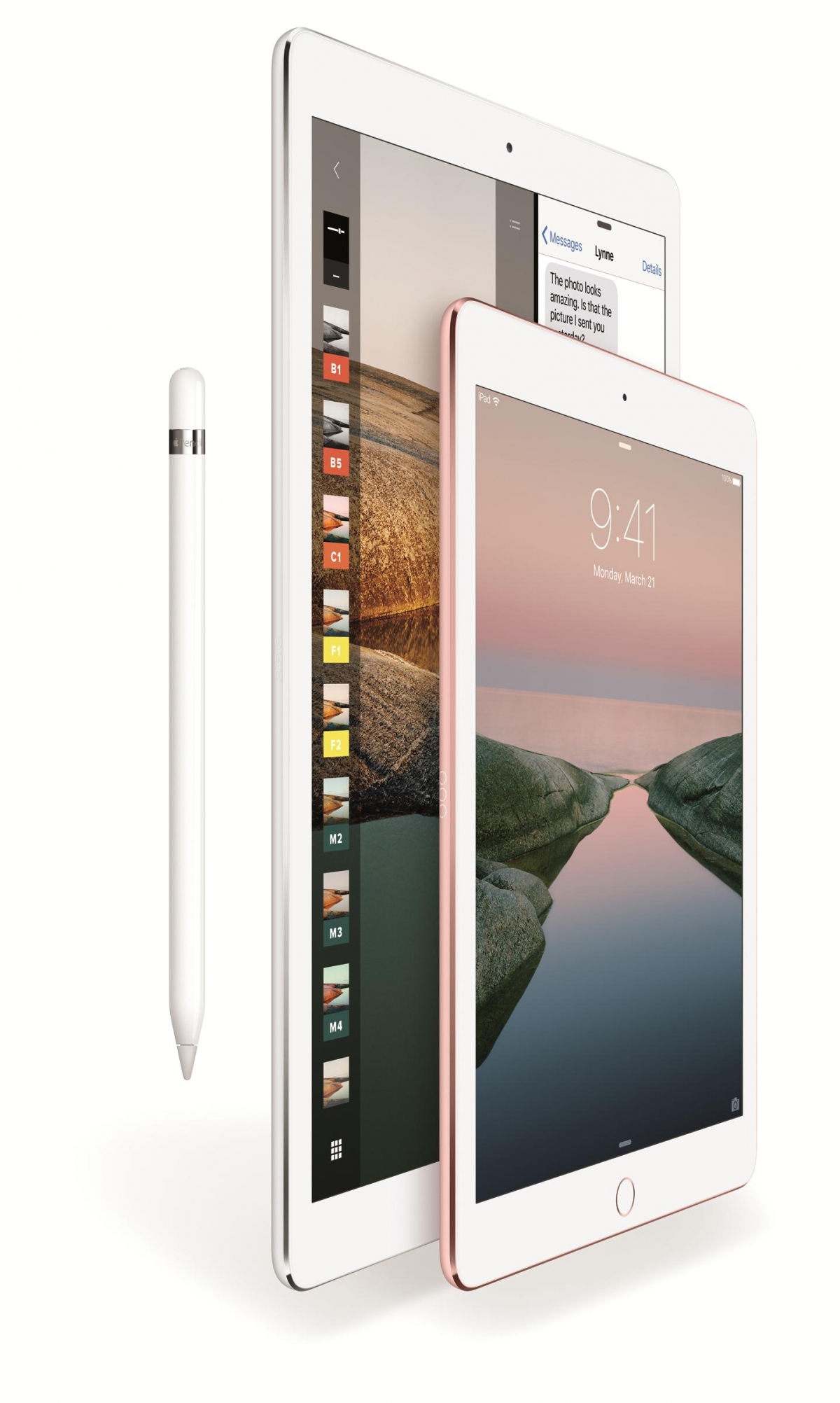
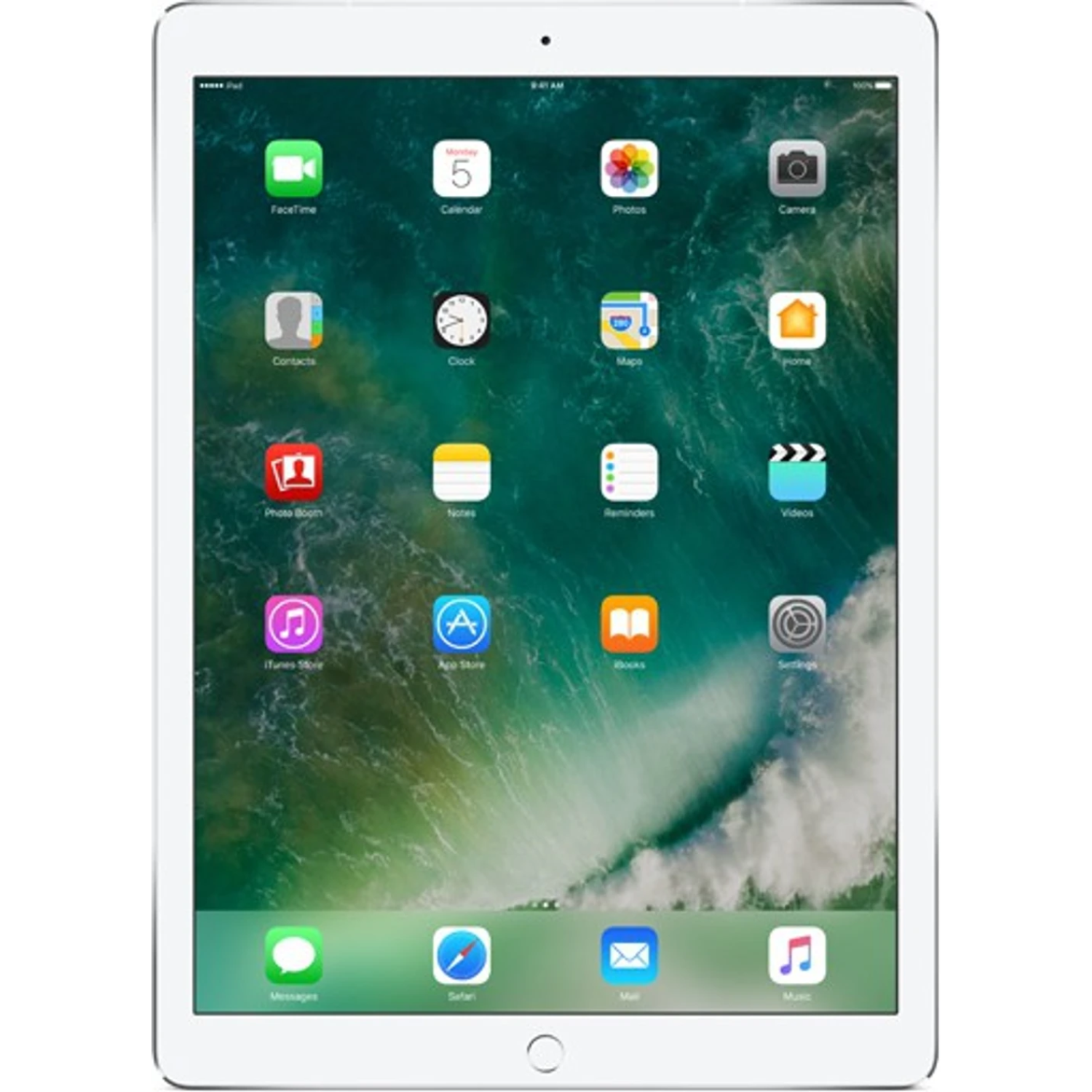
Apple officially announced the 2017 iPad Pro lineup during its Worldwide Developers Conference (WWDC) keynote on June 5, 2017. Pre-orders opened immediately on the announcement day, and the tablets officially hit retail shelves and began customer deliveries on June 13, 2017. This release introduced the new 10.5-inch form factor alongside the updated 12.9-inch 2nd-generation iPad Pro.
The Official Launch Timeline of the 2017 iPad Pro Lineup
Understanding the launch schedule of Apple's 2017 tablet refresh requires looking at the company's hardware release calendar during that period. Historically, Apple utilized spring events (March or April) or fall keynotes (September or October) to roll out updated iPad models. However, the mid-2017 announcement represented a deliberate shift to align flagship hardware releases with developer tools showcased at WWDC.
Key Dates for the 2017 iPad Pro Release
- Official Announcement: June 5, 2017 (WWDC Keynote in San Jose, California)
- Pre-Orders Opened: June 5, 2017 (via Apple's online storefront and Apple Store app)
- Official Store Availability & Delivery Date: June 13, 2017
- Global Retail Expansion: Mid-to-late June 2017 across authorized resellers and carriers worldwide
The June 5, 2017 announcement marked a major transition for Apple's professional tablet ecosystem. Prior to this event, the iPad Pro family consisted of the original 12.9-inch model (launched in November 2015) and a 9.7-inch model (launched in March 2016). By debuting both the new 10.5-inch version and the refreshed 12.9-inch version together, Apple unified its Pro tablet tier under a single performance standard and release cycle.
Deciphering the Naming Convention: "iPad Pro 2" Clarified
Search queries and secondary markets frequently refer to this generation as the "iPad Pro 2," but Apple's official branding requires clarification. The term "iPad Pro 2" typically refers to the second generation of the iPad Pro family overall, which debuted in June 2017. However, Apple named and marketed the individual devices based on screen dimensions and technical generations:
- iPad Pro 12.9-inch (2nd Generation): This was the direct successor to the original 2015 12.9-inch iPad Pro. It updated the internal hardware, display technology, and camera system to match current standards.
- iPad Pro 10.5-inch: This model served as the direct successor to the 2016 9.7-inch iPad Pro. While technically the first generation of the 10.5-inch physical design, it shares identical internal architecture, system memory, and display features with the 12.9-inch 2nd-generation model.
Because both tablets were released simultaneously with identical A10X Fusion processors, 4 GB of RAM, and 120Hz displays, tech analysts and consumers frequently group them together under the informal moniker "2017 iPad Pro 2."
Key Technological Innovations Introduced in June 2017
The 2017 iPad Pro launch introduced several foundational technologies that went on to define Apple's display and hardware standards for years afterward.
Debut of ProMotion Technology (120Hz Refresh Rate)
The defining feature of the 2017 iPad Pro release was ProMotion, Apple's trade name for its dynamic high-refresh-rate display technology. Prior to June 2017, consumer tablets operated at a fixed 60Hz refresh rate. ProMotion doubled the maximum refresh rate to 120Hz, providing ultra-smooth scrolling, higher responsiveness, and significantly reduced input latency when using the 1st-generation Apple Pencil.
ProMotion was not merely a static high-refresh system; it featured adaptive refresh rate scaling. The display controller dynamically adjusted the refresh rate depending on the content being displayed:
- 120Hz: Active during user interaction, fluid scrolling, rapid animation, and drawing tasks.
- 48Hz or 24Hz: Activated during static image display or standard video playback (e.g., matching 24fps cinematic footage) to preserve battery efficiency.
This hardware innovation brought Apple Pencil drawing latency down to an industry-leading 20 milliseconds, making the 2017 iPad Pro a major asset for digital artists, illustrators, and note-takers.
The A10X Fusion System-on-Chip (SoC)
Both 2017 iPad Pro models were powered by the Apple A10X Fusion chip, manufactured on TSMC's 10-nanometer FinFET process. The A10X represented a massive performance upgrade over the previous A9X processor found in the first-generation Pro models:
- CPU Configuration: 6-core setup featuring 3 high-performance cores and 3 high-efficiency cores.
- GPU Configuration: 12-core custom graphics processing unit.
- Performance Lift: Delivered up to 30% faster CPU performance and 40% faster graphics performance compared to the A9X chip.
Accompanied by 4 GB of LPDDR4 RAM across all storage configurations, the A10X Fusion chip established a performance baseline that handled intensive video rendering, multi-stream audio editing, and complex multitasking via iOS 10 and subsequent updates for many years.
Display Panel Enhancements
Beyond high refresh rates, the 2017 display panels featured significant color and illumination improvements:
- True Tone Display: Sensors measured ambient room lighting to automatically shift display white balance for comfortable reading.
- P3 Wide Color Gamut: Provided 25% wider color coverage than standard sRGB displays.
- 600 Nits Peak Brightness: Improved outdoor visibility compared to older iPad displays.
- Anti-Reflective Coating: Reduced screen glare down to an industry-low 1.8% reflectivity rating.
Redesigned 10.5-Inch Form Factor
To create the 10.5-inch iPad Pro, Apple reduced the side borders (bezels) of the classic 9.7-inch frame by nearly 40%. This engineering design allowed Apple to increase the display viewing area by 20% while retaining a physical footprint almost identical to its 9.7-inch predecessor. This change also allowed space for a full-sized virtual onscreen keyboard and compatibility with a newly sized Smart Keyboard accessory.
Technical Specifications and Original Launch Pricing
When ordering opened on June 5, 2017, Apple restructured its base storage tiers. The company eliminated the older 32GB baseline, starting both models at 64GB and offering higher-tier options at 256GB and 512GB.
| Feature / Specification | iPad Pro 10.5-inch (2017) | iPad Pro 12.9-inch (2nd Gen, 2017) |
|---|---|---|
| Announcement Date | June 5, 2017 | June 5, 2017 |
| Official Release Date | June 13, 2017 | June 13, 2017 |
| Display Resolution | 2224 x 1668 pixels (264 ppi) | 2732 x 2048 pixels (264 ppi) |
| Refresh Rate | Dynamic ProMotion (up to 120Hz) | Dynamic ProMotion (up to 120Hz) |
| Processor | Apple A10X Fusion (6-core) | Apple A10X Fusion (6-core) |
| System Memory (RAM) | 4 GB LPDDR4 | 4 GB LPDDR4 |
| Base Storage Tiers | 64GB / 256GB / 512GB | 64GB / 256GB / 512GB |
| Rear Camera | 12 MP (f/1.8), OIS, 4K video | 12 MP (f/1.8), OIS, 4K video |
| Front Camera | 7 MP FaceTime HD (1080p) | 7 MP FaceTime HD (1080p) |
| Biometrics | Touch ID (2nd Gen sensor) | Touch ID (2nd Gen sensor) |
| Battery Capacity | 30.4 Watt-hour (~8,134 mAh) | 41 Watt-hour (~10,875 mAh) |
| Pencil Compatibility | Apple Pencil (1st Generation) | Apple Pencil (1st Generation) |
| Launch Operating System | iOS 10.3.2 | iOS 10.3.2 |
| Final Supported OS | iPadOS 17.x | iPadOS 17.x |
| Original Launch Price (Wi-Fi) | $649 (64GB) / $749 (256GB) / $949 (512GB) | $799 (64GB) / $899 (256GB) / $1,099 (512GB) |
| Original Launch Price (Cellular) | $779 (64GB) / $879 (256GB) / $1,079 (512GB) | $929 (64GB) / $1,029 (256GB) / $1,229 (512GB) |
Software Lifecycle: From iOS 10.3.2 to Modern System Limits
The software support history of the 2017 iPad Pro generation demonstrates notable longevity, benefiting directly from Apple's inclusion of 4 GB RAM and the 6-core A10X Fusion processor.
System Updates Timeline
- Launch OS (June 2017): Both models shipped out of the box with iOS 10.3.2.
- iOS 11 Upgrade (September 2017): Shortly after release, these devices received iOS 11, which introduced major tablet-centric enhancements including the Files app, customizable Dock, drag-and-drop mechanics, and the new App Switcher.
- The Transition to iPadOS (2019): In September 2019, Apple separated its tablet software from iOS, launching iPadOS 13. The 2017 iPad Pro models smoothly transitioned to this dedicated platform, gaining desktop-class Safari browsing, external storage support, and multi-window multitasking.
- End of Major Feature Upgrades (2024): The 2017 iPad Pro models were officially supported through iPadOS 17. When Apple announced iPadOS 18 at WWDC 2024, the 10.5-inch iPad Pro and 12.9-inch 2nd-generation iPad Pro were omitted from the compatibility list, bringing their major operating system release cycles to a close after seven years of continuous feature software support.
While major feature updates ended with iPadOS 17, Apple continues to issue periodic security patches for devices running final releases of iPadOS 17, protecting legacy systems against high-priority security vulnerabilities.
Historical Context and Legacy in Apple's Hardware Evolution
The release of the 2017 iPad Pro marked a clear turning point in Apple's hardware strategy. It was the final flagship iPad Pro line to feature traditional hardware elements before the complete industrial redesign that arrived in late 2018.
The Bridge Between Classic and Modern Designs
The 2017 iPad Pro combined traditional structural design with modern internal features:
- Traditional Elements: Curved aluminum chassis back, physical Home Button integrated with 2nd-generation Touch ID sensor, 3.5mm headphone jack, and traditional 1st-Gen Apple Pencil charging via Lightning.
- Modern Elements: High-refresh 120Hz display technology, 10nm processor design, advanced camera sensor with Optical Image Stabilization (borrowed directly from the iPhone 7), and high-capacity storage tiers up to 512GB.
When Apple released the 3rd-generation iPad Pro in November 2018, it introduced flat edges, Face ID, USB-C, magnetic 2nd-gen Apple Pencil charging, and ultra-thin uniform bezels. Thus, the 2017 release stands as the peak evolution of the original "classic" iPad chassis design.
Hardware Maintenance and Modern Usability Considerations
Looking at the 2017 iPad Pro series from a contemporary perspective, several operational factors determine its current usability.
Apple Hardware Classification
Under Apple's hardware support policies:
- Vintage Status: Apple considers products vintage when they stopped being distributed for sale more than 5 years ago and less than 7 years ago.
- Obsolete Status: Products are classified as obsolete when Apple stopped distributing them for sale more than 7 years ago. Obsolete products no longer receive hardware service or official replacement parts from Apple service providers.
Because Apple discontinued the 10.5-inch iPad Pro and 12.9-inch 2nd Gen in late 2018 (following the launch of the 2018 redesigned models), these devices transitioned through vintage status and are now classified as vintage or obsolete depending on official regional sales end dates.
Common Hardware Concerns
For users maintaining or purchasing used 2017 iPad Pro units, three specific technical issues often arise:
- Display Spotting / White Spots: A documented issue on some 10.5-inch iPad Pro units involves a localized bright spot appearing on the LCD panel approximately two inches above the Lightning port. This is caused by uneven heat dissipation or pressure on the backlight reflector sheet inside the thin chassis.
- Battery Degradation: Original lithium-ion batteries from 2017 will have naturally degraded over time and charge cycles. Severe battery wear can restrict CPU boost performance or cause premature shutdowns under heavy workloads.
- 1st-Gen Apple Pencil Management: The original Apple Pencil requires plugging directly into the tablet's Lightning port to pair and charge—a mechanism that lacks the magnetic wireless charging convenience of modern iPad Pro models.
Frequently Asked Questions
When did the 2017 iPad Pro come out?
Apple announced the 2017 iPad Pro models (10.5-inch and 12.9-inch 2nd Gen) on June 5, 2017 during WWDC. Orders placed online shipped to buyers and reached retail stores on June 13, 2017.
What is the difference between the 10.5-inch iPad Pro and the 12.9-inch 2nd Generation iPad Pro?
Both models share identical internal hardware, including the A10X Fusion chip, 4 GB of RAM, ProMotion 120Hz displays, and camera setups. The primary differences lie in physical dimensions, screen resolution, overall weight, and battery capacity (30.4 Wh for the 10.5-inch vs. 41 Wh for the 12.9-inch).
Does the 2017 iPad Pro support iPadOS 18?
No. Apple dropped software update support for the 2017 iPad Pro lineup (both 10.5-inch and 12.9-inch 2nd Gen) with the release of iPadOS 18 in 2024. The final major operating system supported by these models is iPadOS 17.
Does the 2017 iPad Pro have a 120Hz display?
Yes. The 2017 iPad Pro lineup was the first product family in Apple's portfolio to introduce ProMotion technology, featuring dynamic refresh rates ranging up to 120Hz.
Which Apple Pencil works with the 2017 iPad Pro?
The 2017 iPad Pro models work exclusively with the 1st-Generation Apple Pencil (featuring the Lightning connector under the top cap). They are not compatible with the 2nd-Generation Apple Pencil or Apple Pencil Pro.
Final Summary and Guidance for Owners
The June 13, 2017 release of the iPad Pro lineup marked a major milestone in tablet hardware. By combining 120Hz ProMotion screen technology, 4 GB of system RAM, and the A10X Fusion chip, Apple created a platform that remained capable of handling modern workloads for years after its initial launch.
If you currently own a 2017 iPad Pro, it remains usable for everyday tasks such as web browsing, document editing, video streaming, and lighter drawing projects on iPadOS 17. However, if your secondary tasks require the newest iPadOS feature updates, heavy real-time 4K multi-stream video editing, or compatibility with modern hardware accessories like the 2nd-Gen Apple Pencil, upgrading to an M-series iPad Air or Pro is recommended.