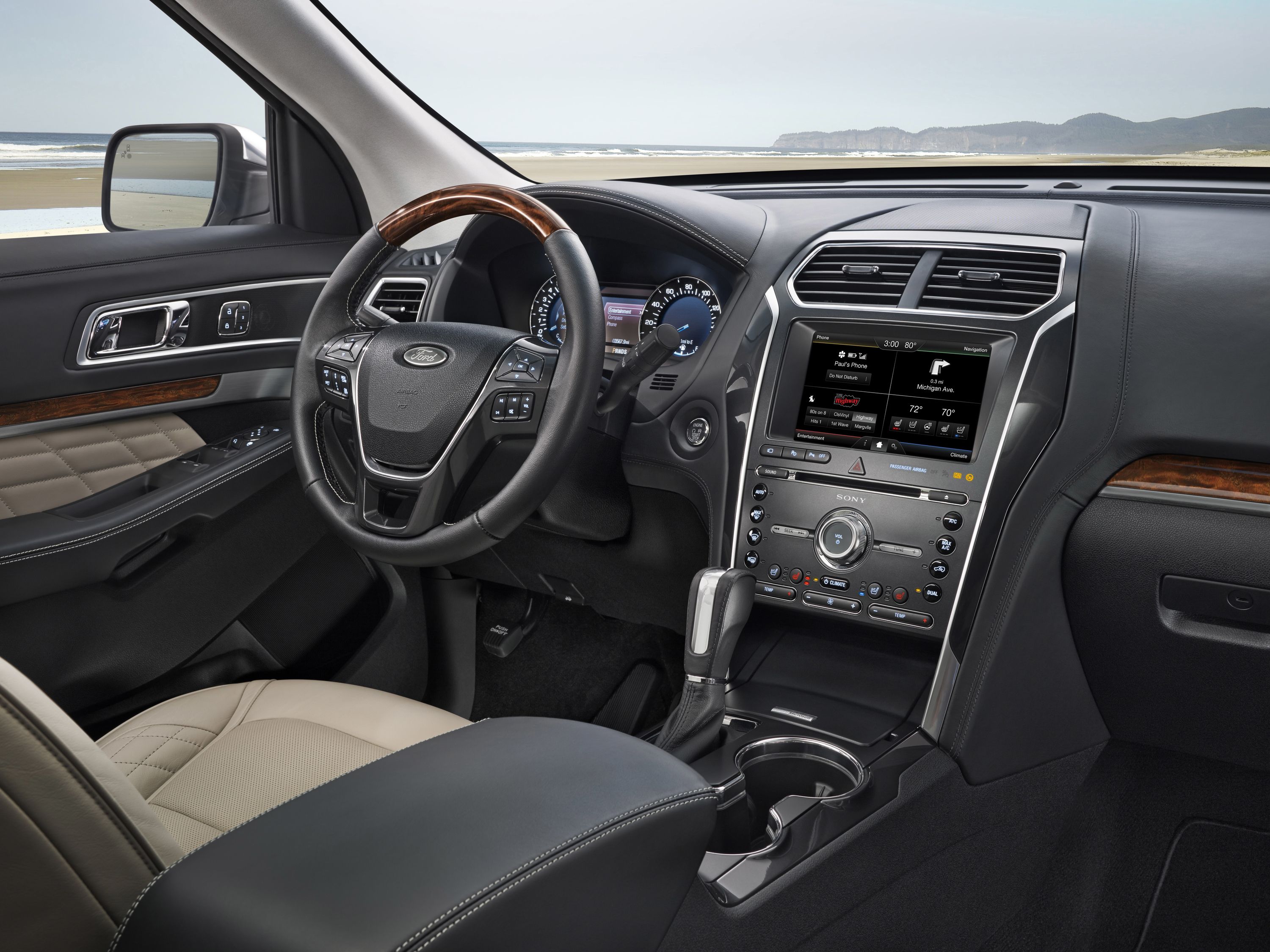
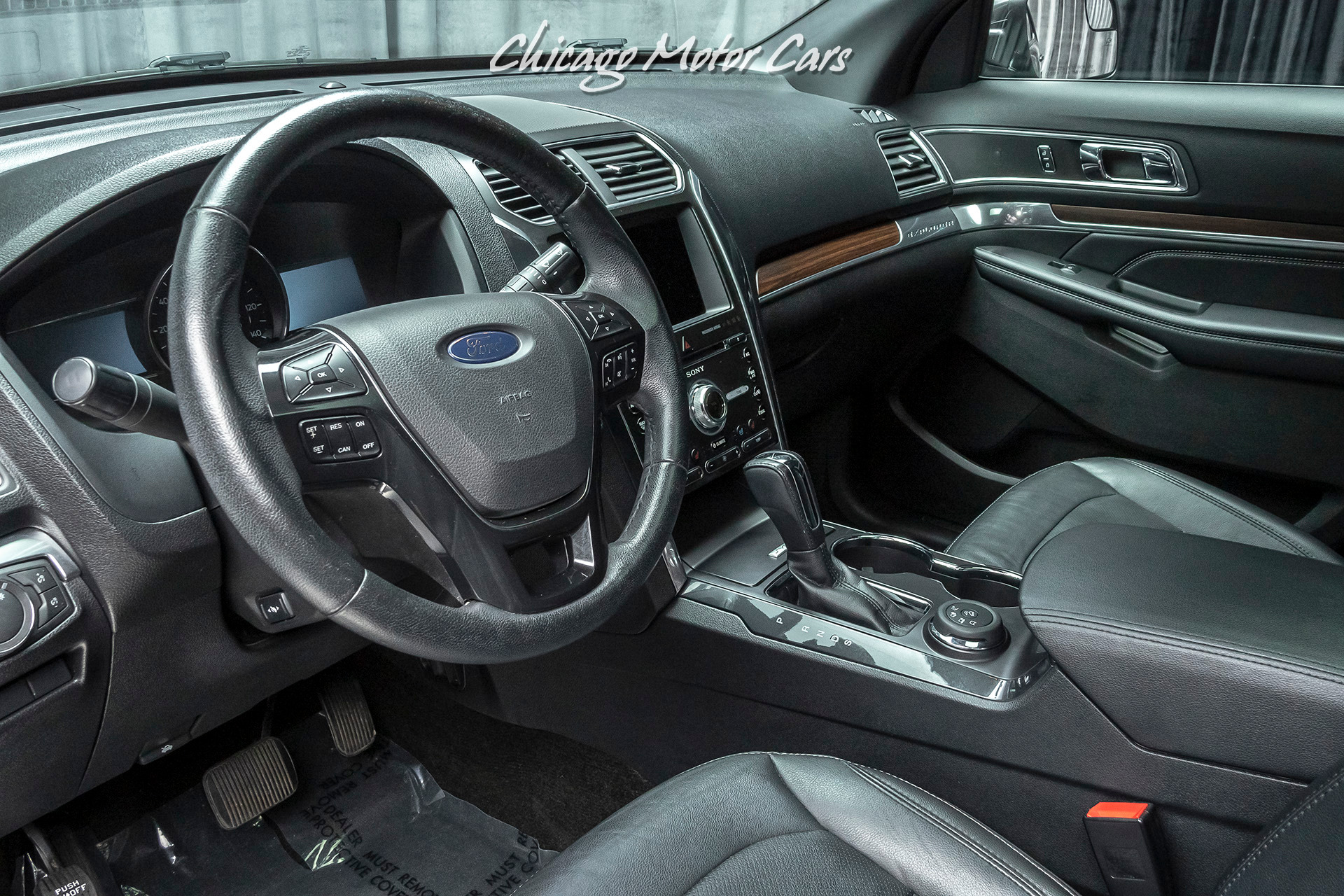
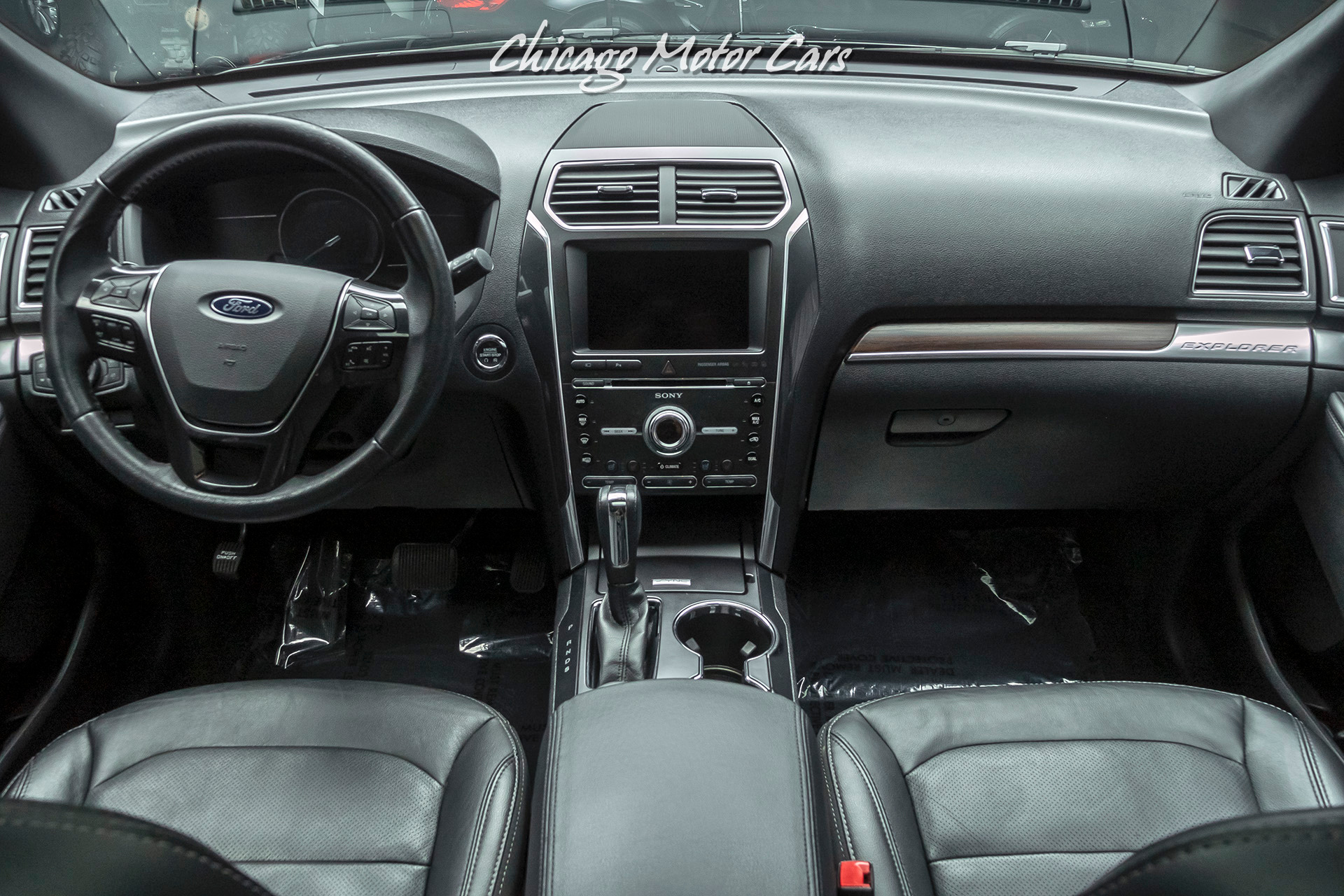
The 2017 Ford Explorer interior represents a key sweet spot in the SUV’s fifth generation (2011–2019). Highlighting this model year is the widespread introduction of Ford's SYNC 3 infotainment system—replacing the criticized MyFord Touch system—alongside standard Apple CarPlay and Android Auto capability, refined acoustic insulation, and versatile three-row seating configurations.
2017 Ford Explorer Interior Overview: Layout, Space, and Ergonomics
The interior design of the 2017 Ford Explorer balances utilitarian family transport with modern cabin technology. Built on a unibody platform shared with full-size sedans of its era, the Explorer delivers a car-like driving position elevated by high seat hip points, offering a commanding view of the road ahead.
- Front Row: 8-Way/10-Way Power Seats, Up to 42.9 in Legroom
- Second Row: 60/40 Bench (7-Seat) OR Captain's Chairs (6-Seat)
- Third Row: 50/50 Split-Bench (PowerFold Available on Upper Trims)
- Cargo Hold: 21.0 cu. ft. (All Seats Up) / 81.7 cu. ft. (Max)
Seating Capacity and Passenger Comfort
The standard configuration for the 2017 Ford Explorer provides seating for seven passengers across three rows using a 60/40 split-folding second-row bench and a 50/50 split-folding third-row bench. Buyer-selected options for the XLT, Limited, Sport, and Platinum trims included second-row bucket seats (captain’s chairs), which reduced total capacity to six passengers while adding a center console pass-through and improving second-row access.
- First Row: Front passengers benefit from generous space, with 41.4 inches of headroom and 42.9 inches of legroom. Multi-contour front seats featuring Active Motion massage functions were available on high-tier trims, helping reduce driver fatigue during extended highway trips.
- Second Row: Passengers in the second row receive 40.6 inches of headroom and 39.5 inches of legroom. The seats slide fore and aft to balance legroom between the second and third rows, and feature reclining seatbacks for added comfort.
- Third Row: The third row is best reserved for children or shorter adults on brief trips, offering 37.8 inches of headroom and 33.3 inches of legroom. While entry to the third row is facilitated by Ford's EZ Entry flip-and-fold second-row mechanisms, the high floor panel forces an knees-up seating posture for taller passengers.
Material Quality and Acoustic Refinement
Material selection varies significantly across the trim hierarchy. Base and XLT models feature durable cloth upholstery and hard plastics across the lower dashboard and door panels. Higher trims elevate cabin appointments with stitched synthetic leather dash toppers, soft-touch door armrests, and genuine wood or aluminum trim inserts.
Acoustic comfort was an area of emphasis during the 2016 mid-cycle refresh and carried directly into the 2017 model year. Acoustic glass on the windshield and front side windows, updated door seals, and engine bay sound insulation minimize tire drone, wind rustle, and engine noise at highway speeds.
Cargo Space and Storage Versatility
The 2017 Explorer offers competitive utility for its size class. The deep rear cargo well behind the third row keeps groceries from rolling around, while folding the rear seats flat creates a broad, level loading floor.
- Cargo Volume Behind Third Row: 21.0 cubic feet
- Cargo Volume Behind Second Row: 43.9 cubic feet
- Maximum Cargo Volume (All Rear Seats Folded): 81.7 cubic feet
Small-item storage throughout the cabin includes a moderate glovebox, a center console bin under the front armrest, door pocket bottle holders in all four doors, and cupholders integrated into every seating row.
Fifth-Generation Explorer Timeline (2011–2019): Where the 2017 Fits
Understanding the context of the 2017 model year requires looking at the progression of the fifth-generation (D4 platform) Ford Explorer, which marked a major shift from traditional body-on-frame truck roots to a modern unibody construction.
| Year | 5th Generation Timeline |
|---|---|
| 2011 | Debut of Unibody D4 Platform (MyFord Touch debut) |
| 2013 | Debut of Explorer Sport Trim (3.5L EcoBoost V6, tuned suspension) |
| 2016 | Major Mid-Cycle Refresh (New front fascia, center stack buttons, Platinum) |
| 2017 | SYNC 3 Integration (Apple CarPlay/Android Auto, XLT Sport Appearance Pkg) |
| 2018 | Minor Styling Facelift (Revised grille/bumpers, updated safety tech) |
| 2019 | Final D4 Model Year (Special editions before 2020 RWD redesign) |
2011–2015: Initial Launch and Early Iterations
The fifth-generation Explorer debuted for the 2011 model year, introducing unitized body structure, front-wheel-drive bias, terrain management systems, and the original MyFord Touch infotainment interface. The high-performance Sport trim joined the lineup in 2013, bringing twin-turbo V6 power and unique dark interior trim.
2016: The Major Mid-Cycle Refresh
For 2016, Ford gave the Explorer a substantial mid-cycle update. The exterior received a restyled front fascia, LED lighting, and a reshaped liftgate. Crucially for interior usability, Ford redesigned the central dashboard interface, swapping out capacitive touch controls for physical, tactile push-buttons for high-frequency climate and audio functions. The ultra-luxurious Platinum trim also debuted in 2016, introducing real wood inserts and Nirvana leather upholstery.
2017: The Connectivity Shift
The 2017 model year represents a crucial technology milestone for the fifth generation. While the overall cabin architecture remained consistent with the 2016 refresh, Ford replaced the slow-responding MyFord Touch hardware with the faster SYNC 3 platform. This change added capacitive touch responsiveness, intuitive gesture support, an updated user interface, and native support for Apple CarPlay and Android Auto. Ford also introduced an updated XLT Sport Appearance Package for 2017, introducing Dark Earth Gray seating surfaces with suede inserts.
2018–2019: Sunset of the D4 Platform
The 2018 and 2019 model years saw minor exterior tweaks—such as revised front grilles, updated tailpipe designs, and broader availability of advanced driver assist packages—before Ford transitioned the Explorer to its sixth-generation, rear-wheel-drive-based CD6 platform for the 2020 model year.
2017 Trim Level Interior Breakdown
The 2017 Ford Explorer was offered in five primary trim levels, each catering to different budget levels and equipment expectations.
| Trim | 2017 Trim Hierarchy Features |
|---|---|
| PLATINUM | Nirvana Leather, Sony Audio, Wood Accents |
| SPORT | Leather/Red Stitching, Sport Steering |
| LIMITED | Perforated Leather, PowerFold 3rd Row |
| XLT | Upgraded Cloth, SYNC 3 Avail., Sport Pkg |
| BASE | Essential Cloth, 4.2" Display, Manual HVAC |
Base Trim
The entry-level Explorer focuses on essential functionality:
- Seating: Cloth seating surfaces with an 8-way power driver seat and manual passenger seat.
- Technology: 4.2-inch central display screen operating basic SYNC software, single-zone manual climate control, and a 6-speaker AM/FM/CD audio system.
- Convenience: Power windows and locks, cruise control, tilt-and-telescoping steering column, and rear climate controls.
XLT Trim
The XLT adds popular convenience features and open options for technology upgrades:
- Seating: Upgraded cloth seating, a 10-way power driver seat, and a 6-way power front passenger seat.
- Technology: Leather-wrapped steering wheel, keyless entry with push-button start, dual 4.2-inch color displays in the instrument cluster, and optional SYNC 3 with an 8-inch touchscreen.
- Packages: The optional XLT Sport Appearance Package added Dark Earth Gray leather-trimmed seats with suede accent inserts, Umber contrast stitching, and unique door trim panel inserts.
Limited Trim
The Limited trim shifts the cabin into luxury territory:
- Seating: Perforated leather-trimmed seating, heated and ventilated front seats, heated second-row outboard seats, and a power-folding 50/50 third-row bench (PowerFold).
- Technology: SYNC 3 with standard navigation, a 12-speaker Sony audio system with HD Radio, dual-zone automatic climate control, a heated power-tilt/telescoping steering wheel, and ambient interior lighting.
- Convenience: Hands-free foot-activated power liftgate and 110-volt household-style AC power outlet.
Sport Trim
The Sport trim combines mechanical performance enhancements with a performance-themed cabin environment:
- Seating: Ebony Black leather seating with contrast red accent stitching and side bolster support.
- Design Details: Carbon-fiber-look dashboard and door accents, illuminated front scuff plates, and a sport-tuned steering wheel.
- Technology: Includes standard SYNC 3, 12-speaker Sony audio system, and performance instrument cluster gauges.
Platinum Trim
Positioned at the top of the lineup, the Platinum trim matches luxury-brand cabin appointments:
- Seating: Premium Nirvana leather upholstery with micro-perforations and quilted stitching on the seat bolsters, plus multi-contour front seats with Active Motion massage features.
- Design Details: Real ash wood inserts on the steering wheel and door panels, wrapped leather instrument panel top with accent stitching, and satin chrome accents throughout.
- Technology & Comfort: Standard dual-panel sunshade moonroof, a 500-watt 12-speaker Sony audio system with Live Acoustics technology, fully digital dashboard gauges, and automated parking assistance.
Infotainment and Cabin Technology: The SYNC 3 Upgrade
The primary highlight of the 2017 Ford Explorer interior is the transition to SYNC 3. Earlier model years (2011–2015) relied on MyFord Touch, an system often criticized for slow touch response, system freezes, and complex screen layouts.
| MYFORD TOUCH (2011-2015) | SYNC 3 (2017) |
|---|---|
| Resistive Touchscreen (Pressure) | Capacitive Touchscreen (Light Touch) |
| Four-Corner Quadrant Layout | Flat Bottom Navigation / Icon Bar |
| Slower Processor Response | High-Speed Hardware Performance |
| No Native Smartphone Mirroring | Apple CarPlay & Android Auto Support |
| Complex Menu Hierarchies | Pinch-to-Zoom & Swipe Support |
Key SYNC 3 Features
- Capacitive Touchscreen: The 8-inch screen responds to light touches, swipe gestures, and pinch-to-zoom controls similar to modern smartphones.
- Apple CarPlay & Android Auto: Drivers can plug in a compatible smartphone via USB to mirror navigation apps (such as Google Maps or Apple Maps), stream music, send text messages via voice commands, and access mobile contacts directly on the vehicle screen.
- Enhanced Voice Recognition: Accepts conversational voice requests for climate settings, radio stations, and destination searches.
- Over-the-Air Updates: SYNC 3 supports Wi-Fi connectivity, allowing the vehicle to download system software updates automatically when parked in range of a home network.
Active Driver Assistance and Safety Features
Depending on trim level and option packages (such as the Safe and Smart Package), the 2017 Explorer interior houses multiple active driver assistance controls:
- BLIS (Blind Spot Information System): Uses radar indicators in the side mirrors to alert drivers of vehicles in blind spots, integrated with Rear Cross-Traffic Alert.
- Adaptive Cruise Control and Forward Collision Warning: Maintains a set distance from trailing traffic and pre-charges the brakes if a potential collision is detected.
- Lane-Keeping System: Vibrates the steering wheel or applies steering torque to alert drivers if the vehicle drifts out of its lane.
- Active Park Assist: Uses ultrasonic sensors to assist drivers with parallel and perpendicular parking maneuvers, handling steering inputs while the driver controls pedals and gear selection.
Detailed Specifications and Trim Comparison Table
The following table provides verified interior specifications, standard equipment, and measurements across the 2017 Ford Explorer trim range.
| Specification / Feature | Base | XLT | Limited | Sport | Platinum |
|---|---|---|---|---|---|
| Seating Capacity | 7 | 6 or 7 | 6 or 7 | 6 or 7 | 6 or 7 |
| Front Headroom / Legroom | 41.4 in / 42.9 in | 41.4 in / 42.9 in | 41.4 in / 42.9 in | 41.4 in / 42.9 in | 41.4 in / 42.9 in |
| Second Row Headroom / Legroom | 40.6 in / 39.5 in | 40.6 in / 39.5 in | 40.6 in / 39.5 in | 40.6 in / 39.5 in | 40.6 in / 39.5 in |
| Third Row Headroom / Legroom | 37.8 in / 33.3 in | 37.8 in / 33.3 in | 37.8 in / 33.3 in | 37.8 in / 33.3 in | 37.8 in / 33.3 in |
| Standard Upholstery | Cloth | Cloth | Perforated Leather | Leather w/ Red Stitching | Nirvana Premium Leather |
| Infotainment System | SYNC (4.2" Screen) | SYNC 3 (Optional) | SYNC 3 (Standard) | SYNC 3 (Standard) | SYNC 3 (Standard) |
| Smartphone Compatibility | No | Yes (w/ SYNC 3) | Apple CarPlay / Android Auto | Apple CarPlay / Android Auto | Apple CarPlay / Android Auto |
| Audio System | 6 Speakers | 6 Speakers | 12-Speaker Sony | 12-Speaker Sony | 500W Sony Premium Audio |
| 3rd-Row Folding Mechanism | Manual 50/50 | Manual 50/50 | PowerFold 50/50 | PowerFold 50/50 | PowerFold 50/50 |
| Front Heated / Ventilated Seats | Not Available | Optional / No | Standard / Standard | Standard / Standard | Standard / Standard |
| Dual-Panel Moonroof | Not Available | Optional | Optional | Optional | Standard |
Practical Assessment: Pros, Cons, and Used Buyer Checklist
Evaluating a pre-owned 2017 Ford Explorer requires looking beyond showroom specs to consider long-term durability, interior wear patterns, and mechanical accessories within the cabin.
Pros
- Modern Infotainment Experience: Models equipped with SYNC 3 provide seamless smartphone integration with Apple CarPlay and Android Auto.
- Refined Front-Row Comfort: Wide, supportively padded front seats make long journeys comfortable, especially on trims with power adjustments and ventilation.
- Flexible Utility: The flat-folding rear seats and deep rear cargo well handle luggage, sports equipment, and bulk items with ease.
- Intuitive Dash Controls: Physical control buttons for major HVAC and audio adjustments resolve usability issues found on earlier fifth-generation models.
Cons
- Restricted Third-Row Legroom: While competitive for its generation, the third row forces an elevated knee position that may feel cramped for adults.
- Thick A-Pillars: The steep angle and thickness of the forward roof pillars create wide blind spots when turning at intersections.
- Wide Door Sills: The unibody sill width requires a longer step when entering or exiting the vehicle, which can lead to dirty pant legs during inclement weather.
| Pre-Owned Cabin Inspection Checklist |
|---|
| [ ] Test HVAC Blend Door Actuators (Check for ticking) |
| [ ] Verify PowerFold Third-Row Seat Mechanism Motion |
| [ ] Check Rear Air Conditioning and Heating Controls |
| [ ] Confirm SYNC 3 Touchscreen & USB Ports Function |
| [ ] Inspect Driver Seat Bolster Upholstery & Frame |
Common Wear Items and Troubleshooting Areas
- HVAC Blend Door Actuators: A common failure item across fifth-generation Explorers is the electronic heater blend door actuator. When it fails, drivers typically hear a rhythmic clicking noise coming from behind the dashboard or lower console when changing temperature settings.
- PowerFold Seat Motors: On Limited, Sport, and Platinum trims, test the motorized 50/50 third-row seats using the trunk-mounted switches. Listen for straining gear sounds or uneven folding alignments caused by jammed latch mechanisms.
- Rear Climate Control Blower Motors: Ensure rear AC controls (located on the back of the front center console and overhead vents) produce adequate airflow. Failed rear blower resistor modules can cause air to stall in the rear cabin.
- SYNC 3 Accessory Protocol Interface Module (APIM): While far more reliable than its predecessor, a failing APIM module can cause screen freezing, lost GPS alignment, or Bluetooth disconnects. Verify that the screen responds to inputs promptly and that USB ports successfully trigger Apple CarPlay or Android Auto.
- Driver Bolster Wear: Higher-mileage models with leather upholstery frequently show heavy creasing or cracking on the outer driver seat bolster due to the vehicle's step-in height.
FAQs
Does the 2017 Ford Explorer have Apple CarPlay and Android Auto?
Yes, but availability depends on the trim and installed infotainment system. Models equipped with the SYNC 3 system (standard on Limited, Sport, and Platinum trims; optional on XLT) support both Apple CarPlay and Android Auto when connecting a compatible smartphone via USB. Base models with the smaller 4.2-inch screen do not support these features.
How many seats does the 2017 Ford Explorer interior have?
The 2017 Ford Explorer seats seven passengers as standard using a 3-row layout with a 60/40 split second-row bench seat and a 50/50 split third-row bench. Models equipped with optional second-row bucket seats (captain's chairs) seat six passengers.
What is the difference between MyFord Touch and SYNC 3 in the Explorer?
SYNC 3 replaced the older MyFord Touch system for the 2017 model year. SYNC 3 uses high-speed hardware, a capacitive touchscreen with swipe/zoom gestures, a simplified visual interface, smartphone mirroring (Apple CarPlay/Android Auto), and over-the-air Wi-Fi software updates.
What is the cargo capacity of the 2017 Ford Explorer?
The 2017 Ford Explorer offers 21.0 cubic feet of storage behind the third row, 43.9 cubic feet with the third-row seats folded flat, and a maximum of 81.7 cubic feet of cargo volume with both the second and third rows folded down.
Are the third-row seats in the 2017 Ford Explorer suitable for adults?
The third-row seats offer 33.3 inches of legroom and 37.8 inches of headroom. While adequate for children and teens, the high floor elevation causes a knees-raised seating position that may prove uncomfortable for full-sized adults on longer trips.
Which 2017 Ford Explorer trim offers massage seats?
The top-tier Platinum trim includes multi-contour front seats featuring Active Motion massage functions as standard equipment. This feature was also available as an option on select high-spec Limited models.
Verdict: Is the 2017 Explorer Interior Right for You?
The 2017 Ford Explorer interior marks a high point in the model's fifth generation. By pairing the ergonomic dashboard improvements of the 2016 refresh with the fast, modern SYNC 3 infotainment system, the 2017 model resolves many usability pain points of earlier model years. For shoppers in the pre-owned midsize three-row SUV market, targeting an XLT with SYNC 3, a Limited, or a Sport trim provides a strong combination of family-friendly utility, contemporary smartphone integration, and long-haul cabin comfort.