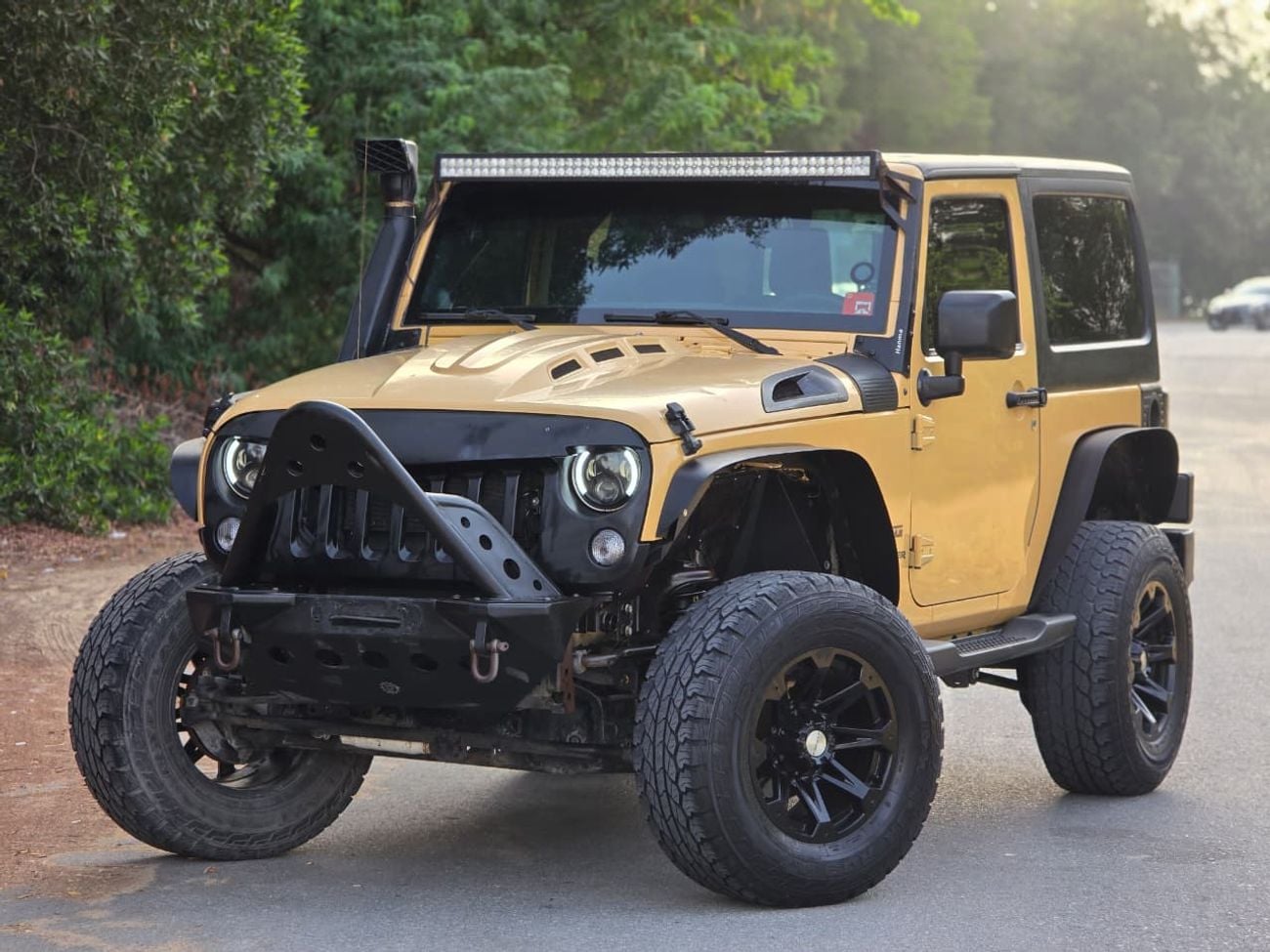
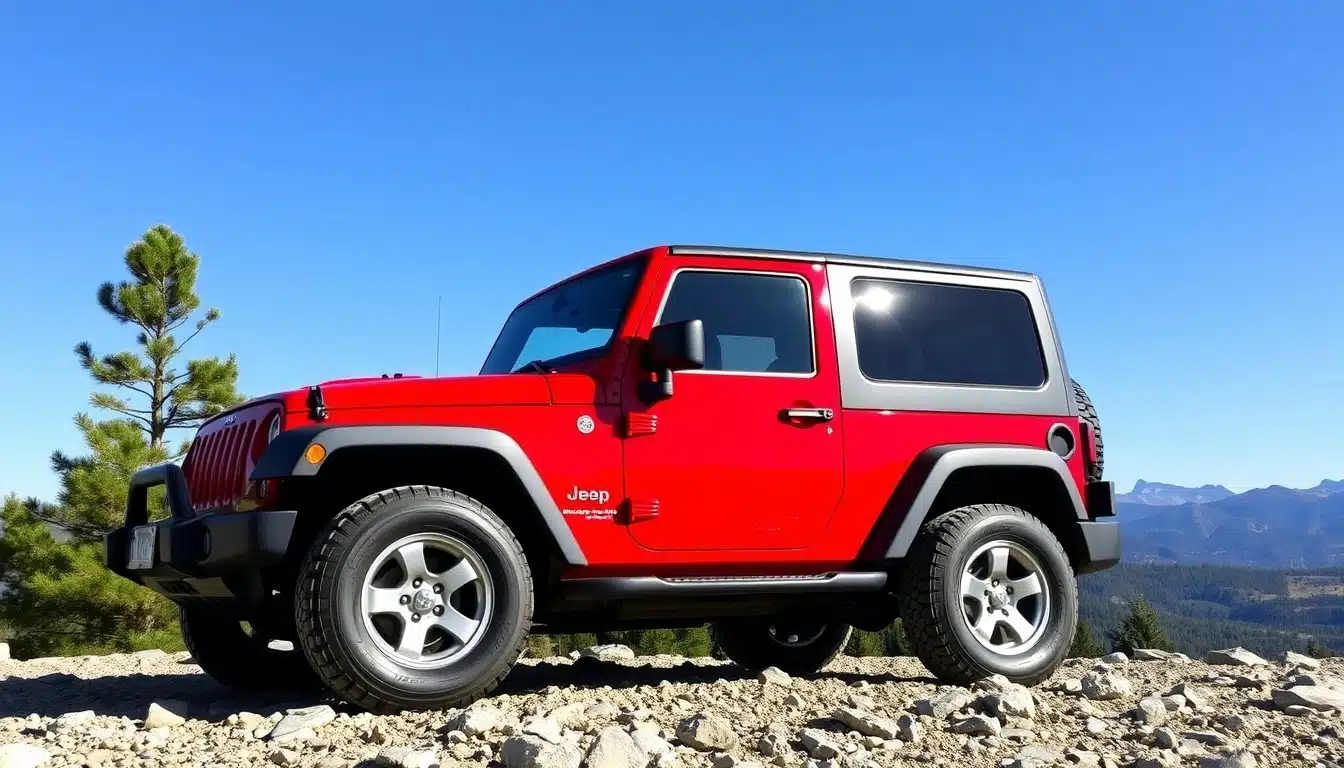
The 2014 Jeep Wrangler Sport occupies a pivotal place in the modern history of the JK generation, serving as the entry-level trim that balances bare-bones off-road capability with mid-cycle interior and safety refinements. Introduced as part of Chrysler’s continuous rollout of the third-generation Wrangler, the 2014 model year benefited from important mechanical updates established in preceding years while introducing minor equipment shifts that enhanced daily drivability without compromising its rugged identity.
Introduction to the 2014 Jeep Wrangler Sport
The Jeep Wrangler Sport is the foundational trim of the JK generation (running from 2007 through 2018), designed for enthusiasts and everyday drivers seeking an authentic, body-on-frame, solid-axle four-wheel-drive experience. By 2014, the JK platform had fully moved past its initial launch criticisms regarding interior quality and engine performance, largely thanks to the 2012 powertrain overhaul.
The primary intent behind analyzing the 2014 Wrangler Sport through a design and performance timeline is to understand how this specific model year fits into the broader evolution of the JK generation. It represents a mature iteration of the modern classic Jeep—retaining the iconic removable doors and fold-down windshield while incorporating the pentastar V6 engine and improved automatic transmissions. Resolving any potential ambiguity, this review focuses exclusively on the standard Sport trim of the 2014 model year (available in both two-door and four-door Unlimited configurations), rather than the more heavily optioned Sahara or hardcore Rubicon variants.
The JK Generation Foundation and Pre-2014 Evolution
To understand the 2014 Wrangler Sport, one must look at the evolutionary steps that preceded it. The JK generation launched in 2007 with a completely redesigned chassis, a wider track, and a controversial 3.8-liter V6 engine derived from Chrysler minivans. While capable off-road, early JK models faced persistent criticism for underpowered acceleration and utilitarian, hard-plastic interiors.
The turning point for the platform occurred in several key phases:
- 2007: Launch of the JK generation, replacing the TJ. Introduction of the four-door Wrangler Unlimited (JKU), significantly expanding the vehicle's market appeal and utility.
- 2011: A major interior overhaul that redesigned the dashboard, introduced steering wheel controls, upgraded materials, and improved outward visibility and sound insulation.
- 2012: The introduction of the 3.6-liter Pentastar V6 engine paired with a new W5A580 5-speed automatic transmission (or the existing NSG370 6-speed manual). This update solved the vehicle's historical power deficit, boosting output from 202 horsepower to 285 horsepower.
- 2013: Minor tweaks including standard premium cloth seats on higher trims, footwell lighting, and new paint color options, setting the stage for the 2014 model year refinements.
2014 Wrangler Sport: Design and Exterior Evolution
The exterior design of the 2014 Wrangler Sport maintains the unmistakable silhouette established by generations of Willys-derived utility vehicles. Key stylistic elements include the seven-slot grille, round headlamps, exposed exterior door hinges, and flared fenders. However, the Sport trim wears a distinct, no-nonsense aesthetic compared to its stablemates.
Unlike the Sahara, which featured body-colored fender flares and top options, the 2014 Wrangler Sport came equipped with rugged, textured black molded-in-color plastic flares, front and rear bumpers, and door handles. This utilitarian design choice not only kept the base purchase price accessible but also provided functional resistance against trail brush and minor impacts.
Wheel and Tire Equipment
The standard Sport trim rolled out of the factory on 16-inch styled steel wheels wrapped in Goodyear Wrangler Goodyear SR-A tires (typically sized P225/75R16). For buyers looking for a more aggressive stance without stepping up to the Rubicon, Jeep offered the optional Appearance Package or connectivity groups, which could include 17-inch aluminum wheels or off-road oriented all-terrain tires.
Roof Configurations
Buyers of the 2014 Wrangler Sport could choose between:
- Sunrider Soft Top: A multi-layer fabric top featuring a folding sunroof feature for front-row occupants.
- Freedom Top Modular Hardtop: A three-piece hardtop available in black or body color (though body color was rare on base Sport models), allowing individual removal of the front driver and passenger roof panels.
Powertrain and Mechanical Performance
Under the hood, the 2014 Wrangler Sport relies on the tried-and-true 3.6-liter Pentastar V6 engine. Producing 285 horsepower at 6,400 RPM and 260 lb-ft of torque at 4,800 RPM, this aluminum-block engine provides responsive acceleration both on the highway and crawling over obstacles.
| Component | Specification |
|---|---|
| Engine | 3.6L Pentastar V6 (24-Valve VVT) |
| Horsepower | 285 hp @ 6,400 RPM |
| Torque | 260 lb-ft @ 4,800 RPM |
| Transmission | 6-Speed Manual / Optional 5-Speed Automatic |
| Transfer Case | Command-Trac NV241 Part-Time 4WD (2.72:1 ratio) |
| Front Axle | Dana 30 Solid Front Axle |
| Rear Axle | Dana 44 Solid Rear Axle |
Drivetrain and Axle Configuration
The 2014 Wrangler Sport utilizes the Command-Trac part-time four-wheel-drive system, featuring a 2.72:1 low-range transfer case ratio for crawling. Power is sent to a Dana 30 solid front axle and a heavy-duty Dana 44 solid rear axle. While the Rubicon trim received stronger Dana 44 front axles and electronic lockers, the Sport's axle configuration is more than capable of handling moderate off-road trails, forest service roads, and beach driving. The standard axle gear ratio for the manual transmission Sport was 3.21, though many buyers and dealers opted for the 3.73 ratio—a highly recommended upgrade for anyone planning to install larger aftermarket tires.
Interior Design, Comfort, and Technology
Inside, the 2014 Wrangler Sport reflects the post-2011 interior philosophy: durable, functional, and surprisingly comfortable. While upper trims received automatic climate control, leather upholstery, and premium Alpine audio systems, the Sport was built with simplicity in mind.
- Seating: Standard manually adjustable cloth bucket seats designed to withstand moisture and heavy wear.
- Flooring: Standard carpeting was included, though many owners swapped this out for factory or aftermarket slush mats or spray-in bedliner to ease cleanup after muddy excursions.
- Infotainment: The base radio was a simple AM/FM/CD unit with an auxiliary input jack. However, many 2014 models were ordered with the optional Connectivity Group, which added Bluetooth hands-free calling, voice command, a leather-wrapped steering wheel, and a tire pressure monitoring display.
- Power Amenities: Power windows and door locks were not standard on the base two-door Sport; buyers had to opt for the Power Convenience Group to secure these features, highlighting the Wrangler's roots as a truly stripped-down vehicle.
Safety and Structural Integrity
Safety equipment in the 2014 Wrangler Sport includes multi-stage front airbags, electronic stability control (ESC), electronic roll mitigation, trailer sway control, and hill start assist. Antilock disc brakes (ABS) on all four wheels became standard equipment across the JK lineup, offering vastly improved stopping power compared to earlier drum-brake setups.
Because of its body-on-frame construction and high center of gravity, crash test ratings for the Wrangler required careful interpretation. While frontal impact scores were acceptable, side-impact protection relied heavily on the optional side-seat airbags (if equipped) and the robust sports bar structure integrated into the tub.
Practical Comparisons: Sport vs. Sahara vs. Rubicon
For prospective buyers evaluating a used 2014 model, understanding the differences between the Sport, Sahara, and Rubicon trims is essential for matching the vehicle to their intended use case.
- 2014 Wrangler Sport: The budget-friendly, highly customizable blank canvas. It features standard part-time 4WD, Dana 30 front/Dana 44 rear axles, and manual amenities (unless optioned otherwise). Ideal for daily drivers who plan to build their own custom suspension and wheel packages.
- 2014 Wrangler Sahara: The comfort-oriented trim. It adds painted exterior accents, 18-inch wheels, automatic headlights, upgraded cloth or optional leather seats, and premium audio. Mechanically, it shares the same drivetrain capabilities as the Sport.
- 2014 Wrangler Rubicon: The ultimate off-road ready trim straight from the factory. It features electronic front and rear locking differentials, an electronic front sway-bar disconnect, heavy-duty Dana 44 front and rear axles, a 4:1 rock-trac transfer case, and 32-inch mud-terrain tires on 17-inch wheels.
Common Maintenance and Ownership Considerations
Operating a 2014 Wrangler Sport requires awareness of specific mechanical quirks associated with the early Pentastar V6 era and the JK platform.
Common Issues
- Oil Cooler / Filter Housing Leaks: The composite oil cooler housing located in the valley of the Pentastar V6 is known to warp and leak coolant or oil. Upgraded aftermarket aluminum replacements are widely available and serve as a permanent fix.
- TIPM (Totally Integrated Power Module): While less problematic in 2014 than in early JK years, electrical anomalies can occasionally trace back to fuel pump relay issues within the TIPM.
- Death Wobble: Due to the solid front axle design and track bar bushings, worn suspension components can induce severe front-end oscillation after hitting bumps at highway speeds. Inspecting ball joints, steering dampeners, and track bar bushings is crucial during routine maintenance.
Fuel Economy
Fuel efficiency is not the Wrangler Sport's strong suit. Driven conservatively, the 3.6L V6 paired with the 5-speed automatic or 6-speed manual typically returns around 16–17 MPG in city driving and 21 MPG on the highway for the two-door model. The four-door Unlimited variant sees slightly lower figures due to increased weight and aerodynamics.
Frequently Asked Questions
What engine comes in the 2014 Jeep Wrangler Sport?
The 2014 Jeep Wrangler Sport is powered by a 3.6-liter Pentastar V6 engine producing 285 horsepower and 260 lb-ft of torque. This engine replaced the older 3.8L V6 in 2012, providing significantly improved acceleration, passing power, and overall refinement.
Is the 2014 Wrangler Sport reliable?
Yes, the 2014 model year is generally considered one of the more reliable years for the JK generation because Chrysler had resolved early teething issues with the Pentastar engine and interior electronics. Routine maintenance items like oil cooler housing leaks and suspension wear should be inspected, but the core drivetrain is robust and long-lasting.
What is the towing capacity of a 2014 Wrangler Sport?
The maximum towing capacity for a properly equipped 2014 Wrangler Sport is 2,000 pounds for the two-door model and up to 3,500 pounds for the four-door Wrangler Unlimited when equipped with the correct axle gear ratio and trailer towing package.
Does the 2014 Wrangler Sport have power windows and locks?
Power windows and door locks were not standard equipment on the base two-door 2014 Wrangler Sport. They were available as part of the optional Power Convenience Group package, so buyers must verify individual vehicle specifications when purchasing used.
What axle gear ratio comes standard on the 2014 Wrangler Sport?
The standard axle gear ratio for the manual transmission 2014 Wrangler Sport is 3.21. Many models ordered with the automatic transmission or specific option packages feature the more desirable 3.73 gear ratio, which provides better acceleration and off-road capability, especially when running larger tires.
Conclusion and Buying Recommendation
The 2014 Jeep Wrangler Sport stands as a well-balanced entry point into the world of traditional, body-on-frame four-wheeling. By combining the powerful Pentastar V6 with the refined interior upgrades of the mid-JK era, it delivers modern highway capability without sacrificing its legendary off-road pedigree. For buyers seeking a used platform, the Sport trim serves as an ideal blank canvas for custom modifications, provided you verify whether the vehicle has been equipped with desirable options like the Connectivity or Power Convenience groups. Prioritize models with documented maintenance histories, check for common oil cooler leaks, and inspect front suspension components to ensure a solid foundation for your next adventure.