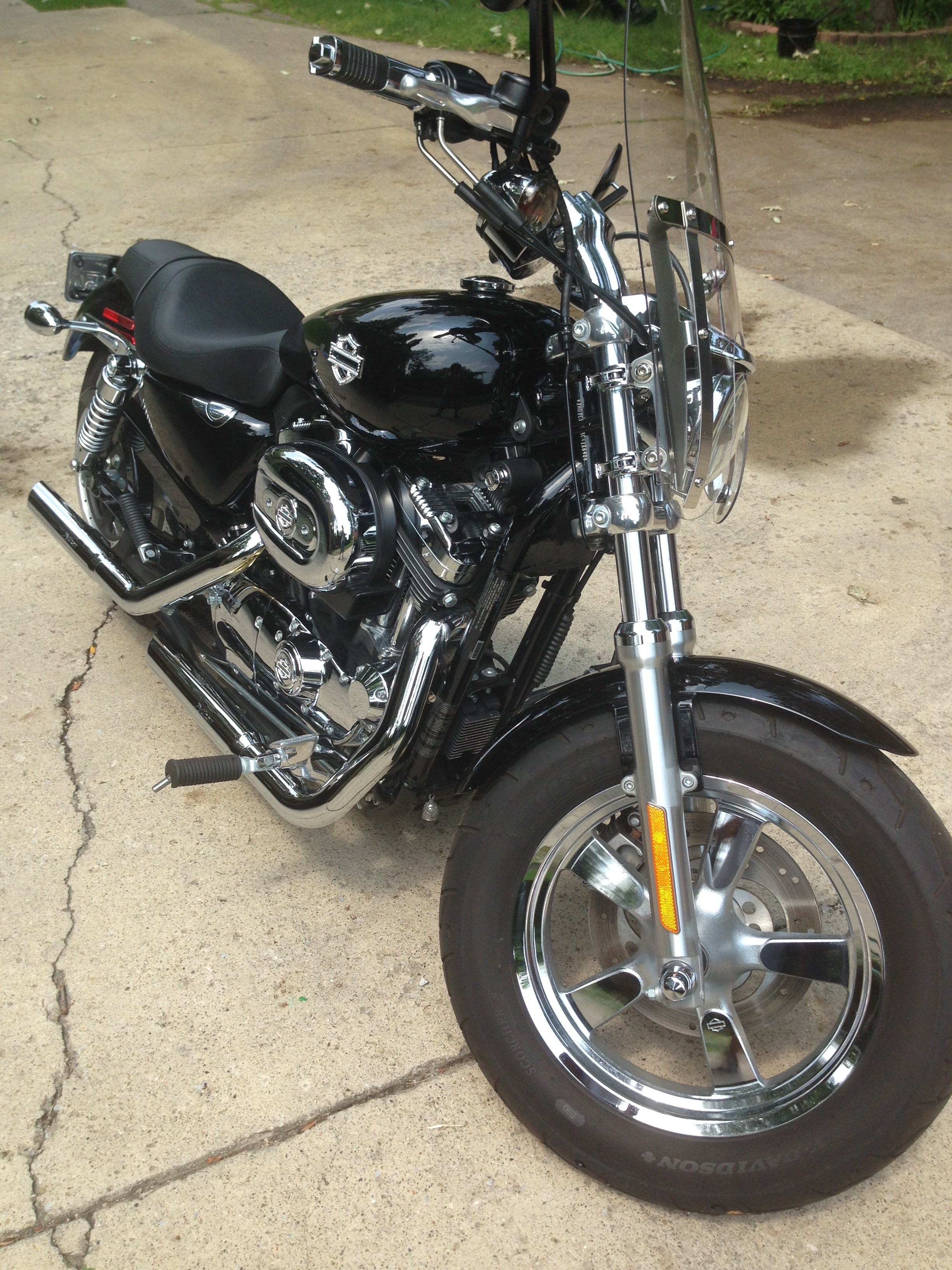
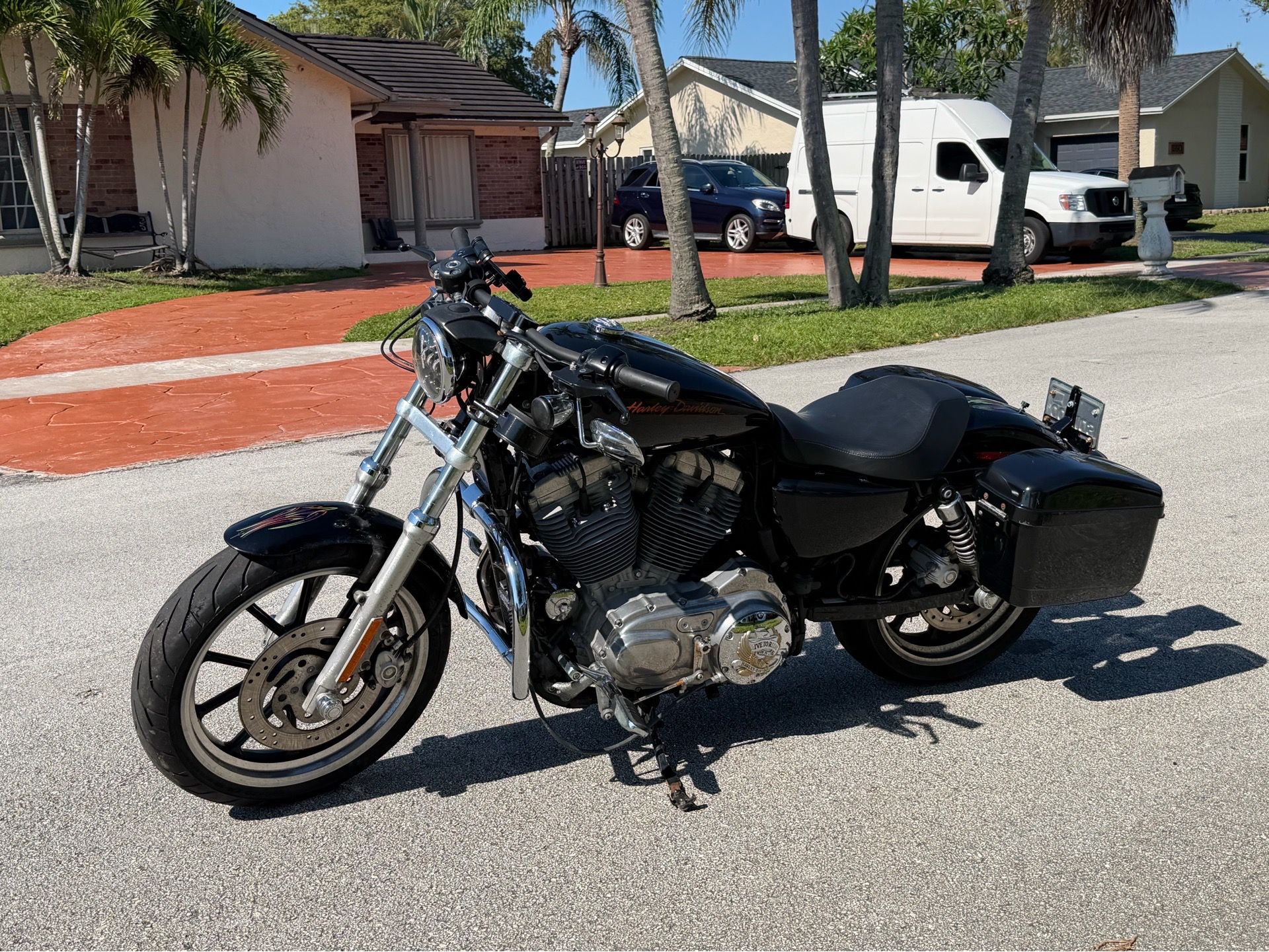
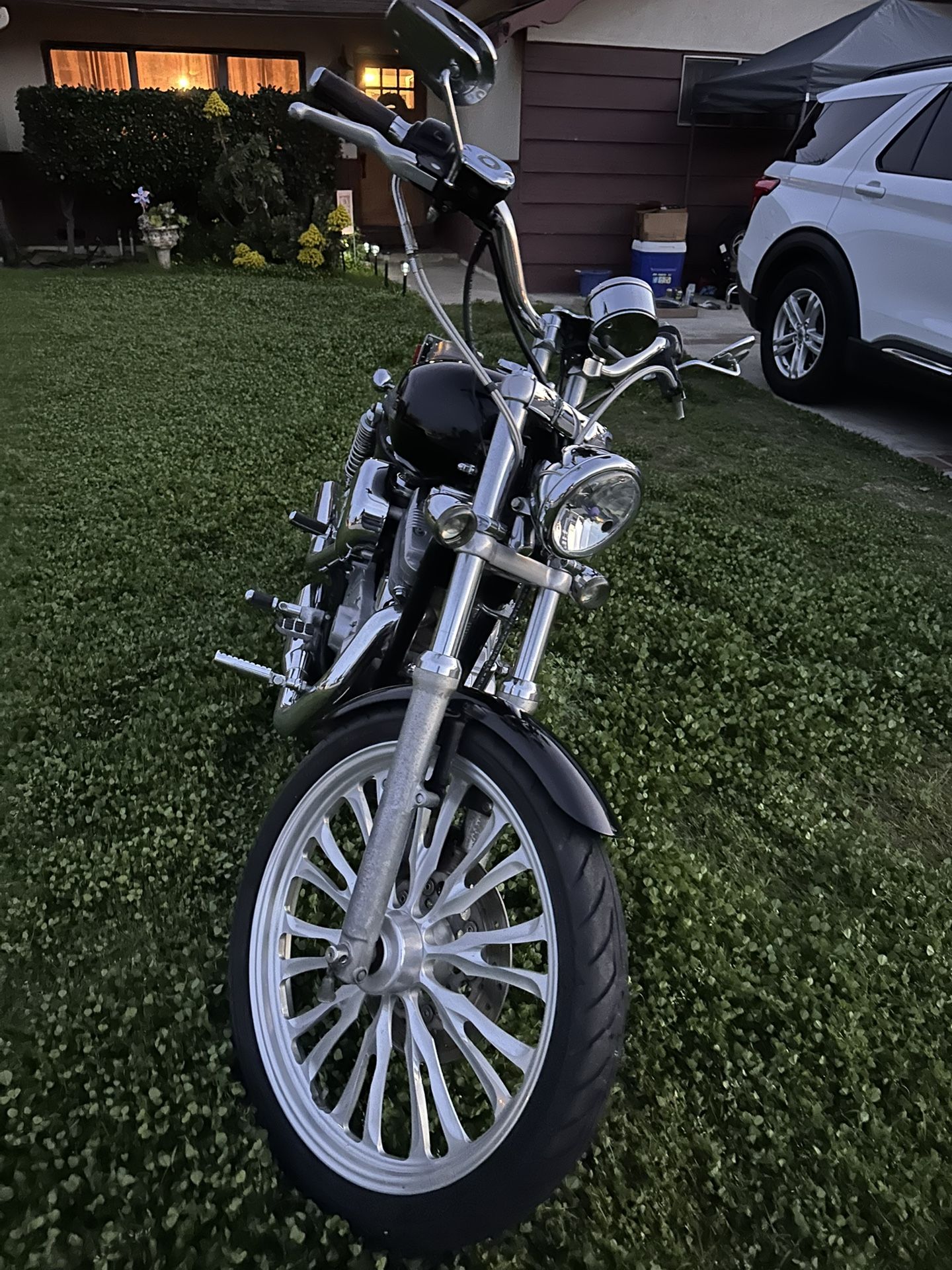
The 2011 Harley-Davidson Sportster 1200 Custom is a pivotal mid-sized cruiser that redefined the Sportster lineup with its "bulldog" stance, featuring a signature wide 16-inch front tire and chrome-heavy aesthetics. In 2026, it remains a premier choice for used-market buyers seeking a balance of classic air-cooled V-twin character, modern fuel injection reliability, and a low center of gravity that suits a wide range of rider experience levels.
The 2011 Paradigm Shift: From Skinny to Stout
For decades, the "Custom" designation within the Harley-Davidson Sportster family implied a specific silhouette: a 21-inch laced front wheel, a thin tire, and a sleek, chopper-inspired profile. The 2011 model year marked a radical departure from this tradition. Harley-Davidson engineers decided to move the XL1200C (the internal designation for the 1200 Custom) toward a more muscular, substantial aesthetic.
This redesign wasn't just about looks; it was a response to rider feedback demanding more stability and a more comfortable "big bike" feel from the Sportster platform. By swapping the 21-inch front wheel for a 16-inch wheel wrapped in a 130mm tire, Harley-Davidson fundamentally altered the motorcycle's geometry and road presence. This transformation earned the 2011 model the nickname "The Bulldog," emphasizing its wide-shouldered, aggressive, yet compact appearance.
The Heart of the Machine: The 1200 Evolution Engine
At the center of the 2011 Sportster Custom is the 1200cc Evolution engine. By 2011, this powerplant had reached a peak of refinement. It is a 45-degree V-twin, air-cooled, and finished in black powder coat with chrome covers. Unlike the pre-2004 Sportsters, the 2011 engine is rubber-mounted to the frame, which significantly reduces the "teeth-rattling" vibration for which older Harleys were known, particularly at highway speeds.
Performance and Power Delivery
The 1200 Evolution engine produces approximately 79 lb-ft of torque at 4,000 RPM. In the world of cruisers, torque is the metric that matters most. This engine provides a "thump" that allows for effortless acceleration from stoplights and plenty of roll-on power for overtaking without needing to downshift constantly.
The Electronic Sequential Port Fuel Injection (ESPFI) ensures that the bike starts reliably in various weather conditions and provides a crisp throttle response. While it lacks the high-end horsepower of modern liquid-cooled rivals, the 2011 Sportster Custom offers a visceral, mechanical connection to the road that many riders in 2026 still find more appealing than the sanitized feel of newer electric or highly computerized motorcycles.
Handling Dynamics and the 16-Inch Front Tire
The most significant technical change in the 2011 model is the front-end geometry. The wide 16-inch front tire (130/90B16) is matched with a similar 16-inch rear tire (150/80B16). This creates a symmetrical look and a very specific handling profile.
Stability vs. Agility
On the highway, the 2011 Sportster Custom is notably more stable than its predecessors. The wider contact patch of the front tire makes the bike less susceptible to "hunting" or following grooves in the pavement (rain grooves). It feels planted and inspires confidence in crosswinds.
However, there is a trade-off in agility. The "skinny" 21-inch wheel of previous years allowed for quicker turn-in and a lighter feel at the handlebars. The 2011 model requires a bit more physical input at the bars to initiate a lean. Once in a turn, however, the bike feels remarkably stable. For riders who spend most of their time on boulevards or highways rather than tight mountain switchbacks, this trade-off is generally viewed as a major improvement.
Ergonomics and Rider Comfort
Harley-Davidson designed the 2011 Custom with a "rider-centric" approach. The ergonomics were overhauled to match the new front end, moving away from the stretched-out "clamshell" position common on many cruisers.
- Handlebars: The 2011 model features a pull-back handlebar mounted on a curved riser. This brings the controls closer to the rider, allowing for a more upright back position and reducing strain on the shoulders.
- Seat Height: With a laden seat height of approximately 26.6 inches, this bike is exceptionally accessible. Shorter riders can easily get both feet flat on the ground, which is a significant safety and confidence factor when navigating parking lots or stopping on uneven surfaces.
- Forward Controls: The 1200 Custom comes standard with forward-mounted footpegs and controls. This allows for a "legs out" cruising position. While comfortable for long hauls, some shorter riders may find the reach a bit long; however, the aftermarket support for Sportsters is so vast that mid-controls are a common and easy modification.
2011 Sportster 1200 Custom Technical Specifications
The following table outlines the core technical data for the 2011 XL1200C. These specifications are essential for understanding the bike's capabilities and for sourcing parts in 2026.
| Feature | Specification |
|---|---|
| Engine Type | Air-cooled, Evolution® V-Twin |
| Displacement | 1202 cc (73.3 cu in) |
| Bore x Stroke | 88.9 mm x 96.8 mm |
| Compression Ratio | 9.7:1 |
| Fuel System | Electronic Sequential Port Fuel Injection (ESPFI) |
| Torque | 79 lb-ft @ 4,000 RPM |
| Transmission | 5-speed manual |
| Final Drive | Belt |
| Front Tire | 130/90B16 67H |
| Rear Tire | 150/80B16 77H |
| Fuel Capacity | 4.5 US gallons (17.0 Liters) |
| Weight (In Running Order) | 589 lbs (267 kg) |
| Front Suspension | 39mm Showa forks |
| Rear Suspension | Preload adjustable dual coil-over shocks |
Maintenance and Long-Term Reliability in 2026
As of 2026, a 2011 Sportster Custom is 15 years old. While the Evolution engine is famously "bulletproof," certain age-related maintenance tasks are non-negotiable for ensuring safety and performance.
The Evolution Engine Longevity
It is not uncommon to see Evolution 1200 engines surpass 100,000 miles with regular oil changes. The key to this longevity is the simplicity of the design. Being air-cooled, there is no radiator, water pump, or coolant to maintain. However, this means the bike relies entirely on airflow and oil for cooling. Using high-quality synthetic 20W-50 oil is highly recommended, especially in warmer climates.
Common Issues to Inspect
When reviewing a 2011 model today, pay close attention to the following:
- Rocker Box Gaskets: These are known to develop slow "weeps" or leaks over time. It is a relatively inexpensive fix but necessary to keep the engine clean and lubricated.
- Drive Belt: The carbon fiber reinforced belt drive is low-maintenance, but after 15 years, it should be inspected for cracks or "stone pecks."
- Fuel System: If the bike has sat for long periods, the fuel pump and injectors may need cleaning. The fuel tank should be inspected internally for any signs of rust.
- Tires: Even if the tread looks good, tires older than 6-7 years should be replaced due to rubber hardening and "dry rot," which compromises grip.
The H-D1 Customization Legacy
The 2011 1200 Custom was the launch vehicle for the "H-D1" factory customization program. This allowed buyers to choose wheels, seats, handlebars, and paint schemes from the factory. Because of this, you may find used 2011 models in 2026 that look significantly different from one another. Some may have mid-controls and "drag bars," while others have the standard forward controls and pull-backs. This makes the 2011 model particularly interesting on the used market, as many bikes were essentially "one-of-one" builds from the factory.
Pros and Cons of the 2011 Sportster Custom
Pros
- Timeless Style: The chrome-heavy, muscular look of the 2011 redesign has aged incredibly well. It looks like a "proper" Harley-Davidson.
- Fuel Range: The 4.5-gallon tank is larger than the 2.1 or 3.3-gallon tanks found on other Sportsters (like the Iron 883 or Forty-Eight), making it much more suitable for long-distance riding.
- Aftermarket Support: There is arguably no motorcycle in history with better aftermarket support than the Sportster. Every single bolt can be replaced or upgraded.
- Reliability: The 2011 model benefits from years of Evolution engine refinement and reliable fuel injection.
Cons
- Suspension Travel: Like most Sportsters, the rear suspension travel is quite short. On harsh bumps, the ride can feel "jarring." Upgrading to aftermarket rear shocks is a common and recommended fix.
- Weight: At nearly 600 lbs, it is heavy for its size compared to modern naked bikes or Japanese cruisers.
- Ground Clearance: The low seat height comes at the cost of lean angle. It is easy to scrape the footpegs in spirited cornering.
Comparison: 2011 Sportster Custom vs. Iron 883
In the used market of 2026, buyers often fluctuate between the 1200 Custom and the Iron 883. The Iron 883 offers a "darker," more minimalist look, but the 1200 Custom is the superior machine for almost every functional reason.
The 1200cc engine provides roughly 30% more torque than the 883, which is felt immediately when merging onto a highway or riding with a passenger. Additionally, the 1200 Custom’s 4.5-gallon tank provides a range of nearly 180–200 miles, whereas the Iron 883’s smaller tank often requires a fuel stop every 100 miles. Unless the "blacked-out" aesthetic of the 883 is a non-negotiable preference, the 1200 Custom offers significantly more motorcycle for the money.
Frequently Asked Questions
Is the 2011 Sportster 1200 Custom a good beginner bike?
Yes, it is often cited as an excellent beginner bike for those who are physically comfortable with its 589-lb weight. The low seat height and predictable power delivery make it very manageable. However, riders should practice low-speed maneuvers to get used to the "heavy" feeling of the wide front tire.
What is the average fuel economy for a 2011 XL1200C?
Riders can typically expect between 45 and 52 MPG, depending on riding style and environment. Highway cruising at steady speeds will yield the best results, while stop-and-go city riding will drop the efficiency toward the lower 40s.
Can I tour on a 2011 Sportster Custom?
Absolutely. With the 4.5-gallon tank, it is the most tour-capable Sportster in the 2011 lineup. Adding a detachable windshield, saddlebags, and perhaps a more cushioned aftermarket seat (like a Mustang or Saddlemen) transforms this bike into a capable light-tourer.
How does the 2011 model handle two-up riding?
The 1200cc engine has plenty of torque to carry a passenger comfortably. However, the stock rear suspension is the limiting factor. If you plan on regular two-up riding, upgrading to heavy-duty rear shocks is highly recommended to prevent "bottoming out" over bumps.
Does the 2011 model have ABS?
In 2011, ABS was not a standard feature on the Sportster line, though it began appearing as an option in later years (starting around 2014 for most Sportsters). The 2011 model uses a standard hydraulic disc brake system which is effective but does not have anti-lock capabilities.
Practical Recommendation for Buyers
If you are looking at a 2011 Sportster 1200 Custom in 2026, your first action should be to verify the service history, specifically focusing on the age of the tires and the condition of the fuel system. This motorcycle represents the "sweet spot" of the Sportster's evolution: it has the classic air-cooled character that defined the brand for a century, but with the modern reliability of fuel injection and a rubber-mounted engine.
For those who want a bike that is easy to customize, easy to ride, and holds its value well, the 2011 XL1200C is an outstanding investment. It bridges the gap between the small-displacement entry-level bikes and the massive touring rigs, offering a "Goldilocks" experience that is just right for many American riders.