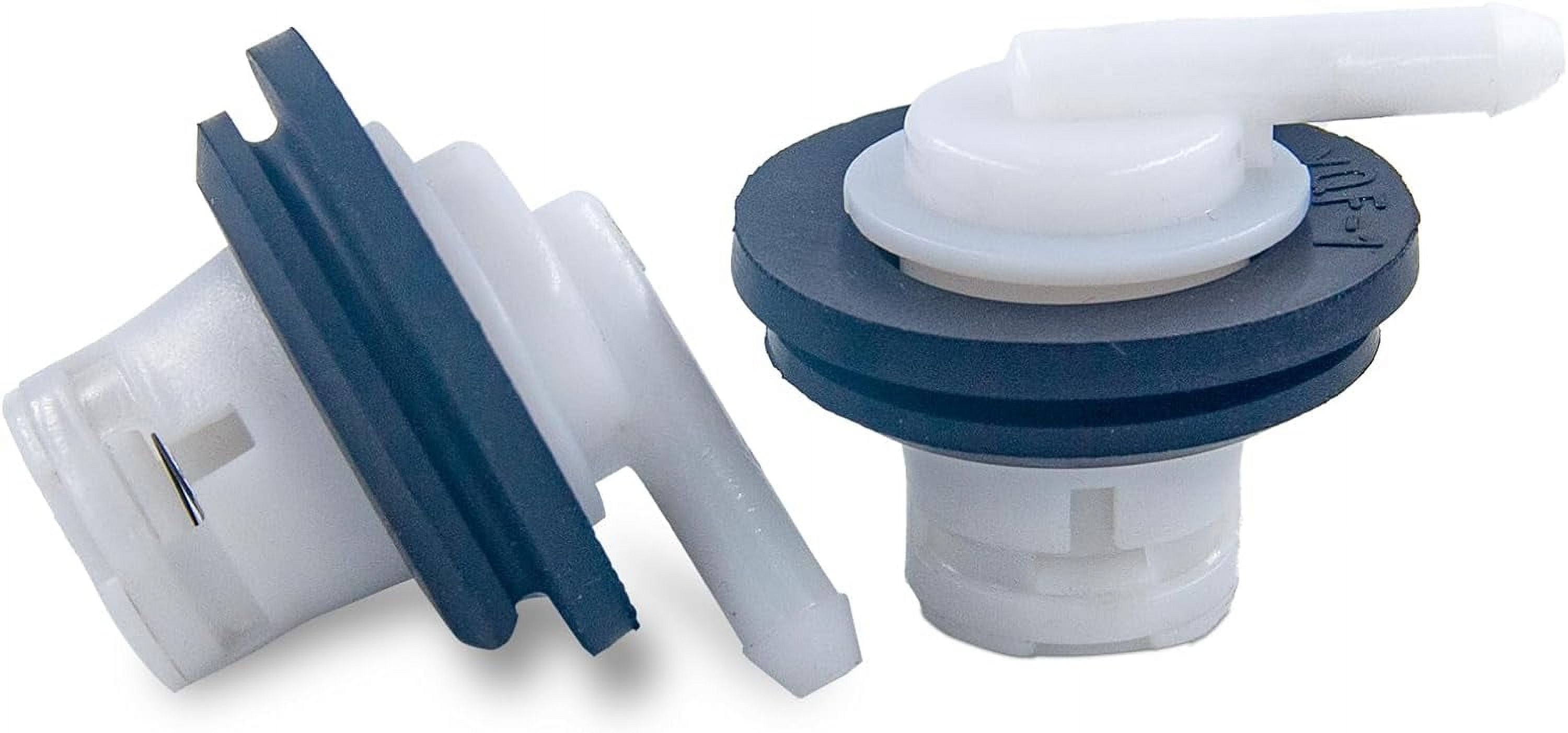
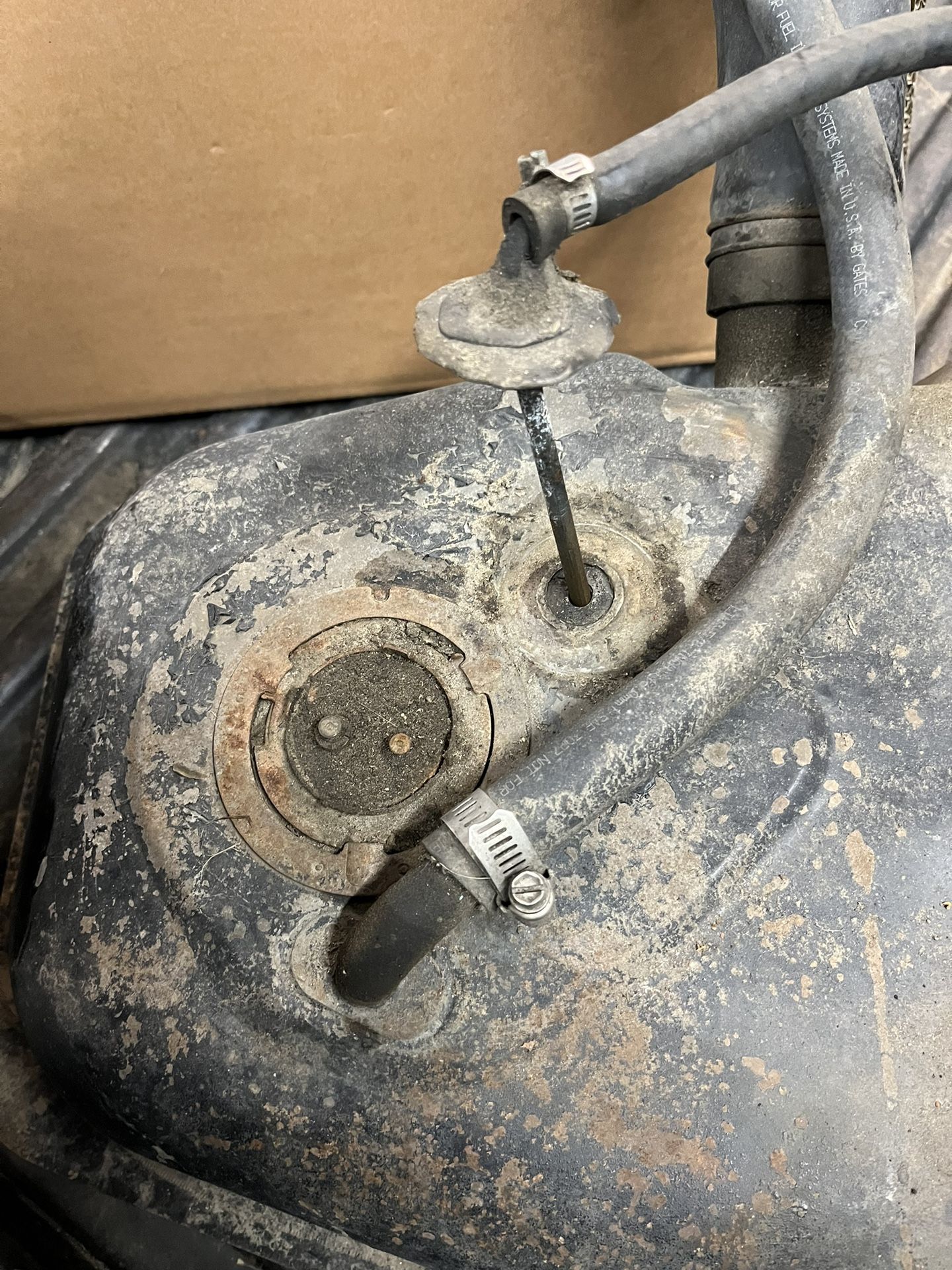
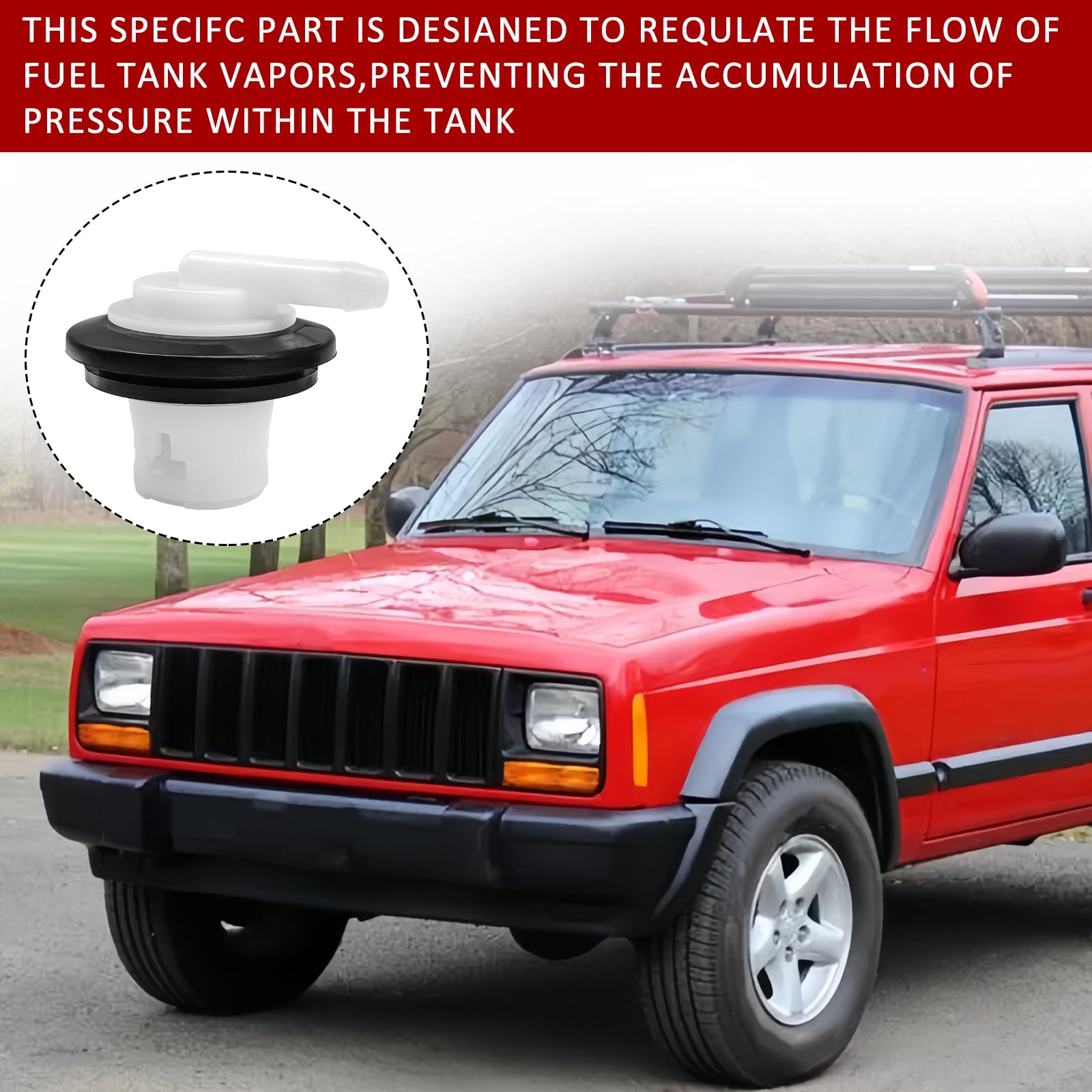
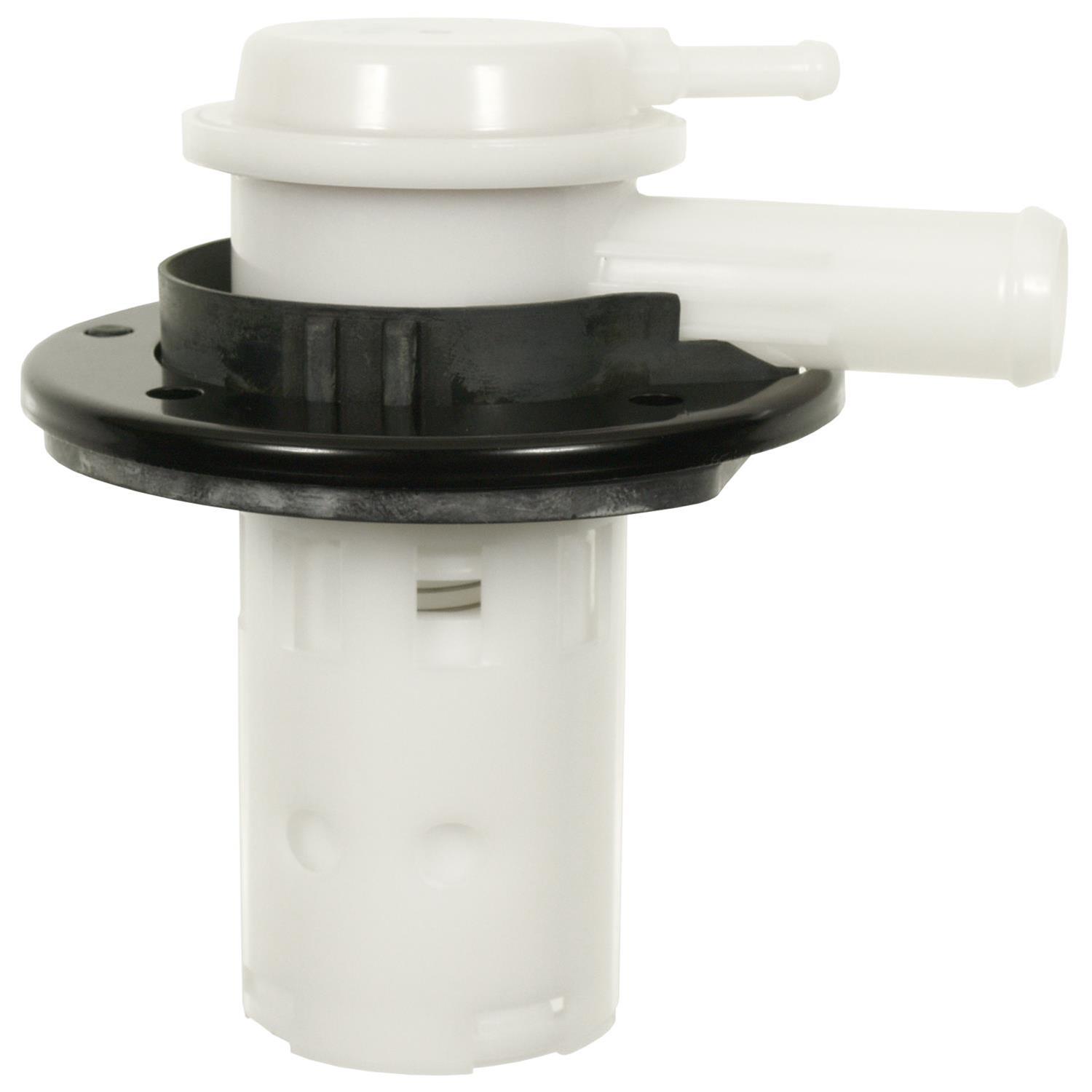
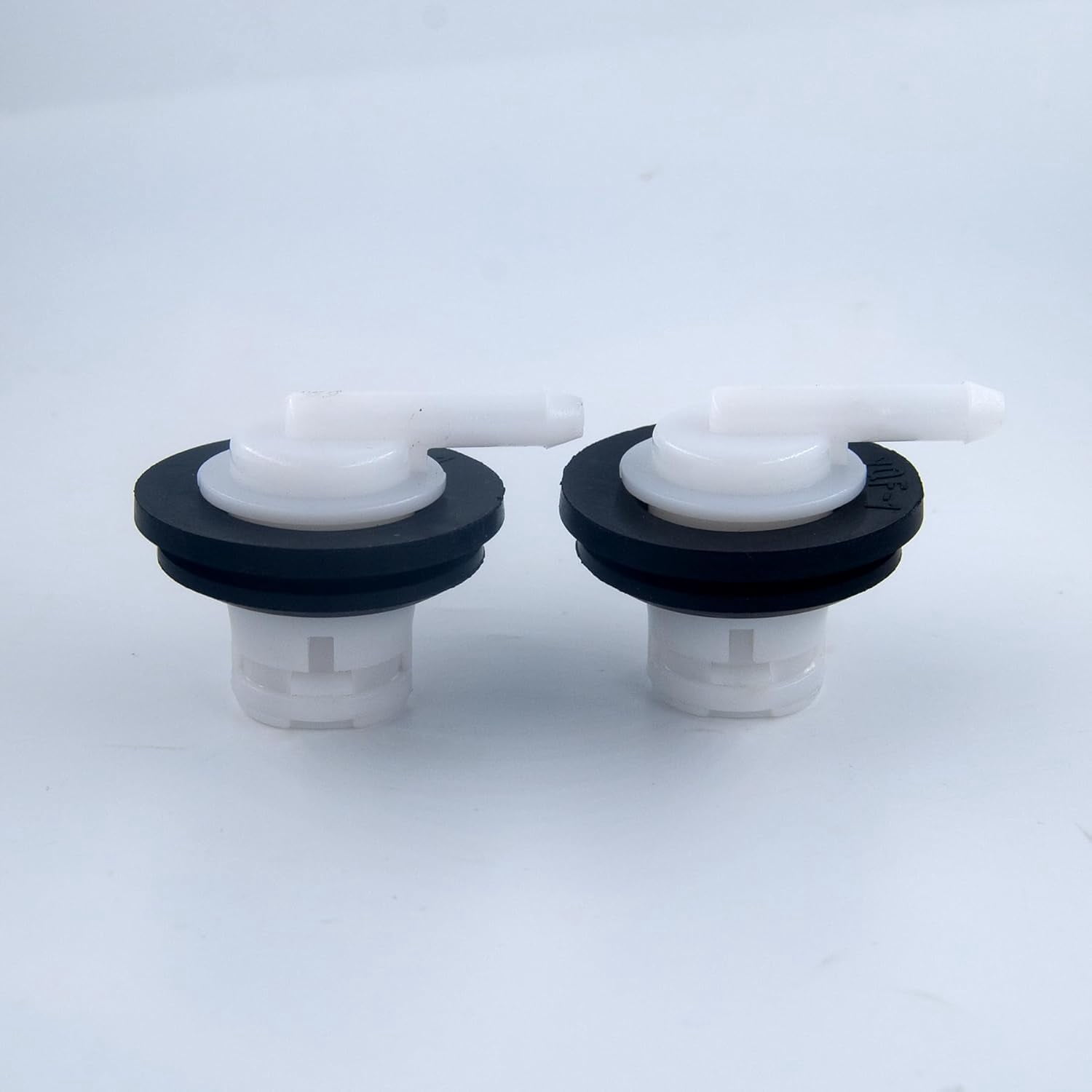
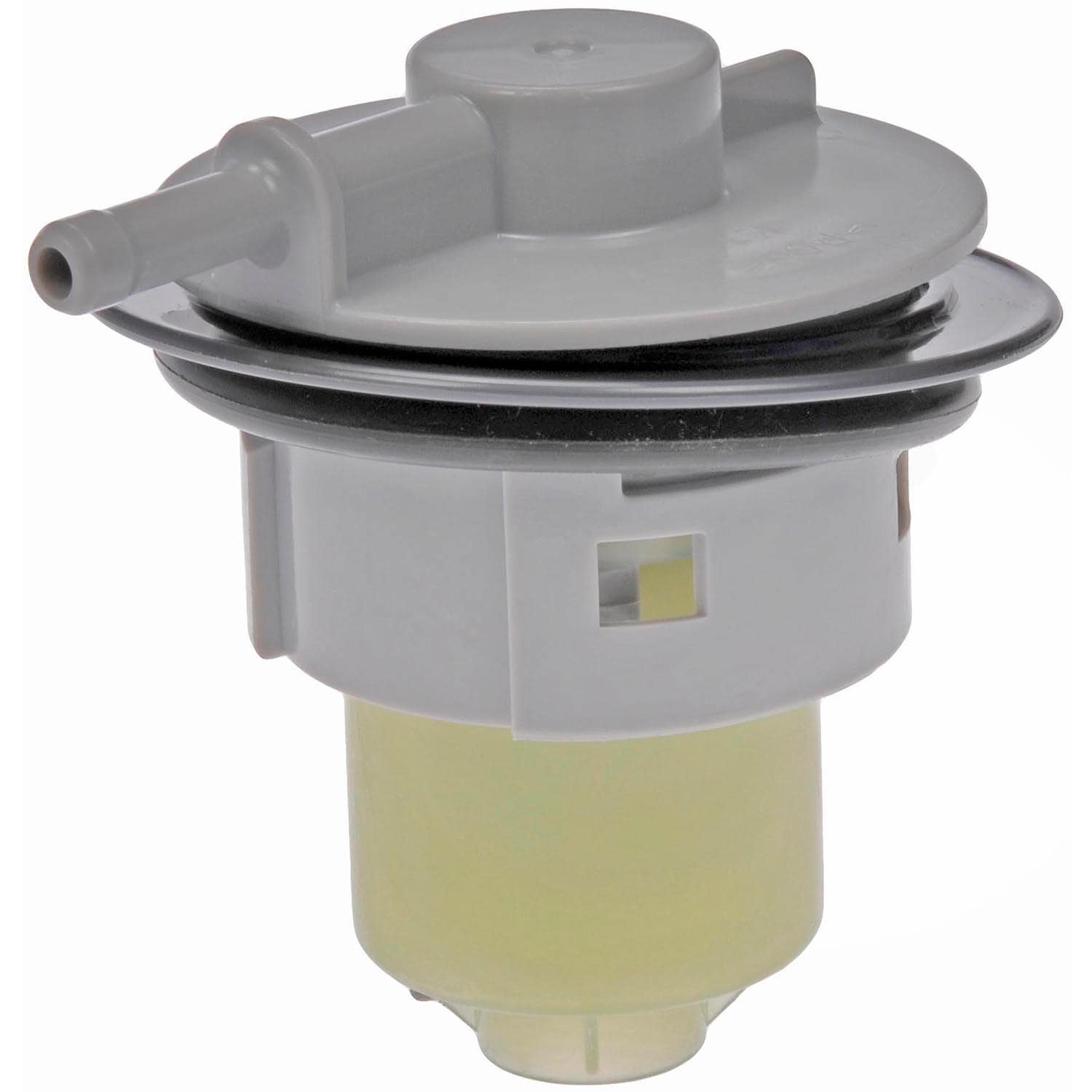
The 2011 Jeep Wrangler fuel tank vent valve, often integrated into the evaporative emissions (EVAP) system, regulates pressure within the fuel tank and prevents raw fuel vapors from escaping into the atmosphere. When this component fails, it typically triggers a "Check Engine" light, causes frequent fuel nozzle shut-offs during refueling, or results in a persistent raw gasoline smell around the vehicle.
Understanding the Role of the EVAP System
The fuel tank vent valve serves as a critical junction in the Jeep Wrangler’s evaporative emissions control system. In a 2011 model, the primary function of this system is to capture fuel vapors that would otherwise evaporate from the fuel tank and contribute to air pollution. Under normal operating conditions, these vapors are trapped by a charcoal canister.
The vent valve manages the airflow between the fuel tank and this canister. When you are refueling, the valve must remain open to allow air and displaced vapors to escape the tank as liquid fuel enters. If the valve sticks in the closed position, the backpressure causes the pump at the gas station to click off prematurely, forcing the operator to fill the tank at an agonizingly slow pace. Conversely, if the valve remains stuck in an open position or fails to seal correctly, the vehicle’s onboard computer—the Powertrain Control Module (PCM)—will detect a leak in the system. This failure is a common cause for the P0440, P0442, or P0456 diagnostic trouble codes.
Common Symptoms of a Malfunctioning Vent Valve
Recognizing the early signs of a vent valve failure can save you from more significant mechanical issues, such as premature failure of the charcoal canister or damage to other EVAP components like the purge solenoid.
- Refueling Difficulties: This is the most distinct symptom for many 2011 Wrangler owners. If the fuel pump nozzle shuts off repeatedly before the tank is full, it indicates that the air/vapor pressure inside the tank is not venting properly during the refueling process.
- Check Engine Light (CEL): The engine management system performs self-tests on the EVAP system at specific intervals. If it detects that the system cannot hold a vacuum or maintain pressure, it will illuminate the malfunction indicator lamp.
- Fuel Odor: A faint or strong smell of gasoline around the rear of the Jeep, especially after the vehicle has been sitting in the sun, suggests that vapors are venting directly into the atmosphere instead of being routed through the charcoal canister.
- Failed Emissions Inspection: In regions requiring periodic smog checks, a faulty vent valve will result in an automatic failure of the EVAP system monitor, preventing you from renewing your vehicle registration.
Diagnosing the Problem: Vent Valve vs. Charcoal Canister
Before committing to a replacement, it is vital to differentiate between a faulty vent valve and a saturated or clogged charcoal canister. While the vent valve is an electronic or mechanical solenoid, the charcoal canister is a collection device that can become compromised if the Jeep has been "topped off" repeatedly at the gas station.
"Topping off" (continuing to pump fuel after the automatic shut-off) can force liquid gasoline into the vent lines and eventually into the charcoal canister. Once the charcoal inside the canister becomes saturated with liquid fuel, it can physically block the venting process, mimicking the symptoms of a failed vent valve. If your diagnostic tool indicates a flow issue, ensure that the lines leading to the canister are clear of debris and liquid fuel before replacing the vent valve itself.
Technical Specifications and Location
On the 2011 Jeep Wrangler, the EVAP vent valve is typically located near the fuel tank or the charcoal canister, which is situated above the rear axle. Accessing this component requires working underneath the vehicle.
Because the 2011 Wrangler has a high ground clearance compared to standard passenger cars, many owners find they can access the area without fully lifting the vehicle, though safety is paramount. Always use jack stands if you must raise the Jeep; never rely solely on a hydraulic jack while working beneath the chassis. The valve is usually secured by a bracket and connected to the system via rubber vapor hoses and an electrical wiring harness.
Step-by-Step Replacement Procedure
Replacing the vent valve is a task that most intermediate DIY enthusiasts can complete within an hour.
Prerequisites and Tools:
- A new, OEM-specification or high-quality aftermarket vent valve.
- A set of screwdrivers or a small socket set (usually 8mm or 10mm).
- Pliers for hose clamps (spring-style or wire-type).
- Penetrating oil (optional, for rusted bracket screws).
- Safety glasses and gloves.
Execution Steps:
- Safety First: Ensure the engine is off, the parking brake is engaged, and the vehicle is on level ground. Relieve any pressure in the fuel system by removing the gas cap.
- Locate the Valve: Crawl beneath the rear of the vehicle. Locate the charcoal canister above the rear axle. The vent valve is usually attached directly to the canister or sits in close proximity along the vapor line.
- Disconnect the Electrical Connector: Press the release tab on the electrical plug and gently pull it away from the valve. Inspect the connector for signs of corrosion or melting; if found, clean it with electrical contact cleaner.
- Remove the Vapor Hoses: Use your pliers to slide the hose clamps away from the valve inlet/outlet. Carefully twist the hoses to break the seal before pulling them off. Note: These hoses can be brittle due to heat exposure; be gentle to avoid cracking them.
- Remove the Valve: Unbolt the mounting bracket or slide the valve out of its retention clip.
- Install the New Component: Reverse the removal process. Ensure the hoses are seated fully over the barbs to prevent future vapor leaks.
- Clear Codes: After installation, use an OBD-II scanner to clear the stored diagnostic trouble codes. Drive the vehicle for several "drive cycles" (varying speeds and engine temperatures) to allow the computer to re-run the EVAP system monitors.
Comparison of Troubleshooting Methods
| Symptom | Probable Cause | Diagnostic Step |
|---|---|---|
| Gas nozzle clicks off | Vent valve or canister | Check lines for blockage |
| P0440/P0442 Codes | EVAP leak | Perform smoke test |
| Raw fuel smell | Leaking vapor hose | Visual inspection of lines |
| No CEL, but poor MPG | Purge valve (engine bay) | Test purge valve operation |
Professional Advice and Safety Limitations
While the replacement of a vent valve is a standard repair, it involves the fuel system. Always ensure there are no open flames, cigarettes, or spark sources nearby. If you encounter a situation where the fuel tank itself appears damaged or if the lines are severely corroded, it is recommended to consult a certified mechanic.
Furthermore, if your 2011 Jeep Wrangler has been subject to specific recalls regarding the fuel tank or EVAP system, verify if your VIN is covered under any active service campaigns. Some Wrangler models had issues with "spit-back" during refueling that resulted in specific dealer-led repairs. Dealing with these through official channels might be covered under warranty or extended service programs, even in 2026.
Frequently Asked Questions
Can I drive my 2011 Jeep Wrangler with a bad vent valve? Yes, the vehicle will remain driveable, but it is not recommended for the long term. A faulty valve can cause fuel vapor to leak into the environment, potentially damage the charcoal canister (a more expensive part), and will prevent the vehicle from passing emissions testing.
What is the difference between a vent valve and a purge valve? The vent valve is located at the rear of the vehicle near the fuel tank and manages the venting of the tank to the atmosphere or canister. The purge valve is located in the engine bay and manages the flow of stored vapors from the canister into the intake manifold to be burned during engine operation.
How do I know if the charcoal canister needs to be replaced? If you have verified that the vent valve is working correctly and the lines are not blocked, but you still experience refueling issues and recurring EVAP codes, the canister is likely clogged with fuel or debris.
Does a 2011 Jeep Wrangler require a special tool for this repair? No, most repairs can be completed with standard automotive hand tools. However, a pair of long-reach hose clamp pliers is highly recommended to reach the cramped space above the rear axle.
Will clearing the codes fix the problem permanently? No. Clearing the codes only resets the warning light. If the underlying mechanical fault (the broken valve) remains, the computer will detect the failure during the next self-test cycle and trigger the light again.
Next Steps for Owners
If you suspect your 2011 Jeep Wrangler’s vent valve is failing, begin by inspecting the vapor lines for cracks or loose connections. If the lines appear intact, verify the electrical connection to the valve. Should the problem persist, prioritize replacing the valve with an original equipment manufacturer (OEM) part to ensure the correct operating pressure, as cheap aftermarket components often lack the specific calibrated spring tension required for the Wrangler's EVAP system.