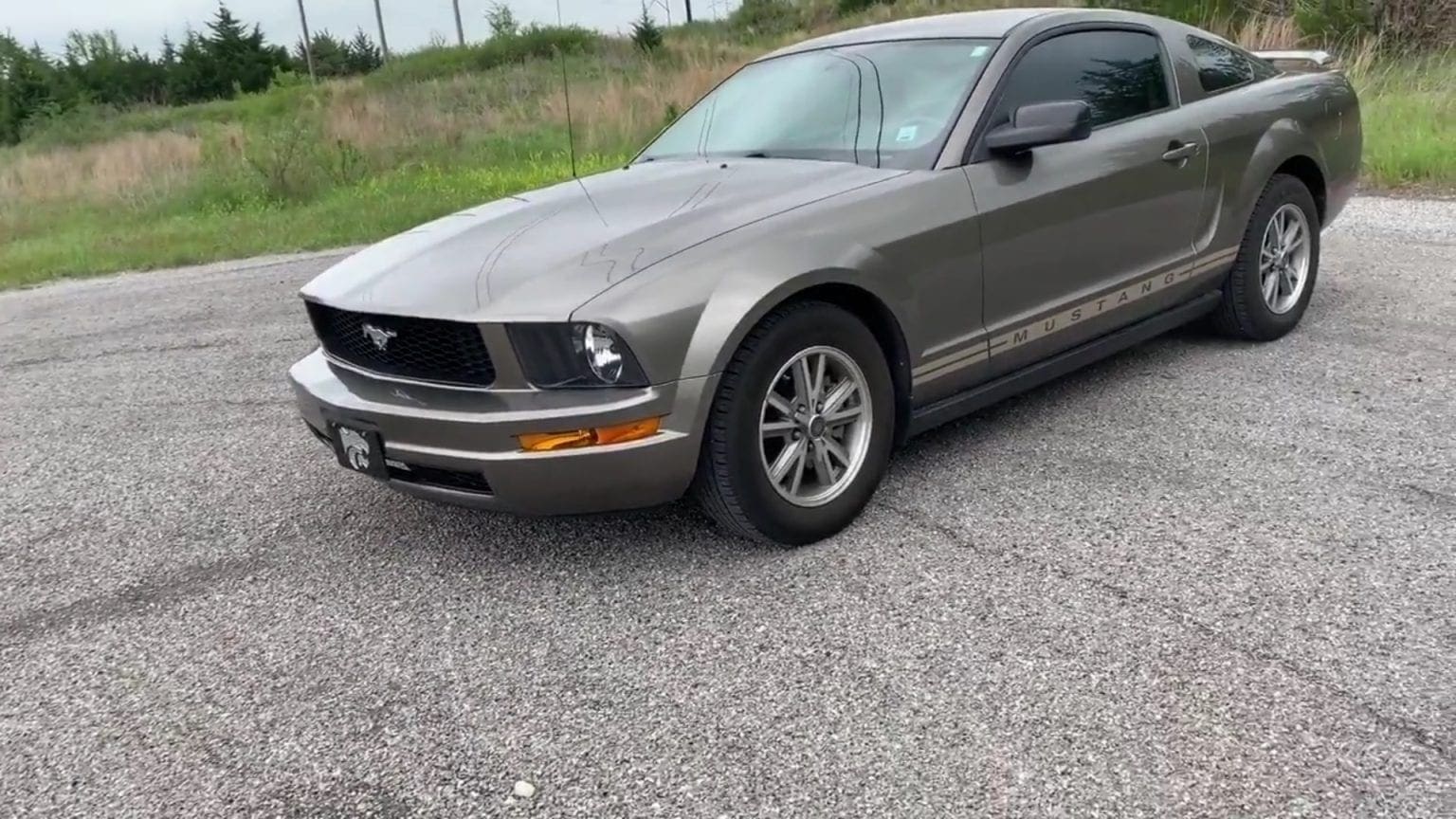
The 2005 Ford Mustang V6 features a 4.0-liter Cologne V6 engine producing 210 horsepower and 240 lb-ft of torque, a 0-60 mph time of approximately 6.9 to 7.3 seconds, and a fuel economy rating of roughly 17 mpg city and 25 mpg highway. As the debut year of the S197 fifth-generation redesign, this model introduced a retro-futuristic styling language, a stiffer platform, and a completely revised suspension layout that modernized America's original pony car.
Introduction to the 2005 Ford Mustang V6 (S197 Generation)
The year 2005 marked a monumental shift in the history of the Ford Mustang. Abandoning the aging SN95 platform that had underpinned the car since 1994, Ford introduced the completely redesigned S197 generation. Drawing heavy styling cues from the legendary 1967–1968 fastbacks, the 2005 Mustang struck a chord with enthusiasts and everyday drivers alike. While the V8-powered GT models commanded most of the automotive media's attention, the base V6 model proved vital. It delivered aggressive muscle car styling, rear-wheel-drive dynamics, and everyday usability at an accessible price point, making it a massive commercial success.
Understanding the technical specifications of the 2005 Mustang V6 requires looking past the retro sheet metal to examine the engineering underneath. From its cast-iron block engine to its newly engineered chassis, this model bridges the gap between classic pony car character and modern automotive standards. This comprehensive guide details the exact mechanical specifications, performance metrics, dimensions, interior features, and common maintenance considerations for the 2005 model year.
Engine and Powertrain Specifications
At the heart of the 2005 Ford Mustang V6 is the 4.0-liter "Cologne" V6 engine, replacing the older 3.8-liter Essex V6 used in previous generations. This powerplant brought a refined balance of durability, improved low-end torque, and a smoother power delivery band suited for daily driving.
4.0L Cologne V6 Engine Architecture
- Displacement: 4.0 liters (245 cubic inches)
- Configuration: 60-degree V6, longitudinal front-engine layout
- Block Material: Cast iron
- Cylinder Head Material: Aluminum
- Valvetrain: Single overhead camshaft (SOHC) per bank, 2 valves per cylinder (12 valves total)
- Bore x Stroke: 3.95 in × 3.32 in (100.3 mm × 84.3 mm)
- Compression Ratio: 9.7:1
- Fuel System: Sequential Electronic Fuel Injection (SEFI)
Power and Torque Output
The factory rating for the 2005 V6 engine stands at:
- Horsepower: 210 hp @ 5,300 RPM
- Torque: 240 lb-ft (325 Nm) @ 3,500 RPM
- Redline: 5,750 RPM (Fuel shut-off)
This output represented a substantial upgrade over the 193 horsepower produced by the final iteration of the 3.8L Essex engine in 2004. The broad torque curve ensures that the car pulls willingly from a standstill, compensating for its heavier curb weight compared to older generations.
Transmission and Drivetrain Options
Ford paired the 4.0L V6 with two transmission choices, allowing buyers to select between a traditional manual experience or a relaxed automatic cruiser setup.
- Manual Transmission: Tremec T-5 5-speed manual. This overdrive transmission features close-ratio gearing designed to keep the engine in its powerband while offering respectable highway cruising efficiency.
- Automatic Transmission: Ford 5R55S 5-speed automatic. Unlike the older 4-speed automatics found in SN95 models, this unit added an extra gear for smoother power transitions, quicker kickdowns, and better fuel economy management.
- Drivetrain Layout: Front-engine, rear-wheel drive (RWD).
- Rear Axle: Ford 8.8-inch rear differential housing (note: some early base V6 configurations utilized a smaller 7.5-inch axle depending on production build dates and axle code specifications, though the 8.8-inch became standard across most performance-oriented packages). Standard final drive ratio for the base V6 manual and automatic was typically 3.31:1.
Performance Metrics and Fuel Economy
While the V6 Mustang was built primarily for commuting and grand touring rather than drag strip dominance, its performance figures remained competitive for an entry-level sports coupe of the mid-2000s.
- 0–60 mph Acceleration: ~6.9 to 7.3 seconds (depending on transmission choice, atmospheric conditions, and driver skill; manual models generally achieved slightly quicker times).
- Quarter-Mile Time: ~15.3 to 15.6 seconds at approximately 88–90 mph.
- Top Speed: Electronically limited to approximately 118–120 mph.
- Braking Distance (70–0 mph): ~182 feet (equipped with standard 4-wheel disc brakes).
- Skidpad Grip: ~0.83 g.
Fuel Economy and Tank Capacity
Fuel efficiency for the 2005 Mustang V6 varies slightly between the 5-speed manual and the 5-speed automatic transmission, adjusted under EPA guidelines:
- Manual Transmission: 17 mpg city / 25 mpg highway / 20 mpg combined.
- Automatic Transmission: 16 mpg city / 24 mpg highway / 19 mpg combined.
- Fuel Tank Capacity: 16.0 gallons (60.6 liters).
- Fuel Requirement: Regular unleaded gasoline (87 octane).
Dimensions, Weight, and Chassis Specifications
The S197 platform brought a significantly stiffer chassis than the outgoing SN95, utilizing fully boxed frame rails and hydroformed structural elements. This rigidity improved both crash safety ratings and handling precision.
| Specification | Dimension / Measurement |
|---|---|
| Wheelbase | 107.1 inches (2,720 mm) |
| Overall Length | 187.6 inches (4,765 mm) |
| Overall Width | 73.9 inches (1,877 mm) |
| Overall Height | 54.5 inches (1,384 mm) |
| Track Width (Front/Rear) | 61.9 in / 62.5 in |
| Curb Weight (Manual) | ~3,350 lbs (1,520 kg) |
| Curb Weight (Automatic) | ~3,400 lbs (1,542 kg) |
| Weight Distribution | ~57% Front / 43% Rear |
| Cargo Volume (Trunk) | 12.3 cubic feet (348 liters) |
Suspension, Steering, and Brakes
One of the most notable engineering trade-offs of the 2005 Mustang was the retention of a live rear axle in favor of independent rear suspension (IRS), a decision made primarily to control manufacturing costs and preserve traditional muscle car packaging.
- Front Suspension: MacPherson strut setup with reverse-L lower control arms, tubular stabilizer bar, and coil-over spring dampers. This design significantly reduced body roll and improved steering responsiveness compared to older Mustangs.
- Rear Suspension: Three-link live axle design with a panhard rod. The inclusion of the panhard rod was a major upgrade, locating the rear axle laterally and preventing the side-to-side shifting under cornering loads that plagued older models.
- Steering System: Power-assisted rack-and-pinion steering.
- Braking System: Power-assisted 4-wheel disc brakes with Anti-lock Braking System (ABS) as standard or optional equipment depending on trim packages. Front rotors measured 11.5 inches (294 mm) with twin-piston calipers, while rear rotors measured 11.8 inches (300 mm) with single-piston calipers.
Exterior and Interior Features
The interior of the 2005 Mustang V6 leaned heavily into retro nostalgia, featuring dual-cowl dashboard styling, round air vents, and deep-set gauge pods.
- Wheel and Tire Options: Standard configurations rolled out of the factory on 16-inch painted aluminum wheels wrapped in 215/65R16 all-season tires. Optional packages included 17-inch alloy wheels.
- Lighting: Halogen headlamps with integrated tri-bar sequential-style rear taillights (though the true sequential feature was aftermarket or reserved for later revisions/special trims, the housing layout mirrored classic eras).
- Seating: Cloth bucket seats with manual adjustment standard; power driver's seat and leather upholstery were available as options or part of the Pony Package.
- Audio System: AM/FM stereo with a single-disc CD player and four speakers. An optional Shaker 500 or Shaker 1000 audio system featured high-output amplifiers and door-mounted subwoofers.
- MyColor Dash Instrumentation: Available on higher trims, allowing drivers to customize the instrument cluster backlighting color using a mix of red, green, and blue light-emitting diodes (LEDs).
Frequently Asked Questions
What is the difference between a base 2005 Mustang V6 and the Pony Package?
The Pony Package, introduced for the 2005 model year, added visual and handling upgrades inspired by vintage Mustangs. It included 17-inch wheels, a unique radiator grille with fog lamps, lower body side stripes, a rear decklid spoiler, a stiffer suspension system derived from the GT model, and an upgraded stability control option.
Is the 2005 Mustang V6 engine an interference or non-interference design?
The 4.0L Cologne V6 is a non-interference engine. If a timing chain or timing component fails, the pistons typically do not strike the valves, which prevents catastrophic internal engine damage, though repairs are still labor-intensive due to the rear-mounted timing cassettes.
Can the 2005 Mustang V6 run on E85 fuel?
No, the 2005 Mustang V6 is not a Flex-Fuel vehicle. It is designed to run exclusively on standard gasoline with an octane rating of 87 or higher. Using high-ethanol blends without proper fuel system modifications can damage fuel lines, seals, and engine components.
What are the common mechanical issues to look out for on a 2005 Mustang V6?
Common items to inspect include plastic timing chain tensioner guides (which can wear down over high mileage, causing rattling noises), thermostat housing leaks (factory plastic housings are prone to cracking), and front suspension ball joint wear. Routine inspections of these areas are vital for high-mileage examples.
How does the 2005 V6 fuel economy compare to the 2005 GT V8?
The V6 achieves significantly better fuel economy than the 4.6L V8 GT model. While the V6 averages around 19–20 mpg combined, the 2005 Mustang GT V8 typically achieves closer to 17 mpg combined, alongside higher insurance premiums and premium fuel requirements for certain modified setups (though factory GTs also ran on 87 octane).
Practical Recommendations for Buyers and Owners
If you are looking to purchase, maintain, or restore a 2005 Ford Mustang V6, prioritize models with documented maintenance histories, particularly regarding oil change intervals and cooling system upkeep. While the 4.0L engine is mechanically robust, ignoring coolant leaks can lead to overheating and warped aluminum cylinder heads. For those seeking a daily driver with classic styling, look for models equipped with the Pony Package for its improved handling characteristics and enhanced visual appeal. Always verify the condition of the timing chains and suspension bushings, as these represent the most common wear items on vehicles approaching two decades of age.