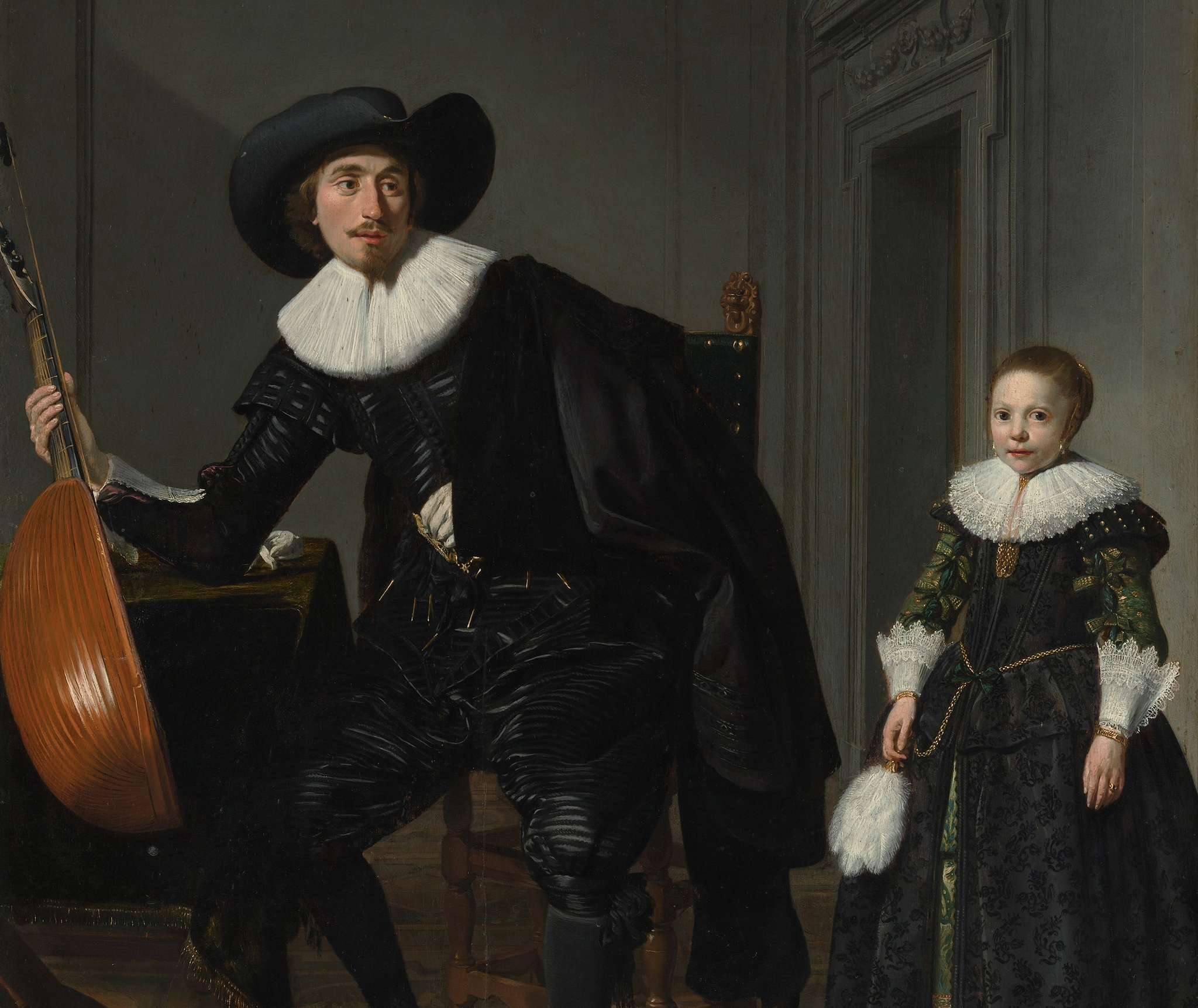
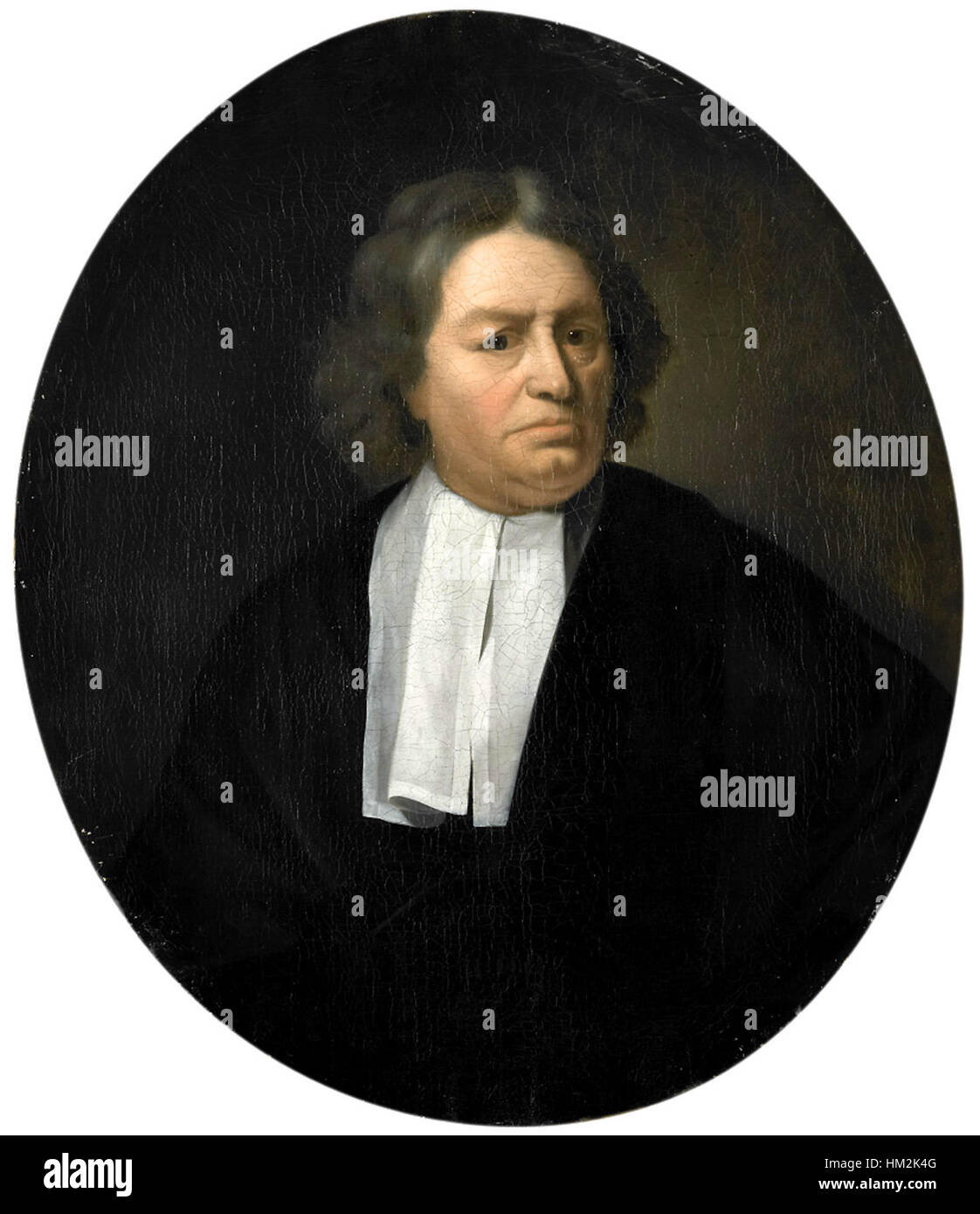
17th century Dutch art, created during the Dutch Golden Age, represents a pinnacle of Western European painting characterized by unprecedented realism, specialized genres, and patronage by a prosperous merchant class rather than the monarchy or the Catholic Church. This era revolutionized visual culture through the mastery of oil paint, atmospheric perspective, and subtle domestic scenes, producing world-renowned masters such as Rembrandt van Rijn, Johannes Vermeer, and Frans Hals.
Historical and Cultural Context of the Dutch Golden Age
The flourishing of art during the 17th century in the Netherlands did not happen in a vacuum. It was deeply intertwined with the geopolitical, economic, and social transformations that followed the Union of Utrecht in 1579 and the subsequent revolt against Spanish Habsburg rule. The newly formed Dutch Republic established independence, creating a decentralized nation governed by prosperous urban regents and merchants rather than an absolute monarch.
This political structure reshaped the art market entirely. Without a powerful royal court or a dominant Catholic Church to commission grand religious altarpieces and propaganda, Dutch artists had to cater to a burgeoning middle class. Merchants, civic guards, guild members, and wealthy tradespeople formed a new class of art consumers. They desired paintings that reflected their daily lives, civic pride, successful enterprises, and domestic comfort. Consequently, the scale of artwork shifted from monumental church and palace installations to intimate, portable cabinet paintings designed for private homes.
Furthermore, Amsterdam emerged as the financial and commercial capital of the world, fueled by maritime trade through the Dutch East India Company (VOC) and the West India Company. This global network flooded the Netherlands with exotic commodities, foreign textiles, spices, and porcelain, elements that frequently found their way into contemporary still-life paintings as symbols of wealth, global reach, and the transience of earthly possessions.
Primary Genres and Thematic Specialization
Unlike the Italian Renaissance, which prized history painting and grand mythological narratives above all else, Dutch Golden Age art fractured into a diverse array of specialized genres. Artists frequently dedicated their entire careers to a single category, mastering its specific technical demands and iconographic traditions.
Portraiture and Civic Guard Group Portraits
Portraiture was in high demand as prosperous citizens sought to immortalize their social standing and civic achievements. Beyond individual likenesses, the Dutch developed the unique genre of the schutterstuk (civic guard portrait), immortalizing local militias who defended towns.
- Frans Hals: Mastered the individual and group portrait with loose, visible brushwork that captured fleeting expressions and psychological immediacy, breaking away from the stiff formality of earlier portraiture.
- Rembrandt van Rijn: Elevated portraiture and self-portraiture into profound psychological explorations, using dramatic lighting to reveal inner character, aging, and vulnerability.
Landscape and Seascapes
The flat topography, vast skies, and national pride in reclaimed land from the sea made landscape painting a dominant genre. Artists celebrated the local environment rather than idealized classical Italian vistas.
- Jacob van Ruisdael: Captured majestic Dutch skies, turbulent seas, and solemn forests infused with moody atmospheric effects.
- Aelbert Cuyp: Infused Dutch landscapes with the golden, luminous light of an imaginary Italian sun, transforming everyday pastures into poetic visions.
Genre Painting (Scenes of Everyday Life)
Genre painting depicted ordinary people engaged in domestic chores, tavern revelry, or social gatherings. While appearing straightforward, these works often carried layered moral warnings or allegorical meanings regarding temperance, foolishness, or romantic love.
- Johannes Vermeer: Celebrated for interiors featuring solitary figures—often women engaged in quiet domestic tasks like pouring milk or reading letters—bathed in soft, directional light.
- Jan Steen: Specialized in chaotic, humorous household scenes that doubled as visual proverbs illustrating human folly and moral indiscretion.
Still Life (Pronkstilleven and Vanitas)
Still-life paintings showcased the material abundance of the Dutch Republic while reminding viewers of spiritual mortality.
- Willem Claesz. Heda: Focused on monochromatic breakfast pieces (ontbijtjes), capturing the reflective surfaces of pewter plates, peeled lemons, and half-filled glasses.
- Vanitas Still Lifes: Included symbolic objects like skulls, extinguished candles, pocket watches, and rotting fruit to remind viewers of the vanity of worldly pursuits and the inevitability of death.
| Genre | Key Characteristics | Prominent Master | Typical Subject Matter |
|---|---|---|---|
| Portraiture | Psychological depth, expressive brushwork, formal group arrangements | Rembrandt van Rijn, Frans Hals | Civic guards, wealthy merchants, self-portraits |
| Genre Painting | Domestic interiors, narrative ambiguity, moral undertones | Johannes Vermeer, Jan Steen | Housemaids, tavern visitors, music makers |
| Landscape | Vast skies, low horizons, emphasis on weather and water | Jacob van Ruisdael, Aelbert Cuyp | Windmills, canals, pastoral fields, coastal views |
| Still Life | Detailed textures, play of light, allegorical symbols | Willem Claesz. Heda, Pieter Claesz | Banquets, scientific instruments, flowers, skulls |
Technical Innovations and Artistic Materials
The exceptional preservation and vivid realism of 17th century Dutch art stem from sophisticated craftsmanship and deep empirical understanding of materials. Painters operated within a strict guild system—most notably the Guild of Saint Luke—which regulated training, materials sourcing, and studio practices.
Pigments and Mediums
Dutch masters utilized a refined palette derived from natural minerals, earths, and organic sources, bound primarily in linseed or walnut oil.
- Lead White: Provided opacity and foundational highlights.
- Ultramarine: Made from crushed lapis lazuli imported from mines in Afghanistan, reserved for the most important garments, such as the headdress in Vermeer's Girl with a Pearl Earring.
- Madder Lake and Vermilion: Delivered rich reds and oranges.
Optical Devices and Camera Obscura
The relentless pursuit of optical accuracy led many artists to experiment with optical tools. Scholars, most notably David Hockney and Philip Steadman, have argued that Johannes Vermeer utilized a camera obscura—an optical device that projects an inverted image of a scene onto a surface—to study light falloff, perspective grids, and specific optical phenomena such as circles of confusion (out-of-focus highlights rendered as shimmering dots).
Ground Layers and Layering Techniques
Artists typically worked on stretched canvas or oak panels prepared with a double ground layer: a coarse red-brown or dark grey priming layer to block out the white of the support, followed by a lighter, smoother imprimatura layer. Building up the painting from dark to light (chiaroscuro), artists applied transparent glazes over opaque underpaintings to create deep, glowing shadows and luminous skin tones.
Major Masters and Their Enduring Legacies
While hundreds of painters operated active workshops in cities like Haarlem, Delft, Leiden, Utrecht, and Amsterdam, a few figures defined the zenith of the era through distinct innovations.
Rembrandt van Rijn (1606–1669)
Working primarily in Amsterdam, Rembrandt was a titan of both painting and printmaking (etching). His handling of chiaroscuro—the dramatic contrast between light and dark—was not merely decorative; it served to focus emotional attention and spiritual weight. His late works, characterized by thick, textured applications of paint known as impasto, demonstrate an unflinching honesty in self-portraiture and an unmatched empathy for human suffering and resilience.
Johannes Vermeer (1632–1675)
Operating exclusively in Delft, Vermeer left a remarkably small corpus of roughly 35 surviving paintings. His genius lies in his handling of natural light, spatial geometry, and an exquisite sense of stillness. Unlike Rembrandt's theatricality, Vermeer's art is quiet, monumental in composition despite its modest scale, and mesmerizing in its depiction of tactile textures—from heavy woolen rugs to smooth ceramic pitchers.
Frans Hals (1582–1666)
Based in Haarlem, Hals revolutionized portraiture by rejecting the smooth, highly polished finishes favored by many of his contemporaries. Instead, he employed energetic, visible brushstrokes that appeared improvised yet were calculated with absolute precision. His ability to capture a fleeting smile, a relaxed posture, or a jovial laugh made him the premier portraitist of his generation.
Collecting, Preserving, and Experiencing Dutch Masterpieces Today
For modern enthusiasts, scholars, and collectors, engaging with 17th century Dutch art involves navigating major international museums, specialized conservation science, and a robust art market.
Major Institutional Collections
- Rijksmuseum (Amsterdam): Holds the world's most comprehensive collection of Dutch Golden Age masterpieces, including Rembrandt's The Night Watch and Vermeer's The Milkmaid.
- Mauritshuis (The Hague): Houses an elite collection of intimate masterworks, notably Vermeer's Girl with a Pearl Earring and Carel Fabritius's The Goldfinch.
- The National Gallery (London) and The Metropolitan Museum of Art (New York): Offer extensive, globally representative galleries dedicated to the period.
Conservation and Technical Analysis
Modern conservation employs advanced non-invasive technologies—such as X-ray radiography, infrared reflectography (IRR), and macro X-ray fluorescence (MAXRF) scanning—to peer beneath the paint layers of 17th-century works. These analyses reveal pentimenti (artist's changes of mind), underlying sketches, and degraded pigments (such as the darkening of certain yellows and greens), offering profound insights into the working methods of the masters.
Frequently Asked Questions
What defines 17th century Dutch art?
17th century Dutch art is defined by its intense realism, specialization in secular genres like landscape, still life, and genre painting, and production for a prosperous middle-class market rather than royal or ecclesiastical patrons.
Why did Dutch art flourish during this specific century?
The Dutch Golden Age flourished due to newfound political independence from Spain, explosive economic growth driven by global maritime trade, urbanization, and the rise of a wealthy merchant class that actively purchased private artwork.
Who are the most famous painters of the Dutch Golden Age?
The most renowned masters of the era include Rembrandt van Rijn, Johannes Vermeer, Frans Hals, Jacob van ruiasdael, and Jan Steen.
What is a Vanitas painting?
A Vanitas painting is a specific type of still life containing symbolic objects—such as human skulls, rotting fruit, hourglasses, and bubbles—designed to remind the viewer of the transience of life, the vanity of worldly pleasures, and the inevitability of death.
Did Dutch artists use optical tools like the camera obscura?
Yes, evidence suggests that artists like Johannes Vermeer utilized optical devices such as the camera obscura to study perspective, light behavior, and optical blur, though they still relied entirely on traditional manual painting skills.
Conclusion and Next Actions
Exploring 17th century Dutch art offers a fascinating window into a society that balanced commercial ambition with profound philosophical and spiritual reflection. To deepen your understanding, visit premier museum collections such as the Rijksmuseum or Mauritshuis, examine high-resolution digital archives online with infrared capabilities, or read scholarly monographs on individual masters like Rembrandt and Vermeer to appreciate the intricate techniques behind these timeless masterpieces.