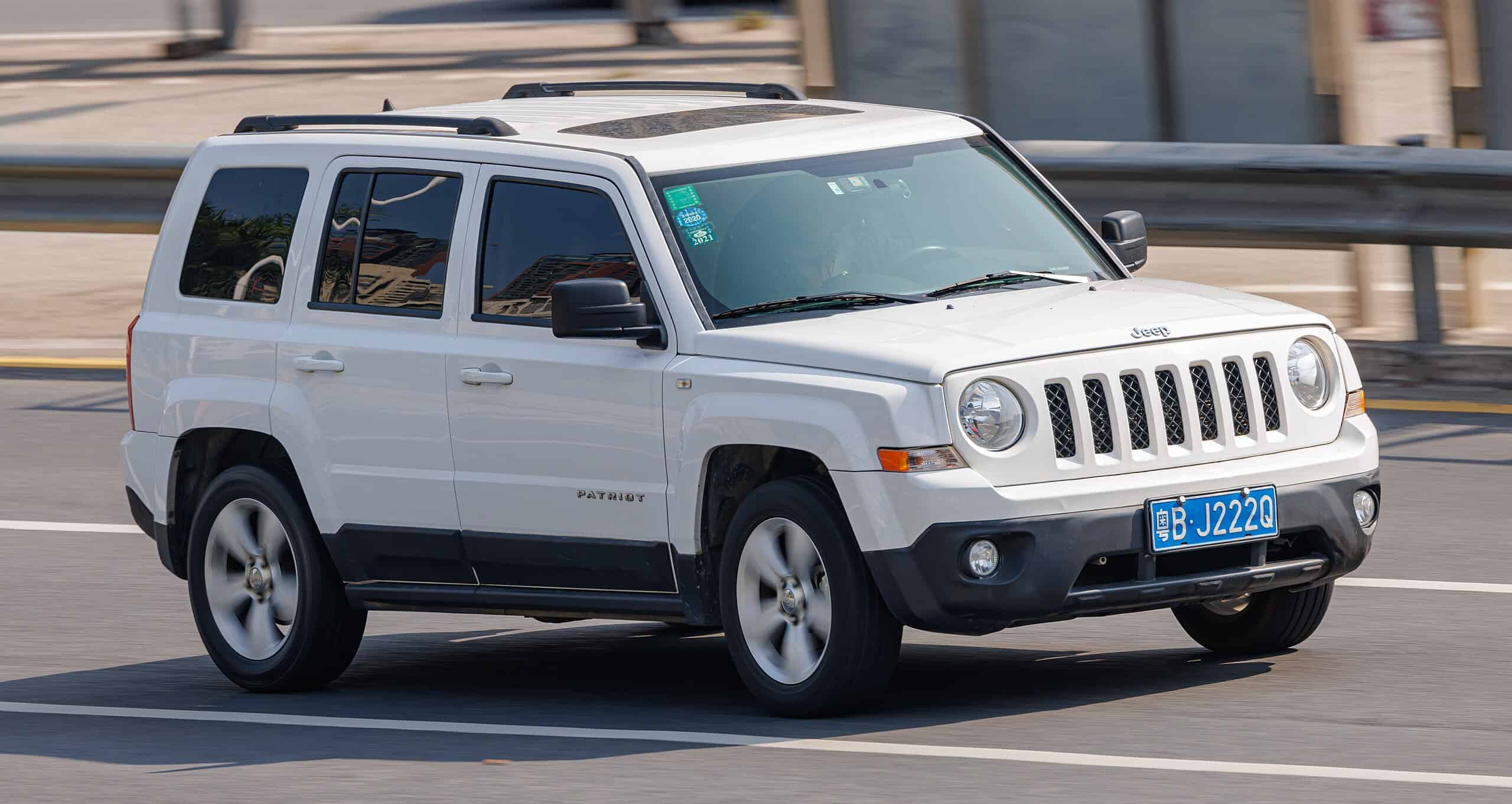
The 2016 Jeep Patriot is frequently identified by owners and mechanics as a vehicle of contradictions, offering a classic rugged aesthetic at a budget-friendly price point while masking several significant mechanical vulnerabilities. Most 2016 Jeep Patriot problems center on the Continuously Variable Transmission (CVT) failures, premature suspension wear, electronic throttle control malfunctions, and persistent water leaks within the cabin.
As we look at these vehicles in 2026, most remaining units on the road have surpassed the 100,000-mile mark, a critical threshold where these documented issues often transition from minor annoyances to catastrophic failures. Understanding the specific mechanical DNA of the 2016 model year is essential for current owners attempting to extend the life of their vehicle and for used car buyers evaluating the "budget" appeal of this compact SUV.
The Transmission Dilemma: CVT vs. Six-Speed Automatic
The most significant "revealed" problem for the 2016 Jeep Patriot involves its transmission options. While Jeep offered a traditional six-speed automatic (6F24) and a five-speed manual, many units were equipped with the Jatco-sourced Continuously Variable Transmission (CVT2).
CVT Overheating and "Limp Mode"
The CVT in the 2016 Patriot is notorious for overheating, particularly during long highway drives or in hilly terrain. When the transmission fluid reaches a specific thermal threshold, the vehicle’s computer triggers "Limp Mode." This safety feature drastically reduces engine power to protect the transmission, often leaving drivers unable to maintain highway speeds.
Symptoms of a failing CVT include a high-pitched whining noise (often mistaken for alternator whine), delayed "engagement" when accelerating from a stop, and a noticeable lack of power. By 2026, many of these CVTs have either been replaced or are nearing the end of their operational life, as they rarely exceed 120,000 to 150,000 miles without a total overhaul.
The Superiority of the 6-Speed Automatic
If you are evaluating a 2016 model today, the six-speed automatic transmission—introduced to the Patriot line later in its life cycle—is significantly more reliable. It avoids the overheating issues of the CVT and provides a more traditional driving feel. However, it is not immune to fluid leaks and solenoid failures. Identifying which transmission a specific 2016 Patriot has is the first step in assessing its long-term viability.
Engine Performance and the "Lightning Bolt" Warning
The 2016 Patriot was equipped with either a 2.0L or a 2.4L World Engine. While the blocks themselves are relatively sturdy, the peripherals—specifically the Electronic Throttle Control (ETC)—are a frequent source of frustration.
Electronic Throttle Control (ETC) Failure
One of the most common sights on a 2016 Patriot dashboard is the "Red Lightning Bolt" light. This indicates a fault in the ETC system. When this component fails, the engine may stumble, idle roughly, or lose throttle response entirely.
The primary cause is often carbon buildup inside the throttle body or the failure of the plastic gears that operate the butterfly valve. In many cases, a simple cleaning of the throttle body can resolve the issue, but as these vehicles age into 2026, the internal electronic sensors within the unit often require a full replacement of the throttle body assembly.
Crankshaft and Camshaft Sensor Recalls
The 2016 model year was specifically impacted by recalls related to the crankshaft and camshaft position sensors. A defect in these sensors can cause the engine to stall unexpectedly while driving or prevent the vehicle from starting. Because this is a safety-critical issue, it is vital to verify via the NHTSA website whether a specific VIN has had this recall (Recall 16V668000) performed.
Suspension and Chassis: The 50,000-Mile Weakness
Despite its "Jeep" branding, the Patriot is built on a car-based platform (the Chrysler MK platform) shared with the Dodge Caliper. The suspension components were not robustly engineered for the vehicle's weight or for anything beyond light gravel roads.
Ball Joints and Control Arms
It is common for the 2016 Patriot to require new front ball joints, tie rods, and lower control arms as early as 50,000 miles. By 2026, a Patriot that hasn't had its suspension refreshed will likely exhibit:
- Audible clunking: Especially when driving over speed bumps or turning the steering wheel.
- Uneven tire wear: Often "cupping" or excessive wear on the inner edges of the front tires.
- Vague steering: A feeling of "looseness" in the steering wheel at highway speeds.
Rear Crossmember Corrosion
While less common than in earlier models (2007–2012), the 2016 Patriot can still suffer from significant corrosion on the rear crossmember (subframe). In "salt belt" regions, this rust can compromise the structural integrity of the rear suspension mounts. Any inspection of a 2016 model must include a thorough probe of the rear subframe for soft spots or perforation.
Interior Vulnerabilities: The Water Leak Saga
Perhaps the most infamous problem revealed over the decade of the Patriot’s existence is its tendency to leak water into the cabin. This is not merely a comfort issue; persistent leaks lead to mold, musty odors, and damaged electrical components.
Sunroof Drains and Roof Seams
Vehicles equipped with a sunroof are the most susceptible. The drain tubes designed to channel water away from the sunroof opening often become clogged with debris or disconnect from their fittings. This results in water dripping from the dome light or soaking the A-pillar and front floorboards.
However, even models without sunroofs are known to leak. The roof seams, located under the black plastic trim strips running the length of the roof, can develop cracks in the sealant. Water enters through these cracks and eventually pools in the spare tire well or the passenger footwell. In 2026, the rubber seals around the doors and windows have also likely degraded, exacerbating these entry points.
Electrical Systems and the TIPM
The Totally Integrated Power Module (TIPM) is essentially the "brain" of the Jeep's electrical system. It is a combined fuse box and computer that controls everything from the fuel pump to the windshield wipers.
TIPM Failure Symptoms
When the TIPM begins to fail in a 2016 Patriot, the symptoms can seem possessed. Owners have reported:
- Wipers turning on by themselves.
- The horn honking randomly.
- The fuel pump staying on after the car is turned off (draining the battery).
- Headlights or turn signals failing despite having good bulbs.
Replacing a TIPM is an expensive repair, often exceeding $1,000 in 2026 currency values. It is a complex part that usually requires professional programming to match the vehicle's VIN and options.
Comparison of Common 2016 Jeep Patriot Issues
The following table summarizes the primary concerns revealed through owner reports and technical service bulletins.
| Component | Common Problem | Primary Symptom | Estimated Repair Cost (2026) |
|---|---|---|---|
| Transmission (CVT) | Overheating / Internal Wear | Whining noise, Limp Mode, Slipping | $3,500 – $4,500 |
| Throttle Body | Electronic Sensor Failure | Red Lightning Bolt light, Stalling | $400 – $600 |
| Suspension | Ball Joint / Control Arm Wear | Clunking, Poor Alignment | $600 – $1,200 |
| Interior | Water Ingress (Leaky Roof) | Wet carpets, Headliner stains | $200 – $800 |
| Electrical | TIPM Failure | Unpredictable electrical glitches | $1,100 – $1,500 |
| Engine Sensors | Crank/Cam Sensor Failure | Engine stalling while driving | $250 – $400 |
Safety Ratings and Critical Recalls
The 2016 Jeep Patriot received mixed safety reviews. While it performed adequately in some crash tests, it received a "Poor" rating from the Insurance Institute for Highway Safety (IIHS) in the small overlap front crash test. This is a critical consideration for families.
Occupant Restraint Control (ORC) Module
Beyond the sensor recalls mentioned earlier, some 2016 Patriots were recalled (Recall 16V646000) for a defect in the Occupant Restraint Control module. This defect could prevent the airbags and seatbelt pretensioners from deploying in the event of a crash. Given the age of the vehicle in 2026, ensuring this safety hardware is functional is the highest priority for any owner.
Maintenance Strategies for 2026
If you currently own a 2016 Patriot or are looking to buy one, proactive maintenance is the only way to mitigate the problems revealed over the last decade.
- Transmission Fluid Service: If you have the CVT, change the fluid and both filters every 30,000 to 40,000 miles. Ignore the "lifetime fluid" claims often found in older manuals.
- Throttle Body Cleaning: Clean the throttle plate every two years to prevent carbon buildup from stressing the internal gears.
- Sunroof Maintenance: Regularly blow out the sunroof drain tubes with compressed air and lubricate the seals with silicone spray.
- Suspension Inspection: Check the boots on your ball joints annually. If a boot is torn, replace the component immediately before it fails and causes a loss of steering control.
- Ground Wire Check: Many "TIPM-like" electrical issues are actually caused by corroded ground wires. In 2026, check the ground points on the fender wells and the engine block for rust.
Frequently Asked Questions
Is the 2016 Jeep Patriot a reliable car for high-mileage driving?
Generally, no. Compared to competitors from the same era, such as the Toyota RAV4 or Honda CR-V, the 2016 Patriot has a higher frequency of major component failures (transmission and suspension) once it passes 100,000 miles. It requires diligent maintenance to reach high mileage reliably.
How can I tell if my 2016 Patriot has a CVT or a 6-speed automatic?
The easiest way is to look at the gear shift assembly. If the shifter has a "Low" (L) setting and feels like it has a single continuous gear when driving, it is likely a CVT. If it has a "Manual" gate (allowing you to tap up or down through gears 1-6) or lacks the "L" setting, it is likely the 6-speed automatic. You can also check the transmission pan shape; the 6-speed has a different footprint than the Jatco CVT.
Why does my Jeep Patriot smell like mold after it rains?
This is almost certainly due to the water leak issues mentioned above. Water is likely pooling under the carpet in the footwells or in the trunk area. You should check the sunroof drains, the roof seams under the molding, and the third brake light seal, as these are the most common entry points.
Can the 2016 Jeep Patriot go off-road?
While the Patriot has the Jeep name, it is a "soft-roader." Models equipped with the Freedom Drive II Off-Road Package are more capable, featuring a low-range mode for the CVT and skid plates. However, even these models are limited by their ground clearance and the fragility of their car-based suspension components.
What is the "Red Lightning Bolt" on my dashboard?
This is the Electronic Throttle Control (ETC) warning light. It means the computer has detected a problem with the signal between your gas pedal and the engine's throttle body. You should have the vehicle scanned for OBD-II codes immediately, as this often leads to the vehicle entering a restricted power mode.
Final Recommendation
The 2016 Jeep Patriot is a vehicle best suited for those who prioritize low entry costs and the classic Jeep aesthetic over long-term mechanical reliability. In 2026, the "problems revealed" over its lifespan suggest that a thorough pre-purchase inspection is mandatory. Priority should be given to models with the six-speed automatic transmission and a documented history of suspension and cooling system maintenance. If you encounter a unit with a whining transmission or signs of interior water damage, it is usually financially prudent to walk away, as the repair costs can quickly exceed the vehicle's market value.