The figure of 120,000 fraudulent auto insurance claims from the year 2018 highlights a critical juncture in the insurance industry's ongoing battle against organized crime, staged accidents, and inflated billing schemes. This volume represents a severe multi-billion-dollar drain on consumer premiums and operational resources, forcing insurers, law enforcement, and regulatory bodies to fundamentally overhaul their detection mechanisms, data-sharing protocols, and investigative techniques.
Evaluating historical data from periods like 2018 provides crucial context for understanding how modern anti-fraud technology evolved. While exact aggregate totals vary depending on whether an index measures suspicious claim referrals, confirmed fraud cases, or prosecution metrics, industry groups have long pointed to hundreds of thousands of anomalous filings annually. Examining the scale, mechanics, and systemic impact of these incidents reveals the profound vulnerabilities that existed within motor vehicle insurance frameworks and explains why legislative and technological tightening followed.
Defining the Scope of Auto Insurance Fraud in 2018
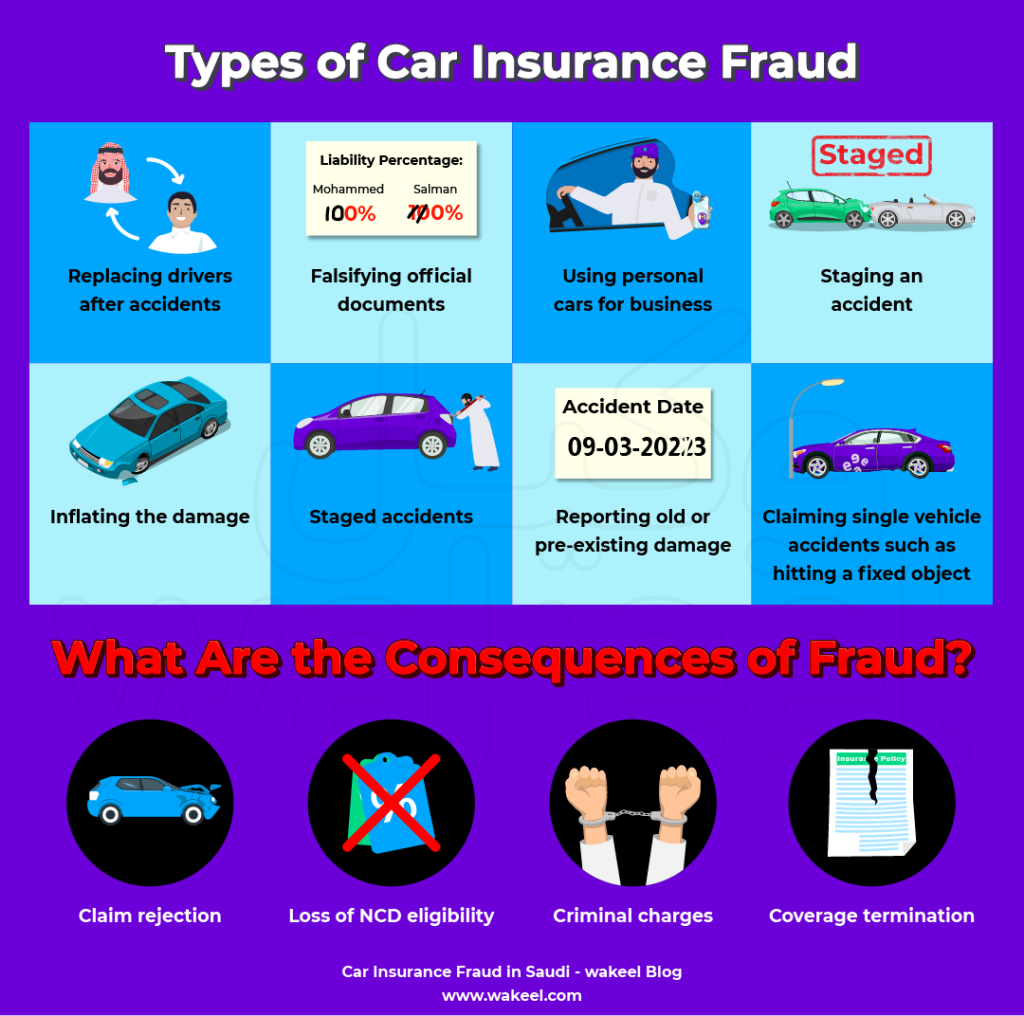
To understand what 120,000 fraudulent or suspicious auto insurance claims actually mean in practice, it is necessary to categorize the types of offenses captured under this umbrella. Insurance fraud is rarely a victimless crime; it spans opportunistic misrepresentations by everyday policyholders to elaborate conspiracies orchestrated by organized rings involving medical professionals, legal facilitators, and towing operators.
In 2018, motor vehicle insurance fraud generally fell into two primary classifications: hard fraud and soft fraud. Hard fraud involves deliberate, premeditated actions designed to manufacture an insurance payout. Examples include staged automobile collisions, phantom vehicle thefts, intentional arson, and slip-and-fall or bodily injury claims where no actual accident or injury occurred. Conversely, soft fraud—often harder to track precisely in bulk figures—involves exaggerating an otherwise legitimate claim, such as inflating the value of stolen personal property inside a wrecked car or tacking pre-existing vehicle damage onto a fresh accident report.
When data analytics firms and insurance bureaus compiled reports reflecting figures near 120,000 incidents, they typically aggregated suspicious claims flagged by specialized screening algorithms. These algorithms looked for red flags such as:
- Policies purchased immediately before an accident.
- Recurrent involvement of the same medical clinics, repair shops, or legal representatives across unrelated claims.
- Inconsistent statements between drivers and passengers regarding the mechanics of a collision.
- Unusually high ratios of soft tissue injury claims relative to the physical damage visible on the involved automobiles.
Common Schemes Driving High-Volume Fraud
During the late 2010s, insurance investigators identified several dominant mechanics driving high volumes of questionable claims. Organized crime rings capitalized on regulatory loopholes, heavy traffic corridors, and delays in police response times to execute complex staging plots.
Staged Accidents and Swoop-and-Squat Maneuvers
The "swoop-and-squat" was among the most hazardous tactics observed on major highways. In this maneuver, two or more conspiring vehicles surround an unsuspecting victim's car. The first vehicle (the swoop) cuts abruptly in front of the target and brakes hard, while the trailing vehicle blocks the victim from changing lanes. The inevitable rear-end collision results in a fraudulent bodily injury claim filed against the victim's insurance carrier, with the conspirators claiming severe neck and back trauma.
Another common variation was the drive-down scam, where a driver signals to another motorist to let them merge, and then accelerates to deliberately cause a side-impact collision when the victim attempts to move forward. These scams accounted for a significant percentage of disputed or suspicious liability claims processed during the 2018 reporting cycle.
Paper Accidents and Phantom Vehicles
Not every fraudulent claim required metal to bend. "Paper accidents" involved fictitious police reports, fabricated driver's licenses, and non-existent vehicles registered purely to generate personal injury protection (PIP) payouts or property damage checks. Corrupt networks would file dozens of claims using stolen identities, funneling payouts through shell companies posing as physical therapy clinics or chiropractic offices.
The Economic and Consumer Impact
The financial fallout of handling tens of thousands of fraudulent claims extends far beyond the bottom line of major insurance carriers. Industry estimates consistently show that insurance fraud costs United States consumers tens of billions of dollars annually, translating to hundreds of dollars in hidden surcharges per average family policy.
| Impact Category | Description | Economic Effect |
|---|---|---|
| Premium Inflation | Higher overall payouts forced insurers to adjust baseline rates upward. | Increased annual costs for compliant, honest drivers. |
| Operational Costs | Expenses related to special investigation units (SIUs), legal defense, and forensic analysis. | Higher overhead leading to tighter underwriting standards. |
| Healthcare Strain | Fraudulent medical billing tied to bogus accident injuries. | Strained medical resources and higher costs for legitimate patients. |
| Judicial Backlogs | Fraud cases clogging court dockets and arbitration panels. | Delayed settlements for genuine, catastrophic injury claims. |
When fraudulent claims proliferate, insurance companies face difficult choices. They must either absorb the losses—which is unsustainable over long periods—or invest heavily in anti-fraud infrastructure, automated scoring systems, and investigative personnel. These operational expenses are inevitably factored into regional risk assessments, raising premiums for drivers living in high-fraud zip codes regardless of their personal driving records.
Evolution of Detection and Investigative Technology
The sheer volume of claims processed annually by major insurers necessitated a massive shift away from manual, paper-based reviews toward advanced technological countermeasures. Around 2018, the industry was actively transitioning into predictive analytics, machine learning, and centralized industry databases to spot anomalies at the point of intake.
Automated Claim Scoring and Red-Flag Engines
Modern claims management software introduced algorithmic scoring models that evaluate incoming loss notices in real time. If a claim scores above a specific threshold of risk indicators, it is automatically routed to a Special Investigation Unit (SIU) rather than moving through fast-track settlement channels. These systems analyze historical patterns across millions of past transactions to identify correlations that human adjusters might miss, such as a specific repair shop address appearing across seemingly unrelated policies from different carriers.
Industry-Wide Data Sharing and Anti-Fraud Databases
To combat cross-carrier fraud—where a criminal syndicate files similar claims across multiple insurance companies simultaneously—organizations expanded their reliance on centralized clearinghouses. Databases operated by entities like the National Insurance Crime Bureau (NICB) allowed insurers to cross-reference vehicle identification numbers (VINs), medical provider tax IDs, and claimant personal data securely. This collaborative defense mechanism made it significantly harder for repeat offenders to cycle through different insurance brands without triggering alerts.
Legislative Frameworks and Legal Enforcement
Detecting fraudulent claims is only the first step; successful deterrence relies heavily on robust statutory frameworks and aggressive prosecution by state and federal law enforcement agencies. Insurance fraud is a felony in most jurisdictions, yet prosecuting high-volume operations historically presented unique challenges for district attorneys.
During this era, state insurance departments frequently maintained dedicated fraud bureaus funded by assessments levied on insurance companies. These bureaus worked in tandem with local police departments and federal agencies, such as the Federal Bureau of Investigation (FBI) and the United States Postal Inspection Service, when mail or wire fraud intersected with motor vehicle scams.
Key legal hurdles addressed during this period included:
- Burden of Proof: Insurers and prosecutors had to prove intent to deceive, distinguishing genuine mistakes or aggressive legal posturing from deliberate criminal enterprise.
- Jurisdictional Boundaries: Fraud rings often operated across multiple city or state lines, requiring coordinated task forces to bundle charges into comprehensive indictments.
- Statutory Penalties: Advocating for mandatory restitution clauses and stiffer prison sentences for ringleaders operating staged accident clinics.
Challenges Faced by Insurers and Policyholders
Despite technological and legal advancements, mitigating the risks associated with large-scale fraud remained an uphill battle for the insurance sector. Balancing the need for rapid, frictionless customer service against rigorous fraud screening created operational friction.
If an insurer implements overly aggressive fraud filters, legitimate claimants may experience frustrating delays in receiving payouts for vehicle repairs or medical treatments. Conversely, relaxed screening guidelines invite opportunistic abuse, driving up loss ratios. Insurers continually refined their models to strike a delicate balance between automated speed and forensic scrutiny.
For average policyholders, protecting oneself against becoming an unwitting participant or victim of a staged accident involves specific defensive habits:
- Maintain Safe Following Distances: Reducing the likelihood of being caught in a sudden swoop-and-squat brake-checking scenario.
- Always Call Law Enforcement: Insist on a formal police report after any collision, no matter how minor, to establish an official, objective record of the scene.
- Document the Scene Thoroughly: Capture photographs of vehicle damage, surrounding road conditions, license plates, and all individuals present at the accident site.
- Beware of Unsolicited Referrals: Exercise caution if unfamiliar tow truck operators or medical clinics appear immediately after an accident and aggressively direct you to specific legal or medical services.
Frequently Asked Questions
What constitutes auto insurance fraud?
Auto insurance fraud encompasses any intentional deception committed against an insurance company to secure an unauthorized financial payout or benefit. This ranges from staging collisions and reporting non-existent vehicle thefts to padding legitimate repair bills or exaggerating physical injuries following an accident.
How do insurance companies detect fraudulent claims?
Insurers utilize advanced predictive analytics, machine learning algorithms, and centralized industry databases to screen incoming claims for anomalies. Red flags such as unusual policy timing, matching medical provider addresses across unrelated claims, and conflicting statements trigger automated reviews by Special Investigation Units.
How does auto insurance fraud affect honest consumers?
Fraudulent claims cost the insurance industry billions of dollars annually. To offset these severe financial losses, insurance carriers adjust their pricing models, resulting in higher insurance premium rates for honest, compliant policyholders across affected geographic regions.
What should I do if I suspect I was targeted in a staged accident?
If you suspect you have been targeted in a staged collision, remain calm, ensure everyone is safe, and immediately contact local law enforcement to file an official police report. Document the scene thoroughly with photographs, avoid admitting fault or discussing liability at the scene, and report your suspicions directly to your insurance adjuster and the National Insurance Crime Bureau.
Are there criminal penalties for committing auto insurance fraud?
Yes. Insurance fraud is classified as a felony offense in most jurisdictions. Convictions can result in severe financial restitution orders, substantial monetary fines, and mandatory prison sentences, particularly for individuals operating organized crime rings or participating in large-scale medical billing schemes.
Conclusion
The analysis of large-scale fraud figures, such as historical estimates surrounding 120,000 suspect filings, underscores the persistent cat-and-mouse dynamic between sophisticated criminal syndicates and the insurance industry. While advanced predictive analytics, cross-carrier databases, and dedicated law enforcement task forces have significantly improved detection and prosecution capabilities, vigilance remains essential. Policyholders who understand the mechanics of common scams, practice defensive driving habits, and promptly report suspicious post-accident behavior play a vital role in curbing the financial and operational tolls exacted by motor vehicle fraud.