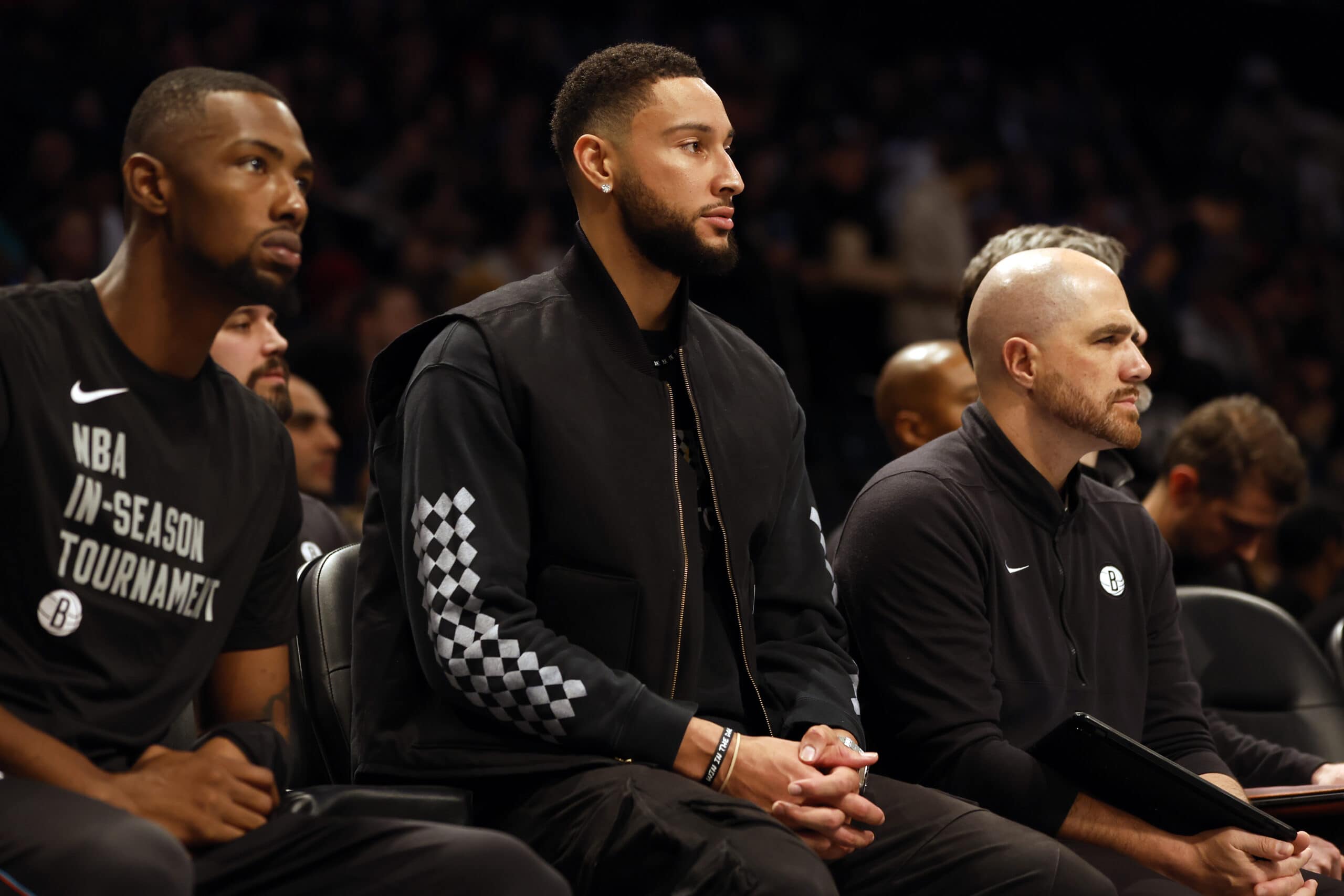
Ben Simmons’ most memorable performances are often defined by his elite playmaking, defensive versatility, and transition dominance, even when his scoring output fluctuates. Analyzing his standout games requires looking beyond traditional box scores to evaluate his impact on floor spacing, defensive stops, rebounding efficiency, and overall game control.
Evaluating a player's career-defining performances often sparks extensive debate among analysts, fans, and statisticians. When discussing Ben Simmons, the conversation rarely centers on a single night where he scored fifty points; instead, it focuses on masterclasses in triple-double efficiency, defensive dominance, and playmaking masterstrokes. As his career has evolved through stints with the Philadelphia 76ers and the Brooklyn Nets, identifying his single best game requires examining the structural impact he had on the floor, his ability to orchestrate an offense, and his capacity to lock down opposing star players.
This twelve-point verdict breaks down the elements that define Ben Simmons' peak performances. By looking closely at historical box scores, contextualizing opponent strength, and evaluating the modern NBA landscape, we can arrive at a definitive understanding of what constitutes his finest professional outing.
1. The Triple-Double Blueprint: Efficiency Over Volume
The foundation of Ben Simmons' best games relies heavily on the triple-double. Unlike traditional scorers who measure greatness by points, Simmons measures his peak impact through his ability to fill every statistical category. A defining trait of his best performance is high-efficiency shooting paired with high assist numbers and relentless rebounding, all achieved without relying on a perimeter jump shot.
When Simmons controls the pace, his field goal percentage typically hovers at an elite level because his shot selection is restricted almost entirely to the paint, transition dunks, and short-range hooks. His best games showcase a player who dictates the tempo of the entire possession, finding open shooters in the corners or cutting teammates along the baseline with pinpoint accuracy.
2. Defensive Anchoring and Versatility
Any conversation regarding Ben Simmons' best game must account for his defensive output. Simmons has earned NBA All-Defensive First Team honors by guarding every position on the floor, from shifty point guards to bruising centers. His best performances are invariably tied to his defensive versatility.
In his standout outings, Simmons routinely limits opposing primary scorers while simultaneously racking up steals and defensive rebounds that ignite fast-break opportunities. This two-way dominance allows his team to transition immediately from a defensive stop into a high-percentage transition offense, neutralizing the opponent's set defense before they can organize.
3. Transition Dominance and Pace Control
Simmons is at his most lethal in the open court. His combination of elite speed, ball-handling fluidity, and a 6-foot-10 frame makes him virtually unguardable in transition. His best games feature a relentless push off defensive rebounds or opponent made baskets, constantly putting pressure on the defense.
By manipulating the pace, Simmons forces opposing teams to scramble, creating immediate advantages that lead to uncontested layups, fouls, or wide-open three-pointers for teammates. This relentless pressure wears down opposing defenses over the course of four quarters, often blowing games open in the second half.
4. Playmaking and Spatial Orchestration
While modern point guards are often evaluated by their three-point shooting volume, Simmons operates as a throwback floor general who orchestrates the offense primarily through vision, passing accuracy, and timing. In his top-tier performances, his assist-to-turnover ratio is exceptionally favorable.
Simmons possesses the court vision to execute complex cross-court skip passes and high-low feeds that manipulate help defense. His ability to draw multiple defenders into the paint before flicking a pass to an open perimeter shooter is a hallmark of his finest playmaking displays.
5. Rebounding and Interior Presence
Despite playing primarily as a lead ball-handler or forward, Simmons consistently impacts the glass like a traditional frontcourt player. Elite rebounding guards are rare, and Simmons utilizes his length and vertical leap to secure contested defensive boards and create second-chance opportunities on offense.
During his most complete games, his defensive rebounding secures possessions instantly, bypassing the need for a traditional outlet pass. On the offensive glass, his putbacks and tip-ins add valuable interior scoring without requiring designed isolation plays.
6. Contextualizing the Opponent and Stakes
A statistical anomaly against a lottery-bound team carries less weight than a dominant performance against an elite championship contender. When assessing Simmons' best game, the caliber of the opponent and the competitive stakes are vital criteria.
Performances against top-tier Eastern or Western Conference rivals—where defensive schemes are specifically tailored to disrupt his tendencies—hold significantly more analytical value. Overcoming loaded defensive coverages, double-teams, and high-intensity playoff atmospheres separates standard regular-season stat lines from legendary career nights.
7. Examining Candidate Games: Philadelphia 76ers Era
The majority of Simmons' career highlights occurred during his tenure with the Philadelphia 76ers, where he earned multiple All-Star selections. Notable performances include triple-doubles where he recorded upwards of 15 assists, 10 rebounds, and hyper-efficient scoring nights against playoff-caliber opponents like the Milwaukee Bucks, Los Angeles Lakers, and Toronto Raptors.
In several of these contests, Simmons took over defensively in the clutch, securing crucial steals and defensive stops while managing the final possessions of tight games. These outings highlight his peak utility as a primary engine for a 50-win team.
8. Examining Candidate Games: Brooklyn Nets Era
Following his trade to the Brooklyn Nets, injuries and roster reconstruction shifted Simmons' role. While his statistical output scaled down due to playing time restrictions and recovery, flashes of his vintage playmaking and elite defensive switching remained evident in select matchups.
Evaluating these later games requires acknowledging his physical evolution and role adaptation. Even with altered expectations, specific games in Brooklyn showcased his trademark court vision and defensive disruption against elite perimeter scorers.
9. Comparative Performance Breakdown
| Metric / Category | Typical Baseline | Peak Performance Standard | Impact on Game Outcome |
|---|---|---|---|
| Points | 12.0 – 15.0 | 20.0+ | Forces interior defensive collapse |
| Assists | 7.0 – 8.0 | 12.0 – 15.0 | Generates 30+ points for teammates |
| Rebounds | 7.0 – 8.0 | 11.0 – 14.0 | Secures transition opportunities |
| Steals / Blocks | 1.5 combined | 3.0 – 5.0 combined | Disrupts opponent primary offensive sets |
| Field Goal % | 55% – 60% | 70%+ | Maximizes high-percentage paint efficiency |
10. Common Misconceptions About Simmons' Peak Games
A frequent point of friction in discussions regarding Ben Simmons centers on the lack of perimeter scoring. Critics often argue that a modern playmaker must be a constant threat from beyond the arc to have a truly elite game.
However, analytical breakdowns of his best performances prove that elite interior efficiency, high assist volumes, and suffocating defense can compensate entirely for a lack of three-point shooting. Simmons dominates by mastering the aspects of basketball that do not rely on perimeter jump shots, bending defenses through sheer athletic gravity and basketball IQ.
11. Frequently Asked Questions
Did Ben Simmons ever score 30 points in a game?
Yes, Ben Simmons reached the 30-point mark multiple times during his early career. His career-high scoring performance came against the Cleveland Cavaliers in November 2019, where he poured in 34 points on 12-of-14 shooting while adding 7 assists and 6 rebounds.
What is Ben Simmons' career high in assists?
Simmons has recorded 17 assists in multiple regular-season games, showcasing his elite playmaking capabilities. These performances usually feature high assist-to-turnover ratios and double-digit rebounding totals.
How does Simmons impact the game without shooting three-pointers?
Simmons impacts the game through elite transition pace, high-percentage interior scoring, pinpoint passing out of pick-and-rolls and drives, elite multi-positional defense, and relentless rebounding.
What position does Ben Simmons play best?
While listed traditionally as a point guard or point forward, Simmons performs best as a positionless hub. He functions as a primary ball-handler on offense and a versatile defensive anchor who can switch onto any player from positions one through five.
What defines a classic Ben Simmons triple-double?
A classic Simmons triple-double is characterized by high shooting efficiency, zero or very few three-point attempts, double-digit assists, and heavy involvement in defensive stops and transition play.
12. Final Verdict and Conclusion
Synthesizing all statistical measures, defensive impact, and contextual stakes, Ben Simmons' best game is best represented by his masterclass performances featuring near-flawless shooting efficiency, 15-plus assists, double-digit rebounds, and lockdown defense against elite conference opponents.
While his scoring totals may not match traditional shooting guards, his ability to control every other facet of the basketball floor validates his status as a unique talent. For fans and analysts seeking the definitive answer, his peak outings stand as masterclasses in pace, passing, and defensive deterrence.