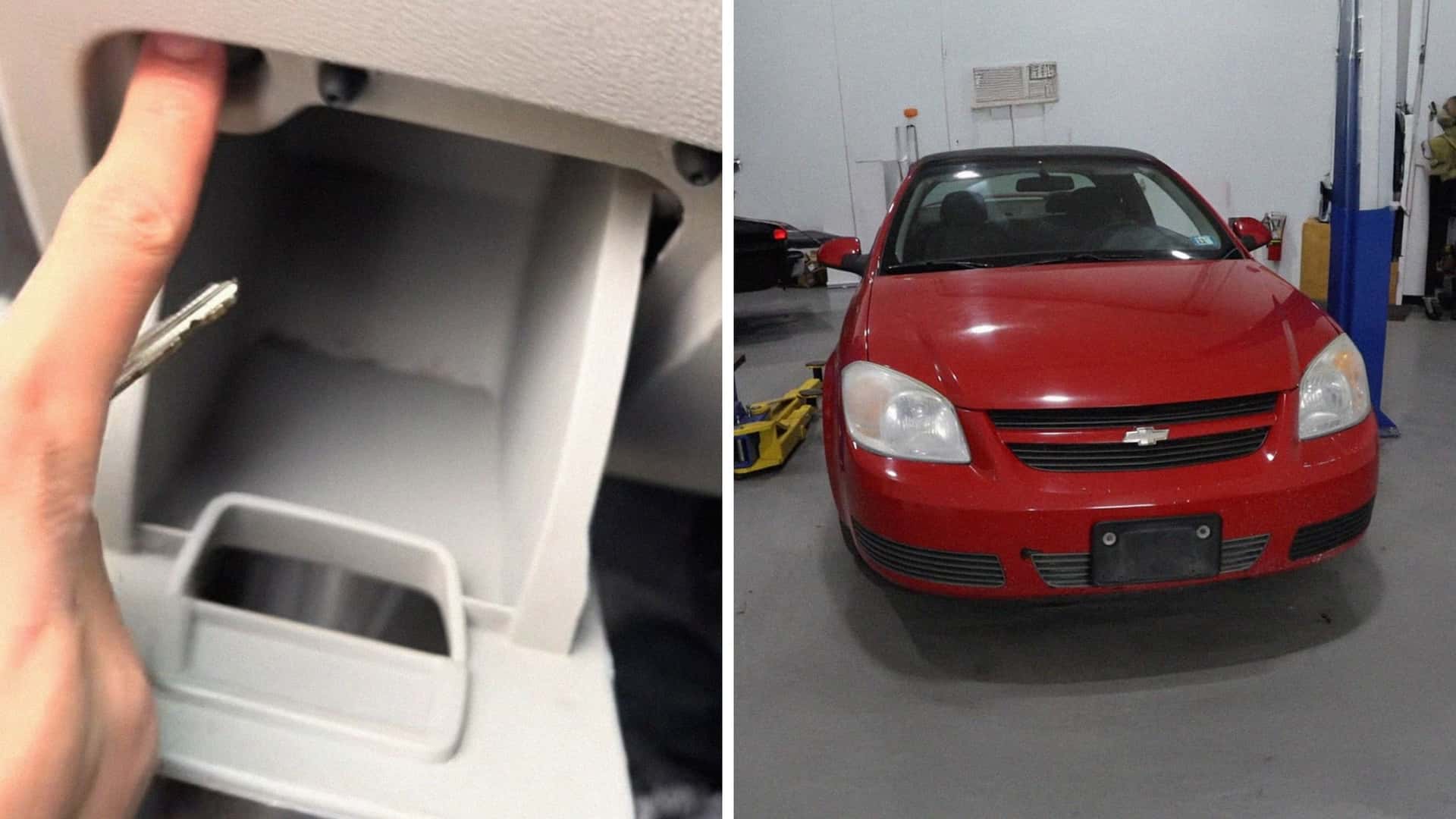
The battery in a 2007 Chevrolet Cobalt is located in the trunk, situated underneath the floor carpet inside the spare tire well. It is positioned on the passenger side, adjacent to the spare tire. To access it, you must remove the trunk mat and the rigid spare tire cover.
Finding the battery in a 2007 Chevy Cobalt often catches owners by surprise, especially if they are accustomed to traditional engine-compartment layouts. Unlike the majority of compact cars from the mid-2000s, General Motors (GM) engineered the Cobalt on the Delta platform, which necessitated moving the battery to the rear of the vehicle. This design choice serves several technical purposes, ranging from weight distribution to thermal management.
Understanding the Rear-Mounted Battery Configuration
The decision to place the battery in the trunk of the 2007 Chevy Cobalt was not arbitrary. In front-wheel-drive compact cars, the front end is often heavy due to the engine, transmission, and transaxle being concentrated over the front wheels. By moving the battery—which typically weighs between 30 and 40 pounds—to the trunk, engineers achieved a more balanced center of gravity. This improves handling characteristics and reduces "nose-heaviness" during braking.
Furthermore, the engine bay of the Cobalt is relatively cramped, especially in the 2.2L Ecotec and the 2.0L Supercharged (SS model) configurations. Moving the battery out of the engine compartment frees up space for essential cooling components and intake plumbing. More importantly, it shields the battery from the extreme heat cycles of the engine. Heat is the primary enemy of lead-acid battery longevity; by housing the battery in the cooler environment of the trunk, GM theoretically extended the service life of the original equipment.
Accessing the Battery: Step-by-Step
Accessing the battery is a straightforward process, though it requires clearing out the trunk space first. As of 2026, many 2007 Cobalts have undergone various interior modifications or may have accumulated cargo that complicates access.
- Clear the Trunk: Ensure the trunk is empty of groceries, tools, or emergency kits.
- Remove the Floor Mat: Lift the carpeted floor mat. In some trim levels, this is a loose carpet piece; in others, it may be held down by plastic clips near the rear seats.
- Lift the Spare Tire Cover: Beneath the carpet is a rigid board (usually made of pressed wood or heavy plastic) that covers the spare tire well. Lift this board and remove it from the vehicle to provide a clear workspace.
- Identify the Battery: Look to the right-hand side (passenger side) of the spare tire. You will see a black plastic or metal hold-down strap securing the battery into a recessed tray.
Why the Trunk Battery Requires a Vent Tube
One of the most critical technical aspects of the 2007 Chevy Cobalt battery location is the ventilation system. Standard lead-acid batteries release small amounts of hydrogen gas during the charging process. When a battery is located under the hood, this gas dissipates into the atmosphere harmlessly.
However, because the Cobalt’s battery is in an enclosed trunk, these gases can accumulate, creating a potential explosion hazard or causing corrosion to the interior metal of the trunk. To prevent this, the Cobalt uses a specialized battery equipped with a vent port. A small plastic tube connects to this port and runs through a grommet in the floor of the trunk, venting the gases safely outside the vehicle.
Warning: When replacing the battery, you must ensure the new unit has a vent port and that the vent tube is properly reconnected. Failure to do so can lead to dangerous gas buildup within the cabin and trunk area.
How to Jump-Start a 2007 Chevy Cobalt
Because the battery is tucked away in the trunk, GM provided remote jump-start terminals under the hood to make the process easier and safer. You should always use these terminals rather than connecting jumper cables directly to the battery in the trunk. Connecting cables directly to a battery can create a spark; in the enclosed space of a trunk where hydrogen gas might be present, this is a significant safety risk.
Locating the Under-Hood Terminals
- Positive (+) Terminal: Look for a red plastic cap located near the driver’s side fuse box (under the hood). Flipping this cap up reveals a heavy-gauge metal post. This is your positive connection point.
- Negative (-) Terminal: The negative connection is typically a grounding post or an unpainted bolt on the engine block or the strut tower. GM recommends using the designated grounding stud located on the driver’s side, near the front of the engine compartment.
The Jump-Starting Sequence
- Connect the red (positive) cable to the dead Cobalt’s positive terminal (under the red cap).
- Connect the other end of the red cable to the booster vehicle’s positive terminal.
- Connect the black (negative) cable to the booster vehicle’s negative terminal.
- Connect the other end of the black cable to the Cobalt’s designated grounding post.
- Start the booster vehicle, wait a few minutes, and then start the Cobalt.
Battery Specifications and Replacement Requirements
When shopping for a replacement battery for a 2007 Chevy Cobalt in 2026, it is vital to select the correct "Group Size." Using the wrong size may prevent the hold-down bracket from securing the battery, leading to vibration damage or electrical shorts.
| Specification | Requirement | Note |
|---|---|---|
| BCI Group Size | 47 (H5) or 90 (T5) | Check your specific trim (LS, LT, or SS). |
| Cold Cranking Amps (CCA) | 600+ | Higher CCA is better for colder climates. |
| Terminal Type | Top Post | Standard lead-acid automotive terminals. |
| Venting | Required | Must have a side-vent port for the tube. |
| Voltage | 12 Volts | Standard automotive DC system. |
Tools Needed for Replacement
Replacing the battery in a Cobalt is a simple DIY task that requires only a few basic tools:
- 10mm Wrench or Socket: Most Cobalt battery terminals use a 10mm nut.
- 13mm Socket with Extension: The battery hold-down bolt at the base of the battery usually requires a 13mm socket.
- Safety Glasses and Gloves: Essential when handling lead-acid batteries to protect against acid leaks.
Common Issues Related to the Cobalt Battery Location
Corrosion in the Trunk
Because the battery is in the trunk, any acid leaks or "off-gassing" from a failed vent tube can cause the metal in the spare tire well to rust. It is a good practice to inspect the area around the battery every six months. If you see white, powdery residue (corrosion), clean it with a mixture of baking soda and water to neutralize the acid.
Disconnected Vent Tubes
Vibrations over time or shifting cargo in the trunk can sometimes knock the vent tube loose from the battery. If you smell a "rotten egg" odor (sulfur) inside the car, it is a strong indicator that the battery is overcharging or the vent tube has become disconnected.
Parasitic Draw and Battery Rundown
The 2007 Cobalt features a "Battery Rundown Protection" system. This system is designed to turn off interior lights after a certain period to prevent a dead battery. However, as these vehicles age into 2026, the Body Control Module (BCM) or aftermarket accessories (like dash cams or upgraded stereos) may develop faults that bypass this protection, leading to a drained battery if the car sits for more than a few days.
Technical Maintenance Tips for 2026 Owners
Maintaining a vehicle that is nearly two decades old requires attention to detail. For the 2007 Cobalt, the electrical system's health starts with the battery connections.
- Check Terminal Tightness: Due to the battery being in the rear, it is subject to different vibration patterns than an engine-mounted battery. Ensure the 10mm nuts on the terminals are snug; you should not be able to twist the terminals by hand.
- Verify the Hold-Down: A loose battery can crack its own internal plates or rub against the spare tire. Ensure the 13mm hold-down bolt is tight.
- Inspect the Grommet: The rubber grommet where the vent tube exits the trunk floor can dry out and crack. If water is entering your spare tire well, this grommet is a likely culprit. Replace it or seal it with automotive-grade silicone to prevent moisture from causing rust.
- Terminal Protection: Apply a thin layer of dielectric grease or terminal protector spray to the posts. This is especially important in the trunk, where moisture from wet umbrellas or groceries can settle and accelerate oxidation.
Frequently Asked Questions
Can I install a battery without a vent hole in my Cobalt?
No. Installing a non-vented battery in the 2007 Chevy Cobalt is dangerous. Because the battery is in an enclosed space (the trunk), any hydrogen gas produced during normal operation will have nowhere to go. This creates a risk of fire or explosion and can lead to toxic fumes entering the passenger cabin. Always purchase a battery specifically designed for interior/trunk mounting.
Why does my Cobalt have a battery in the trunk but terminals under the hood?
This design provides the best of both worlds. The trunk location improves weight distribution and protects the battery from engine heat. The under-hood terminals are provided for convenience, allowing you to jump-start the vehicle or connect a battery charger without having to empty the trunk to reach the physical battery.
Does the 2007 Chevy Cobalt SS have the battery in the same spot?
Yes. All trim levels of the 2007 Chevrolet Cobalt—including the LS, LT, and the performance-oriented SS (Supercharged)—place the battery in the trunk's spare tire well. The SS model, in particular, benefits from the rear placement as it helps balance the additional weight of the supercharger and cooling components at the front.
What happens if I lose the vent tube elbow?
If you lose the small plastic elbow that connects the battery to the tube, you should buy a replacement immediately. These are often available at auto parts stores as part of a "battery vent kit." Do not operate the vehicle for extended periods without the vent system fully intact.
Is it okay to upgrade to an AGM battery?
Yes, an Absorbent Glass Mat (AGM) battery is an excellent upgrade for a 2007 Cobalt. AGM batteries are "recombinant," meaning they generally do not gass under normal conditions and are more resistant to vibration. However, even with an AGM battery, most manufacturers still provide a vent port for safety in extreme overcharge scenarios. You should still connect the vent tube to an AGM battery if a port is available.
Final Recommendation
If you are looking for the battery in your 2007 Chevy Cobalt, head straight to the trunk. Remember that while the physical battery is in the rear, your primary points for jump-starting and testing are located under the hood near the driver-side fuse box. Always prioritize safety by ensuring the vent tube is connected and the battery is properly secured. For those performing a replacement in 2026, double-check that your new battery meets the Group 47 or 90 size requirements and includes the necessary venting port to keep your vehicle's interior safe from hazardous gases.
For further technical specifications, you can refer to the official Chevrolet Owner Center or consult safety guidelines provided by the National Highway Traffic Safety Administration (NHTSA).