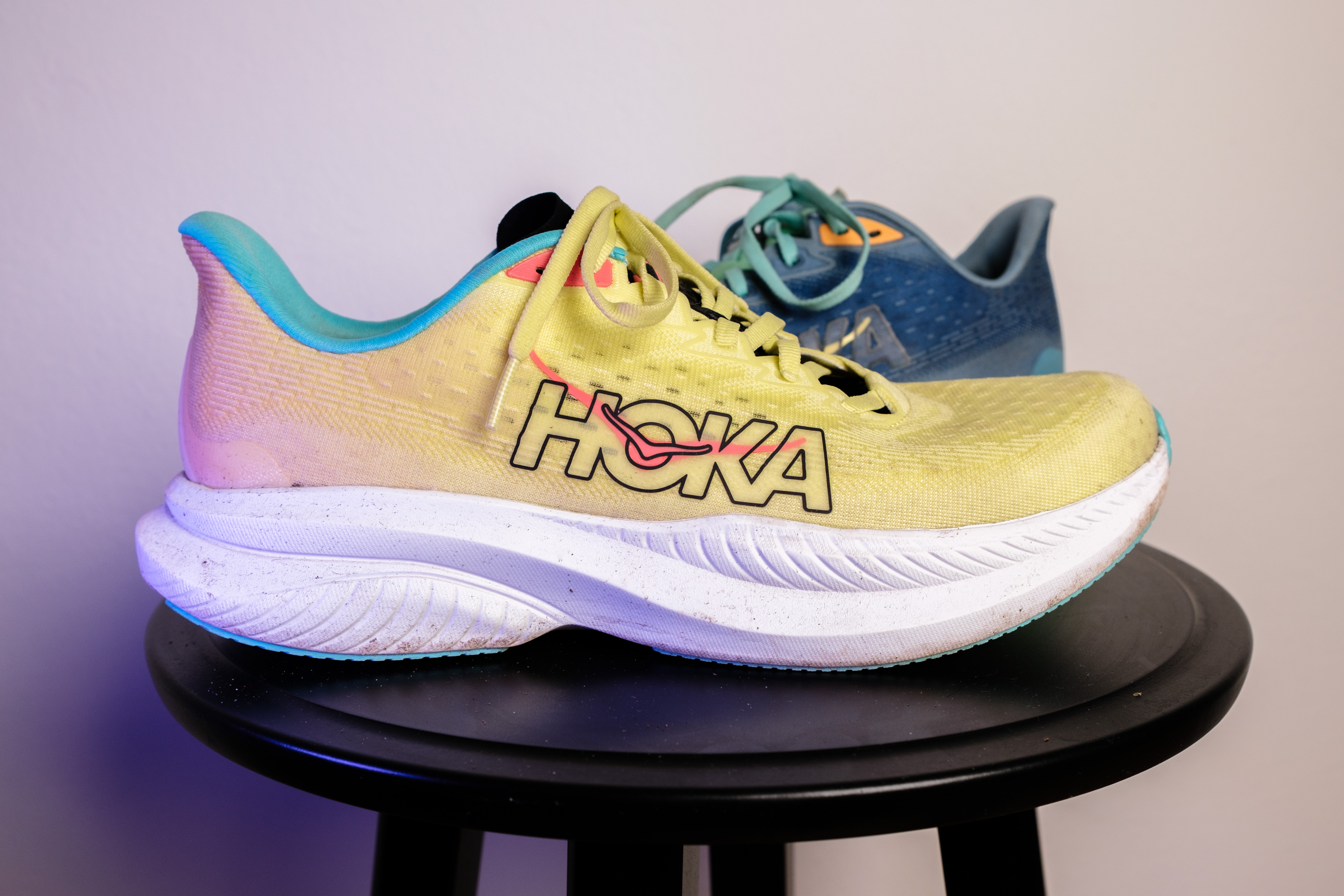
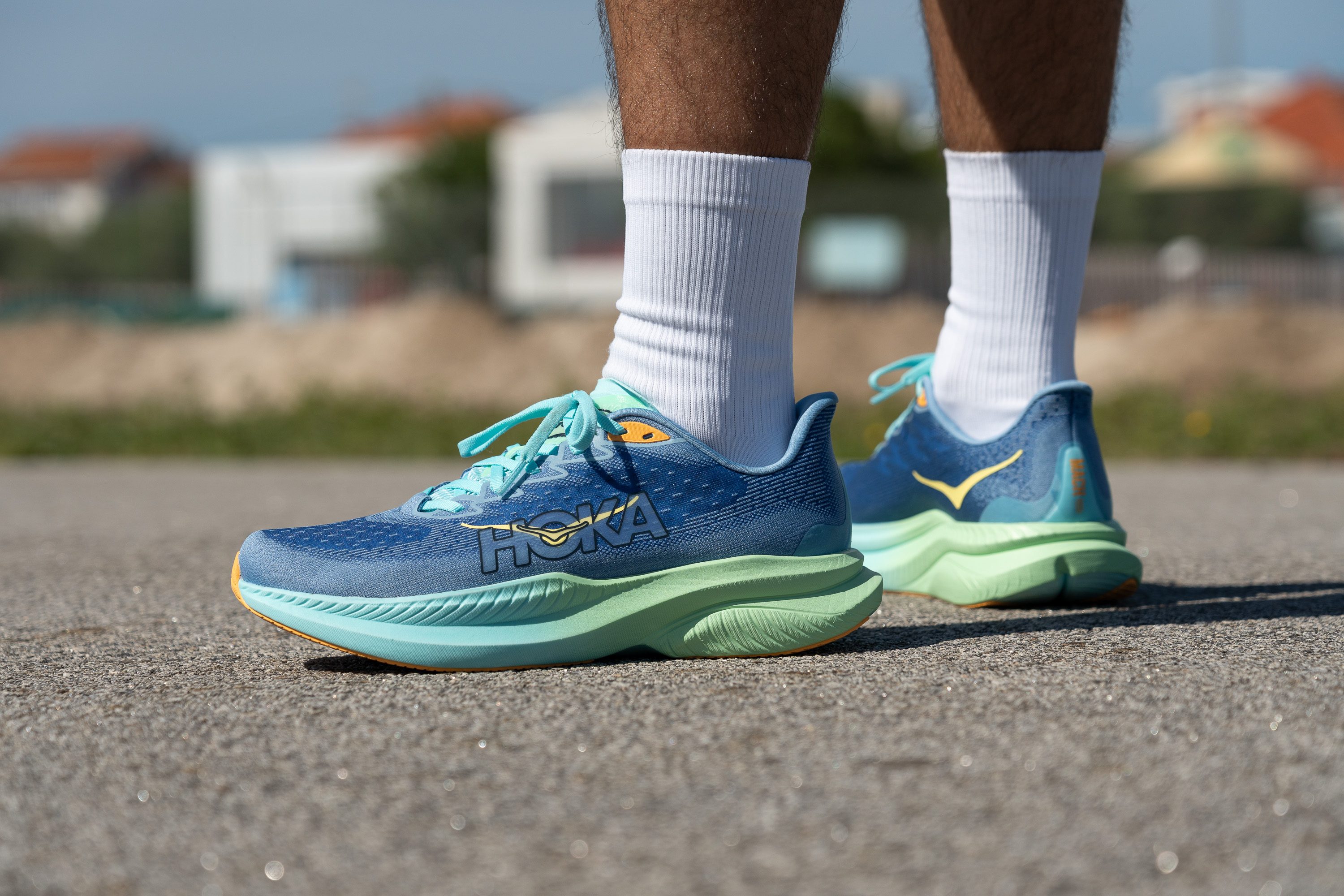
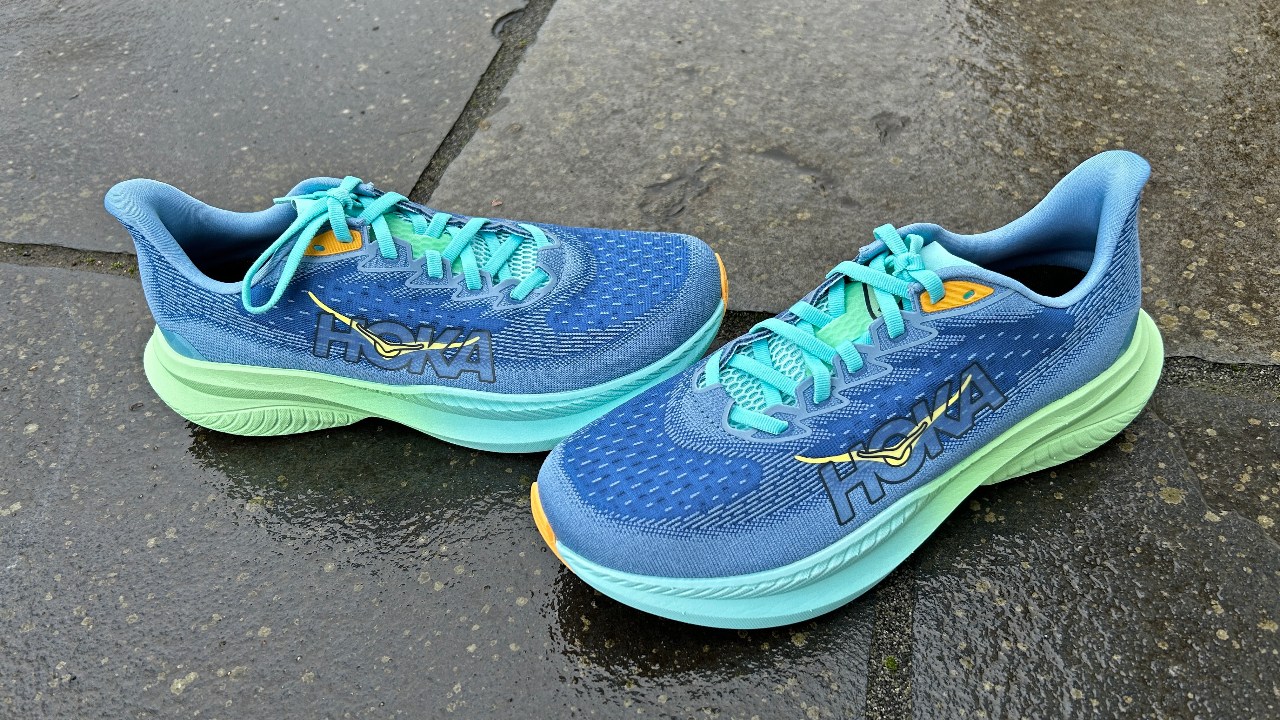
The Hoka Mach 6 represents a significant evolution in Hoka’s lightweight performance lineup, moving toward a more durable construction while maintaining the signature energetic ride runners expect. By replacing the previous foam compound with a supercritical EVA midsole and adding a strategic rubberized outsole, the Mach 6 positions itself as a versatile, responsive trainer capable of handling everything from speed work to high-mileage recovery runs.
Understanding the Hoka Mach 6 Philosophy
When Hoka first introduced the Mach series, it was defined by its simplicity: a lightweight, responsive foam paired with a stripped-back upper. Over the years, the challenge for Hoka was balancing that sought-after low weight with the inevitable breakdown of exposed foam outsoles. The Mach 6 addresses this by introducing a rubberized EVA outsole, which drastically increases the shoe’s lifecycle without adding the significant bulk found in traditional road trainers.
For the runner in 2026, the Mach 6 serves as a "Goldilocks" option. It is not as aggressively rockered or stiff as the carbon-plated Rocket X series, nor is it as maximalist or heavy as the Bondi. It occupies the space of a high-performance daily trainer that rewards a faster cadence but remains forgiving enough for long, steady efforts.
Technical Specifications and Construction
The core of the Mach 6 experience lies in the midsole composition. Hoka utilizes a supercritical EVA foam, a process where the foam is infused with gas to create a more uniform cell structure. This results in a material that is lighter than traditional EVA while offering significantly higher energy return.
- Upper Construction: A creel jacquard mesh provides targeted zones of breathability and support. Unlike previous versions that felt somewhat loose in the midfoot, the Mach 6 features an internal gusseted tongue that locks the foot securely, preventing lateral slippage during cornering.
- Midsole: The single-density supercritical EVA is tuned for a balance of softness and pop. It avoids the "mushy" feeling of some high-cushion shoes, instead offering a crisp, snappy transition from midfoot to toe-off.
- Outsole: The primary upgrade is the inclusion of strategically placed rubberized EVA. In previous iterations, the outsole was entirely exposed foam, leading to rapid wear in the forefoot and heel strike zones. The Mach 6 adds a layer of reinforced rubber, significantly extending the shoe's mileage limit before the compression set becomes noticeable.
Performance on the Road: What to Expect
In practice, the Mach 6 feels exceptionally light on the foot. The heel-to-toe drop is 5mm, which encourages a midfoot strike. When moving at a steady, aerobic pace, the shoe feels unobtrusive; you aren't fighting the weight of the platform. When you increase the intensity, the supercritical foam begins to work in tandem with the early-stage Meta-Rocker geometry.
The rocker shape is subtle but effective. It creates a smooth rolling sensation that helps move the runner through the gait cycle. Unlike some shoes that force a specific landing pattern, the Mach 6 accommodates a wide variety of running styles, making it an excellent choice for runners who vary their pace throughout the week.
Durability Considerations
The transition to a rubberized outsole has answered the most common critique of the Mach line. While earlier versions were often retired after 250–300 miles due to outsole degradation, the Mach 6 is showing consistent performance through the 400-mile mark. It is important to note that while the rubber extends the life of the outsole, the midsole foam will eventually lose its "pop." Users should expect a change in the ride quality between 350 and 450 miles, depending on surface terrain and the runner's body weight.
Comparative Analysis: Positioning the Mach 6
To understand where the Mach 6 fits in your rotation, it is helpful to look at it relative to other industry standards. Many runners find themselves choosing between the Mach and other "speed-day" trainers.
| Feature | Hoka Mach 6 | Competition A (Daily Trainer) | Competition B (Speed Shoe) |
|---|---|---|---|
| Weight | Very Low | Moderate | Low |
| Cushioning | Medium-Soft | Balanced | Firm/Responsive |
| Outsole | Rubberized EVA | Full Rubber | Minimal Rubber |
| Best For | Tempo & Daily | Daily Easy Miles | Track & Intervals |
| Stability | Neutral | Moderate | Low/Neutral |
As seen in the table, the Mach 6 bridges the gap. It is lighter than the typical daily trainer (Competition A) but more comfortable and durable than the minimalist speed shoes (Competition B) that lack sufficient rubber for training consistency.
Finding the Right Fit and Sizing
Hoka footwear often follows a standard fit, but the Mach 6 has a slightly more accommodating toebox than the Mach 4 or 5. The upper material is pliable, which helps if you have slightly wider forefeet, though it does not qualify as a wide-width shoe in its standard form.
- Length: The sizing is true to industry standards. If you wear a US Men’s 10 in other major performance brands, you should stick to that size here.
- Lockdown: Use the extra eyelet at the top of the lace line if you experience any heel slippage. The gusseted tongue is designed to stay centered, so you should not feel the need to overtighten the laces.
- Arch Support: The Mach 6 is a neutral shoe. If you require aggressive medial posting for severe overpronation, this shoe may not provide the necessary mechanical support without an aftermarket insole.
Common Mistakes and How to Avoid Them
One common error users make with the Mach 6 is trying to use it as a substitute for a dedicated racing shoe or a heavy-duty stability trainer. While the Mach 6 is capable, it does not contain a carbon plate or stiffened inserts. If you are training for a marathon and doing 20-mile long runs, you may find that the Mach 6 lacks the "bottomless" cushion required to save your legs on those specific long efforts.
Conversely, do not be afraid to use these for easy runs. The common misconception that a "fast" shoe must only be used for speed work is incorrect. Because the Mach 6 is lightweight, it reduces the workload on the stabilizing muscles in your lower leg, which can actually be beneficial during recovery efforts.
Maintenance and Care
To ensure the maximum lifespan of the Mach 6:
- Rotate your shoes: Do not run in the same pair two days in a row. This allows the foam to recover its shape and the moisture from sweat to evaporate, preventing premature breakdown of the glues and materials.
- Clean correctly: Use a soft brush and mild soap to remove debris from the outsole. Avoid machine washing or drying, as the high heat can damage the bonding agents in the midsole and cause the foam to harden.
- Surface Selection: While the rubberized EVA is durable, it is still essentially a road shoe. Running on technical trails or sharp gravel will cause unnecessary gouging of the outsole material and potentially tear the lightweight mesh upper.
Frequently Asked Questions
Is the Hoka Mach 6 suitable for marathon racing? The Mach 6 is an excellent choice for a marathon if you prefer a traditional, ground-feeling ride. However, it lacks the carbon-fiber plate found in "super shoes" like the Hoka Rocket X 2. If your goal is a personal best and you rely on the extra energy return of a plate, you may find the Mach 6 slightly lacking in the final miles.
Does the Mach 6 provide enough support for overpronators? The Mach 6 is built on a neutral platform. It has a inherently stable base due to the width of the midsole, but it does not have structural features like medial posts or guide rails. If you have significant overpronation, consult with a professional at a running store to see if your gait requires a stability-specific model.
How does the Mach 6 differ from the Mach 5? The primary differences are the addition of the rubberized outsole for improved durability and an updated, more secure mesh upper. The midsole foam has also been tuned to be slightly more responsive, making it feel less "squishy" and more energetic underfoot.
Can I use the Mach 6 for gym workouts? While it is not a dedicated lifting shoe, the Mach 6 has a low enough stack height and a stable enough platform to handle light gym work. However, its rocker geometry is optimized for forward motion, so it may feel slightly unstable during lateral movements or heavy squats.
Is it necessary to wear in the Hoka Mach 6? The shoe feels excellent right out of the box. The foam does not require a "break-in" period in the traditional sense, but the upper material may take 10 to 15 miles to fully conform to the shape of your foot.
Final Recommendation
The Hoka Mach 6 is an ideal selection for the runner who wants one versatile shoe that can do almost everything. It is light enough for interval training, responsive enough for tempo work, and sufficiently durable for daily mileage. If your goal is to simplify your rotation without sacrificing performance, the Mach 6 is one of the most balanced options currently on the market in 2026. For the best experience, pair it with a dedicated long-distance shoe for your longest weekend runs to preserve the Mach 6’s responsiveness for your speedier sessions.