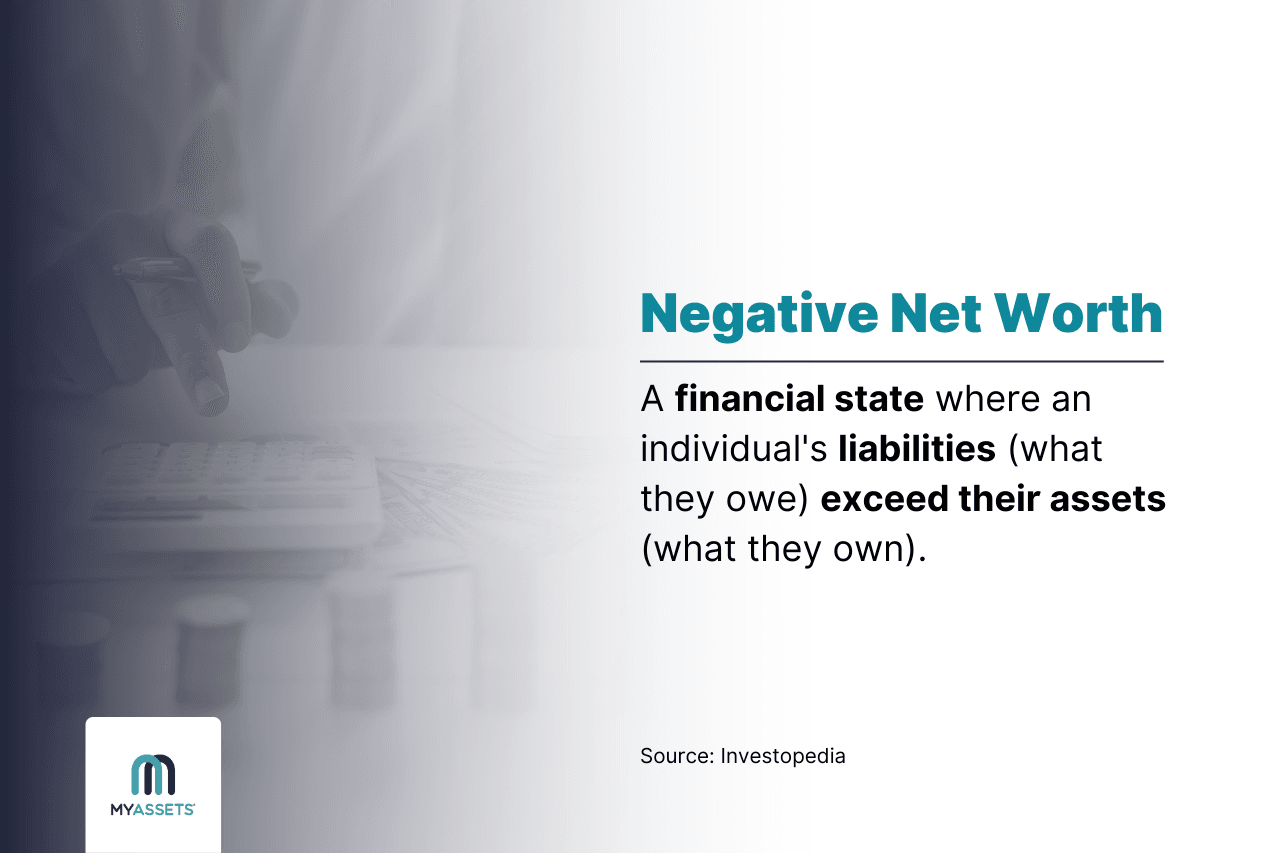
The "1 in 5" statistic refers to the approximately 20% of households that hold a zero or negative net worth, meaning their total liabilities equal or exceed the fair market value of their assets. This financial state, often called being "underwater," indicates a lack of a financial cushion and high susceptibility to economic shocks.
Net worth is the most fundamental metric of personal financial health. While income represents the flow of money into a household, net worth represents the "stock" of wealth accumulated over time. When we discuss the "1 in 5" phenomenon, we are examining a significant segment of the population that effectively has no equity in their lives. In 2026, as the cost of living and debt structures continue to evolve, understanding the mechanics of negative net worth is essential for navigating modern personal finance.
Defining Net Worth and the "1 in 5" Metric
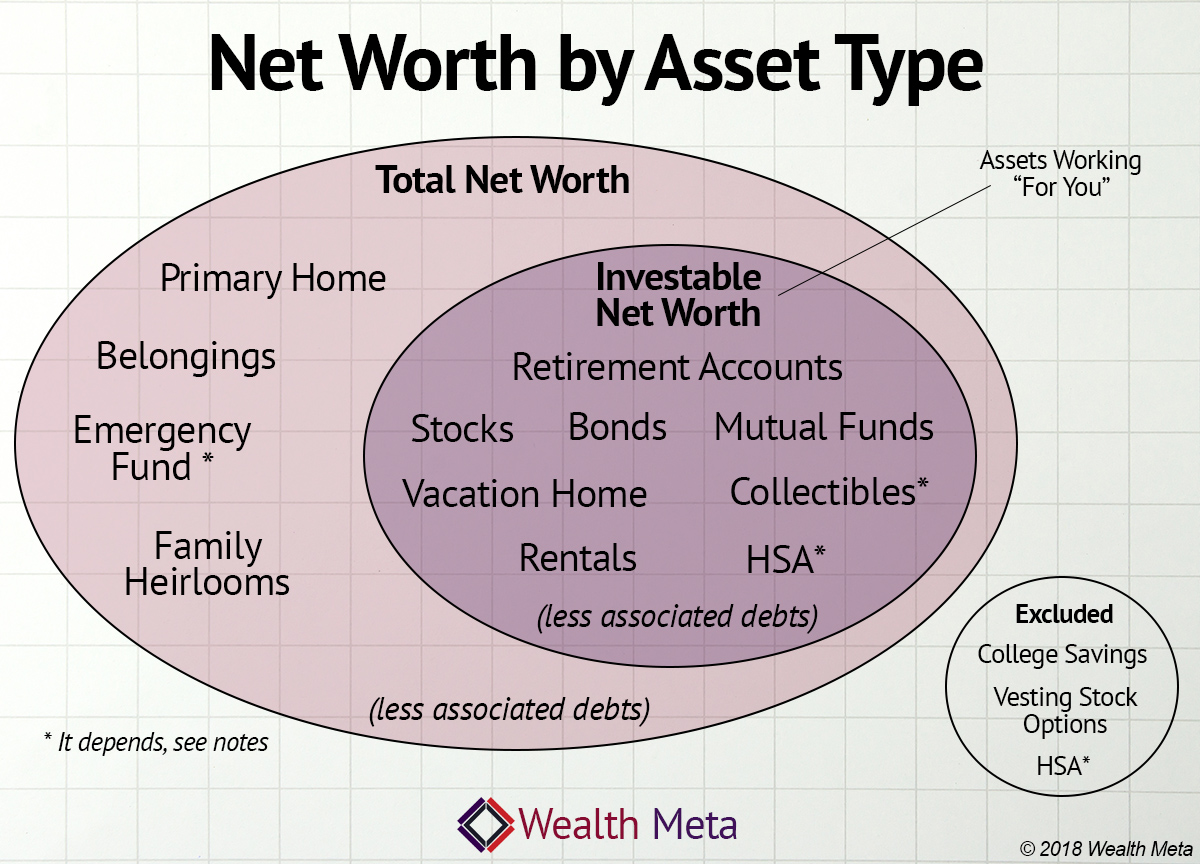
To understand why 20% of households find themselves in this position, one must first master the basic equation of net worth: Total Assets - Total Liabilities = Net Worth.
The Anatomy of Assets
Assets are everything you own that has monetary value. For the average household, this includes:
- Liquid Assets: Cash in checking and savings accounts, certificates of deposit (CDs), and money market accounts.
- Investments: Stocks, bonds, mutual funds, and retirement accounts like 401(k)s or IRAs.
- Real Estate: The current market value of a primary residence or investment properties.
- Personal Property: Vehicles, jewelry, and high-value equipment (though these often depreciate).
The Weight of Liabilities
Liabilities are the total sum of your debts. These include:
- Secured Debt: Mortgages, auto loans, and any debt backed by collateral.
- Unsecured Debt: Credit card balances, student loans, personal loans, and medical bills.
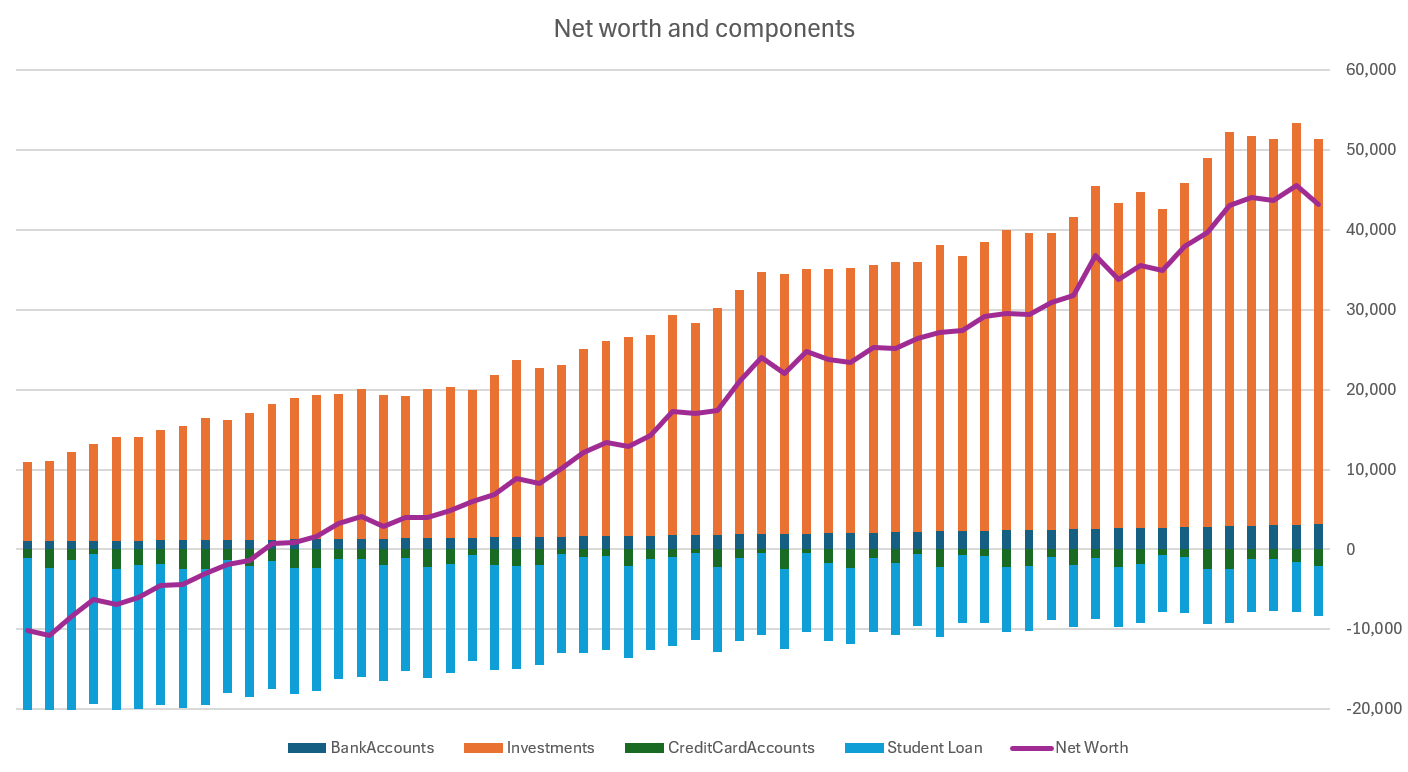
A zero net worth occurs when your assets and liabilities are perfectly balanced (e.g., you own $10,000 in assets but owe exactly $10,000). A negative net worth occurs when your debts exceed your assets. For example, a recent graduate with $50,000 in student loans and only $5,000 in a savings account has a net worth of -$45,000.
Why 1 in 5 Households Face This Reality
The "1 in 5" figure has remained a stubborn benchmark in economic reports from organizations like the Federal Reserve and the Institute for Policy Studies. Several systemic and individual factors contribute to this persistent trend in 2026.
The Student Debt Burden
Student loans are the primary driver of negative net worth for younger generations. Unlike a mortgage, which is tied to a physical asset (a house) that usually appreciates, student debt is tied to "human capital." While an education increases earning potential (income), the debt itself sits on the liability side of the balance sheet without a corresponding physical asset to offset it. This often keeps young professionals in the negative for the first decade of their careers.
The Rise of Consumer Credit Dependency
In a high-inflation environment, many households rely on credit cards to bridge the gap between stagnant wages and rising costs for essentials. When high-interest revolving debt is used for consumption (food, utilities, gas) rather than investment, it creates a "wealth drain." The interest rates on credit cards in 2026 often exceed 20%, making it mathematically difficult for assets to grow faster than the debt accumulates.
Lack of Homeownership
Historically, home equity has been the largest component of net worth for the middle class. Households that rent are effectively paying for an expense without building an asset. As housing prices have remained elevated through 2026, the barrier to entry for homeownership has prevented many from moving from zero to positive net worth.
The Difference Between High Income and High Net Worth
A common misconception is that a high salary prevents a negative net worth. This is not always the case. Financial professionals often use the acronym HENRY (High Earner, Not Rich Yet) to describe individuals with significant salaries who have negative net worths due to:
- High Debt-to-Income Ratios: Large payments on professional school loans or luxury car leases.
- Lifestyle Creep: Increasing expenses at the same rate as income growth, preventing the accumulation of assets.
- Low Savings Rates: Prioritizing immediate consumption over retirement contributions or emergency funds.
Conversely, an individual with a modest income but zero debt and a small savings account has a higher net worth than a surgeon with $500,000 in debt and $400,000 in assets.
Comparative Net Worth Profiles
The following table illustrates how different financial profiles result in zero or negative net worth status.
| Profile Type | Primary Assets | Primary Liabilities | Net Worth Status | Common Trait |
|---|---|---|---|---|
| New Professional | $5,000 (Savings) | $60,000 (Student Loans) | Negative (-$55,000) | High earning potential, low equity. |
| Asset-Poor Renter | $2,000 (Checking) | $12,000 (Credit Cards) | Negative (-$10,000) | Vulnerable to emergencies. |
| The "Balanced" Starter | $1,500 (Cash) | $1,500 (Small Loan) | Zero | Just starting financial journey. |
| Underwater Homeowner | $300,000 (Home Value) | $320,000 (Mortgage + CC) | Negative (-$20,000) | Assets exist, but debt exceeds value. |
| Debt-Free Minimalist | $500 (Savings) | $0 | Positive (+$500) | Low income, but technically "wealthier." |
The "Underwater" Trap: Psychological and Economic Impacts
Living with a negative net worth is not merely a mathematical issue; it has profound real-world consequences.
Financial Fragility
Households in the "1 in 5" category often lack an emergency fund. According to the Consumer Financial Protection Bureau (CFPB), households with zero or negative net worth are significantly more likely to utilize high-cost "payday loans" or alternative financial services when faced with an unexpected expense, such as a car repair or medical bill. This creates a cycle where new, high-interest debt is added to an already negative balance sheet.
Reduced Mobility
Negative net worth can limit geographical and professional mobility. If a person is "underwater" on a car loan or a mortgage, they may not be able to sell the asset to move for a better job opportunity without bringing cash to the closing table—cash they typically do not have.
Long-term Retirement Risk
The most significant danger of a persistent zero net worth is the loss of compound interest. Every year spent in the negative is a year where the individual is not contributing to appreciating assets. By the time many households reach a positive net worth, they have missed decades of market growth, making it difficult to catch up for retirement.
Strategies to Move from Negative to Positive
Exiting the "1 in 5" demographic requires a tactical approach to the balance sheet. In 2026, financial advisors generally recommend a three-pronged strategy.
1. The Debt Avalanche or Snowball
To fix a negative net worth, you must aggressively reduce the liability side of the equation.
- Debt Avalanche: Pay off the debt with the highest interest rate first. This is the most mathematically efficient method.
- Debt Snowball: Pay off the smallest balances first to gain psychological momentum.
2. Shifting from Consumption to Accumulation
Every dollar spent on a depreciating asset (like clothing or electronics) or a service (like dining out) is a dollar that cannot be used to build an asset. In 2026, automated savings tools and "round-up" apps have become standard for helping those with zero net worth start their first investment accounts with small amounts of capital.
3. Improving Asset Quality
Not all assets are created equal. To improve net worth, focus on appreciating assets—those that increase in value over time (stocks, real estate, retirement accounts)—rather than depreciating assets (cars, gadgets). While a car is a necessary tool for most, it should be viewed as an expense to be minimized rather than a "wealth" item.
The Role of Systemic Factors in 2026
It is important to acknowledge that the 1 in 5 statistic is not solely the result of individual choices. Systemic issues play a significant role:
- The Racial Wealth Gap: Historical barriers to homeownership and banking have resulted in minority households being disproportionately represented in the zero-to-negative net worth category.
- Health Care Costs: Medical debt remains the leading cause of bankruptcy in the United States. Even with insurance, a major health event can instantly flip a positive net worth into a negative one.
- Wage-Value Disconnection: In many sectors, the cost of the assets required for a middle-class life (homes, education) has outpaced the growth of wages, making it harder for the average worker to accumulate a positive balance.
Frequently Asked Questions
Can I have a negative net worth if I have a high credit score?
Yes. Your credit score measures your reliability in repaying debt, not your total wealth. A person can have a 780 credit score because they make all their payments on time, yet still have a negative net worth if they owe $100,000 in student loans and have only $10,000 in assets.
Is a mortgage considered a "negative" for net worth?
The mortgage itself is a liability, but it is offset by the value of the home (the asset). If your home is worth $400,000 and your mortgage is $350,000, you have $50,000 of positive net worth from that property. You only have a negative net worth from a home if you are "underwater," meaning you owe more than the home could currently be sold for.
Does filing for bankruptcy reset net worth to zero?
Effectively, yes. Bankruptcy is a legal process designed to discharge certain liabilities. While it severely impacts your credit score and may require the liquidation of some assets, the goal is often to eliminate the "negative" and allow the individual to start again at a zero net worth.
Is it normal for young people to have a negative net worth?
In 2026, it is statistically common. Due to the high cost of education and the delay in homeownership, many people under the age of 30 have a negative net worth. This is often referred to as "temporary negative net worth," provided the individual is using their education to increase their income and eventually pay down the debt.
How does inflation affect someone with a negative net worth?
Inflation is a "double-edged sword" for those in debt. On one hand, it increases the cost of living, making it harder to save. On the other hand, if you have fixed-rate debt (like a standard student loan or mortgage), inflation can actually erode the "real" value of that debt over time, making it easier to pay back with future, less-valuable dollars—provided your wages also rise with inflation.
Final Recommendation: Next Steps for the "1 in 5"
If you find yourself among the 20% of households with zero or negative net worth, the first step is quantification. Create a comprehensive list of every asset and every liability you own. Use a net worth tracker or a simple spreadsheet to see the exact number.
Once the number is clear, focus on the "gap." If you are in the negative due to high-interest consumer debt, your priority must be debt elimination via the avalanche or snowball method. If your negative status is due to "human capital" investments (student loans), focus on maximizing your income to accelerate the repayment phase. Moving from negative to positive is often the hardest part of the financial journey, but once you reach a positive "baseline," the power of compound interest begins to work in your favor rather than against you.