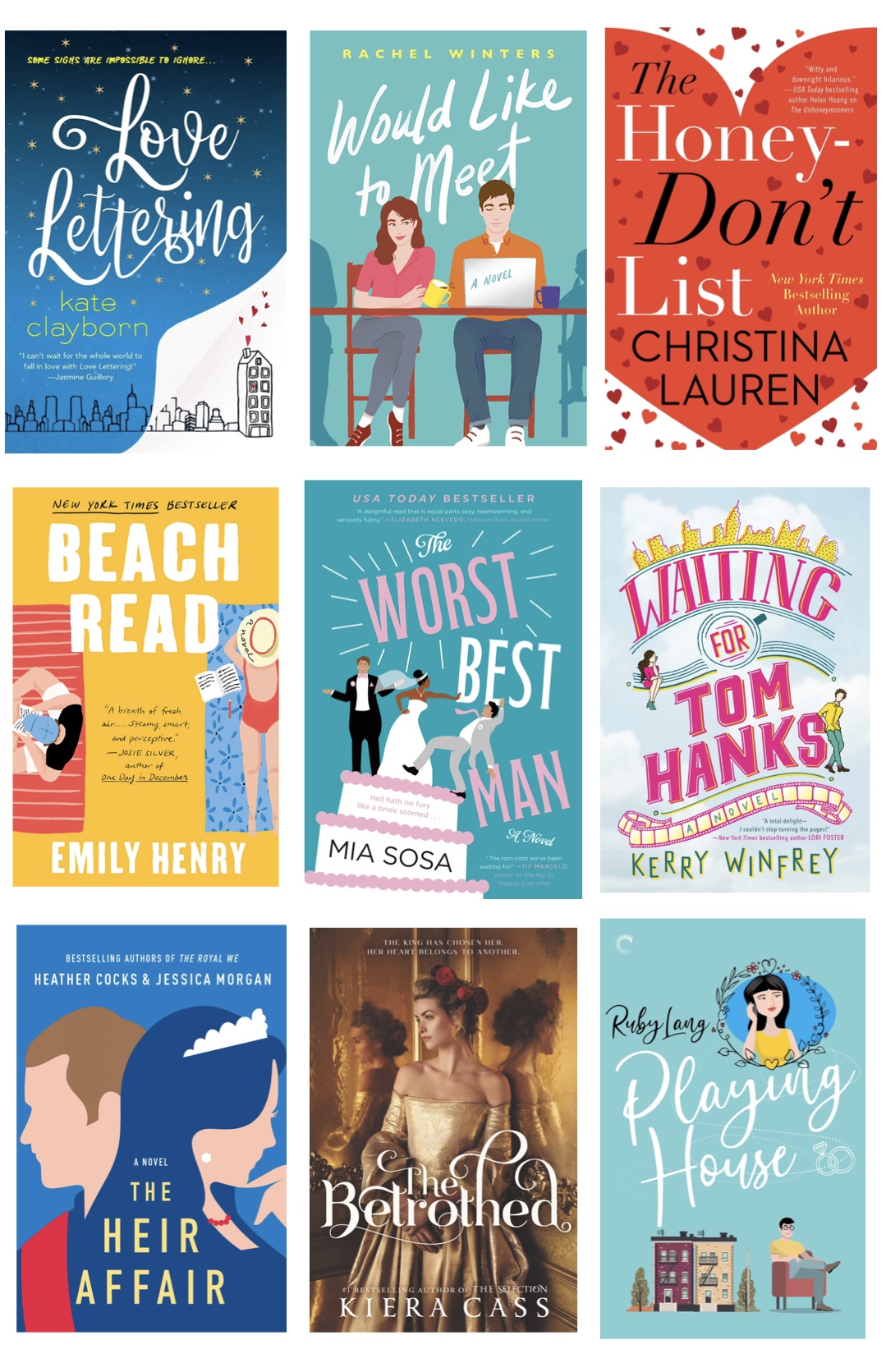
Finding the right romance novel as a student requires balancing academic demands with the need for engaging, restorative reading. The best romance books for students offer compelling character arcs, relatable life transitions, and emotional depth without becoming so cumbersome that they distract from your primary studies. Whether you are looking for a lighthearted academic rival trope or a profound exploration of personal growth, the selection below provides a well-rounded starting point for your personal library.
Understanding the Romance Genre in an Academic Context
For many students, romance literature serves as a crucial emotional outlet. It offers a structured narrative path where tension is resolved and characters grow, which can be a welcome contrast to the often-ambiguous outcomes of research papers and exam results. When selecting books, consider your current reading bandwidth. During high-intensity periods, such as midterms or finals, many students prefer contemporary romances with lower stakes or "cozy" vibes. During breaks, more complex historical or literary romances allow for deeper immersion.
The genre is vast, spanning everything from light-hearted contemporary "rom-coms" to intricate historical dramas. For students, the most successful reads are often those that feature protagonists navigating adulthood, professional ambition, or self-discovery. These themes mirror the student experience, making the emotional stakes feel authentic even in a fictional setting.
Essential Picks for Your Reading List
The following selections have been chosen for their narrative quality, thematic relevance to student life, and their status as modern staples of the genre.
1. Contemporary Academic Settings
Books that take place on university campuses or in professional environments often resonate deeply with students. They allow the reader to project themselves into a familiar yet heightened version of their own daily reality.
- The Love Hypothesis by Ali Hazelwood: Set within the high-pressure world of a PhD program, this novel follows a biology candidate who enters a fake dating arrangement with a grumpy professor. It is widely praised for its authentic depiction of the stresses of graduate school, the intensity of academic research, and the specific dynamics of power and partnership in a laboratory setting.
- Book Lovers by Emily Henry: While not set explicitly on a campus, this story revolves around a literary agent and a prickly book editor. Its focus on ambition, career-life balance, and the evolution of the self is particularly resonant for students nearing the end of their academic journey.
2. Historical Romance and Character Growth
Historical fiction offers a necessary "escape" from the digital screen time that consumes most of a modern student's day. These stories provide a change in pace and vocabulary, which can actually help with focus and cognitive restoration.
- The Duke and I by Julia Quinn: As the foundation of the Bridgerton series, this novel introduces readers to the Regency era’s strict social hierarchies. Its focus on reputation, familial duty, and the struggle to balance societal expectations with personal desire is a perennial favorite for those who enjoy character-driven historical narratives.
- Pride and Prejudice by Jane Austen: Often considered the blueprint for modern romance, this classic remains essential for students. Beyond its central love story, it is a masterclass in social satire, dialogue, and character development, providing a sophisticated reading experience that complements academic studies in literature or history.
Comparison of Romance Sub-Genres for Students
When choosing your next book, matching the sub-genre to your current mental state is key. Use the following table to help decide which type of romance fits your current schedule.
| Sub-Genre | Best For | Typical Pacing | Intensity Level |
|---|---|---|---|
| Contemporary | Quick reading breaks | Fast | Low to Moderate |
| Historical | Weekend escapes | Moderate | Moderate to High |
| Academic Romance | Relating to daily life | Fast | Moderate |
| Literary Romance | Thoughtful long-form | Slow | High |
Balancing Reading with Academic Responsibility
One of the primary challenges for students is integrating reading for pleasure into a schedule dominated by textbooks and lecture notes. To maintain a healthy balance, treat your fiction reading as a form of "active recovery." Instead of scrolling through social media during your breaks, which often increases cognitive fatigue, reading a chapter of a romance novel can provide a definitive "reset" button for your brain.
Practical tips for maintaining this balance include:
- Fixed Reading Blocks: Rather than reading whenever you have a free moment, designate a specific 30-minute block at the end of the day. This creates a psychological boundary between "work" and "leisure."
- Audiobook Integration: If you have a long commute to campus or spend significant time walking between classes, audiobooks are an excellent way to consume romance titles without adding to your visual reading load.
- The "One-Chapter" Rule: During intense study sessions, tell yourself you can read one chapter of a book only after completing a specific academic task. This serves as a positive reinforcement mechanism.
The Role of Narrative Complexity
Not all romance books are simple "page-turners." Some authors, such as Helen Hoang or Talia Hibbert, use the romance framework to explore neurodiversity, chronic illness, and the complexities of modern social anxiety. For students, these books are not just entertainment; they are windows into different human experiences. Engaging with these stories can build empathy and provide a broader perspective on the challenges people face, which is a vital part of the higher education experience.
Avoiding "Reading Burnout"
Burnout is not exclusive to academics; it can happen to readers as well. If you find yourself struggling to finish a book, do not feel obligated to continue. The hallmark of a good romance book for a student is that it should provide joy and relief, not another task to be completed. If a plot is too slow or the characters are not engaging, put the book aside and revisit it at a later date or find something entirely different. There is no academic grade for reading a certain number of books, and the goal is to cultivate a habit that lasts beyond your graduation year.
Frequently Asked Questions
Are romance novels considered appropriate reading for students? Yes. Reading for pleasure, regardless of the genre, improves vocabulary, critical thinking, and mental health. Many romance novels are recognized for their literary merit and sophisticated exploration of human relationships.
What is the best way to find new romance books? Utilize library catalogs, which often feature curated lists based on user ratings. Additionally, following verified literary reviewers on platforms like Goodreads or Substack can help you filter books by sub-genre and interest level.
Should I read romance books in their original language if I am a student of a foreign language? Absolutely. Romance novels often use common, dialogue-heavy language which makes them excellent for improving fluency in a second language compared to dense academic texts.
How do I balance reading fiction with a heavy textbook load? Treat your fiction reading as a mandatory recovery period. By setting aside time for pleasure reading, you actually improve your concentration for your textbooks, as your brain benefits from the cognitive shift.
Is it okay to use audiobooks? Yes. Audiobooks provide the same narrative benefits as print, and they offer a hands-free alternative that works well for students who are already reading for hours every day.
Next Steps for Your Reading Journey
The most effective way to start is to visit your local library or digital bookstore and select one book from the contemporary category mentioned earlier. Begin by setting a goal to read just ten pages or one chapter a day. By making this a consistent practice, you will find that romance literature becomes a reliable source of stability throughout your academic career. If you find a particular author whose style you enjoy, explore their backlist—many romance authors maintain a high standard of quality that makes them perfect for long-term reading companions.