Downtown Indianapolis offers a diverse culinary landscape, and for those seeking the complex spices and aromatic profiles of Indian cuisine, the city center provides several distinct options. Whether you are searching for a formal sit-down experience, a quick lunch buffet, or high-end fusion dining, this guide outlines the verified landscape of Indian dining within the Mile Square and immediate downtown vicinity as of 2026.
Indian cuisine in Indianapolis is characterized by a blend of North Indian staples—such as creamy makhani gravies and tandoor-baked breads—and select regional specialties. When dining downtown, it is essential to consider the distinction between full-service dinner establishments and lunch-focused venues that prioritize efficiency and buffet-style service. Understanding these operational differences ensures you select a restaurant that aligns with your specific needs, whether you are hosting a business meeting or seeking a casual weeknight meal.
Navigating the Downtown Indian Dining Scene
The downtown Indianapolis restaurant scene is geographically centered around the Wholesale District, the State House area, and the Mass Ave cultural district. Indian restaurants in this area generally cater to a mix of business professionals, convention attendees, and local residents.
Unlike the suburban outposts of the Indianapolis metropolitan area, where large-scale banquet halls are common, downtown Indian restaurants are often integrated into historic storefronts or modern mixed-use developments. This spatial constraint often results in more intimate seating arrangements and a focus on curated menus rather than expansive, multi-page offerings.
Factors to Consider Before You Dine
- Service Model: Verify if the establishment is a full-service restaurant or if it utilizes a counter-service or buffet-only model during specific hours. Many venues shift from buffet service at lunch to à la carte service for dinner.
- Dietary Specifications: Indian cuisine is inherently accommodating for vegetarian and vegan diets. Most downtown establishments clearly label plant-based dishes, gluten-free options, and dairy-free alternatives. When in doubt, inquire specifically about the use of ghee (clarified butter) or heavy cream in signature sauces.
- Reservations: While downtown Indianapolis is highly walkable, dinner reservations are recommended for Thursday through Saturday evenings, particularly when major events are held at the Indiana Convention Center or Gainbridge Fieldhouse.
- Spice Levels: Authentic Indian cooking typically ranges from mild to very spicy. Most downtown restaurants calibrate their "standard" spice level for the American palate; however, you can usually request a "traditional" or "Indian-hot" level if you prefer higher capsaicin intensity.
Comparison of Dining Styles and Offerings
To help you decide where to dine, the following table compares the typical attributes found in the primary Indian dining venues serving the downtown Indianapolis area.
| Feature | Fine Dining / Boutique | Casual / Lunch Buffet | Fusion / Fast-Casual |
|---|---|---|---|
| Primary Atmosphere | Upscale, quiet, formal | Energetic, communal, bright | Modern, quick-paced |
| Typical Price Point | $$$ | $$ | $ |
| Service Style | Table service | Self-serve buffet | Counter service |
| Best For | Business dinners, dates | Lunch breaks, groups | Takeout, quick bites |
| Menu Depth | Extensive, regional | Standardized, popular hits | Limited, specialized |
Understanding Regional Differences in Menus
When reviewing menus at downtown Indian restaurants, you will likely notice a heavy influence from North Indian and Punjabi culinary traditions. This includes a reliance on the tandoor (a cylindrical clay oven) for dishes like Tandoori Chicken, Tikka, and Naan.
Common Menu Elements
- Appetizers (Small Plates): Look for Samosas (spiced potato-filled pastries) and Pakoras (vegetable fritters). These are the standard indicators of a kitchen's attention to texture and oil temperature.
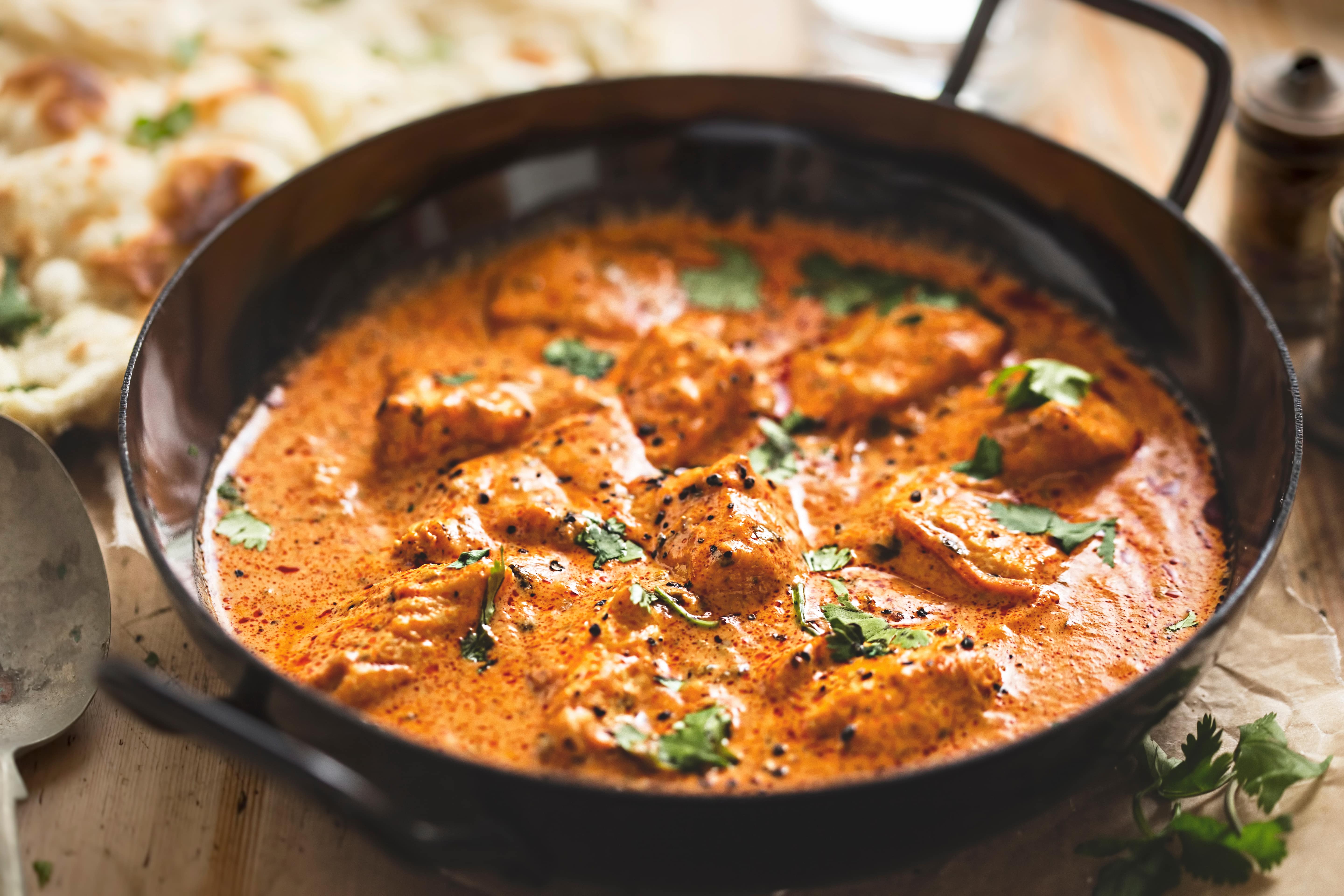
- Entrées (The Gravy Dishes): The most common dishes found downtown include Butter Chicken (Murgh Makhani), which features a tomato-based cream sauce, and Palak Paneer, a spinach-based curry with Indian cottage cheese.
- Breads: Freshly baked Naan—often flavored with garlic or herbs—is the standard accompaniment. Roti is a healthier, whole-wheat alternative that is less common but highly regarded by those seeking a more traditional flavor profile.
Practical Tips for the First-Time Diner
If you are new to the local scene, consider beginning your exploration with a lunch buffet. This is the most cost-effective way to sample a wide variety of items without committing to a full-price entrée. It allows you to identify which proteins, spice blends, and textures you prefer before ordering an à la carte meal during your next visit.
Avoiding Common Pitfalls
- Over-ordering: Indian portions, particularly the rice-heavy or bread-based side dishes, are substantial. A general rule of thumb is to order one appetizer per two people and one entrée per person.
- Assuming All Spice is Equal: Do not be misled by a mild-sounding dish name. Always communicate your spice preference clearly to the server, especially if you have a low tolerance for heat.
- Ignoring the Drink Menu: Many Indian restaurants offer Lassi (a yogurt-based drink) which acts as a natural cooling agent for spicy food. The mango lassi is a regional favorite, though traditional salty lassis are also excellent for balancing savory flavors.
Frequently Asked Questions
1. Are there many vegan-friendly options in downtown Indian restaurants?
Yes. Indian cuisine is globally recognized for its deep history of plant-based cooking. Most restaurants in downtown Indianapolis maintain a significant portion of their menu as vegetarian. By opting for curries made with tomato or onion bases rather than cream or butter, and selecting roti instead of naan (which often contains yogurt), vegans can find ample, satisfying meals.
2. Can I expect a lunch buffet to be available every day?
Most downtown establishments offer lunch buffets primarily on weekdays. Some locations may offer a weekend brunch buffet, but it is standard practice for restaurants to switch to a formal à la carte menu on Saturday and Sunday evenings. Always check the establishment's website or social media channels for their current weekly schedule.
3. Is Indian food in Indianapolis generally considered "authentic"?
"Authenticity" is subjective; however, the Indian restaurants in downtown Indianapolis generally focus on providing accessible versions of classic North Indian dishes. While you may find slight variations in ingredient sourcing or spice intensity compared to what you might find in Delhi or Mumbai, the techniques—such as marinating proteins in yogurt and slow-cooking gravies—remain consistent with traditional methods.
4. How much should I budget for a meal?
For a lunch buffet, expect to pay between $15 and $22 per person, excluding tax and gratuity. For an à la carte dinner, a standard meal consisting of an appetizer, a main entrée, and bread will typically range from $25 to $45 per person. High-end or specialized menu items and alcoholic beverages will increase this total.
5. Are reservations required for downtown Indian restaurants?
For groups of four or more, or for dining on Friday and Saturday nights, reservations are strongly suggested. The downtown area experiences significant influxes of visitors depending on the city’s convention calendar and professional sports schedule, which can quickly fill smaller dining rooms.
Final Recommendations for Your Visit
To ensure a successful dining experience, define your goal before you head out. If you are looking for a relaxing, high-quality dinner, target the establishments that offer table service in the quieter pockets of the downtown district. If you are navigating a busy workday, look for the lunch-special menus that prioritize rapid service.
When you arrive, speak with your server about your preferences. Indian restaurant staff are often well-versed in the specific spice levels and ingredients of their dishes and can provide excellent recommendations based on your personal taste. By engaging with the staff and sampling a range of dishes, you can fully appreciate the culinary diversity available in the heart of Indianapolis.