A dog grandpa story is a narrative arc that describes the profound emotional bond between an older man and a family dog, often characterized by a transition from initial resistance to deep, paternal devotion. These stories resonate because they highlight the transformative power of companionship, the softening of traditional masculine archetypes, and the significant health benefits of the human-animal bond for seniors.
The "dog grandpa" phenomenon has moved beyond simple internet memes to become a recognized social dynamic in 2026. Whether through viral social media videos or personal family anecdotes, these stories follow a predictable and heartwarming pattern: a grandfather who "never wanted a dog" becomes the animal’s primary advocate, caregiver, and best friend. To understand the depth of these stories, one must explore the psychological triggers, the practical realities of senior pet care, and the cultural impact of the "grand-dog" relationship.
The Anatomy of the "I Don't Want a Dog" Grandpa
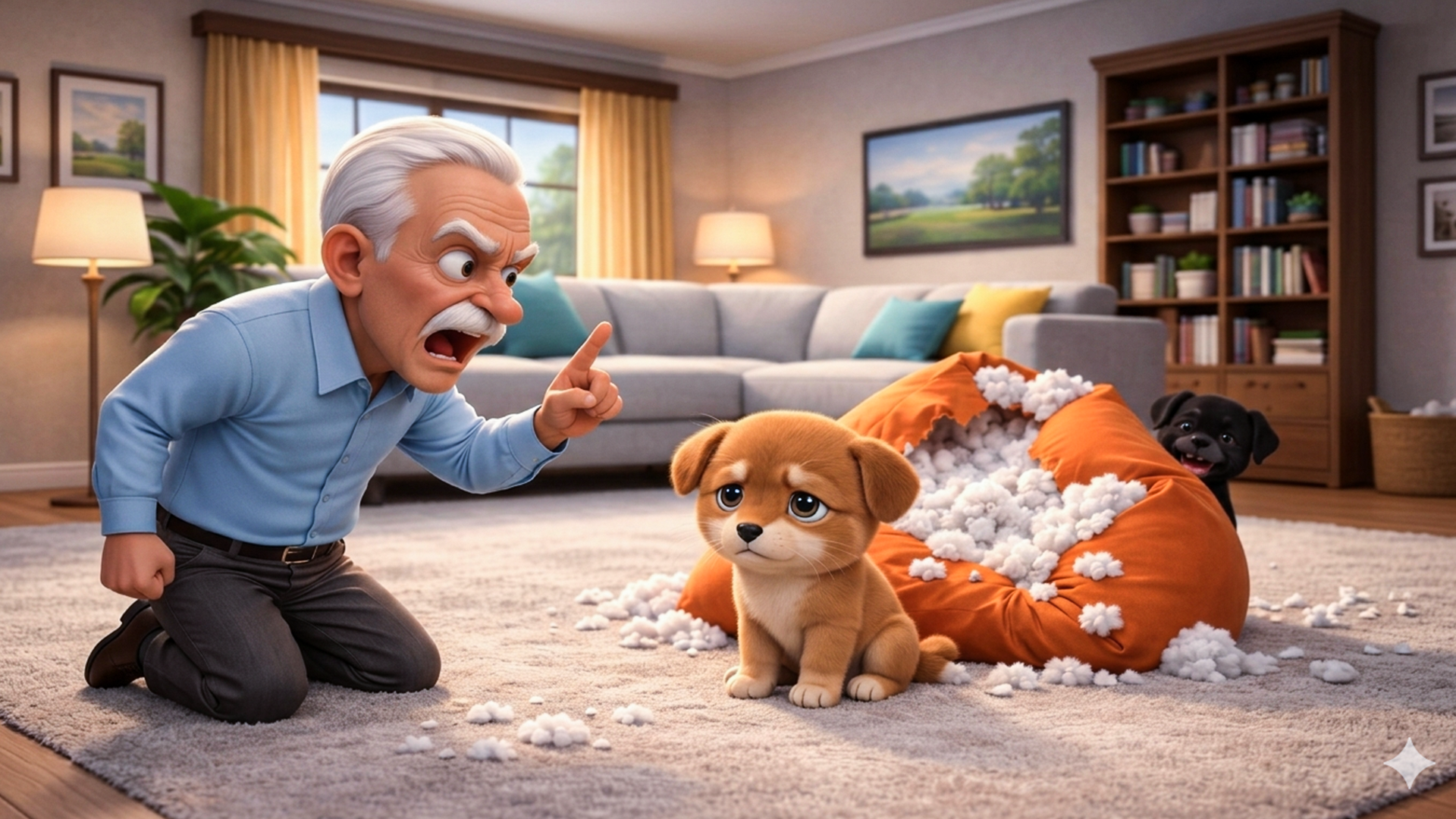
The most popular version of a dog grandpa story begins with a stern refusal. For many men of the older generation, the resistance to a new pet is often rooted in practical concerns or past experiences. They may cite the mess, the financial burden, or the inevitable heartbreak of eventually losing the animal. However, beneath this stoic exterior, the resistance is frequently a defense mechanism against the emotional vulnerability that a dog demands.
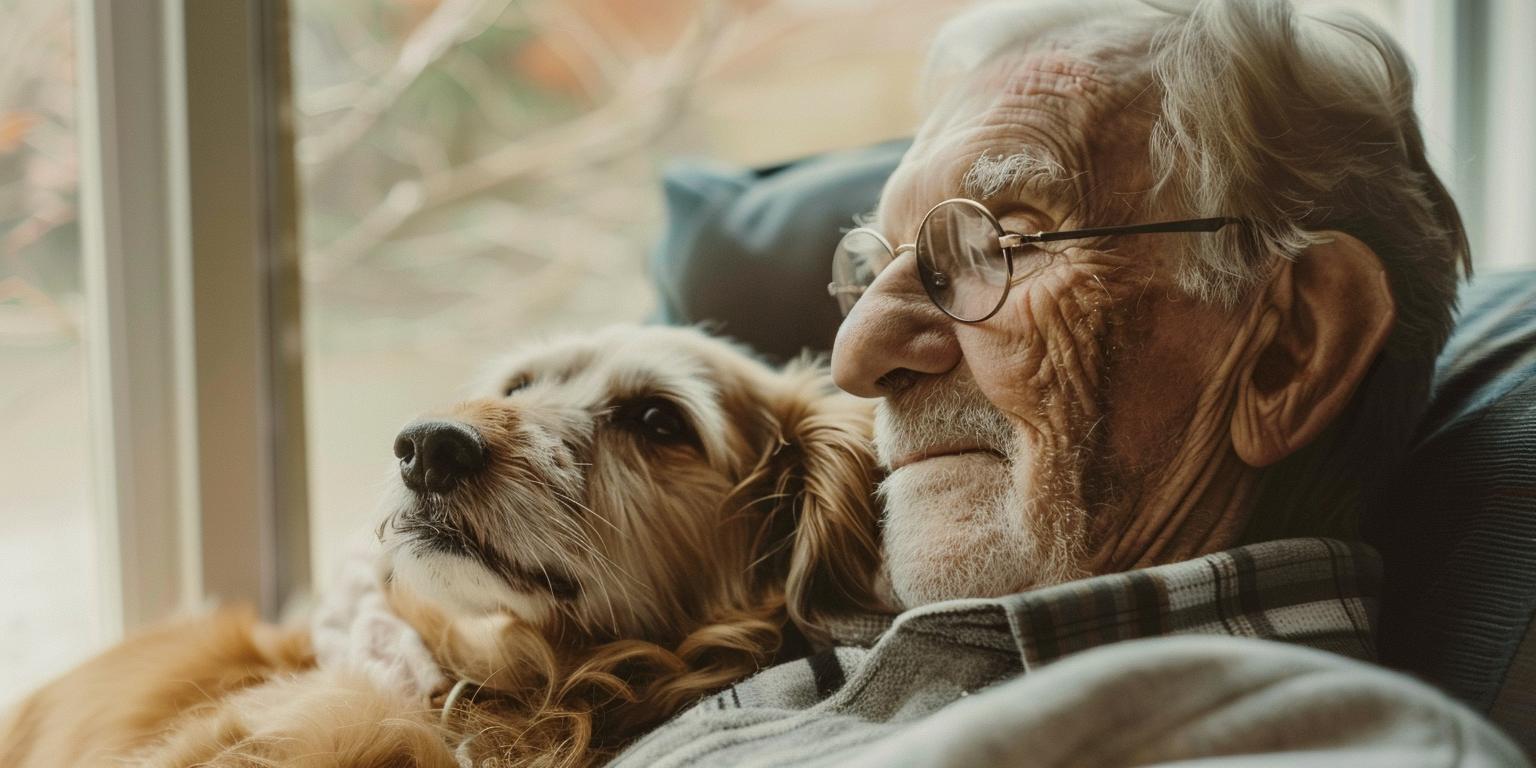
Once the dog enters the home—often brought in by a child or grandchild—the transformation begins. This "thawing" process is a central pillar of the dog grandpa narrative. It typically starts with the grandfather being caught on camera "secretly" sharing a snack with the dog or allowing the dog to rest its head on his knee while he watches the news. By 2026, researchers in human-animal interaction have noted that this specific demographic often finds it easier to express tactile affection and "baby talk" toward a pet than they might toward human family members, providing a much-needed emotional outlet.
The "dog grandpa" eventually becomes the person who knows the dog's favorite treats, the exact spot they like to be scratched, and their specific bark for wanting to go outside. This transition from skeptic to "super-fan" is what makes these stories universally relatable and emotionally satisfying for audiences worldwide.
The Psychological and Health Impacts of the Grand-Dog Bond
While the stories are often told for their entertainment value, the underlying benefits are scientifically significant. For many seniors, the "dog grandpa" role provides a sense of purpose that can be lost during retirement. Taking care of a "grand-dog"—whether full-time or during frequent visits—requires a routine that includes physical activity and cognitive engagement.
Physical Health Benefits
Regular interaction with a dog encourages movement. Even if the grandfather is not the primary walker, the act of standing up to let the dog out, grooming the animal, or playing light games of fetch contributes to daily physical activity. Studies from the Human Animal Bond Research Institute (HABRI) have consistently shown that pet interaction can lower blood pressure and improve cardiovascular health in older adults. In 2026, many medical professionals recommend "pet therapy" or grand-dog involvement as part of a holistic approach to senior wellness.
Mental and Emotional Wellbeing
The "dog grandpa" story is often a story about combating loneliness. Seniors are at a higher risk for social isolation, which can lead to depression and cognitive decline. A dog provides non-judgmental companionship and a "social lubricant" that makes it easier to interact with neighbors or other dog owners. The oxytocin release triggered by petting a dog—often called the "cuddle hormone"—helps reduce cortisol levels, effectively lowering stress and anxiety.
Comparison: The Roles of Human Grandparenting vs. Dog Grandparenting
In many modern families, the role of the "dog grandpa" is treated with the same level of respect and humor as traditional grandparenting. The following table compares the two experiences to illustrate why the "grand-dog" bond has become so prominent.
| Feature | Human Grandparenting | Dog Grandparenting (Grand-dogging) |
|---|---|---|
| Primary Interaction | Teaching, mentoring, and childcare. | Companionship, play, and basic care. |
| Physical Demand | High (keeping up with toddlers). | Variable (depends on dog's energy level). |
| Communication | Complex verbal and emotional growth. | Intuitive, non-verbal, and consistent. |
| Financial Responsibility | Usually focused on gifts or education funds. | Focuses on high-quality treats and toys. |
| Care Window | Can be long-term or overnight. | Often involves "daycare" or weekend stays. |
| Emotional Reward | Legacy and family continuity. | Unconditional loyalty and stress relief. |
Famous Archetypes in Dog Grandpa Stories
To truly appreciate the "dog grandpa story," one must look at the specific archetypes that have dominated media and literature. These stories often serve as a mirror for our own family dynamics.
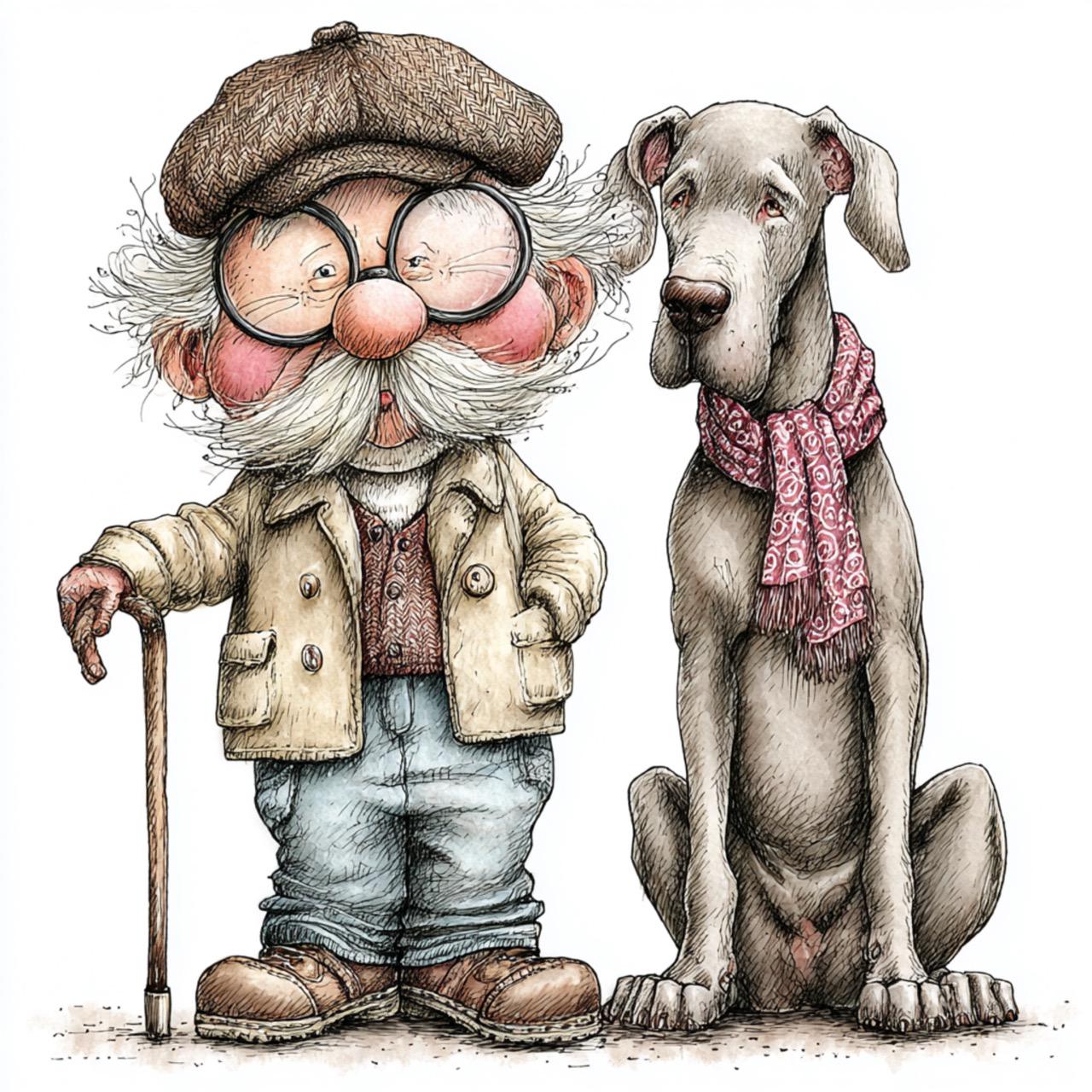
- The Reluctant Protector: This is the grandfather who claims the dog isn't allowed on the furniture, only to be found napping on the sofa with the dog tucked under his arm an hour later.
- The Technical Specialist: The grandpa who researches the best organic dog food, installs a custom dog ramp for the porch, and monitors the dog's health with more precision than his own.
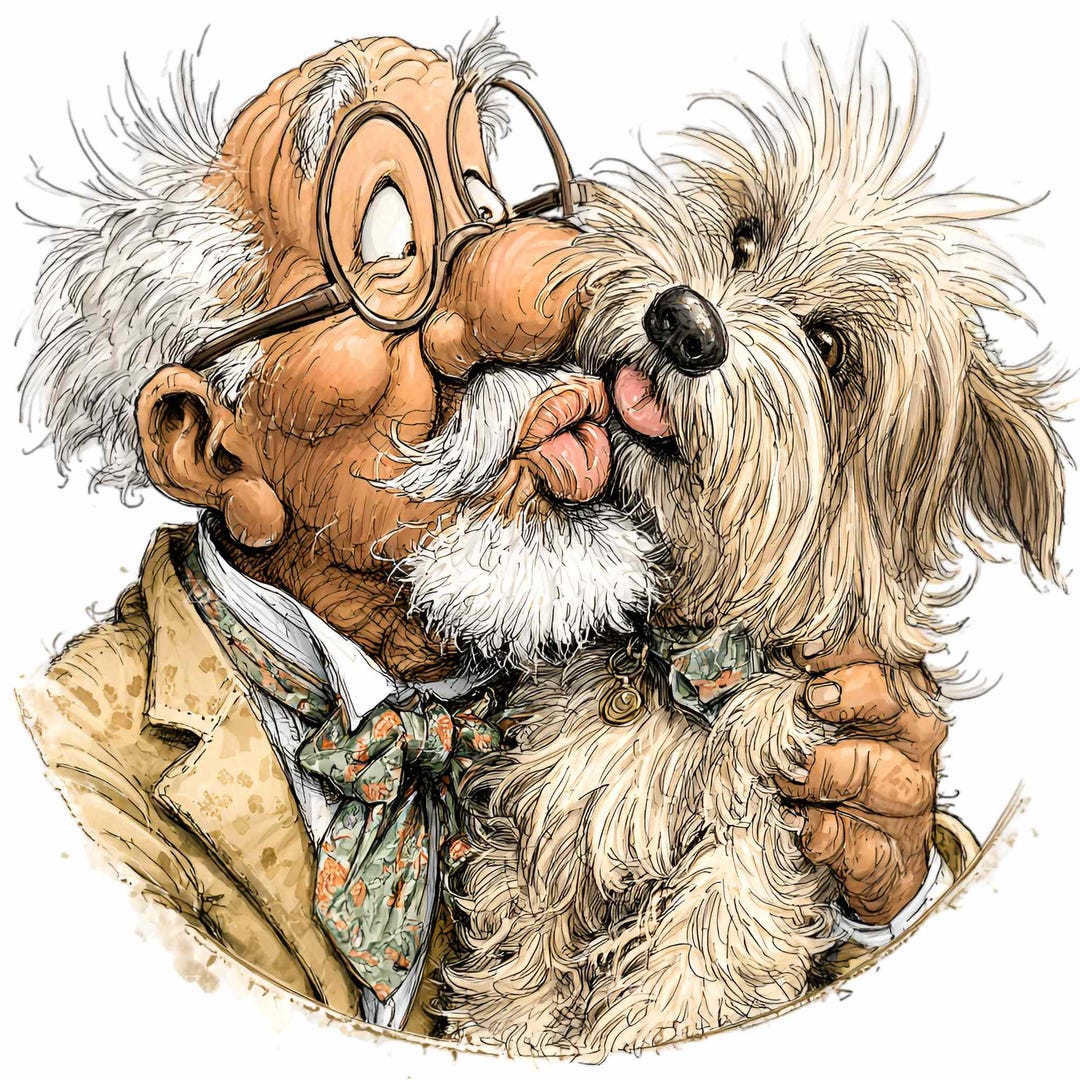
- The Secret Softie: The man who maintains a tough exterior with his adult children but uses a high-pitched "puppy voice" the moment the dog enters the room.
- The Adventure Partner: A story where the grandfather and the dog become inseparable companions on walks, fishing trips, or hardware store runs, often wearing matching accessories.
These archetypes are frequently featured on platforms like The Dodo, which specializes in documenting the unexpected bonds between humans and animals. These stories serve as digital "folk tales" that reinforce the idea that it is never too late to find a new best friend.
Integrating a Dog into a Grandparent’s Life: Best Practices
For a "dog grandpa story" to have a happy ending, the integration of the pet into the senior's life must be handled with care. Safety and comfort are paramount for both the human and the animal.
Assessing the Physical Environment
Before a dog spends significant time with a grandfather, the home should be evaluated for safety.
- Trip Hazards: Remove loose rugs or clutter that could cause a fall if the dog gets underfoot.
- Accessibility: Ensure the grandfather can easily manage the dog’s leash or food bowls without excessive bending or straining.
- Containment: If the dog is a "runner," ensure fences are secure and that the grandfather can safely operate gates.
Choosing the Right "Grand-dog" Interactions
Not every dog is suitable for every grandfather. High-energy puppies can be overwhelming for seniors with mobility issues. Conversely, older, "senior" dogs often make the best companions for grandfathers, as their energy levels are more aligned. This "Senior for Senior" dynamic is a popular sub-genre of the dog grandpa story, focusing on two individuals in the twilight of their lives finding solace in each other.
Financial and Medical Considerations
While the dog's owners (the children/grandchildren) usually handle the primary expenses, "dog grandpas" often want to contribute. It is helpful to establish boundaries regarding what the dog is allowed to eat, especially since many grandfathers are notorious for "sneaking" table scraps that might be harmful to the dog's health.
The Role of the Dog Grandpa in 2026 Media and Culture
As of 2026, the "dog grandpa" has moved from being a niche internet trope to a central figure in lifestyle content and advertising. We see this reflected in:
- Children's Literature: Books like Grandpa's New Best Friend focus on the bonding process, helping children understand that their grandparents also need companionship.
- Healthcare Campaigns: Insurance companies and health providers use the imagery of the active "dog grandpa" to promote senior wellness and the importance of staying active.
- Social Media Subcultures: Dedicated hashtags and groups allow families to share photos of their fathers and grandfathers with their pets, creating a global community of "grand-dog" enthusiasts.
The cultural impact lies in the subversion of the "lonely senior" narrative. Instead of a story of isolation, the dog grandpa story is one of revitalization. It suggests that the later years of life can be filled with new growth, laughter, and the simple joy of a wagging tail.
Common Mistakes to Avoid in Grand-dog Relationships
Even the most heartwarming dog grandpa story can face challenges. To ensure the bond remains positive, family members should be mindful of several common pitfalls:
- Overburdening the Grandparent: Don't assume the grandfather is always available for "free" dog sitting. Respect their schedule and physical limits.
- Inconsistent Training: If the dog is being trained, the grandfather must be "in the loop." If Grandpa allows the dog to jump on people while the owners forbid it, the dog will become confused.
- Ignoring Health Signs: Sometimes, a grandfather may be so focused on the dog that he ignores his own health needs or physical strain caused by the animal. Open communication is essential.
Frequently Asked Questions
What defines a "dog grandpa"?
A dog grandpa is typically the father of a dog's owner who takes on a significant, nurturing role in the dog's life. He often treats the dog with the same affection and indulgence typically reserved for human grandchildren.
Why do "dog grandpa" stories go viral so often?
These stories go viral because they provide "wholesome" content that cuts across political and social divides. They often feature a "character arc" involving a stern or stoic man showing vulnerability, which is a powerful emotional hook for audiences.
Is it safe for an elderly grandfather to have a large dog?
Safety depends on the individual's mobility and the dog's temperament. While large dogs can be trip hazards or physically pulling, they are often calmer than small, high-energy breeds. Proper leash training and "no-pull" harnesses are essential tools for ensuring safety.
How can I help my father become a "dog grandpa" if he's hesitant?
Start slow with "short-term visits" or "outdoor-only" interactions. Focus on the dog's need for a "calm friend" rather than a "playmate." Often, seeing the dog's positive impact on the family's happiness is enough to win over a hesitant grandfather.
Are there specific breeds that make better "grand-dogs"?
Breeds known for their "off switch" and empathy, such as Golden Retrievers, Greyhounds (which are notoriously lazy), and Basset Hounds, often excel in the dog grandpa dynamic. However, the individual dog's personality is more important than the breed.
Recommendation for Families
If you are witnessing the beginning of a "dog grandpa story" in your own family, document it—but do so respectfully. Encourage the bond by providing the grandfather with the tools he needs to succeed, such as easy-to-open treat jars, lightweight leashes, and clear guidelines on the dog's diet. Most importantly, acknowledge the value this relationship brings to your father’s life; for many seniors, being a "dog grandpa" isn't just a hobby—it's a vital source of joy and companionship.