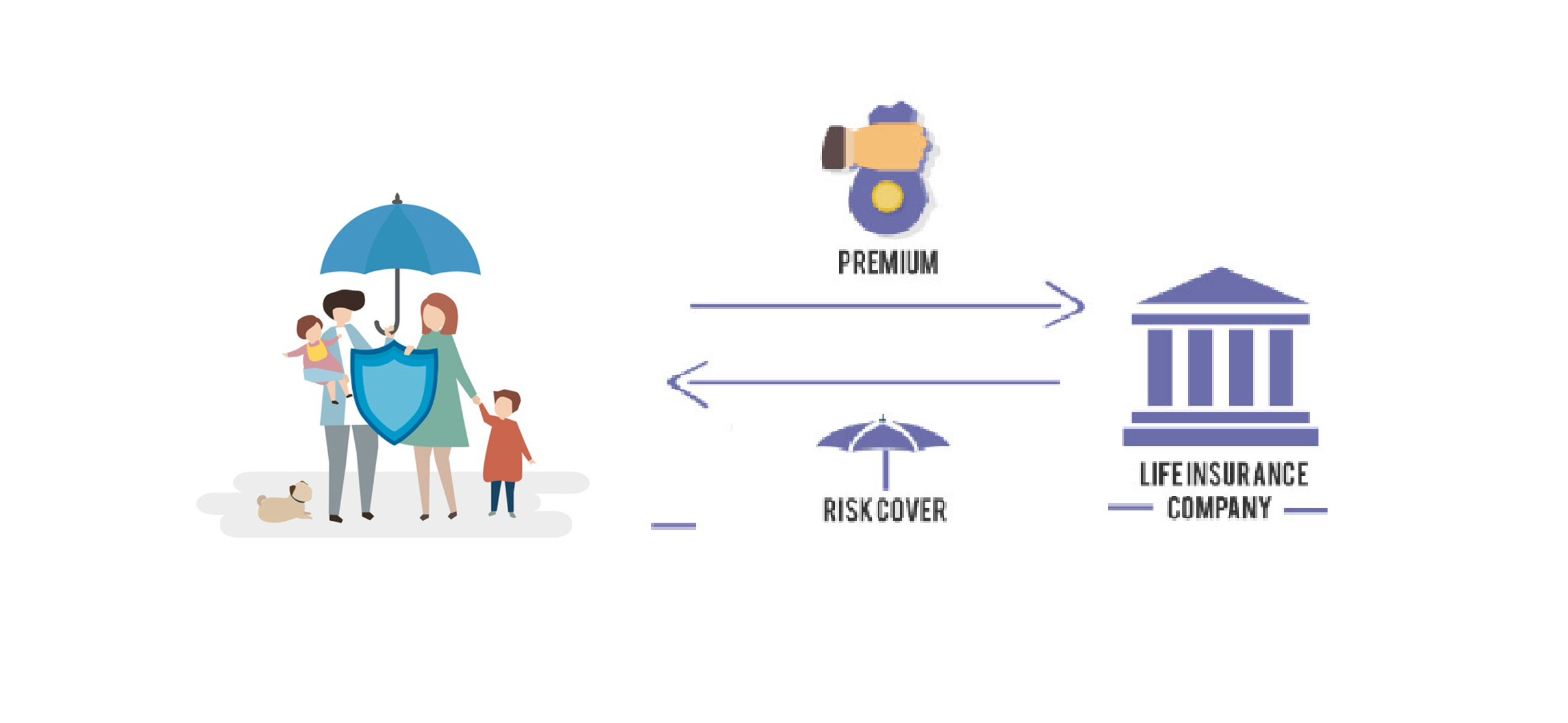
Life insurance is a binding legal contract between a policyholder and an insurance provider. In exchange for regular premium payments, the insurer guarantees a tax-free lump sum payment, known as a death benefit, to designated beneficiaries upon the insured's passing. It serves as a financial safety net for surviving dependents.
Understanding the Core Concept of Life Insurance
At its most fundamental level, life insurance is a tool for risk management. It is designed to protect against the financial uncertainty that follows the death of a primary earner or a key family member. While no amount of money can replace a person, the "clear description of life insurance for you" is that it provides the liquidity necessary to maintain a standard of living, pay off debts, and fund future obligations like education or retirement for those left behind.
In 2026, the landscape of life insurance has evolved to become more personalized and digitally integrated. However, the underlying principle remains the same: you are transferring the financial risk of your death to an insurance company. The company calculates this risk using actuarial science—analyzing your age, health, and lifestyle—to determine your premium. As long as the premiums are paid, the insurance company is obligated to fulfill the terms of the contract.
The significance of this arrangement cannot be overstated. For many, life insurance is the only way to create an "instant estate." It ensures that if a tragedy occurs tomorrow, the financial goals you have for your family—such as staying in their home or attending university—can still be realized.
The Mechanics of the Policy: How Life Insurance Functions
To truly understand life insurance, one must look at the three primary components that make up a policy: the premium, the death benefit, and, in some cases, the cash value.
The Premium
The premium is the payment you make to the insurance company to keep the policy active. In 2026, most policyholders choose between monthly, quarterly, or annual payment structures. The amount of the premium is fixed for some policies (like whole life) but can be flexible for others (like universal life). If you stop paying the premium, the policy typically enters a grace period before eventually lapsing, at which point coverage ceases.
The Death Benefit
The death benefit is the face amount of the policy—the sum of money the insurer pays out when the insured person dies. This amount is generally received by beneficiaries free of federal income tax. The policyholder has the right to choose how this benefit is structured, whether as a single lump sum or as an annuity that provides a steady stream of income over several years.
The Cash Value
Certain types of "permanent" life insurance include a cash value component. This acts as a tax-deferred savings account within the policy. A portion of each premium payment is diverted into this account, where it grows over time. As the policyholder, you can often borrow against this cash value or even withdraw it, although doing so may reduce the final death benefit.
Primary Categories of Life Insurance Coverage
Choosing the right policy requires a clear understanding of the two main branches of life insurance: Term and Permanent. Each serves a different financial strategy and carries different cost structures.
Term Life Insurance: Temporary Protection
Term life insurance is the most straightforward and affordable form of coverage. It provides protection for a specific "term" or period, typically 10, 15, 20, or 30 years. If the insured person passes away during this window, the death benefit is paid to the beneficiaries. If the term ends and the insured is still living, the coverage simply expires unless the policy includes a renewal or conversion option.
Term insurance is ideal for covering specific, time-bound financial obligations. For example, a parent might buy a 20-year term policy to ensure that their children are protected until they reach adulthood and finish their education. Because it does not build cash value, term insurance offers the highest amount of coverage for the lowest initial cost.
Whole Life Insurance: Permanent Security
Whole life insurance is a type of permanent coverage that remains in effect for the insured's entire life, provided premiums are paid. Unlike term insurance, whole life includes a guaranteed cash value component that grows at a fixed rate set by the insurer.
The primary advantages of whole life insurance are its predictability and its longevity. The premiums never increase, and the death benefit is guaranteed. It is often used as a tool for estate planning, providing funds to pay estate taxes or leaving a guaranteed legacy to heirs. However, because of these guarantees and the cash value feature, premiums are significantly higher than those for term insurance.
Universal Life Insurance: Flexibility and Customization
Universal life insurance is another form of permanent coverage, but it offers more flexibility than whole life. Policyholders can often adjust their premium payments and even the death benefit amount as their financial circumstances change.
This type of policy also accumulates cash value, but the growth is usually tied to current market interest rates rather than a fixed rate. In 2026, many universal life products are "indexed," meaning the cash value growth is linked to the performance of a market index like the S&P 500, offering the potential for higher gains with some protection against market losses.
Essential Terminology for Policyholders
Before signing a contract, you must be familiar with the technical language used by insurance carriers. Clear definitions help prevent misunderstandings during the application or claims process.
- Beneficiary: The person, entity, or trust designated to receive the death benefit. It is common to name both primary and contingent (secondary) beneficiaries.
- Rider: An optional add-on to a life insurance policy that provides additional benefits or protections. Common riders include "Waiver of Premium" (which pays your premiums if you become disabled) and "Accelerated Death Benefit" (which allows you to access funds if diagnosed with a terminal illness).
- Underwriting: The process by which an insurance company evaluates the risk of insuring an applicant. This involves reviewing medical records, lifestyle data, and sometimes a physical examination.
- Face Amount: The original death benefit amount stated in the policy, excluding any additional amounts from riders or accumulated cash value.
- Lapse: The termination of a policy because the premium was not paid within the allowed timeframe.
Comparing Key Policy Types
The following table provides a direct comparison of the most common life insurance structures available in 2026.
| Feature | Term Life Insurance | Whole Life Insurance | Universal Life Insurance |
|---|---|---|---|
| Coverage Duration | Specific period (e.g., 20 years) | Entire lifetime | Entire lifetime |
| Premium Cost | Lowest | Highest | Moderate to High |
| Cash Value | None | Guaranteed growth | Variable growth |
| Flexibility | Low (fixed terms) | Low (fixed premiums) | High (adjustable premiums) |
| Main Purpose | Income replacement/Debt | Estate planning/Legacy | Wealth transfer/Flexibility |
| Complexity | Simple | Moderate | High |
Determining How Much Coverage You Need in 2026
One of the most frequent questions regarding a clear description of life insurance for you is: "How much should I buy?" There is no one-size-fits-all answer, but financial experts often recommend the DIME formula to calculate a baseline.
- Debt: Total all your outstanding debts, including credit cards and personal loans, but excluding your mortgage.
- Income: Multiply your annual salary by the number of years you want to provide for your family (e.g., 10 or 15 years).
- Mortgage: Add the remaining balance on your home loan.
- Education: Estimate the future cost of tuition and expenses for your children.
By adding these four categories together, you arrive at a target coverage amount. In 2026, it is also vital to account for inflation. A million-dollar policy today may not have the same purchasing power in twenty years. Many modern policies include "inflation riders" that automatically increase the death benefit over time to keep pace with the cost of living.
For more detailed guidance on financial planning, the Financial Industry Regulatory Authority (FINRA) provides resources on managing insurance within a broader investment portfolio.
The Application and Underwriting Process
Applying for life insurance has become significantly more streamlined by 2026. While traditional policies once required weeks of medical exams and paperwork, many insurers now use "Accelerated Underwriting."
The Digital Shift
Modern underwriting utilizes vast databases to assess risk almost instantly. Insurers may review your prescription drug history, motor vehicle records, and even credit-based insurance scores. If you are young and healthy, you might receive a "clearance" in minutes without ever meeting a medical professional.
The Medical Exam
For higher coverage amounts or for individuals with pre-existing conditions, a paramedical exam is still standard. This typically involves a technician visiting your home to record height, weight, blood pressure, and collect blood or urine samples. This data allows the insurer to place you in a "rating class," such as Preferred Plus, Standard, or Substandard, which directly dictates your premium price.
Transparency and Honesty
It is critical to be entirely truthful during the application. The "Contestability Period"—usually the first two years of a policy—allows the insurer to investigate and deny a claim if they find that the applicant lied about their health or lifestyle.
Factors Influencing Your Premium Costs
Insurance companies are in the business of predicting longevity. Several key factors influence how much you will pay for your "clear description of life insurance for you."
- Age: This is the most significant factor. The younger you are when you purchase a policy, the lower your premiums will be.
- Health History: Chronic conditions like diabetes, heart disease, or high blood pressure increase risk and, consequently, cost.
- Tobacco and Nicotine Use: Smokers and vapers consistently pay two to three times more for life insurance than non-smokers.
- Occupation and Hobbies: If you work in a high-risk field (like deep-sea diving) or engage in dangerous hobbies (like skydiving), you may face a "flat extra" fee added to your premium.
- Gender: Statistically, women have longer life expectancies than men, which often results in slightly lower premiums for female applicants.
Common Exclusions and Policy Limitations
While life insurance is designed to pay out in most circumstances, there are specific exclusions you must understand.
- The Suicide Clause: Almost all policies have a suicide clause stating that the death benefit will not be paid if the insured commits suicide within the first two years of the policy's issuance. In such cases, the insurer usually returns the premiums paid to the beneficiaries.
- Material Misrepresentation: As mentioned earlier, if you omit a major health diagnosis on your application, the insurer can void the contract.
- Illegal Acts: If the insured dies while participating in a felony or other criminal activity, the claim may be denied.
- Aviation Exclusions: Some older or highly specific policies may exclude deaths resulting from private aviation (not commercial flights).
For official regulatory standards on policy exclusions, you can consult the National Association of Insurance Commissioners (NAIC).
Navigating the Claims Process
When the time comes for beneficiaries to file a claim, the process is generally straightforward, provided the policy is in force and the documentation is in order.
The primary document required is a certified copy of the death certificate. The beneficiary must also complete a "Request for Benefits" form provided by the insurer. Once the claim is submitted, the insurance company typically processes the payment within 30 to 60 days. In 2026, many carriers offer "Instant Claims" for smaller policies, where funds are electronically transferred within 48 hours of verification.
It is a best practice to ensure your beneficiaries know the name of the insurance company and the policy number. Many death benefits go unclaimed every year simply because the family was unaware that a policy existed. The U.S. Social Security Administration can sometimes assist in identifying survivors, but they do not track private insurance policies.
Frequently Asked Questions
Can I have multiple life insurance policies?
Yes, you can own multiple policies from different companies. People often "ladder" policies, such as having a large term policy for their mortgage years and a smaller permanent policy for final expenses. However, insurers will check to ensure your total coverage amount is reasonable relative to your income and net worth.
Is life insurance worth it if I don't have children?
Life insurance is not just for parents. It can be used to protect a spouse, cover funeral costs, pay off co-signed debts, or provide for an aging parent. Additionally, permanent policies can serve as a tax-advantaged vehicle for wealth accumulation, even for those without direct dependents.
What happens if I outlive my term life insurance policy?
If you outlive the term, the coverage simply ends. You will not receive a refund of premiums unless you purchased a "Return of Premium" (ROP) rider, which is more expensive. Many policies allow you to convert the term policy into a permanent one without a new medical exam, provided you do so before the term expires.
Are the proceeds from life insurance taxable?
Generally, no. Death benefits paid to beneficiaries are not considered taxable income by the IRS. However, if the death benefit is paid into an estate that exceeds the federal estate tax threshold, it may be subject to estate taxes. Additionally, any interest earned on the death benefit before it is paid out is taxable.
Can I change my beneficiary later?
Most policies are "revocable," meaning you can change the beneficiary at any time by filing a form with the insurance company. If a beneficiary is "irrevocable," you must get their written consent before making any changes.
Final Recommendations for Your Financial Future
Securing life insurance is one of the most responsible financial steps you can take. To move forward, begin by calculating your DIME score to determine your coverage needs. Once you have a number, compare quotes from at least three different high-rated carriers. Look for companies with an "A" rating or better from agencies like A.M. Best or Moody’s to ensure their long-term financial stability.
In 2026, the ease of access to life insurance means there is little reason to delay. Whether you choose a simple term policy for immediate protection or a permanent policy for lifelong security, the peace of mind that comes from knowing your loved ones are protected is an invaluable asset. Consult with a licensed insurance advisor or a financial planner to ensure your chosen policy aligns with your broader 2026 financial goals.