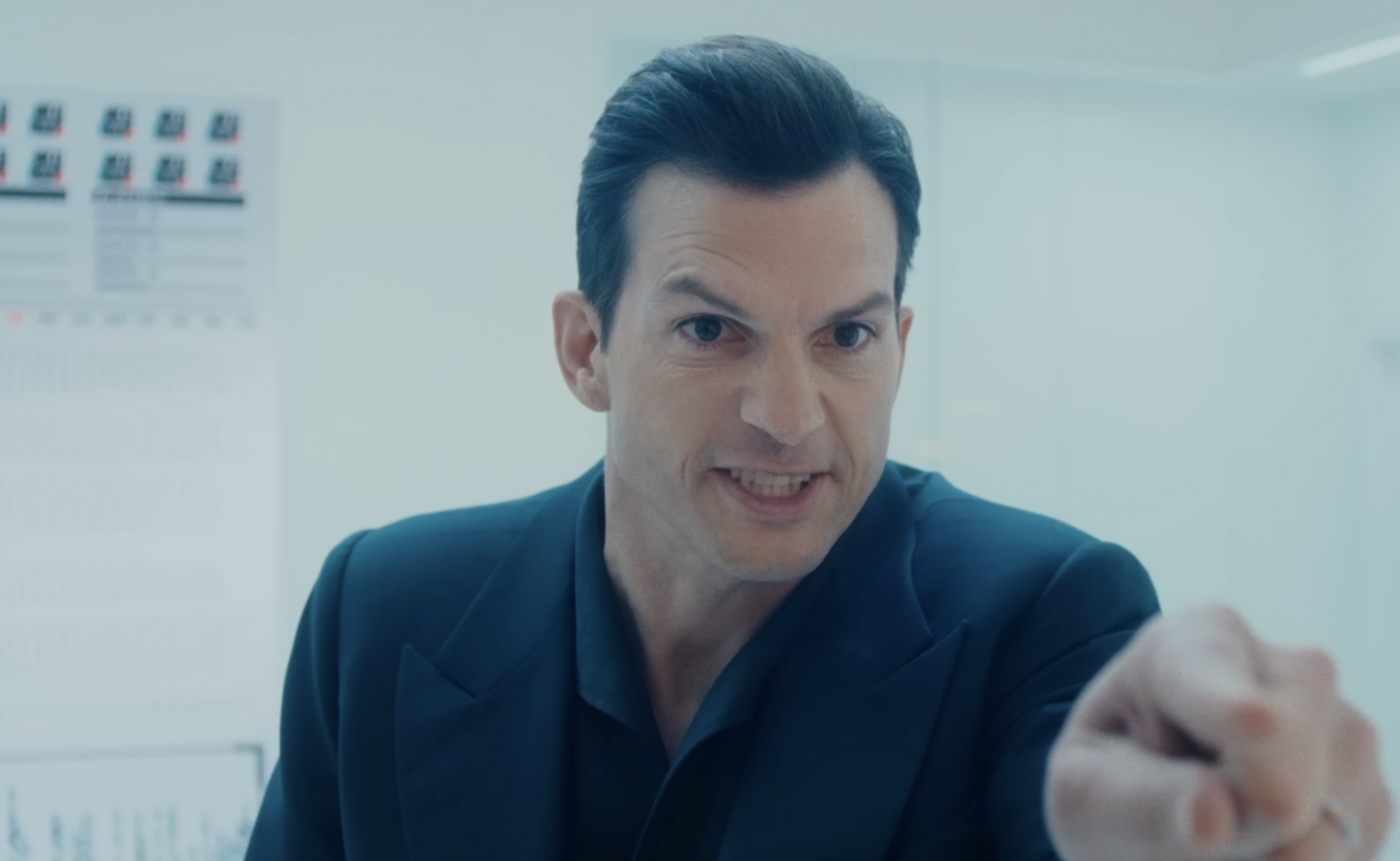
Ashton Kutcher’s acting career spans more than two decades, evolving from a quintessential 1990s television heartthrob into a bankable romantic comedy lead, a dramatic screen performer, and a prominent technology investor. Best known for his breakout role as Michael Kelso on Fox’s That ’70s Show and later as Walden Schmidt on CBS’s Two and a Half Men, Kutcher built an entertainment brand that bridged traditional network television with internet-era pop culture. While his early career was defined by slapstick comedy and teen-oriented cinema, his later professional trajectory shifted toward complex character studies, independent film production, and strategic Silicon Valley venture capital investments.
This overview examines the defining phases of Ashton Kutcher’s professional journey. It analyzes his television breakthroughs, filmography choices, dramatic transformations, and the intersection between his Hollywood footprint and his long-standing role as an entrepreneur and venture capitalist.
Early Beginnings and Television Breakthrough (That ’70s Show)
Before stepping onto a professional soundstage, Christopher Ashton Kutcher grew up in Cedar Rapids, Iowa, and later studied biochemical engineering at the University of Iowa. His entry into the entertainment industry began unexpectedly after winning a modeling competition in Iowa in 1997, which led him to move to New York City to sign with the Next modeling agency. Within a short period, Kutcher relocated to Los Angeles to audition for television and film roles.
His defining career breakthrough arrived in 1998 when he was cast as Michael Kelso in the Fox retro sitcom That ’70s Show. The series, which chronicled the lives of a group of teenagers growing up in Wisconsin during the 1970s, ran for eight seasons. Kelso became a fan-favorite character, characterized by his vanity, dim-witted charm, and physical comedy.
- Character Archetype: The handsome, self-absorbed jock whose lack of intellectual depth drove much of the show’s situational humor.
- Impact on Popularity: The role instantly established Kutcher as a prominent young television star and teen magazine staple, providing the commercial momentum necessary to transition into feature films.
- Longevity: Kutcher starred in the series as a main cast member for the first seven seasons before making guest appearances in the eighth and final season. He later reprised the role in cameo appearances for the Netflix spin-off That ’90s Show.
Feature Film Era: Romantic Comedies and Teen Cinema
Capitalizing on his television success, Kutcher entered the film industry at the turn of the millennium. His early cinematic output targeted youth demographics, blending high-concept premises with romantic comedy and psychological thriller elements.
The Rise of High-Concept Romantic Comedies
Throughout the early 2000s, Kutcher established himself as a reliable lead in romantic comedies and lighthearted ensemble films.
- Dude, Where’s My Car? (2000): A stoner comedy co-starring Seann William Scott. Despite receiving largely negative reviews from professional film critics, the movie became a box office success and a cult classic among teen audiences, cementing Kutcher’s comedic screen presence.
- Just Married (2003): Co-starring Brittany Murphy, this romantic comedy followed a chaotic honeymoon period and further solidified Kutcher’s commercial viability as a romantic lead.
- Guess Who (2005): A comedic remake of Guess Who's Coming to Dinner, pairing Kutcher with Bernie Mac and showcasing his ability to anchor studio comedies alongside established veterans.
- No Strings Attached (2011): Co-starring Natalie Portman, this film represented a more mature romantic comedy entry, balancing traditional genre tropes with modern relationship dynamics.
Dramatic Experimentation: The Butterfly Effect
In 2004, Kutcher took a significant departure from his comedic roots by starring in and executive producing the psychological thriller The Butterfly Effect. Playing a young man who discovers he can travel back in time to alter his traumatic past—with severe, unintended consequences—Kutcher delivered a darker, more dramatic performance. The film was a commercial success, grossing nearly $96 million worldwide against a modest budget, and proved that audiences would accept him in non-comedic, suspense-driven narratives.
Transition to Network Primetime and Dramatic Prestige
By the late 2000s and early 2010s, Kutcher’s career reached a critical turning point. He balanced his film ambitions with high-profile television returns and independent dramatic projects that challenged his public persona.
Two and a Half Men and Network Dominance
Following the high-profile departure of Charlie Sheen from CBS’s top-rated sitcom Two and a Half Men in 2011, Kutcher was cast to replace him as internet billionaire Walden Schmidt. Joining the ensemble for the show's ninth season, Kutcher helped stabilize the ratings and maintained the series' status as one of television's most-watched comedies until its conclusion in 2015. During this four-season run, Kutcher became one of the highest-paid actors on American television.
Stepping Into Historical Drama: Jobs (2013)
In one of his most scrutinized cinematic transformations, Kutcher portrayed Apple co-founder Steve Jobs in the independent biographical drama film Jobs, directed by Joshua Michael Stern.
- Physical and Mannerism Preparation: Kutcher studied archival footage extensively, adopted Jobs’s distinct vocal cadence, and altered his physical posture to mirror the tech icon.
- Critical Reception: The film received mixed reviews, with critics divided on the screenplay's depth. However, Kutcher’s committed performance received varied acknowledgement from reviewers who noted his earnest effort to capture Jobs’s intensity and visionary drive.
Major Acting Roles and Project Timeline
The following table summarizes the most significant film and television projects across Ashton Kutcher’s acting career, detailing release years, character roles, and genre classifications.
| Title | Year | Role | Genre / Format |
|---|---|---|---|
| That ’70s Show | 1998–2006 | Michael Kelso | Television Sitcom |
| Dude, Where’s My Car? | 2000 | Jesse Montgomery III | Comedy / Feature Film |
| Just Married | 2003 | Tom Leezak | Romantic Comedy |
| The Butterfly Effect | 2004 | Evan Treborn | Psychological Thriller |
| The Guardian | 2006 | Ben Randall | Action / Drama |
| What Happens in Vegas | 2008 | Jack Fuller | Romantic Comedy |
| No Strings Attached | 2011 | Adam Franklin | Romantic Comedy |
| Two and a Half Men | 2011–2015 | Walden Schmidt | Television Sitcom |
| Jobs | 2013 | Steve Jobs | Biographical Drama |
| The Ranch | 2016–2020 | Colt Bennett | Streaming Sitcom |
| Vengeance | 2022 | Quentin Sellers | Mystery / Dark Comedy |
Streaming Television and Mature Comedies (The Ranch)
Following the conclusion of Two and a Half Men, Kutcher pivoted to the subscription streaming market by starring in and executive producing the Netflix multi-camera comedy series The Ranch alongside his former That ’70s Show castmate Danny Masterson.
- Setting and Tone: Set on a fictional Colorado cattle ranch, the series featured profanity and mature thematic elements uncommon in traditional network sitcoms while retaining a standard multi-camera studio setup.
- Character Arc: Kutcher played Colt Bennett, a former high school football star trying to manage his family's struggling ranching business. The role allowed him to explore middle-aged disillusionment, familial responsibility, and romantic complications, running for four seasons across 80 episodes until its conclusion in 2020.
Venture Capital, Entrepreneurship, and Career Diversification
While acting remained his primary public-facing occupation for decades, Kutcher’s professional profile expanded significantly into technology investing and entrepreneurial ventures. Alongside entertainment manager Guy Oseary, Kutcher co-founded A-Grade Investments in 2010 and later Sound Ventures, establishing himself as a prominent Silicon Valley venture capitalist.
- Early Investments: Kutcher was an early-stage investor in major technology startups, including Uber, Airbnb, Spotify, and Skype, significantly building his net worth outside of entertainment compensation.
- Synergy with Public Persona: His real-world immersion in technology and startup culture provided valuable context for his portrayal of Steve Jobs and helped shape his public image as a business-savvy media figure rather than merely a screen actor.
- Advocacy Work: Alongside his business pursuits, Kutcher co-founded Thorn (originally the Digital Citizens Foundation) in 2009 alongside his then-wife Demi Moore. The organization builds technology to combat child sexual exploitation online, merging his industry reach with philanthropic commitments.
Frequently Asked Questions
What was Ashton Kutcher's breakout acting role?
Ashton Kutcher’s breakout role was Michael Kelso in the Fox retro sitcom That ’70s Show, which he starred in from 1998 to 2006. The character's comedic ignorance and dim-witted charm made him an iconic figure of late-90s television and launched Kutcher into global stardom.
Did Ashton Kutcher replace Charlie Sheen on Two and a Half Men?
Yes. Following Charlie Sheen's departure from CBS's Two and a Half Men in 2011, Kutcher was cast as internet billionaire Walden Schmidt. He starred in the series from Season 9 until the show ended with its twelfth season in 2015.
What dramatic film did Ashton Kutcher star in as Steve Jobs?
Kutcher starred as the Apple co-founder in the 2013 independent biographical drama Jobs, directed by Joshua Michael Stern. The film chronicled Jobs's life from his college years at Reed College through his exit from Apple and eventual triumphant return to the company.
Is Ashton Kutcher still active in acting?
Kutcher continues to accept selective acting roles while dedicating significant time to venture capital investing, technology entrepreneurship, and philanthropic initiatives through his firm Sound Ventures and his nonprofit organization, Thorn. Recent projects include streaming series appearances and supporting film roles such as Vengeance (2022).
How did Ashton Kutcher transition from acting to technology investing?
Kutcher cultivated an interest in early-stage technology products and leveraged his industry network to co-found A-Grade Investments and later Sound Ventures. His early investments in companies like Uber, Airbnb, and Spotify established his reputation as a knowledgeable tech investor alongside his Hollywood career.
Conclusion and Next Actions
Ashton Kutcher’s acting career demonstrates a calculated evolution from comedic typecasting to versatile network television anchoring and independent dramatic filmmaking. By successfully navigating the transition from a 1990s teen idol to a seasoned television lead and established technology investor, Kutcher built a multifaceted professional identity that transcends traditional Hollywood boundaries. For media consumers and industry observers, examining his career highlights how modern performers can diversify their public footprint across entertainment, streaming media, and entrepreneurial business ventures.